
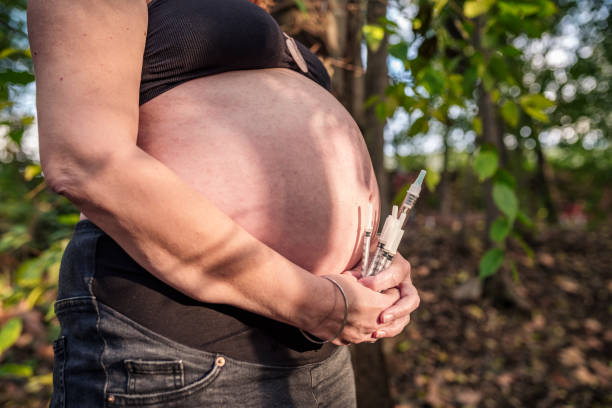
Pregnancy and Safari: Vaccines, Malaria and Transport Considerations
Pregnancy and safari travel in East Africa require careful planning, particularly when visiting Uganda, Kenya, Tanzania and Rwanda. While many women can travel safely during uncomplicated pregnancies, African safaris present additional considerations involving malaria, vaccinations, long road journeys and access to medical facilities.
Pregnancy changes how the body responds to certain infections and physical demands. Activities that are comfortable for other travellers may require adjustments, especially when visiting remote national parks.
Malaria is one of the most important concerns because infection during pregnancy can seriously affect both mother and baby.
Before booking a safari, expectant mothers should consult their obstetric healthcare professional and a travel-medicine specialist.
This guide explains the main health precautions, vaccination requirements, transport considerations and itinerary adjustments involved in planning a safari during pregnancy.
Is It Safe to Go on Safari While Pregnant?
Some uncomplicated pregnancies allow travel, but not every safari destination or activity is appropriate.
The most important factors are pregnancy stage, medical history, destination-specific infections and access to emergency obstetric care.
Pregnant travellers are generally advised to postpone non-essential travel to malaria-endemic areas. No preventive medication eliminates malaria risk completely.
Main Safari Considerations
| Factor | Why it matters |
|---|---|
| Pregnancy stage | Comfort and complication risks |
| Malaria exposure | Potentially serious maternal and fetal illness |
| Vaccinations | Some vaccines require special assessment |
| Road conditions | Long, uncomfortable transfers |
| Medical facilities | Emergency obstetric care |
| Safari activities | Physical demands and injury risks |
| Insurance | Pregnancy-related exclusions |
A personalised medical assessment should come before paying non-refundable safari deposits.
Best Time During Pregnancy to Travel
The second trimester, approximately weeks 14–27, is often the most comfortable period for travel during an uncomplicated pregnancy.
Morning sickness may improve, and travelling can be easier than during the final weeks.
However, the second trimester does not remove malaria or other destination-specific risks.
Pregnancy Stage Comparison
| Stage | Main consideration |
|---|---|
| First trimester | Nausea, fatigue and early complications |
| Second trimester | Often greater physical comfort |
| Third trimester | Reduced mobility and higher likelihood of needing obstetric care |
Travellers with bleeding, pre-eclampsia, threatened premature labour or other significant complications may be advised not to travel.
Malaria Risks During Pregnancy
Malaria can be considerably more dangerous during pregnancy.
Infection may cause severe anaemia, low blood sugar and other serious complications.
It can also increase the risk of miscarriage, premature delivery, stillbirth and low birth weight.
Malaria Considerations by Country
| Country | Safari planning concern |
|---|---|
| Uganda | Transmission occurs in many areas |
| Kenya | Risk varies with location and altitude |
| Tanzania | Many lowland safari areas have malaria |
| Rwanda | Transmission varies geographically |
A high-altitude destination should not automatically be considered malaria-free.
Destination-specific medical advice is essential.
Which Anti-Malarial Tablets Are Suitable?
Not all malaria prevention medicines are appropriate during pregnancy.
A clinician must consider local resistance patterns, pregnancy stage and the traveller’s medical history.
Anti-Malarial Medicine Comparison
| Medicine | Pregnancy consideration |
|---|---|
| Mefloquine | May be recommended when appropriate |
| Doxycycline | Contraindicated during pregnancy |
| Malarone | Generally not recommended because safety data are limited |
| Chloroquine | Suitable for certain chloroquine-sensitive destinations |
| Primaquine | Contraindicated |
| Tafenoquine | Contraindicated |
For unavoidable travel to chloroquine-resistant malaria areas, mefloquine is commonly considered, provided there are no contraindications.
Travellers should never select or change preventive medication without professional medical advice.
Preventing Mosquito Bites
Even with prescribed malaria prevention, mosquito precautions remain essential.
Recommended Protection
Wear lightweight long-sleeved clothing.
Apply pregnancy-appropriate insect repellent according to its label.
Sleep in screened accommodation or beneath an insecticide-treated mosquito net.
Use air conditioning where available.
Avoid unnecessary outdoor exposure during peak mosquito activity.
Continue protection throughout the holiday.
Repellents containing DEET or picaridin can generally be used during pregnancy when applied as directed.
Vaccinations Before an African Safari
Pregnant travellers may need routine vaccinations and destination-specific protection.
However, certain live vaccines are usually avoided during pregnancy.
Vaccine Considerations
| Vaccine | General pregnancy guidance |
|---|---|
| Influenza | Recommended |
| Tetanus, diphtheria and pertussis | Recommended according to pregnancy schedule |
| Hepatitis A | Consider when indicated |
| Hepatitis B | Can be given when indicated |
| Yellow fever | Individual risk assessment required |
| Live oral typhoid | Contraindicated |
| Injectable typhoid | Consider only when clearly necessary |
| Rabies | Available when exposure risk warrants it |
Vaccine decisions should account for medical history, travel destination and national recommendations.
Yellow Fever Vaccination During Pregnancy
Yellow fever vaccination requires particular attention because it contains a live attenuated virus.
Pregnancy is a precaution rather than an absolute prohibition.
If travel to a yellow fever risk area is unavoidable and infection risk exceeds vaccine risk, vaccination may be recommended.
Where vaccination risk outweighs exposure risk, a clinician may consider a medical waiver.
However, a waiver does not guarantee entry into every country.
Travellers must confirm current entry requirements and discuss safer itinerary alternatives.
Choosing Suitable Safari Destinations
Pregnant travellers should prioritise destinations with convenient transport, suitable accommodation and access to reliable obstetric care.
Remote wilderness locations may be challenging during medical emergencies.
Destination Planning
| Destination type | Main consideration |
|---|---|
| City hotel | Better access to hospitals |
| Lakeside resort | Relaxation and accessible facilities |
| Remote national park | Longer emergency transfers |
| Mountain trekking area | Physical exertion |
| Luxury safari lodge | Comfort, but possibly isolated |
| Coastal resort | Mosquito exposure and medical access |
A luxury lodge cannot compensate for inadequate emergency medical access.
Safari Transport During Pregnancy
East African safari journeys often involve several hours of driving.
Rough roads, sudden braking and extended sitting may cause discomfort.
Vehicle safety therefore deserves special attention.
Transport Comparison
| Transport option | Main consideration |
|---|---|
| Private 4WD vehicle | Flexible stops and seating |
| Shared safari vehicle | Less control over itinerary |
| Domestic flight | Shorter transfers |
| Long road transfer | Fatigue and prolonged sitting |
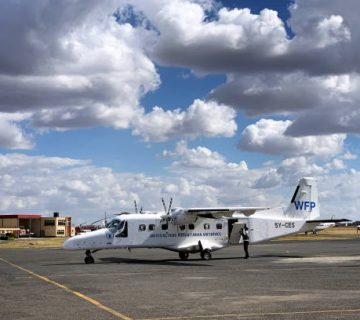
| Light aircraft | Limited movement and baggage |
| Boat excursion | Accessibility and safe boarding |
Private arrangements may offer greater flexibility, but they do not eliminate travel risks.
Wearing a Seat Belt Correctly
Pregnant passengers should wear properly fitted seat belts.
The lap section belongs low across the hips and upper thighs, beneath the abdomen.
The shoulder belt should cross the chest between the breasts.
Never position the lap belt directly across the abdomen.
Ask the operator to provide a suitable vehicle with functioning seat belts.
Long Flights and Blood Clot Prevention
Pregnancy increases the risk of blood clots, and prolonged sitting can add to that risk.
Long-haul flights may require special precautions.
Flight Comfort Tips
Choose an aisle seat when practical.
Move your legs regularly.
Walk around when safe.
Drink sufficient water.
Wear comfortable clothing.
Discuss graduated compression stockings with your clinician.
Travellers with additional clotting risks may need individual medical recommendations.
Airline Pregnancy Restrictions
Airlines have different policies concerning pregnancy.
Many permit travel until approximately 36 weeks during an uncomplicated singleton pregnancy, but international routes and multiple pregnancies may have earlier limits.
Some require medical certificates.
Always check the airline’s rules for both departure and return journeys.
A doctor’s letter does not override airline restrictions.
Can You Go on Game Drives While Pregnant?
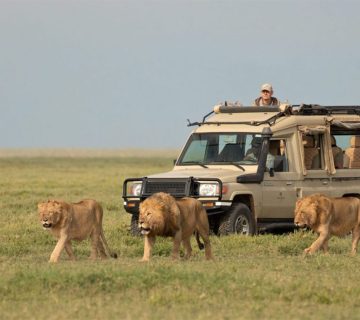
Game drives may be possible during an uncomplicated pregnancy, but the vehicle, road conditions and distance from medical care matter.
Game-Drive Adjustments
Choose shorter excursions.
Avoid unnecessary rough driving.
Schedule regular breaks.
Carry sufficient drinking water.
Avoid prolonged exposure to extreme heat.
Request a comfortable seat with a seat belt.
Stop the activity if significant discomfort develops.
Discuss the proposed activity with your obstetric clinician before travelling.
Gorilla Trekking During Pregnancy
Gorilla trekking in Uganda and Rwanda can involve steep slopes, slippery forest paths and several hours of walking.
The physical demands are unpredictable.
Important Trekking Considerations
Fitness requirements vary between trekking routes.
Falling and exhaustion are possible risks.
Remote forest locations can complicate medical evacuation.
Pregnant travellers should seek individual obstetric advice and may be advised to avoid trekking.
A permit does not guarantee that trekking is medically appropriate.
Activities Best Avoided
Certain activities present unnecessary risks of falls, trauma or decompression injury.
Safari Activity Safety
| Activity | Recommendation |
|---|---|
| Gentle guided sightseeing | Consider with medical approval |
| Comfortable vehicle game drives | Individual assessment |
| Strenuous mountain hiking | Usually best avoided |
| Horse riding | Avoid because of fall risk |
| Quad biking | Avoid because of trauma risk |
| White-water rafting | Avoid high-impact activities |
| Scuba diving | Avoid during pregnancy |
| Relaxing at accommodation | Generally suitable |
Activities should reflect individual medical advice rather than general travel advertising.
Food and Drinking Water Safety
Foodborne infections and dehydration can be particularly troublesome during pregnancy.
Travellers should practise careful food hygiene.
Food Precautions
Drink reliably treated water.
Avoid unpasteurised dairy products.
Eat thoroughly cooked meat and fish.
Wash or peel fruit using safe water.
Avoid raw or undercooked animal products.
Seek medical advice for significant vomiting or diarrhoea.
Choosing Pregnancy-Friendly Accommodation
Accommodation should provide more than comfortable beds and attractive scenery.
Recommended Facilities
| Facility | Importance |
|---|---|
| Accessible rooms | Easier movement |
| Private bathroom | Convenience |
| Reliable drinking water | Hydration |
| Air conditioning or ventilation | Temperature comfort |
| Mobile communication | Emergency contact |
| Nearby medical services | Access to care |
| Flexible meals | Dietary requirements |
Ask whether a qualified medical facility is accessible within a reasonable time.
Medical Emergencies During Safari
Pregnancy complications can arise unexpectedly.
Travellers should know where emergency obstetric care is available before departure.
Warning Signs Requiring Urgent Care
Vaginal bleeding, leaking fluid, severe abdominal pain or persistent contractions require urgent medical assessment.
Other warning signs include severe headache, visual disturbances, fainting, chest pain and breathing difficulties.
Seek immediate care for fever, especially after possible malaria exposure.
Reduced fetal movements later in pregnancy also require prompt assessment.
Travel Insurance for Pregnant Travellers
Not every travel insurance policy covers pregnancy-related treatment.
Some exclude routine maternity care, childbirth after certain gestational ages or complications involving newborn babies.
Insurance Checklist
Confirm pregnancy-related emergency coverage.
Check gestational limits.
Review medical evacuation benefits.
Understand premature birth exclusions.
Confirm neonatal care arrangements.
Keep emergency assistance details accessible.
Do not assume that ordinary travel medical insurance includes full maternity protection.
What to Pack for a Pregnancy Safari
| Item | Purpose |
|---|---|
| Prenatal medical records | Emergency reference |
| Doctor’s letter | Airline documentation |
| Prescribed medicines | Continuity of care |
| Prenatal vitamins | Usual supplementation |
| Insect repellent | Mosquito protection |
| Comfortable clothing | Temperature and comfort |
| Drinking water | Hydration |
| Insurance documents | Medical assistance |
| Emergency contacts | Communication |
Carry essential medicines and documents in hand luggage.
Frequently Asked Questions
Can Pregnant Women Visit African National Parks?
Some visits may be possible, but malaria exposure, medical access and activity risks require individual assessment. Postponing non-essential travel to malaria-endemic areas is recommended.
Is Malarone Safe During Pregnancy?
Atovaquone-proguanil is generally not recommended during pregnancy because safety evidence remains limited. A specialist should advise on alternatives.
Can Pregnant Travellers Take Domestic Safari Flights?
Possibly, depending on pregnancy stage, medical circumstances, aircraft arrangements and airline policies.
Is the Second Trimester Best for Safari Travel?
It may offer greater physical comfort, but destination-specific infectious disease risks remain important throughout pregnancy.
Planning a Pregnancy Safari Safely
Pregnancy and safari travel require thoughtful decisions about health, destination and transport.
Although some uncomplicated pregnancies allow travel, malaria-endemic destinations present risks that should not be underestimated.
Vaccination suitability, preventive medication, comfortable transport and emergency medical access must be assessed before making reservations.
For non-essential holidays, postponing travel to areas with malaria is generally the safest recommendation during pregnancy.
Where travel is unavoidable, personalised medical advice and a carefully planned itinerary are essential.


No comment