

Traveller’s Diarrhoea on Safari: Prevention, Rehydration and Doctor Visits
Traveller’s diarrhoea on safari is one of the common health concerns affecting visitors exploring Uganda, Kenya, Tanzania, Rwanda and other African destinations. Although most travellers enjoy their holidays without serious illness, changes in food, drinking water and hygiene conditions can occasionally lead to stomach infections.
Traveller’s diarrhoea usually involves three or more loose stools within 24 hours, sometimes accompanied by stomach cramps, nausea, vomiting or fever.
For safari visitors, becoming unwell can be particularly uncomfortable because journeys often involve long road transfers, remote national parks and limited access to medical facilities.
Fortunately, many cases improve within a few days, and practical precautions can reduce the likelihood of illness.
This guide explains how to prevent traveller’s diarrhoea, recognise dehydration, use oral rehydration solutions and understand when professional medical care is necessary.
What Is Traveller’s Diarrhoea?
Traveller’s diarrhoea is an intestinal illness commonly caused by consuming contaminated food or water.
Bacteria are responsible for many cases, although viruses and parasites can also cause symptoms.
The condition can affect travellers staying in budget guesthouses, luxury safari lodges or international hotels.
Quick Facts About Traveller’s Diarrhoea
| Feature | Description |
|---|---|
| Main causes | Bacteria, viruses and parasites |
| Common symptoms | Loose stools and abdominal cramps |
| Transmission | Contaminated food, water or hands |
| Typical duration | Often several days |
| Main concern | Dehydration |
| First treatment priority | Replacing fluids and salts |
| Prevention | Food, water and hand hygiene |
| Medical attention | Needed for severe or concerning symptoms |
Most mild cases can be managed with fluids and rest, but some illnesses require medical assessment.
Why Can Diarrhoea Happen During a Safari?
Travellers may encounter unfamiliar foods and different food-handling conditions.
Long journeys can also make regular handwashing more difficult.
Common Risk Factors
| Situation | Possible concern |
|---|---|
| Untreated drinking water | Harmful microorganisms |
| Improperly stored food | Bacterial growth |
| Undercooked meat | Foodborne infection |
| Unwashed vegetables | Contamination |
| Unpasteurised dairy | Infection risk |
| Poor hand hygiene | Transmission of germs |
| Unhygienic ice preparation | Contaminated water |
Even careful travellers can become ill because food preparation conditions are not always visible.
Common Symptoms to Recognise
Symptoms may appear within hours or several days after exposure, depending on the cause.
Typical Symptoms
Frequent loose stools are the main sign.
Other symptoms may include stomach cramps, nausea, bloating, urgent bowel movements and vomiting.
Some travellers develop fever or general weakness.
Bloody diarrhoea, severe abdominal pain and significant dehydration are more concerning and require prompt medical attention.
How to Prevent Traveller’s Diarrhoea
Prevention begins with sensible food and water choices.
No method provides complete protection, but good hygiene reduces avoidable exposure.
Food and Water Safety Guide
| Food or drink | Recommended precaution |
|---|---|
| Drinking water | Use reliably treated or sealed bottled water |
| Cooked meals | Prefer thoroughly cooked food served hot |
| Fruit | Wash with safe water and peel yourself |
| Salads | Choose carefully where hygiene is uncertain |
| Meat | Ensure thoroughly cooked |
| Dairy products | Prefer pasteurised products |
| Ice | Confirm it is made from safe water |
| Street food | Choose vendors practising good hygiene |
Freshly prepared hot meals are often a practical choice during travel.
Drinking Water Safety on Safari
Safe drinking water is particularly important in remote destinations.
Some safari lodges provide filtered or treated water, while others supply sealed bottled water.
Never assume that tap water is suitable for drinking.
Practical Water Precautions
Ask the lodge whether its water is potable.
Use reliably treated water for drinking and preparing oral rehydration solutions.
When water safety is uncertain, use safe bottled or treated water for brushing your teeth.
Avoid swallowing water while swimming in lakes, rivers or pools.
Handwashing and Personal Hygiene
Handwashing is one of the simplest ways to reduce gastrointestinal infections.
Wash hands with soap and safe running water before eating and after using the toilet.
Alcohol-based hand sanitiser is useful when washing facilities are unavailable, but it does not work equally well against every diarrhoeal pathogen.
Soap and water remain preferable whenever practical.
What to Do if Diarrhoea Starts During Your Safari
The first priority is preventing dehydration.
Frequent watery stools cause the body to lose water and important salts.
Initial Self-Care
| Action | Why it helps |
|---|---|
| Drink safe fluids | Replaces lost water |
| Use oral rehydration solution | Replaces water and electrolytes |
| Rest | Supports recovery |
| Eat as tolerated | Maintains energy |
| Avoid excessive sugary drinks | May prevent worsening diarrhoea |
| Monitor symptoms | Helps identify deterioration |
Tell your safari guide if symptoms interfere with travel, especially before long transfers.
Oral Rehydration Salts: Why They Matter
Oral rehydration salts, commonly called ORS, contain a balanced mixture of glucose and electrolytes.
When mixed correctly with safe water, they help the body replace fluid and salts lost through diarrhoea.
ORS is especially important for children, older adults and people experiencing substantial fluid loss.
How to Prepare ORS
Use a commercially prepared oral rehydration sachet.
Follow its instructions exactly.
Add the contents to the specified amount of safe drinking water.
Many standard sachets require one litre, but packet sizes vary.
Do not guess the water quantity or add extra sugar.
Take frequent small sips, particularly if nausea makes drinking difficult.
Recognising Dehydration
Dehydration occurs when the body loses more fluid than it replaces.
Warning Signs
| Symptom | Possible significance |
|---|---|
| Increased thirst | Early fluid loss |
| Dark urine | Possible dehydration |
| Reduced urination | Concerning fluid deficit |
| Dry mouth | Possible dehydration |
| Dizziness | Fluid loss or low blood pressure |
| Unusual tiredness | Possible dehydration |
| Confusion or fainting | Medical emergency |
Severe dehydration requires urgent medical care and may need intravenous fluids.
What Should You Eat While Recovering?
Travellers do not generally need to stop eating completely.
Choose foods that are comfortable to tolerate.
Rice, bananas, potatoes, toast, porridge and soup may be suitable options.
Avoid large amounts of alcohol and very sugary drinks.
If a particular food worsens symptoms, temporarily avoid it.
Children should continue age-appropriate feeding, and breastfeeding should continue.
Can You Take Anti-Diarrhoea Medicine?
Some adults use loperamide to reduce bowel movement frequency during mild or moderate diarrhoea.
However, it does not remove the underlying infection.
Do not use loperamide alone when diarrhoea is bloody or accompanied by fever.
People who are pregnant, have significant medical conditions or are treating children should seek appropriate medical or pharmaceutical advice first.
Follow the product instructions and never exceed the recommended dose.
Are Antibiotics Necessary?
Most mild traveller’s diarrhoea does not require antibiotics.
Antibiotics may be appropriate for severe bacterial illness, but the choice depends on symptoms, medical history and local resistance patterns.
Unnecessary antibiotic use can cause side effects and contribute to antimicrobial resistance.
Treatment Approach
| Illness severity | General approach |
|---|---|
| Mild | Fluids and observation |
| Moderate | Rehydration and suitable symptom relief |
| Severe | Medical assessment; antibiotics may be needed |
| Bloody diarrhoea | Prompt medical evaluation |
| Persistent symptoms | Investigation for infection or other causes |
A travel healthcare professional may prescribe standby treatment before departure for selected travellers.
Use it only according to the instructions provided.
When Should You Visit a Doctor?
Most uncomplicated cases improve without hospital treatment.
However, delaying medical care can be dangerous when symptoms become severe.
Important Reasons to Seek Medical Attention
| Warning sign | Recommended action |
|---|---|
| Blood in stool | Seek prompt medical care |
| High fever | Medical assessment |
| Severe abdominal pain | Urgent assessment |
| Unable to retain fluids | Seek urgent care |
| Little or no urination | Urgent dehydration assessment |
| Fainting or confusion | Emergency medical care |
| Symptoms worsening | Contact a clinician |
| Diarrhoea lasting several days without improvement | Arrange medical review |
Seek help earlier for infants, older adults, pregnant travellers and people with weakened immunity or significant chronic illnesses.
Special Considerations for Children
Children can become dehydrated more quickly than healthy adults.
Parents should monitor drinking, urination, activity levels and general appearance.
ORS is the main treatment for preventing dehydration.
Do not give children adult anti-diarrhoea medication without professional advice.
Seek medical care promptly if a child becomes unusually sleepy, cannot drink, passes very little urine or develops blood in the stool.
Traveller’s Diarrhoea During Gorilla Trekking
Gorilla trekking in Uganda and Rwanda involves physically demanding forest walking.
Visitors experiencing diarrhoea, fever or other infectious symptoms should inform their guide and tour operator.
Why Reporting Illness Matters
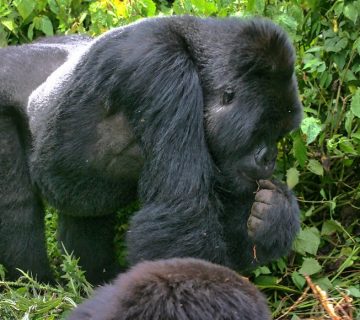
Mountain gorillas are vulnerable to some human infections.
Wildlife authorities may restrict participation when visitors are unwell.
A traveller should never conceal illness to avoid missing a scheduled trek.
Ask the operator about applicable permit policies and alternative arrangements.
Managing Diarrhoea During Long Road Transfers
Some East African safari routes involve several hours of driving.
Access to toilets may be limited between towns and lodges.
If you become unwell, discuss the situation with your driver-guide.
Practical Travel Adjustments
Arrange additional rest stops.
Carry ORS and safe drinking water.
Avoid unnecessary strenuous activities.
Consider delaying a long transfer when symptoms are severe.
Do not continue an exhausting journey when urgent medical treatment is needed.
Preparing a Safari Health Kit
A small medical kit can make minor illnesses easier to manage.
Recommended Items
| Item | Purpose |
|---|---|
| ORS sachets | Fluid and electrolyte replacement |
| Hand sanitiser | Hygiene when washing is unavailable |
| Soap | Handwashing |
| Thermometer | Checking temperature |
| Personal medications | Managing existing conditions |
| Prescribed standby medicine | Use according to medical instructions |
| Travel insurance details | Accessing medical assistance |
Discuss suitable medicines with a healthcare professional before departure.
Travel Insurance and Medical Assistance
Safari travellers should consider insurance covering emergency treatment and evacuation.
Remote wildlife destinations may be far from major hospitals.
Keep emergency contact details accessible.
If symptoms become severe, contact medical services rather than relying solely on advice from hotel staff or guides.
Some policies require notification before non-emergency treatment or evacuation arrangements.
Frequently Asked Questions
How Long Does Traveller’s Diarrhoea Last?
Many cases improve within several days. Diarrhoea lasting more than a week, particularly without improvement, deserves medical review; symptoms persisting for two weeks require investigation.
Can I Continue Game Drives With Mild Diarrhoea?
Possibly, if symptoms are manageable and you remain hydrated. However, rest may be preferable, and worsening symptoms require assessment.
Is Bottled Water Always Safe?
Properly sealed water from a reliable supplier is generally a safer option, but damaged seals or poor handling can create concerns.
Can Traveller’s Diarrhoea Be Prevented Completely?
No. Food and water precautions reduce risk but cannot eliminate every source of infection.
Staying Healthy on Safari
Traveller’s diarrhoea can interrupt an otherwise enjoyable African wildlife holiday, but practical preparation helps visitors respond effectively.
Safe drinking water, sensible food choices and regular handwashing reduce avoidable risks.
If illness develops, replacing fluids and electrolytes is the first priority.
Severe symptoms, dehydration, bloody stools or persistent illness require professional medical assessment.
The best approach is to prepare before travelling, recognise warning signs early and prioritise health over maintaining a fixed safari schedule.
With appropriate precautions, travellers can explore East Africa’s national parks while reducing the likelihood and impact of gastrointestinal illness.



No comment