
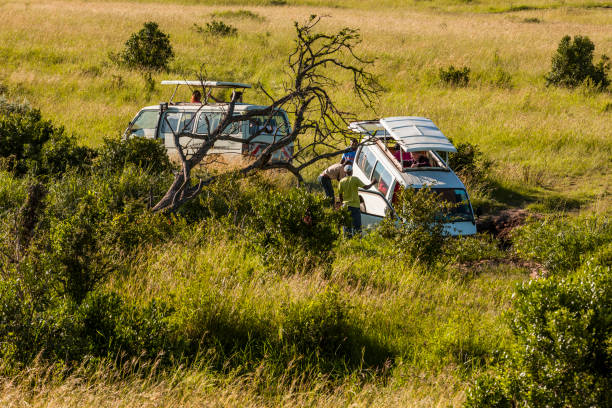
Travel Insurance Claims on Safari: What Is Covered and What Is Refused
Travel insurance claims on safari are an important consideration for anyone planning a wildlife holiday in Uganda, Kenya, Tanzania, Rwanda or other African destinations. Although safaris are generally well-organised travel experiences, unexpected events such as illness, flight cancellations, lost luggage and medical emergencies can create significant expenses.
Many travellers purchase insurance assuming that every problem during their holiday will be covered. However, insurance policies contain conditions, financial limits and exclusions that determine whether a claim will be approved or refused.
For example, a policy may cover emergency hospital treatment but exclude injuries from certain adventure activities. It may reimburse a cancelled trip following a serious illness but refuse payment when someone simply changes their travel plans.
Understanding these differences helps visitors purchase suitable protection before departure.
This guide explains what safari travel insurance commonly covers, why insurers reject claims and how travellers can improve their chances of receiving reimbursement.
Why Is Travel Insurance Important for an African Safari?
African safaris often take visitors into remote national parks, mountain forests and rural environments.
Medical facilities may be far from certain lodges, while emergency transport can be expensive.
International flights, accommodation and wildlife permits also involve substantial advance payments.
Main Reasons to Buy Safari Travel Insurance
| Risk | Possible financial consequence |
|---|---|
| Medical emergency | Hospital treatment costs |
| Serious injury | Emergency transport |
| Trip cancellation | Lost prepaid expenses |
| Flight disruption | Additional accommodation |
| Lost luggage | Replacement essentials |
| Stolen belongings | Loss of personal property |
| Emergency evacuation | Specialist transportation |
Not every insurance policy includes all these benefits. Travellers must compare the actual wording before purchasing cover.
What Does Safari Travel Insurance Usually Cover?
Comprehensive travel insurance commonly includes several categories of protection.
However, the covered events, exclusions and payment limits vary between insurers.
Common Insurance Coverage
| Incident | Typical insurance position |
|---|---|
| Unexpected illness | Often covered |
| Accidental injury | Often covered |
| Emergency evacuation | Covered when included and medically necessary |
| Trip cancellation | Covered for specified reasons |
| Delayed luggage | May qualify after a waiting period |
| Lost baggage | Subject to evidence and limits |
| Missed connections | Depends on circumstances |
| Personal liability | Included in selected policies |
| Safari adventure activities | Depends on activity classification |
An incident occurring during a safari does not automatically qualify for compensation.
Emergency Medical Treatment on Safari
Medical emergencies are among the most important reasons to purchase travel insurance.
A traveller might develop a serious infection, experience breathing difficulties or sustain an injury during an authorised activity.
What Medical Cover May Include
Emergency consultations, hospital admission, diagnostic tests, prescribed medication and necessary treatment may qualify.
However, treatment must normally meet the policy’s medical necessity requirements.
Elective procedures and non-essential treatment are generally excluded.
Travellers should confirm whether both public and private hospitals are covered.
Medical Evacuation From Remote National Parks
Some safari destinations are several hours from major hospitals.
Medical evacuation may involve a road ambulance, specialist aircraft or other emergency transport.
Understanding Evacuation Cover
| Situation | Possible response |
|---|---|
| Serious injury in a remote park | Transfer to suitable medical facilities |
| Severe illness | Emergency hospital transport |
| Specialist treatment unavailable locally | Possible transfer to another hospital |
| Medical return home | Repatriation when authorised |
| Traveller requests a convenient flight | Usually not sufficient |
Evacuation often requires approval from the insurer’s medical assistance team.
A policy offering medical treatment without suitable evacuation protection may be inadequate for remote safaris.
Are Gorilla Trekking Injuries Covered?
Mountain gorilla trekking in Uganda and Rwanda involves walking through forests, sometimes on steep and muddy trails.
Travellers may experience slips, falls or other injuries.
Gorilla Trekking Insurance
Some comprehensive policies cover ordinary guided hiking, but others impose restrictions based on altitude, terrain or activity classification.
Before travelling, confirm that the insurer explicitly accepts your planned gorilla trekking activity.
Also ask whether emergency evacuation and search-and-rescue expenses are covered.
A gorilla trekking permit does not automatically provide personal travel insurance.
Chimpanzee Tracking and Walking Safaris
Chimpanzee tracking, guided forest walks and walking safaris can involve physical exertion.
Insurance providers may distinguish ordinary walking from higher-risk adventure activities.
Activity Coverage Comparison
| Activity | What to verify |
|---|---|
| Vehicle game drive | General safari cover |
| Gorilla trekking | Guided trekking included |
| Chimpanzee tracking | Forest hiking conditions |
| Walking safari | Wildlife walking activity accepted |
| Mountain climbing | Altitude and technical restrictions |
| White-water rafting | Adventure activity extension |
| Hot-air balloon safari | Specific activity inclusion |
Always obtain written confirmation when an activity’s classification is unclear.
Safari Trip Cancellation Claims
Cancellation cover may reimburse eligible non-refundable expenses when a traveller cannot depart for a reason listed in the policy.
Examples can include unexpected serious illness, injury or certain family emergencies.
Cancellation Claims Comparison
| Reason | Likely treatment |
|---|---|
| Serious unexpected illness | May be covered |
| Accidental injury preventing travel | May be covered |
| Bereavement of an eligible relative | Often covered under conditions |
| Changing your mind | Usually excluded |
| Finding a cheaper holiday | Excluded |
| Ordinary workplace inconvenience | Usually excluded |
| Fear of travelling without a covered event | Usually excluded |
Some policies offer optional broader cancellation benefits, but these still have specific conditions and limits.
Are Gorilla Permits Refundable Through Insurance?
Gorilla trekking permits are valuable advance purchases.
If a traveller cancels because of a covered medical emergency, the insurer may consider eligible non-refundable permit expenses.
However, reimbursement is not guaranteed.
The traveller may need proof that the permit was purchased, could not be used and could not be refunded or transferred.
Permit cancellation rules and insurance coverage are separate matters.
Flight Delays and Missed Connections
International safari journeys often involve connecting flights through airports such as Doha, Dubai, Addis Ababa or Nairobi.
Delays can affect onward travel and booked activities.
Flight Insurance Considerations
| Problem | Possible cover |
|---|---|
| Long delay meeting policy conditions | Fixed delay benefit |
| Missed protected connection | Airline assistance may apply |
| Missed separately booked flight | Policy-dependent |
| Additional hotel night | May qualify under disruption cover |
| Voluntary schedule change | Usually excluded |
Keep airline notices and receipts for additional expenses.
Travellers should normally seek applicable refunds or assistance from their airline before claiming the same costs through insurance.
Lost or Delayed Safari Luggage
Safari luggage may contain clothing, binoculars, chargers and photography equipment.
If baggage is delayed or lost, insurance may help with replacement essentials or eligible belongings.
Baggage Claim Requirements
Airlines commonly require passengers to report missing luggage promptly.
Obtain an official baggage incident report.
Keep receipts for essential purchases.
Expensive cameras and lenses may require additional cover because standard policies often impose individual item limits.
Camera Equipment and Electronics
Wildlife photographers sometimes travel with expensive camera bodies, lenses and accessories.
Standard baggage insurance may provide insufficient protection.
Equipment Insurance Checklist
| Item | Important consideration |
|---|---|
| Camera body | Individual item limit |
| Telephoto lens | Specialist equipment cover |
| Laptop | Electronics restrictions |
| Drone | Aviation rules and insurance exclusions |
| Binoculars | Personal property limit |
| Memory cards | Data loss exclusions |
Some insurers exclude equipment left unattended inside vehicles.
Professional photographers may require specialist policies.
Why Are Safari Insurance Claims Refused?
Insurance companies assess whether an incident satisfies the policy’s conditions.
Claims may be rejected when information is incomplete, an activity is excluded or the traveller breaches policy requirements.
Common Reasons for Claim Rejection
| Reason | Explanation |
|---|---|
| Undeclared medical condition | Health disclosure requirements not met |
| Excluded activity | Safari adventure not insured |
| Insufficient evidence | Missing documents |
| Unattended belongings | Security conditions breached |
| Alcohol-related incident | Relevant exclusions may apply |
| Travel against official warnings | Destination restriction |
| Late notification | Reporting conditions not followed |
| Costs below excess | Claim amount does not exceed deductible |
A rejection does not necessarily mean the insurer has acted correctly. Travellers can request an explanation and challenge decisions.
Pre-Existing Medical Conditions
Medical disclosure is particularly important.
Some policies require travellers to disclose existing illnesses, medications or ongoing investigations.
Conditions may be accepted automatically, covered after assessment or excluded.
Failing to provide required information can affect a claim.
Travellers should answer health questions accurately and obtain written confirmation of any agreed cover.
Travel Against Government Warnings
Some insurance policies exclude travel to destinations where relevant government authorities advise against travel.
This can affect certain regions even when other parts of the country remain open.
Before booking, review current travel advisories and the insurer’s destination restrictions.
Do not assume that a safari operator’s willingness to arrange a trip guarantees insurance protection.
How to Make a Successful Safari Insurance Claim
Proper documentation is essential.
Step-by-Step Claim Preparation
| Step | Recommended action |
|---|---|
| 1 | Contact emergency assistance when required |
| 2 | Follow medical and reporting instructions |
| 3 | Obtain official incident documentation |
| 4 | Keep invoices and payment receipts |
| 5 | Request airline or operator statements |
| 6 | Submit the claim within required deadlines |
| 7 | Respond to insurer requests |
| 8 | Keep copies of correspondence |
For major medical situations, contact the insurer as soon as reasonably possible.
Emergency treatment should not be dangerously delayed while waiting for administrative approval.
What If Your Insurance Claim Is Rejected?
Ask the insurer for a written explanation identifying the relevant policy conditions.
Review whether the decision reflects the information you supplied.
If documents are missing, submit additional evidence.
Travellers can use the insurer’s formal complaints process and, where available, an insurance ombudsman or other relevant dispute-resolution service.
Choosing the Right Safari Insurance Policy
Travellers should consider more than the cheapest premium.
Insurance Comparison Checklist
| Feature | What to check |
|---|---|
| Medical expenses | Adequate coverage limit |
| Evacuation | Remote-area transport included |
| Safari activities | Explicit eligibility |
| Cancellation | Covered reasons and limits |
| Baggage | Appropriate item limits |
| Existing conditions | Accurate disclosure |
| Excess | Amount payable by traveller |
| Emergency assistance | 24-hour contact service |
Buy insurance when making significant non-refundable bookings so eligible cancellation protection can begin as early as the policy permits.
Frequently Asked Questions
Does Travel Insurance Cover Animal Attacks?
An accidental injury involving wildlife may be covered under suitable medical insurance, subject to activity conditions, exclusions and the circumstances.
Does Insurance Cover Malaria?
Emergency treatment for malaria may be covered, but policies can contain health and prevention requirements. Check the wording carefully.
Will Insurance Pay if It Rains During My Safari?
Ordinary rainfall or disappointing wildlife viewing is generally not an insured loss. Severe weather causing a specifically covered disruption may qualify.
Does Travel Insurance Cover a Safari Company’s Bankruptcy?
Not automatically. Supplier insolvency usually requires specific protection or another applicable financial safeguard.
Understand Your Safari Insurance Before Travelling
Travel insurance provides valuable financial protection, but every policy has limitations.
Medical emergencies, eligible cancellations and baggage problems may be covered, while undeclared health conditions, excluded activities and unsupported claims can lead to rejection.
For African safaris, emergency medical evacuation and explicit cover for planned activities deserve particular attention.
The best insurance policy is one that matches your actual safari itinerary, not simply the cheapest policy available.
Understanding the conditions before departure helps travellers respond confidently when unexpected problems occur.


No comment