
Lake Bunyonyi vs Lake Kivu: A Relaxation Showdown
Lake Bunyonyi in Uganda and Lake Kivu in Rwanda are two of East Africa’s most attractive destinations for travellers seeking peaceful lakeside accommodation, beautiful scenery, and time away from busy towns. Both lakes are surrounded by green hills, offer opportunities for boating and nature walks, and provide comfortable places to rest after exploring the region.
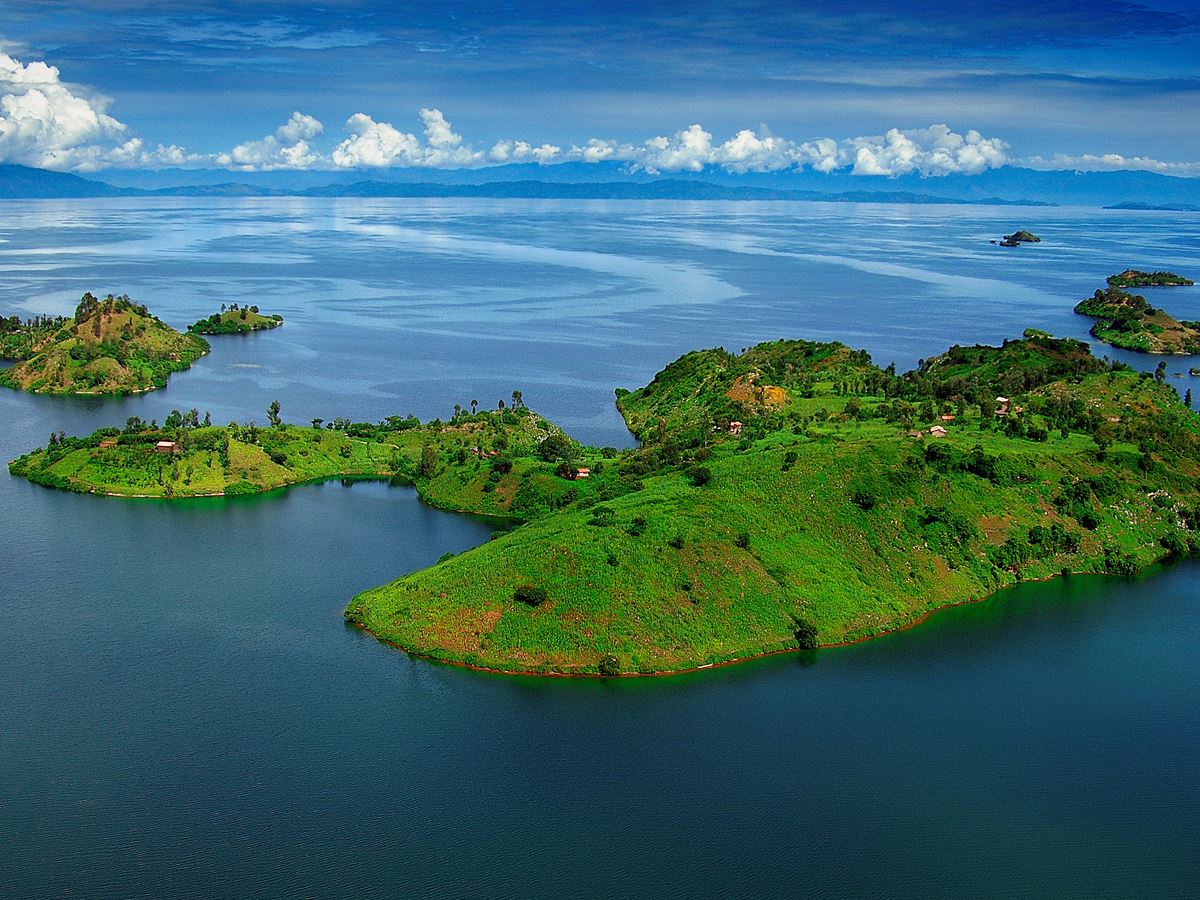
However, the two destinations offer different experiences. Lake Bunyonyi is known for its numerous islands, terraced hillsides, quiet shores, and intimate atmosphere. Lake Kivu is much larger, with sandy beaches in selected areas, lakeside towns, boat excursions, restaurants, and a wider choice of activities.
Lake Bunyonyi lies in southwestern Uganda, near Kabale and the Rwandan border. Its highland setting creates cool evenings and generally mild daytime temperatures. The lake is dotted with numerous islands, commonly counted as 29, and surrounded by hills cultivated by local communities. Visitors can spend their days paddling traditional dugout canoes, taking boat trips, watching birds, walking through nearby villages, or enjoying views from a lodge terrace.
Lake Kivu lies along the western side of Rwanda and extends into the Democratic Republic of the Congo. Its main Rwandan lakeside destinations include Rubavu, Karongi, and Rusizi. Each offers a different atmosphere, from the busier waterfront of Rubavu to the quieter bays around Karongi. Visitors can swim in designated areas, take boat trips, explore coffee-growing communities, enjoy lakeside restaurants, or walk and cycle along sections of the Congo Nile Trail.
If you want a quiet retreat surrounded by islands and terraced hills, Lake Bunyonyi is an excellent choice. If you prefer a larger lake with beaches, restaurants, boat excursions, and more developed resort areas, Lake Kivu may suit you better.
Lake Bunyonyi: A peaceful highland retreat
Lake Bunyonyi appeals to travellers who want to slow down and enjoy the natural surroundings without needing a packed itinerary. Its landscape combines steep green hills, cultivated terraces, small islands, and sheltered bays. The scenery changes throughout the day as clouds move across the hills and sunlight reaches different parts of the lake.
The lake sits at approximately 1,950 metres above sea level. This elevation contributes to its mild daytime climate and cool evenings. You can spend the afternoon outdoors without the persistent heat associated with many lower-altitude destinations, although sunshine and temperatures vary by season.
Accommodation ranges from simple campsites and guesthouses to comfortable cottages and upscale lakeside retreats. Some properties sit directly beside the water, while others occupy hillsides with panoramic views. Your choice of location can shape the entire experience. A lodge with a private terrace and easy water access may suit a couple seeking quiet time, while a guesthouse near the main landing areas may be more convenient for travellers planning several excursions.
Lake Bunyonyi is particularly suitable for visitors who enjoy unhurried mornings, quiet meals, birdwatching, and short excursions rather than organised activities throughout the day. You can spend several hours reading beside the water, take a canoe trip when the lake is calm, and return to your accommodation before sunset.
The surrounding communities also contribute to the experience. Guided village walks can introduce visitors to local farming, food preparation, crafts, and everyday life in the highlands. These visits are best arranged respectfully through local guides or community organisations, with permission sought before photographing people.
Lake Kivu: A spacious lakeside escape
Lake Kivu offers a different type of relaxation. Its large surface area, irregular coastline, green hills, and developed lakeside towns create an atmosphere that combines nature with resort facilities.
The Rwandan shoreline has several places to stay, but three destinations are particularly useful when planning a visit: Rubavu, Karongi, and Rusizi.
Rubavu, also known as Gisenyi, is located near the northern end of the lake. It has a developed waterfront, sandy beach areas, hotels, restaurants, and places to enjoy a meal or drink beside the water. The town suits travellers who want access to facilities and a choice of activities without spending the entire visit inside their accommodation.
Karongi, also known as Kibuye, is a strong option for visitors who prefer scenic bays, green hills, and a quieter atmosphere. Its irregular shoreline and surrounding islands make it attractive for boat excursions and relaxed afternoons overlooking the lake.
Rusizi, near the southern end, is useful for travellers combining Lake Kivu with Nyungwe National Park. It can provide a comfortable stop before or after exploring the forest, although the experience differs from the more established beach areas around Rubavu.
Lake Kivu is suitable for couples, families, groups of friends, and independent travellers who want a combination of relaxation and activity. You can enjoy a slow breakfast, take a boat trip, visit a coffee-growing island, and finish the afternoon at a lakeside restaurant.
The lake’s larger size also creates a more open feeling than Lake Bunyonyi. In suitable locations, the water stretches towards distant hills, giving the impression of a broad inland sea.
Scenery and natural beauty: Which lake is more beautiful?
Beauty is subjective, but the two lakes have distinct visual characteristics that appeal to different travellers.
Lake Bunyonyi is particularly striking because of its islands and terraced hills. The landscape feels enclosed and intimate, with green slopes descending towards the water. From a hillside lodge, you may see several islands at once, with small boats moving between settlements and landing points.
The scenery works especially well for landscape photography. Early morning often brings softer light and a quieter lake surface, while late afternoon can produce changing colours across the surrounding hills. Mist and clouds may also create atmospheric views, although conditions are unpredictable.
Lake Kivu offers broader panoramas. Its extensive shoreline, steep hills, scattered islands, and larger bodies of open water provide more expansive views. Around Karongi, the coastline forms bays and inlets that can be explored by boat. Rubavu provides a different perspective, with beach areas and a more active waterfront.
For travellers who enjoy sitting outside and looking across a broad stretch of water, Lake Kivu has a strong advantage. For those who prefer a landscape filled with islands, small bays, and cultivated hillsides, Lake Bunyonyi may be more appealing.
Neither destination is guaranteed to have clear skies every day. Rain, mist, and cloud cover can affect visibility, particularly during wetter periods. A stay of at least two nights gives you more opportunities to enjoy different conditions.
Accommodation: Where can you relax in greater comfort?
Both destinations offer accommodation at different price levels, but the setting and facilities vary considerably between individual properties.
At Lake Bunyonyi, budget travellers can choose campsites, simple guesthouses, and island lodges. Mid-range properties often provide private rooms, lake views, gardens, restaurants, and access to canoeing or boat excursions. Higher-end accommodation may offer spacious cottages, attractive terraces, attentive service, and a quieter location away from the busiest landing points.
When choosing a property, check how guests reach it. Some island accommodation requires a boat transfer, which can add to the cost and affect arrival arrangements. Ask whether transfers are included, how late boats operate, and whether meals are available on-site. These details are particularly important if you prefer to remain at your accommodation throughout the evening.
Lake Kivu has a broader range of developed lakeside hotels, particularly around Rubavu. Visitors can find simple guesthouses, comfortable hotels, and upscale properties with restaurants, gardens, swimming pools, or direct access to suitable waterfront areas. Karongi also has properties with views over quiet bays and the surrounding hills.
For a romantic stay, consider a private cottage or room with a lake-facing balcony at either destination. For families, check room configurations, meal options, swimming arrangements, and the availability of activities suitable for children.
Do not compare accommodation by room price alone. Include meals, boat transfers, activity costs, and transport to nearby attractions. A slightly more expensive property with convenient lake access and meals included may offer better overall value than a cheaper room that requires frequent transfers.





No comment