
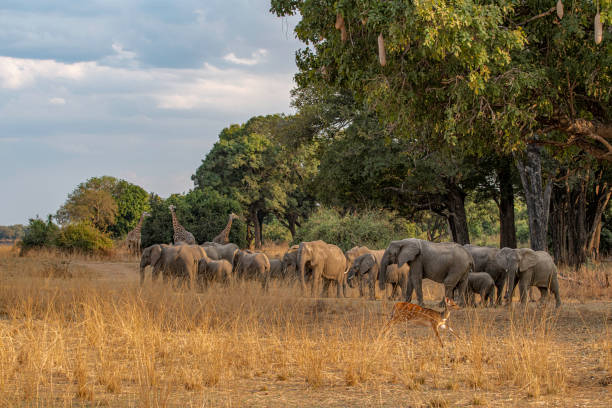
South Luangwa in Zambia: Walking Safaris and Night Drives
South Luangwa National Park in Zambia is one of Africa’s most rewarding wildlife destinations, famous for guided walking safaris, exciting night game drives and remarkable concentrations of animals along the Luangwa River. Located in eastern Zambia, the park offers visitors an opportunity to explore African wilderness beyond traditional vehicle-based safaris.
Unlike many national parks where visitors remain inside safari vehicles, South Luangwa is celebrated for its walking safari tradition. Experienced guides introduce travellers to animal tracks, birds, insects, plants and the smaller details of the African bush.
After sunset, authorised night drives reveal another side of the wilderness, with opportunities to observe leopards, hyenas, bushbabies and other nocturnal animals.
For wildlife photographers, adventurous travellers and nature enthusiasts, South Luangwa provides an unforgettable safari experience.
Where Is South Luangwa National Park?
South Luangwa National Park lies in Zambia’s Eastern Province, within the Luangwa Valley.
The park covers approximately 9,050 square kilometres and protects extensive woodland, grasslands, lagoons and riverine habitats.
Mfuwe is the main tourism gateway, with an airport, safari lodges and access to the park.
Quick Facts About South Luangwa
| Feature | Description |
|---|---|
| Country | Zambia |
| Region | Eastern Province |
| Park size | Approximately 9,050 km² |
| Established | 1972 |
| Main river | Luangwa River |
| Main activities | Walking safaris and night drives |
| Famous predator | Leopard |
| Special wildlife | Thornicroft’s giraffe |
| Main gateway | Mfuwe |
| Recommended stay | 3–4 nights |
| Best safari period | June–October |
Why Is South Luangwa Famous?
South Luangwa is widely recognised as one of Africa’s leading walking safari destinations.
The park helped popularise guided walking safaris through the work of conservationist Norman Carr.
Today, visitors can experience the wilderness through carefully managed walks, daytime game drives and permitted night excursions.
Its relatively undisturbed landscapes and diverse wildlife make it particularly attractive to experienced safari travellers.
The Luangwa River: Heart of the Park
The Luangwa River supports much of South Luangwa’s wildlife.
It flows through a landscape containing oxbow lagoons, floodplains, woodlands and seasonal wetlands.
Why Is the River Important?
During the dry season, animals gather near remaining water sources.
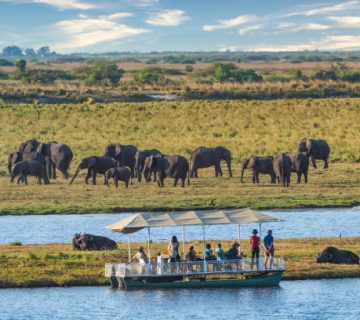
Elephants visit the river to drink and bathe.
Hippopotamuses occupy deeper pools.
Crocodiles rest along suitable riverbanks.
The river also attracts numerous birds, making it an important location for wildlife photography.
Walking Safaris in South Luangwa
Walking safaris are among the park’s most distinctive experiences.
Unlike game drives, where visitors observe animals from vehicles, guided walks focus on understanding the environment at ground level.
What Happens During a Walking Safari?
Visitors follow an experienced safari guide and an armed wildlife scout.
The group moves quietly through designated wilderness areas.
Guides explain animal tracks, dung, plants, insects and bird calls.
Large mammals may occasionally be encountered, but walking safaris are not designed to approach dangerous animals closely.
Why Choose a Walking Safari?
Walking creates a stronger awareness of the surrounding environment.
Visitors notice details that are easily missed during vehicle safaris.
Walking Safari Highlights
| Experience | What visitors learn |
|---|---|
| Animal tracks | Identifying wildlife movements |
| Bird calls | Recognising different species |
| Plants | Understanding ecological relationships |
| Insects | Discovering smaller wildlife |
| Animal dung | Identifying feeding habits |
| Landscape features | Understanding habitats |
A walking safari is particularly rewarding for travellers interested in conservation and natural history.
Are Walking Safaris Safe?
Walking among wild animals involves unavoidable risks.
South Luangwa’s walking safaris therefore operate under strict guiding procedures.
Essential Safety Rules
Follow the guide’s instructions.
Remain with your group.
Never run towards or away from wildlife.
Avoid sudden movements.
Do not approach animals independently.
Remain quiet during wildlife encounters.
Qualified guides assess animal behaviour and determine appropriate distances.
How Long Are Walking Safaris?
Walking safari durations vary according to the operator and itinerary.
Short guided excursions may last two or three hours.
Longer wilderness programmes can involve several days of walking between camps.
Walking Safari Options
| Experience | Typical duration |
|---|---|
| Short nature walk | 2–3 hours |
| Morning walking safari | 3–4 hours |
| Extended bush walk | Half-day |
| Multi-day walking safari | 3–5 days or longer |
Multi-day programmes generally require suitable fitness and advance booking.
Night Game Drives in South Luangwa
South Luangwa is particularly famous for its authorised night game drives.
These excursions allow visitors to observe animals that are difficult to see during daylight.
Most night drives begin in the late afternoon and continue after sunset.
What Happens During a Night Drive?
Visitors travel in a safari vehicle with an experienced guide.
A trained spotlight operator may help locate nocturnal wildlife.
The guide explains animal behaviour and identifies species encountered along the route.
Night excursions follow park regulations and approved operating hours.
Wildlife Seen During Night Drives
Some animals become more active after sunset, especially predators and smaller nocturnal mammals.
Possible Night Sightings
| Animal | Why it is interesting |
|---|---|
| Leopard | Often active after dark |
| Spotted hyena | Hunting and scavenging |
| Bushbaby | Small nocturnal primate |
| African civet | Secretive nocturnal mammal |
| Genet | Agile, spotted carnivore |
| Porcupine | Large nocturnal rodent |
| Lion | May become active at night |
| Nightjar | Camouflaged nocturnal bird |
Sightings depend on wildlife movements and cannot be guaranteed.
Leopards: South Luangwa’s Famous Predators
South Luangwa is particularly well known for leopard sightings.
These powerful cats inhabit woodland, riverine forests and areas containing suitable hunting opportunities.
Why Are Leopards Seen Here?
The park provides prey, vegetation cover and extensive natural habitats.
Leopards may rest in trees during daylight and become more active after sunset.
Night drives offer opportunities to observe their movements.
However, responsible guides avoid disturbing animals with excessive spotlighting.
Lions and Spotted Hyenas
Lions are another important predator in South Luangwa.
They may be observed resting, travelling or hunting across suitable habitats.
Spotted hyenas are also common within the wider ecosystem.
Predator Behaviour
Lions often become more active during cooler periods.
Hyenas communicate through distinctive calls and maintain complex social groups.
Visitors may hear predator vocalisations around safari camps at night.
Always follow camp safety instructions.
Elephants and Buffalo Herds
South Luangwa supports impressive populations of elephants and African buffalo.
Large herds frequently move between feeding areas and water sources.
Best Viewing Opportunities
During dry months, wildlife often gathers near rivers and lagoons.
Elephants may cross sandy riverbeds.
Buffalo herds graze in open areas before returning towards water.
Visitors should remain inside vehicles unless guides specifically authorise walking.
Thornicroft’s Giraffe
Thornicroft’s giraffe is one of the Luangwa Valley’s distinctive wildlife attractions.
Traditionally recognised as a geographically restricted giraffe form, it occurs in this part of Zambia.
What Makes It Special?
These giraffes have attractive coat patterns and tall, elegant bodies.
They commonly feed on leaves from trees and shrubs.
Their long necks allow them to reach vegetation unavailable to many other herbivores.
South Luangwa offers excellent opportunities to photograph them.
Hippopotamuses and Crocodiles
The Luangwa River contains important populations of hippopotamuses and Nile crocodiles.
River Wildlife
Hippos spend much of the day in water and often leave their pools to graze at night.
Crocodiles may rest along exposed riverbanks.
Visitors should never approach either species on foot without professional guidance.
Swimming in the river is unsafe.
Birdwatching in South Luangwa
South Luangwa supports more than 400 recorded bird species.
The park’s combination of woodland, wetlands and open habitats attracts resident and migratory birds.
Birds Worth Looking For
| Bird | Typical habitat |
|---|---|
| African fish eagle | Riverbanks |
| Southern carmine bee-eater | Sandy riverbanks |
| Saddle-billed stork | Wetlands |
| African jacana | Shallow water |
| Lilac-breasted roller | Open woodland |
| Ground hornbill | Grasslands |
| Pel’s fishing owl | Riverine forest |
Birdwatching is rewarding throughout the year.
Southern Carmine Bee-Eaters
Southern carmine bee-eaters are among South Luangwa’s most colourful seasonal birds.
They may nest in large colonies along suitable sandy riverbanks.
Their bright red and turquoise plumage creates impressive photographic opportunities.
Visitors should remain at appropriate distances from nesting colonies.
Best Time to Visit South Luangwa
The dry season, generally May to October, offers excellent wildlife viewing.
Vegetation becomes thinner and animals concentrate around remaining water sources.
Seasonal Safari Guide
| Period | General experience |
|---|---|
| January–March | Green landscapes and birdwatching |
| April–May | Transition towards dry season |
| June–August | Comfortable temperatures |
| September–October | Concentrated wildlife, increasing heat |
| November–December | Early rains and green vegetation |
Some remote camps close during the wet season because roads become difficult to use.
How to Reach South Luangwa
Mfuwe is the main entry point.
Travellers commonly arrive by domestic flight from Lusaka or road transfer through Chipata.
Transport Options
| Route | Transport |
|---|---|
| Lusaka to Mfuwe | Domestic flight |
| Chipata to Mfuwe | Road transfer |
| Mfuwe to safari lodges | Lodge vehicle |
| Internal park travel | Guided safari vehicle |
Transfers should be arranged before arrival, particularly for remote camps.
Where to Stay in South Luangwa
Accommodation ranges from comfortable safari lodges to intimate bush camps.
Some properties overlook the Luangwa River, while others operate in quieter wilderness areas.
Accommodation Choices
Riverfront lodges offer convenient access to wildlife viewing.
Bush camps provide smaller-group experiences and specialised walking safaris.
Luxury lodges may include meals, guiding and transfers.
Ask whether park fees and activities are included in the quoted price.
Suggested Three-Day South Luangwa Safari
Day One: Arrival and Night Drive
Arrive in Mfuwe and transfer to your lodge.
Relax before an afternoon game drive.
Continue after sunset on an authorised night excursion.
Day Two: Walking Safari
Join an early guided walking safari.
Learn about tracks, plants and animal behaviour.
Return to camp for lunch and relaxation.
Enjoy another afternoon wildlife activity.
Day Three: Game Drive and Departure
Begin with a morning game drive.
Search for elephants, giraffes and predators.
Return for breakfast before transferring to Mfuwe.
What to Pack for South Luangwa
Carry neutral-coloured clothing, comfortable walking shoes and lightweight layers.
Early mornings may be cold, particularly during the dry season.
Recommended essentials include binoculars, sunscreen, insect repellent, a sun hat and a camera.
Avoid brightly coloured clothing during walking safaris.
Responsible Safari Tourism
South Luangwa’s wilderness depends on effective conservation and responsible tourism.
Visitors should respect wildlife viewing distances.
Never feed animals or leave litter.
Choose operators who support local communities and responsible guiding practices.
Avoid demanding close approaches to predators or other dangerous wildlife.
Why South Luangwa Is Worth Visiting
South Luangwa National Park offers one of Africa’s most memorable combinations of walking safaris and night game drives.
Its rich wildlife, beautiful river landscapes and experienced guiding traditions create opportunities to understand the African bush in remarkable detail.
Walking safaris reveal tracks, plants and smaller animals, while night drives introduce secretive predators and nocturnal wildlife.
For travellers seeking an authentic Zambian safari, South Luangwa provides an exceptional wilderness experience.

No comment