
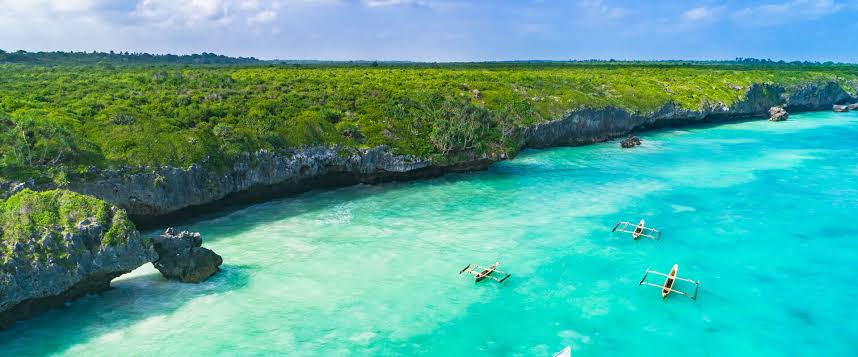
Tanga and Pangani: Slow Coastal Travel in Northern Tanzania
Tanga and Pangani in northern Tanzania offer a peaceful coastal experience, combining historic Swahili towns, quiet Indian Ocean beaches, traditional fishing communities and beautiful natural attractions. Unlike the busy resorts of Zanzibar and the crowded streets of Dar es Salaam, this part of Tanzania’s coastline is ideal for travellers who prefer relaxed journeys and authentic cultural encounters.
Tanga is a historic port city with colonial architecture, markets, limestone caves and attractive waterfront scenery. Farther south, Pangani is a smaller coastal town famous for its river, historic buildings and peaceful beaches.
Together, these destinations provide opportunities to explore East African maritime history, enjoy seafood, discover traditional villages and experience a slower rhythm of coastal life.
Where Are Tanga and Pangani Located?
Tanga lies on Tanzania’s northeastern coastline, near the border with Kenya.
Pangani is approximately 50 kilometres south of Tanga, at the mouth of the Pangani River.
Both destinations belong to Tanga Region and are accessible by road from Dar es Salaam, Moshi and Arusha.
Quick Facts About Tanga and Pangani
| Feature | Tanga | Pangani |
|---|---|---|
| Country | Tanzania | Tanzania |
| Region | Tanga | Tanga |
| Main attraction | Historic port city | Swahili coastal town |
| Popular activities | City walks and cave tours | Beaches and river trips |
| Nearby attraction | Amboni Caves | Ushongo Beach |
| Cultural heritage | Swahili and colonial | Swahili and trading history |
| Recommended stay | 1–2 nights | 2–3 nights |
Why Visit Tanzania’s Northern Coast?
Northern Tanzania’s coastline offers a different experience from the country’s famous national parks.
Visitors can explore historic settlements without rushing between attractions.
Small fishing boats, coconut palms and traditional buildings create a welcoming coastal atmosphere.
The region also provides opportunities to understand how Indian Ocean trade influenced local communities over centuries.
For travellers interested in history, nature and quiet beaches, Tanga and Pangani are rewarding alternatives to larger tourist destinations.
Exploring Historic Tanga City
Tanga is one of Tanzania’s important historic port cities.
Its development was influenced by maritime trade, German colonial administration and later British rule.
The city remains an active commercial centre, but its atmosphere is generally quieter than Dar es Salaam.
What Makes Tanga Interesting?
Visitors can explore older streets, traditional markets and waterfront neighbourhoods.
Some buildings retain architectural features associated with colonial-era development.
Tanga’s port continues to connect the city with maritime activities and regional commerce.
A guided city walk helps explain how trade shaped its development.
Tanga’s Colonial Architecture
German administration influenced Tanga’s urban planning and public buildings during the late nineteenth and early twentieth centuries.
Several historic structures remain around the city centre.
Architectural Features
Visitors may notice old administrative buildings, verandas, historic railway structures and traditional commercial premises.
These buildings reveal different periods of urban development.
However, colonial history should also be understood through its effects on local communities, labour and trade.
Amboni Caves: Tanga’s Underground Attraction
Amboni Caves are among the most interesting natural attractions near Tanga.
Located approximately eight kilometres from the city centre, the caves contain impressive limestone formations and interconnected passages.
Exploring the Caves
Guided visits introduce travellers to underground chambers, rock formations and local cultural stories.
Some passages are narrow or uneven.
Visitors should wear suitable shoes and follow their guide’s instructions.
The caves also hold spiritual importance for some local communities.
Tongoni Ruins: Discovering Swahili History
Tongoni Ruins lie south of Tanga, near the coast.
The archaeological site preserves remains of an early Swahili settlement associated with Indian Ocean trade.
What Can Visitors See?
The ruins include historic mosques, tombs and stone structures.
Some burial monuments contain decorative elements associated with Islamic coastal traditions.
Guides explain the settlement’s history and its connections with regional trading networks.
Tongoni makes an interesting stop when travelling between Tanga and Pangani.
Tanga’s Coastal Islands
Several islands and coastal habitats lie around Tanga Bay.
Toten Island is among the area’s better-known historical and natural attractions.
Exploring Toten Island
Guided boat excursions may introduce visitors to coastal vegetation, old ruins and traditional maritime history.
Large baobab trees create distinctive scenery.
Boat trips depend on weather and local arrangements.
Visitors should use authorised operators and properly fitted life jackets.
Travelling From Tanga to Pangani
The journey south towards Pangani passes through coastal settlements, agricultural areas and attractive rural scenery.
The distance between the towns is approximately 50 kilometres, although actual driving routes may be longer.
Transport Options
| Transport | Suitable travellers |
|---|---|
| Private vehicle | Flexible sightseeing |
| Local bus | Budget travellers |
| Taxi | Direct transfers |
| Guided coastal tour | Cultural exploration |
| Four-wheel-drive vehicle | Extended coastal itineraries |
Road conditions and journey times vary.
Travellers should confirm current transport arrangements before departure.
Pangani: A Quiet Swahili Coastal Town
Pangani stands near the mouth of the Pangani River, where freshwater meets the Indian Ocean.
The town developed through centuries of regional and overseas trade.
Its historic streets preserve traces of Swahili, Arab, German and British influences.
Why Pangani Is Worth Visiting
Pangani offers a relaxed atmosphere with fewer tourists than Tanzania’s major beach destinations.
Visitors can explore historic buildings, observe fishing activities and enjoy peaceful coastal scenery.
The surrounding countryside contains coconut plantations, villages and attractive beaches.
The History of Pangani
Pangani was an important trading centre along the East African coast.
Merchants exchanged goods through networks connecting the interior with Indian Ocean ports.
The town’s history also includes the trafficking of enslaved people, a painful part of the region’s commercial past.
Understanding Its Historical Buildings
Old houses and trading structures reveal changes in architecture and settlement patterns.
Carved doors and other details demonstrate the influence of Swahili coastal craftsmanship.
A knowledgeable guide can explain both the town’s commercial prosperity and its difficult history.
Boat Trips on the Pangani River
The Pangani River flows from the northern Tanzanian highlands towards the Indian Ocean.
Near Pangani town, its estuary provides opportunities for observing coastal vegetation, fishing boats and birds.
What Happens During a River Excursion?
Visitors travel with an experienced local boat operator.
Depending on the route, they may observe mangroves, riverbanks and fishing activities.
Some excursions introduce traditional boatbuilding and local livelihoods.
River trips depend on tides, weather and suitable water conditions.
Discovering Ushongo Beach
Ushongo Beach lies south of Pangani and is among the area’s most attractive coastal destinations.
Its long sandy shoreline, coconut palms and relatively quiet surroundings appeal to travellers seeking relaxation.
Activities at Ushongo
Visitors can enjoy beach walks, photography and time at small coastal lodges.
Suitable operators may arrange snorkelling, fishing or boat excursions.
Swimming conditions depend on tides, currents and local hazards.
Always ask for current advice before entering unfamiliar water.
Maziwe Island Marine Reserve
Maziwe Island Marine Reserve lies offshore from Pangani.
It is known for coral reefs, marine wildlife and a sandbank that becomes exposed during suitable tidal conditions.
Why Visit Maziwe?
Snorkelling excursions may reveal colourful reef fish and coral formations.
The island’s changing appearance makes it particularly interesting.
However, the sandbank is not permanently exposed.
Visits require careful planning around tides and weather.
Marine conservation regulations must be respected.
Snorkelling Along the Northern Coast
Tanga and Pangani offer access to several coastal reef environments.
Snorkelling trips can be arranged through suitable operators.
Marine Wildlife
| Marine life | Possible experience |
|---|---|
| Butterflyfish | Colourful reef fish |
| Parrotfish | Reef grazing |
| Sea turtles | Occasional encounters |
| Reef corals | Underwater formations |
| Sea urchins | Rocky reef habitats |
| Coastal birds | Shoreline observation |
Never touch coral or disturb marine animals.
Traditional Fishing Communities
Fishing remains an important livelihood along Tanzania’s northern coast.
Early mornings provide opportunities to observe boats returning with catches.
Responsible Community Experiences
Visitors may learn about fishing equipment, boatbuilding and seafood preparation.
Always request permission before photographing people.
Avoid interfering with working fishermen.
Supporting locally owned restaurants and guides contributes to community tourism.
Swahili Food in Tanga and Pangani
Coastal cuisine reflects African, Arabian and Indian influences.
Fresh seafood, coconut milk, rice and aromatic spices are common ingredients.
Foods Worth Trying
| Dish | Description |
|---|---|
| Samaki wa kupaka | Fish with coconut sauce |
| Pilau | Aromatic spiced rice |
| Mishkaki | Grilled meat skewers |
| Octopus curry | Seafood prepared with spices |
| Chapati | Traditional flatbread |
| Mahamri | Sweet fried bread |
Small local restaurants often provide memorable meals.
Best Time to Visit Tanga and Pangani
The coast has a warm tropical climate throughout the year.
June to October generally provides comfortable conditions for sightseeing.
January and February can also be suitable for beach holidays.
Seasonal Travel Guide
| Period | General conditions |
|---|---|
| January–February | Hot, often relatively dry |
| March–May | Increased rainfall |
| June–October | Generally comfortable |
| November–December | Warm with variable rainfall |
Ocean activities depend on wind, waves and tides.
Accommodation in Tanga and Pangani
Tanga offers city hotels, guesthouses and selected coastal properties.
Pangani and Ushongo provide smaller beachfront lodges and relaxed accommodation.
Choosing Where to Stay
Tanga is convenient for historic attractions, caves and city services.
Pangani is better for peaceful coastal experiences.
Ushongo suits visitors seeking beach relaxation.
Booking ahead is recommended when travelling during holidays.
Suggested Three-Day Coastal Itinerary
Day One: Historic Tanga
Explore Tanga’s city centre.
Visit Amboni Caves with an authorised guide.
Enjoy seafood and waterfront scenery.
Day Two: Tongoni and Pangani
Travel south towards Pangani.
Visit Tongoni Ruins.
Explore Pangani’s historic streets and riverfront.
Day Three: Ushongo Beach
Enjoy the peaceful coastline.
Arrange a suitable boat excursion or snorkelling trip.
Relax before continuing your Tanzania journey.
Combining Pangani With Saadani National Park
Saadani National Park lies farther south along Tanzania’s coastline.
It offers wildlife game drives, Wami River excursions and Indian Ocean scenery.
Travellers can connect Pangani with Saadani using suitable road routes and the Pangani River ferry.
However, rough roads and seasonal conditions require careful planning.
Responsible Coastal Tourism
Tanga and Pangani contain important cultural and marine environments.
Visitors should respect historic buildings and religious customs.
Avoid littering on beaches.
Never damage coral reefs.
Support responsible boat operators and local businesses.
Community participation helps preserve coastal heritage.
Why Tanga and Pangani Are Worth Visiting
Tanga and Pangani offer an enjoyable introduction to Tanzania’s quieter northern coastline.
Historic streets, limestone caves, traditional fishing communities and peaceful beaches provide experiences that differ from busy resort destinations.
The region is particularly attractive to travellers who appreciate culture, photography, seafood and unhurried journeys.
For visitors seeking authentic Swahili coastal experiences, Tanga and Pangani provide a memorable combination of history, natural beauty and relaxed Indian Ocean travel.







No comment