
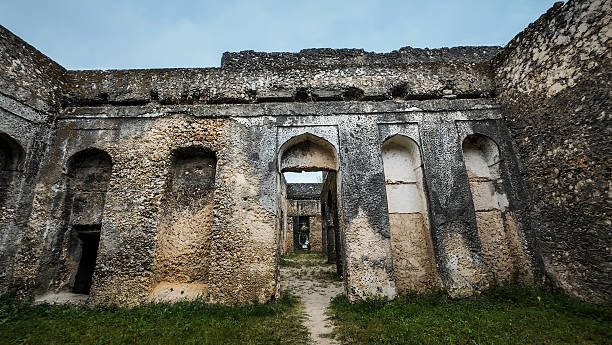
Kilwa Kisiwani Ruins: Visiting a UNESCO Swahili Trading City
Kilwa Kisiwani Ruins in Tanzania offer one of East Africa’s most fascinating historical experiences, revealing the remains of a powerful Swahili trading city that once dominated important Indian Ocean commercial routes. Located on an island off Tanzania’s southern coastline, Kilwa Kisiwani preserves magnificent coral-stone mosques, ancient palaces, historic fortifications and evidence of centuries of international trade.
Unlike ordinary archaeological attractions, Kilwa Kisiwani allows visitors to walk through the remains of a once-prosperous coastal city. Its buildings tell stories of African merchants, Islamic architecture, wealthy rulers and trading connections extending to Arabia, Persia, India and China.
Recognised as a UNESCO World Heritage Site in 1981, Kilwa Kisiwani is particularly rewarding for travellers interested in African history, architecture and Swahili culture.
Where Is Kilwa Kisiwani Located?
Kilwa Kisiwani lies on an island off the coast of southern Tanzania, within Kilwa District in Lindi Region.
The main mainland gateway is Kilwa Masoko, where visitors arrange boats and authorised guides.
The wider area lies approximately 300 kilometres south of Dar es Salaam.
Quick Facts About Kilwa Kisiwani
| Feature | Description |
|---|---|
| Country | Tanzania |
| Region | Lindi |
| District | Kilwa |
| Location | Kilwa Kisiwani Island |
| Historical importance | Swahili trading city |
| Main period of prosperity | 13th–14th centuries |
| UNESCO designation | 1981 |
| Famous monument | Great Mosque |
| Main palace | Husuni Kubwa |
| Access | Guided boat excursion |
| Recommended visit | Half-day |
Why Is Kilwa Kisiwani Important?
Kilwa Kisiwani was among the wealthiest and most influential trading cities along the East African coast.
Its merchants participated in extensive commercial networks connecting inland Africa with Indian Ocean destinations.
Gold, ivory and other products moved through regional trading systems, while imported goods included ceramics, textiles and luxury items.
A Powerful Swahili City
Kilwa’s prosperity supported impressive buildings and sophisticated urban development.
Local rulers controlled commercial activities and maintained relationships with foreign merchants.
The settlement also became an important centre of Islamic learning and Swahili coastal culture.
Its surviving ruins demonstrate that East African societies developed complex cities and international commercial connections long before European colonial rule.
The History of Kilwa Kisiwani
Archaeological evidence indicates that Kilwa Kisiwani was occupied from approximately the ninth century onwards.
The settlement expanded as Indian Ocean trade increased.
By the thirteenth and fourteenth centuries, Kilwa had become a major commercial centre.
The Kilwa Sultanate
Kilwa developed into an influential sultanate governed by Muslim rulers.
Its commercial prosperity supported monumental architecture, including mosques, palaces and defensive structures.
The city also produced its own coins, demonstrating the sophistication of its economy.
Gold Trade and Indian Ocean Commerce
Gold was particularly important to Kilwa’s historical prosperity.
Trading networks connected the East African coast with gold-producing areas farther inland, including regions associated with present-day Zimbabwe.
Goods Traded Through Kilwa
| Exported products | Imported products |
|---|---|
| Gold | Chinese porcelain |
| Ivory | Persian ceramics |
| Other regional commodities | Textiles |
| Locally produced goods | Perfumes |
| Marine products | Decorative materials |
These exchanges connected communities across the Indian Ocean.
The Great Mosque of Kilwa
The Great Mosque is among Kilwa Kisiwani’s most impressive surviving monuments.
Its earliest major construction dates to the eleventh century, with substantial additions during the thirteenth and fourteenth centuries.
What Makes the Mosque Special?
The building contains remarkable coral-stone columns, arches, domes and vaulted spaces.
Its architecture demonstrates the creativity of Swahili builders.
The mosque is considered one of the oldest surviving monumental mosques on the East African coast.
Visitors can admire its design while learning about Islam’s historical influence in coastal Tanzania.
Husuni Kubwa Palace
Husuni Kubwa is one of the most extraordinary archaeological structures at Kilwa Kisiwani.
The palace was constructed during the early fourteenth century, when the city was experiencing considerable prosperity.
Its remains occupy a prominent coastal location.
Exploring the Palace
The complex once contained numerous rooms, courtyards and impressive architectural features.
One particularly unusual element is an octagonal bathing pool.
The palace’s scale reflects the wealth and political ambitions of Kilwa’s rulers.
Today, visitors can explore accessible sections while imagining life within this historic royal residence.
Husuni Ndogo
Husuni Ndogo is another important archaeological structure on Kilwa Kisiwani.
Although smaller than Husuni Kubwa, its surviving remains provide additional evidence of the island’s architectural development.
Understanding Its Purpose
Researchers have suggested different functions for the structure, including possible defensive or storage uses.
Its precise historical role remains debated.
A knowledgeable guide can explain the archaeological interpretations without presenting uncertain theories as established facts.
The Gereza Fort
The Gereza is one of Kilwa’s most recognisable monuments.
The site contains remains associated with Portuguese fortification, later modified during subsequent periods.
The name Gereza is associated with its later use as a prison.
Why Was the Fort Built?
Portuguese forces arrived in the region during their expansion into Indian Ocean trade.
They sought greater control over important coastal ports.
Fortifications helped support military occupation and commercial ambitions.
The Gereza demonstrates how Kilwa’s political circumstances changed during the sixteenth century.
Portuguese Arrival and Kilwa’s Decline
Portuguese forces occupied Kilwa in 1505.
Their intervention disrupted established political and commercial relationships.
However, the city’s decline resulted from several developments, including shifting trade patterns and regional competition.
What Happened Afterwards?
Kilwa continued to experience occupation and commercial activity under different authorities.
Its prominence gradually diminished compared with earlier centuries.
Today, the surviving structures provide evidence of the city’s changing fortunes.
The Famous Visit of Ibn Battuta
The Moroccan traveller Ibn Battuta visited Kilwa during his journey along the East African coast in 1331–1332.
He described the city as exceptionally beautiful.
Why His Account Matters
His observations provide valuable written evidence about medieval Kilwa.
They complement archaeological discoveries and demonstrate the city’s international reputation.
The accounts also help historians understand coastal society during its period of greatest prosperity.
UNESCO World Heritage Recognition
Kilwa Kisiwani and neighbouring Songo Mnara were jointly inscribed on UNESCO’s World Heritage List in 1981.
The recognition highlights their importance in understanding Swahili civilisation and Indian Ocean trade.
Why UNESCO Protection Matters
These archaeological landscapes contain fragile buildings that are vulnerable to erosion, vegetation and coastal weather.
Conservation helps protect the remaining structures.
The sites were placed on the World Heritage in Danger List in 2004 and removed in 2014 following conservation improvements.
Visiting Songo Mnara
Songo Mnara is another important historic island near Kilwa Kisiwani.
Its ruins preserve evidence of a Swahili settlement containing mosques, houses, courtyards and public spaces.
Why Visit Both Islands?
Kilwa Kisiwani is especially impressive for its monumental structures.
Songo Mnara provides additional insight into everyday urban life.
Combining both destinations creates a more complete understanding of medieval Swahili civilisation.
Separate boat arrangements and sufficient visiting time may be required.
How to Reach Kilwa Kisiwani
Travellers commonly begin their journey in Dar es Salaam.
They travel south by road towards Kilwa Masoko before arranging a boat to the island.
Transport Options
| Transport | Experience |
|---|---|
| Private vehicle | Flexible mainland journey |
| Public bus | Budget transport to Kilwa |
| Guided transfer | Organised cultural excursion |
| Local boat | Island access |
Road conditions and traffic affect travel times.
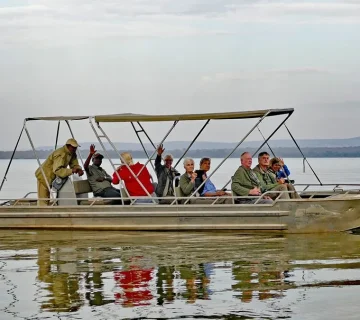
Boat Trips to Kilwa Kisiwani
The island is reached by boat from Kilwa Masoko.
Crossing times depend on departure points, tides and weather.
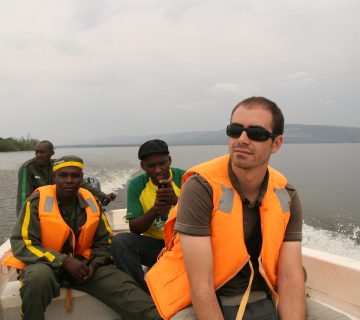
Important Boat Safety
Choose authorised operators.
Wear a properly fitted life jacket.
Avoid overcrowded boats.
Confirm the return journey before departure.
Strong winds and rough water may affect excursions.
Entrance Fees and Guided Tours
Visitors must arrange the appropriate archaeological-site permit and authorised guiding.
The Antiquities Office or visitor information facilities in Kilwa Masoko can help coordinate arrangements.
Planning Information
| Item | Recommendation |
|---|---|
| Entry permit | Obtain before visiting |
| Local guide | Required |
| Boat transfer | Arrange through authorised operators |
| Visit duration | Approximately 3–5 hours |
| Photography | Respect site regulations |
| Payment | Confirm current charges |
Fees vary according to visitor arrangements and may change.
Best Time to Visit Kilwa Kisiwani
Kilwa experiences a warm coastal climate.
Relatively dry months generally provide more comfortable walking and boating conditions.
June to October is often convenient.
Seasonal Visiting Guide
| Period | General conditions |
|---|---|
| January–March | Warm and often humid |
| April–May | Increased rainfall |
| June–October | Generally more comfortable |
| November–December | Variable rainfall |
Morning excursions help visitors avoid the strongest afternoon heat.
What to Bring
The archaeological ruins contain uneven paths, exposed stones and limited shade.
Recommended items include comfortable walking shoes, drinking water, sunscreen, a hat and a camera.
Visitors should also carry suitable identification and permit information.
Modest clothing is recommended because several monuments have religious significance.
Suggested Half-Day Kilwa Kisiwani Itinerary
Morning: Boat Transfer
Travel from Kilwa Masoko to the island.
Meet your guide and receive an introduction to the settlement.
Historic Monuments
Explore the Great Mosque, Gereza and other accessible structures.
Continue towards Husuni Kubwa if included in the agreed walking route.
Afternoon: Return
Enjoy views of the surrounding coastline.
Return by boat to Kilwa Masoko.
Travellers may continue exploring local cultural attractions.
Responsible Heritage Tourism
Kilwa Kisiwani is an important archaeological landscape and a living community.
Visitors should avoid climbing fragile structures.
Never remove stones or archaeological objects.
Respect mosques, burial grounds and religious practices.
Ask permission before photographing residents.
Support local guides and community-owned businesses.
Why Kilwa Kisiwani Is Worth Visiting
Kilwa Kisiwani offers one of Tanzania’s most remarkable historical experiences.
Its coral-stone mosques, magnificent palaces and Portuguese-era fortifications reveal centuries of African urban development and international trade.
The ruins demonstrate the sophistication of Swahili civilisation and the importance of East Africa within the medieval Indian Ocean economy.
For travellers interested in archaeology, architecture and coastal culture, Kilwa Kisiwani provides an unforgettable journey into Tanzania’s extraordinary past.





No comment