
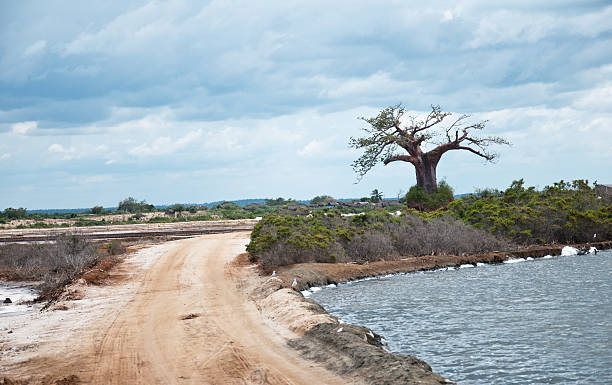
Saadani National Park: Safari and Beach in One Park
Saadani National Park in Tanzania offers one of East Africa’s most unusual wildlife experiences, combining traditional African game drives with the beautiful beaches of the Indian Ocean. Located along Tanzania’s northern coastline, the park is famous for its elephants, giraffes, buffaloes, river wildlife and peaceful coastal landscapes.
Unlike the Serengeti and Ruaha, where visitors explore inland savannahs, Saadani allows travellers to enjoy a wildlife safari and relax beside the ocean within the same protected area.
Imagine spending the morning searching for elephants and antelopes before enjoying the afternoon beneath coconut palms overlooking the sea. This combination makes Saadani particularly attractive to couples, families and travellers seeking a quieter Tanzanian safari.
Where Is Saadani National Park Located?
Saadani lies along Tanzania’s Indian Ocean coastline, between Dar es Salaam and Tanga.
The park protects approximately 1,100 square kilometres of grassland, woodland, coastal forest, mangroves and beach habitats.
Its location provides access from Dar es Salaam, Bagamoyo, Tanga and Zanzibar through suitable transport arrangements.
Quick Facts About Saadani
| Feature | Description |
|---|---|
| Country | Tanzania |
| Region | Coastal Tanzania |
| Park size | Approximately 1,100 km² |
| National park status | 2005 |
| Main attraction | Safari and beach experiences |
| Main river | Wami River |
| Famous wildlife | Elephants, giraffes and buffaloes |
| Marine wildlife | Green sea turtles |
| Main activities | Game drives and boat safaris |
| Recommended stay | Two to three nights |
Why Is Saadani National Park Special?
Saadani is distinguished by its combination of terrestrial and marine habitats.
Its protected coastline meets woodland, grassland and river ecosystems.
Visitors can explore wildlife habitats in the morning and spend the afternoon enjoying ocean scenery.
The park also receives relatively few tourists compared with Tanzania’s famous northern safari destinations.
This makes it appealing to travellers who prefer peaceful surroundings and uncrowded game drives.
The History of Saadani National Park
Saadani was originally protected as a game reserve during the 1960s.
The protected area was later expanded and upgraded to national park status in 2005.
Its establishment aimed to conserve wildlife, coastal forests and important marine habitats.
Historical Importance
The nearby Saadani settlement was once associated with Indian Ocean trading activities.
Swahili coastal communities maintained connections with merchants travelling between East Africa and other Indian Ocean regions.
Today, remnants of historical buildings provide evidence of this trading heritage.
Wildlife Found in Saadani
Saadani supports an interesting variety of mammals.
However, wildlife concentrations are generally lower than in the Serengeti or Ngorongoro.
Visitors should approach game drives with patience and an appreciation for the surrounding landscape.
Animals Visitors May Encounter
| Animal | Typical habitat |
|---|---|
| African elephant | Woodland and grassland |
| African buffalo | Open plains |
| Maasai giraffe | Woodland and savannah |
| Lion | Grassland and bushland |
| Leopard | Dense vegetation |
| Warthog | Open grassland |
| Waterbuck | River habitats |
| Greater kudu | Woodland |
| Yellow baboon | Forest and bushland |
Wildlife sightings depend on the season, habitat and animal movements.
Elephants Near the Indian Ocean
Elephants are among Saadani’s most memorable animals.
They move through woodland, grassland and other suitable habitats within the protected landscape.
Can You See Elephants on the Beach?
Elephants occasionally move through coastal areas, creating unusual wildlife scenes.
However, such encounters are uncommon and should never be expected during an ordinary visit.
Most elephant sightings occur during game drives away from the shoreline.
Visitors should maintain safe distances and avoid disturbing the animals.
Game Drives in Saadani
Game drives provide opportunities to explore the park’s varied landscapes.
Safari vehicles travel through open plains, wooded areas and suitable wildlife-viewing routes.
Best Time for Game Drives
Early morning is generally rewarding because temperatures are cooler.
Animals may be active before the strongest sunshine.
Late afternoon can also provide interesting wildlife encounters.
A knowledgeable guide helps identify animal tracks, habitats and signs of wildlife activity.
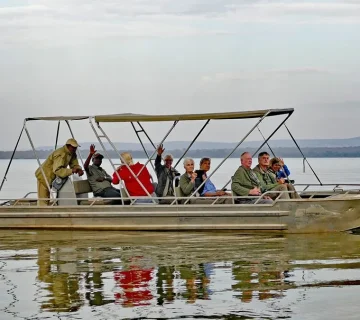
Boat Safaris on the Wami River
The Wami River is one of Saadani’s greatest natural attractions.
It flows through the southern park landscape towards the Indian Ocean.
Guided boat excursions introduce visitors to riverine forests, mangroves and aquatic wildlife.
What Can You See?
Hippopotamuses occupy suitable river habitats.
Nile crocodiles may be observed along the banks.
Kingfishers, herons and other birds search for food around the water.
Boat excursions depend on river conditions and authorised operating arrangements.
Hippos and Crocodiles Along the River
Hippos spend much of the daytime submerged in water.
They may emerge after sunset to feed on surrounding vegetation.
Crocodiles often rest near riverbanks or remain partly submerged.
River Safari Safety
Stay inside the authorised boat.
Wear an appropriate life jacket.
Avoid placing hands or feet in the water.
Never approach hippos or crocodiles independently.
Follow the boat guide’s instructions throughout the excursion.
Exploring Saadani’s Beaches
Saadani’s Indian Ocean coastline provides a relaxing contrast to traditional game drives.
Palm trees, sandy beaches and coastal vegetation create attractive scenery.
Beach Activities
Visitors can enjoy photography, guided shoreline walks and relaxation at suitable accommodation.
Swimming may be possible in approved locations when sea conditions permit.
However, currents, tides and wildlife risks require caution.
Always obtain local safety advice before entering the ocean.
Green Sea Turtle Conservation
Saadani protects important nesting beaches for endangered green sea turtles.
Madete Beach is particularly significant for turtle conservation.
Female turtles occasionally return to suitable beaches to lay eggs.
Protecting Turtle Nests
Sea turtle eggs remain buried beneath the sand until hatching.
Conservation activities help protect nesting habitats from disturbance.
Visitors should never approach nesting turtles without authorisation.
Avoid bright lights, loud noises and walking through marked nesting areas.
Hatchling sightings are seasonal and cannot be guaranteed.
Zaraninge Coastal Forest
Zaraninge Forest is an important woodland habitat within the wider Saadani landscape.
Its dense vegetation supports plants and animals associated with Tanzania’s coastal forests.
Why Visit the Forest?
Guided visits can introduce travellers to indigenous trees, birds and smaller wildlife.
The forest also plays an important role in preserving biodiversity.
Access arrangements should be confirmed with park authorities.
Birdwatching in Saadani
Saadani’s varied habitats make it an interesting destination for birdwatchers.
The park supports woodland birds, waterbirds and coastal species.
Birds to Look For
| Bird | Habitat |
|---|---|
| African Fish Eagle | River environments |
| Pied Kingfisher | Waterways |
| Mangrove Kingfisher | Coastal woodland |
| Goliath Heron | Wetlands |
| African Darter | River habitats |
| Bee-eaters | Open woodland |
| Shorebirds | Coastal beaches |
Early morning and suitable river excursions provide rewarding observation opportunities.
Best Time to Visit Saadani
Saadani can be visited throughout the year, although rainfall affects road conditions and wildlife viewing.
January to February and June to August are generally favourable periods.
Seasonal Safari Guide
| Period | General conditions |
|---|---|
| January–February | Warm, often favourable for safaris |
| March–May | Increased rainfall |
| June–August | Generally good wildlife viewing |
| September–October | Warm, variable conditions |
| November–December | Short rains possible |
Some roads may become difficult or inaccessible after heavy rainfall.
How to Reach Saadani National Park
Travellers can approach Saadani from Dar es Salaam, Tanga or Bagamoyo.
Road distances depend on the selected entrance gate.
Main Access Options
| Route | Approximate distance |
|---|---|
| Dar es Salaam via Bagamoyo to Gama Gate | 131 km |
| Tanga via Pangani to Madete Gate | 146 km |
| Dar es Salaam via Chalinze to Mvave Gate | 225 km |
Road conditions can significantly affect journey times.
Four-wheel-drive transport is recommended for many itineraries.
Charter flights may also use designated park airstrips.
Visiting Saadani From Zanzibar
Zanzibar is located offshore from mainland Tanzania.
Travellers can arrange suitable air or combined sea-and-road transfers.
However, there is no universally convenient direct crossing for every Saadani accommodation.
Planning a Zanzibar Combination
Confirm transfer arrangements before booking.
Check whether your accommodation provides airport or boat connections.
Allow sufficient travel time between destinations.
A combined Saadani and Zanzibar holiday can offer both wildlife and beach relaxation.
Accommodation in Saadani
The park and surrounding coastline offer safari lodges, tented camps and other accommodation.
Some properties overlook the ocean, while others focus on river or wilderness experiences.
Accommodation Choices
| Accommodation | Suitable travellers |
|---|---|
| Beach safari lodge | Couples and families |
| Tented safari camp | Wildlife enthusiasts |
| Coastal guesthouse | Budget-conscious visitors |
| Private safari camp | Small groups |
Confirm whether game drives, boat excursions and park fees are included.
Saadani National Park Entrance Fees
Tanzania National Parks Authority applies conservation fees according to visitor age, nationality and residency.
Fees may also vary according to current regulations.
Possible Additional Charges
| Service | Payment arrangement |
|---|---|
| Park admission | TANAPA conservation fee |
| Safari vehicle | Separate transport charge |
| Boat excursion | Operator or park activity fee |
| Guided walk | Additional guiding charge |
| Accommodation | Depends on property |
Ask your safari operator for an itemised quotation rather than relying on outdated prices.
Suggested Three-Day Saadani Safari
Day One: Arrival and Beach Relaxation
Travel to Saadani and check into accommodation.
Enjoy the coastal surroundings.
Take a guided beach walk where permitted.
Day Two: Game Drive and Wami River
Begin with an early morning game drive.
Search for giraffes, buffaloes, elephants and antelopes.
Enjoy an authorised Wami River boat safari later in the day.
Day Three: Forest and Departure
Explore an approved nature trail or enjoy birdwatching.
Learn about coastal conservation.
Depart for Dar es Salaam, Tanga or another destination.
Responsible Tourism in Saadani
Saadani protects sensitive wildlife, forest and coastal habitats.
Visitors should remain on authorised roads and trails.
Do not feed wildlife.
Avoid disturbing turtle nesting areas.
Never remove shells, plants or marine animals from protected habitats.
Support responsible safari operators and local communities.
Why Saadani National Park Is Worth Visiting
Saadani National Park offers a remarkable combination of African wildlife and Indian Ocean scenery.
Its game drives, Wami River excursions, coastal forests and turtle nesting beaches create varied experiences within one protected landscape.
Although wildlife sightings can require patience, the park rewards visitors with peaceful surroundings and unusual natural beauty.
For travellers seeking a relaxing safari away from crowded destinations, Saadani provides an enjoyable opportunity to experience Tanzania’s wilderness and coastline together.



No comment