
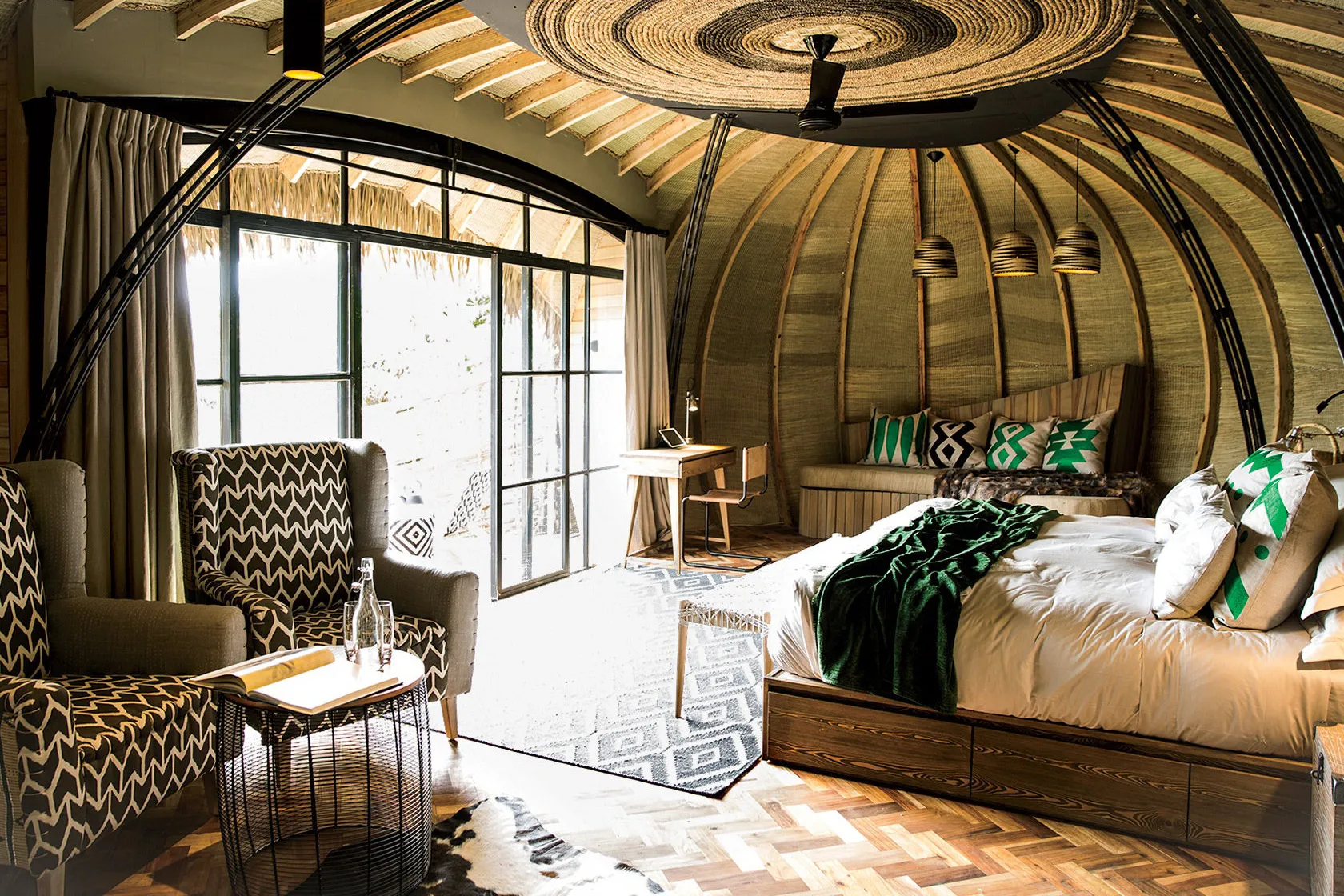
Homestays in Rwanda: Staying With Families Near the Volcanoes
Staying with a local family near Rwanda’s Volcanoes National Park offers a different way to experience the country. Instead of spending every night in a conventional hotel or luxury safari lodge, you can stay in a family home, share freshly prepared meals, learn about Rwandan traditions, and discover the communities that live beneath the Virunga volcanoes.
The Musanze region in northern Rwanda is particularly suitable for this type of accommodation. The town serves as a gateway to Volcanoes National Park, where visitors travel to see endangered mountain gorillas and track golden monkeys. Beyond its wildlife attractions, the region has farming communities, lively markets, traditional food, green hills, and a strong connection to the surrounding volcanic landscape.
Homestays give travellers an opportunity to experience this setting at a more personal level. You might begin the day with a home-cooked breakfast, travel to the park for a guided activity, and return in the evening to share dinner with your hosts. Depending on the family and the accommodation, you may also learn to prepare local dishes, visit a nearby market, participate in cultural activities, or hear stories about life in northern Rwanda.
The experience differs from staying at a large hotel because the people who host you often become an important part of your visit. You can ask questions about everyday life, learn how local families prepare food, and gain a better understanding of the region beyond its famous wildlife attractions.
What Is a Homestay in Rwanda?
A homestay is accommodation provided in a private home or a property closely connected to a local household. Guests usually have their own bedroom, while some areas, such as the dining room, garden, or sitting room, may be shared with the host family.
The facilities depend on the individual property. Some homestays offer private bathrooms, reliable electricity, Wi-Fi, and hot showers. Others provide simpler rooms with shared bathrooms and fewer modern conveniences. Certain hosts live in the same building as their guests, while others use a separate guesthouse within the family compound.
In Rwanda, homestays can introduce visitors to local customs, food, language, and community life. They may be particularly appealing to travellers who want a cultural experience alongside gorilla trekking, hiking, or wildlife viewing.
However, not every property described as a homestay offers the same degree of interaction with a family. Some operate more like small guesthouses, while others actively involve guests in household activities and cultural experiences. Before booking, ask whether the host family lives on the property, whether meals are shared, and which activities can be arranged.
You should also clarify the bathroom arrangements, meal schedule, room privacy, and availability of hot water. These details help you understand what to expect and avoid assuming that every homestay provides hotel-style services.
Why Stay With a Family Near Volcanoes National Park?
Volcanoes National Park attracts visitors from around the world because it protects mountain gorillas and offers opportunities to explore Rwanda’s volcanic landscapes. Many travellers arrive in Musanze for a short stay before or after gorilla trekking, but the surrounding communities offer reasons to spend additional time in the area.
A family homestay allows you to experience northern Rwanda beyond the national park. You can learn about local farming, food preparation, markets, family routines, and the relationship between communities and the surrounding environment.
The location is also practical. Depending on the property, you may be able to reach the park headquarters in Kinigi within a manageable drive. This is useful because gorilla trekking begins with an early morning briefing, and visitors need to arrive at the designated meeting point on time.
Staying with a family can also make your trip more personal. Your host may explain which local foods to try, recommend places to visit, help organise transport, or introduce you to cultural experiences in the area. The services available vary, so agree on arrangements and prices before participating in activities.
For travellers who enjoy meeting people and learning through conversation, the homestay experience can become one of the most memorable parts of a Rwanda visit.
What to Expect When You Arrive
Your arrival will depend on the location and the arrangements made with your host. Some properties can organise a transfer from Kigali or Musanze, while others expect guests to arrange their own transport.
If you are travelling from Kigali International Airport, the drive to Musanze generally takes around two to three hours, depending on traffic, road conditions, and your exact destination. If you are already staying in Musanze, reaching a nearby homestay may require only a short local transfer.
On arrival, your host will usually show you your room and explain how the household operates. You may be introduced to family members, shown where meals are served, and given information about the bathroom, hot water, electricity, and other facilities.
Some homes have shared living spaces where guests can sit with the family, while others provide more independent accommodation. Do not expect every host to follow the same routine. Some families enjoy spending time with guests, while others give visitors more privacy and arrange cultural activities only when requested.
It is helpful to explain your schedule when you arrive, especially if you are planning an early gorilla trek. Your host may need to arrange breakfast at an earlier time or help you organise transport to Kinigi.
If you expect to return late, let the host know in advance. Clear communication makes it easier for everyone to plan meals, transport, and access to the property.
Family Life and Cultural Exchange
One of the main reasons travellers choose homestays is the opportunity to learn about local life directly from the people who live in the region.
Daily activities differ from one household to another. You may have a conversation with your host about farming, education, local businesses, family traditions, or the development of tourism around Volcanoes National Park. You might also learn about the importance of community relationships and the role of agriculture in the surrounding countryside.
Some families welcome guests into shared activities such as preparing meals, visiting markets, or learning traditional games. Others may arrange a guided village walk or introduce visitors to local artisans and cultural groups.
These experiences should be arranged respectfully. A homestay does not mean that every part of family life is automatically open to visitors. Ask before taking photographs, entering private rooms, or joining activities that have not been offered.
You should also understand that families have their own schedules. Hosts may need to work, care for children, attend community activities, or manage household responsibilities. Treating the visit as a mutual exchange rather than a performance creates a more comfortable experience for everyone.
If you want to learn more about Rwandan culture, ask thoughtful questions and listen to the answers. Conversations about food, language, music, farming, and local history can provide useful context for the places you visit.
Traditional Rwandan Food at a Homestay
Food is often one of the most enjoyable parts of staying with a local family. Home-cooked meals can introduce you to ingredients and dishes that you might not encounter during a short hotel stay.
Common foods in Rwanda include beans, potatoes, sweet potatoes, cassava, bananas, maize, vegetables, and rice. The exact dishes served depend on the household, the season, and the ingredients available locally.
You may be offered a meal of beans and rice, potatoes with vegetables, cooked bananas, or other traditional combinations. Some households also prepare dishes featuring meat, depending on the family’s preferences and the arrangement made with guests.
If your host invites you to help prepare a meal, you may learn how ingredients are selected, cleaned, cooked, and served. This can be a practical way to understand local food traditions rather than simply tasting a finished dish.
Breakfast arrangements vary. Some families serve tea or coffee with bread, eggs, fruit, or other simple foods. Others prepare a more substantial breakfast, particularly for visitors leaving early for gorilla trekking.
Tell your host about allergies, vegetarian requirements, or other dietary needs before arrival. If you have a serious food allergy, explain which ingredients must be avoided and ask how meals are prepared. Do not assume that every household can accommodate specialised diets without advance notice.
It is also sensible to confirm whether meals are included in your accommodation price. Some homestays provide breakfast as part of the rate and charge separately for lunch or dinner. Others offer full-board arrangements or prepare meals only when requested.
Learning to Cook Local Dishes
Some homestays arrange cooking experiences that allow visitors to participate in preparing Rwandan food. These activities may involve selecting ingredients, washing vegetables, preparing bananas or potatoes, and learning how different dishes are cooked.
The experience depends on the host and the available facilities. You may cook in a family kitchen, use a traditional cooking method, or participate in a more structured activity designed for visitors.
Cooking together provides an opportunity to ask questions about local ingredients, food storage, household routines, and how meals are shared. It can also help you understand why certain foods are common in the region and how families adapt their cooking to the ingredients available.
If you want to participate, arrange the activity in advance. Your host may need to purchase ingredients or set aside time for the session.
Respect the household’s food practices and follow the host’s instructions when handling equipment or preparing ingredients. If you have dietary restrictions, explain them before the activity begins.
A cooking session can be particularly enjoyable for families travelling with older children, couples interested in food, and visitors who want to learn a practical skill they can use after returning home.
Exploring Musanze Town and Its Markets
Musanze is a useful base for exploring northern Rwanda. The town has shops, restaurants, markets, transport services, and businesses that support visitors travelling to Volcanoes National Park.
A visit to a local market can introduce you to the produce and everyday goods used by residents. Depending on the market and time of day, you may find potatoes, bananas, beans, vegetables, fruit, household products, and other locally traded items.
Your host may be able to recommend a suitable market or arrange for someone to accompany you. A local guide can help explain what different products are used for and how trading works in the area.
Markets can be busy, so keep your belongings secure and ask permission before photographing traders or their stalls. If you want to purchase something, agree on the price before completing the transaction where prices are not displayed.
Musanze also provides opportunities to try local cafés and restaurants, browse shops, and observe daily life outside the main tourist areas. The town is more than a stopping point for gorilla trekking, and spending time there can help you understand how tourism connects with local businesses.
If you prefer to explore independently, ask your host about walking routes, transport options, and places that are suitable to visit at the time of day you plan to go out.
Gorilla Trekking From a Family Homestay
Gorilla trekking is one of the main reasons international visitors travel to the Musanze region. Volcanoes National Park protects endangered mountain gorillas, and guided treks allow visitors to observe a habituated gorilla group under strict park regulations.
A homestay can provide a practical base for the experience, particularly if it is located within reasonable driving distance of the park headquarters in Kinigi. You can have breakfast, travel to the briefing point, and spend the day on a guided trek before returning to your accommodation.
Treks vary in length and difficulty. The terrain can be steep, muddy, and physically demanding, and the time required to reach a gorilla family depends on its location and movements. Visitors should prepare for changing weather and follow the instructions of park staff.
Your host may be able to help arrange transport or connect you with a tour operator, but you should confirm exactly what is included. A room reservation does not automatically include a gorilla permit, park transport, guiding, or meals during the excursion.
Gorilla permits are limited and should be arranged well in advance, particularly during popular travel periods. Confirm the permit date and meeting instructions before finalising the rest of your itinerary.
After the trek, you may return tired and muddy. Having a private room, hot shower, and meal waiting for you can be a welcome part of the experience. Ask whether the homestay provides facilities for drying clothes and cleaning muddy boots.
Visiting Golden Monkeys and Other Natural Attractions
Mountain gorillas are not the only attraction in the Volcanoes region. Visitors may also arrange golden monkey tracking, guided hikes, and excursions focused on the area’s volcanic scenery.
Golden monkeys are found in the bamboo forests of the Virunga region. Tracking them offers a different wildlife experience from gorilla trekking, with opportunities to observe their movements and social behaviour in a forest environment.
The region also has hiking opportunities and viewpoints across its green hills and volcanic landscape. The difficulty of each activity varies, so choose according to your fitness, available time, and interests.
Your host may know local guides or transport providers who can help organise excursions. Before booking, clarify the duration, price, transport arrangements, and any park fees.
Some visitors also explore the Twin Lakes of Burera and Ruhondo, known for their scenic surroundings and views of the volcanic region. Activities may include guided walks, viewpoints, and locally organised excursions, depending on access and current arrangements.
If you plan several activities during your stay, allow enough time to rest between them. Gorilla trekking can be physically demanding, and adding multiple excursions without sufficient breaks may make the trip tiring.
Community Activities and Traditional Experiences
Homestays can provide access to community-based experiences that are not always part of standard wildlife itineraries. These may include village walks, visits to local farms, traditional music and dance, craft demonstrations, or meetings with community groups.
The activities available depend on the host network and the arrangements made in advance. Some families organise experiences themselves, while others work with local guides, cultural groups, or community tourism organisations.
A guided village walk may explain how homes are built, how land is used for farming, and how people travel between communities. A farm visit can introduce you to crops grown in the region and the work involved in producing food.
Traditional music and dance performances can provide insight into Rwandan artistic traditions. If you attend a performance, ask about its meaning and history rather than treating it solely as entertainment.
Community visits should be conducted with respect. Ask before photographing individuals, children, homes, or private activities. If a visit involves a school or community organisation, follow the host’s guidance about appropriate conduct and whether gifts or donations are welcome.
When booking a cultural activity, ask how payment is distributed and whether the people providing the experience receive compensation. Transparent arrangements help visitors understand where their money goes.
How Homestays Support Local Families
When managed fairly, homestays can create income opportunities for households and small community businesses. Accommodation payments may help families cover household expenses, maintain guest rooms, purchase food, and invest in their homes or businesses.
Guests may also spend money on meals, local transport, guided walks, crafts, and other services. These additional purchases can benefit people beyond the household providing accommodation.
Some homestay initiatives focus specifically on supporting women-led households and helping local residents develop hospitality skills. Training may cover guest communication, food preparation, cleanliness, customer service, and the organisation of cultural activities.
For example, Bonnie’s Homestay in Musanze is presented as a family-run, women-led property offering home-cooked meals and cultural experiences. Its activities include cooking traditional dishes, learning local customs, and participating in games and storytelling. Visitors interested in this type of stay should confirm the current facilities, rates, and activities directly with the provider.
Virunga House is another locally rooted accommodation option in Musanze. It offers a personal stay with breakfast included, while evening meals can be arranged in advance. Although it operates as a small residential accommodation rather than a traditional family homestay in every respect, it may appeal to travellers seeking a more personal base near the volcanoes.
Choosing a locally operated property can help direct tourism spending towards people who live in the destination. However, the exact benefits depend on ownership, employment, purchasing practices, and the way the business operates. If supporting local families is important to you, ask about the property’s ownership and its relationship with the surrounding community.
What Facilities Should You Expect?
Facilities vary considerably among homestays in northern Rwanda. Some provide private guest rooms with en-suite bathrooms, while others offer simpler bedrooms and shared facilities.
Before booking, check whether the room has a proper bed, clean bedding, secure storage, electricity, and adequate ventilation. Ask whether hot water is available throughout the day and whether the bathroom is private.
Wi-Fi may be available, but connection quality depends on the property and local network conditions. If you need internet for work or communication, confirm whether coverage reaches your bedroom.
Laundry services are not universal. Some hosts may wash clothes for an agreed fee, while others may not provide laundry at all. This is worth checking if you plan to stay for several nights or return from a muddy trek.
Heating and room temperature can also matter. Musanze is cooler than many lowland areas of East Africa, especially in the evening and early morning. Warm bedding and a jacket may be useful, even when the weather is comfortable during the day.
Some homestays have gardens or outdoor seating areas where guests can relax. Others are located in residential neighbourhoods with limited outdoor space. If views, a garden, or a quiet setting are important to you, check the photographs and room description carefully.
How Much Does a Homestay in Musanze Cost?
The cost of a homestay depends on room standards, location, meal arrangements, season, and the services provided. Basic rooms can be more affordable than established hotels, while properties with private bathrooms, additional facilities, and organised experiences may charge more.
For initial planning, you might set aside approximately US$15 to US$50 per person per night for a simple homestay, while more comfortable guesthouses and locally operated boutique stays can cost more. These are broad budgeting estimates, not verified current prices. Always check the property’s actual rate for your dates.
Ask whether the quoted price is per person or per room. Confirm whether breakfast is included and whether lunch, dinner, laundry, transport, and cultural activities cost extra.
If you plan to go gorilla trekking, keep the permit and transport budget separate from your accommodation costs. Gorilla permits are a substantial expense for many travellers, and the total trip cost can rise considerably when private transport and guided activities are added.
Some hosts may offer a discount for longer stays or arrange a package that includes meals and local excursions. Request a clear breakdown so you can compare the package with booking each service separately.
Before paying a deposit, confirm the cancellation policy, payment method, and deadline for the remaining balance. Keep written confirmation of your reservation and any additional services you have arranged.
How to Behave Respectfully in a Family Home
Staying with a family requires consideration for the people who are sharing their home with you. Although your host may welcome questions and cultural exchange, the property remains a private living space.
Follow the household’s instructions about shoes, meals, shared rooms, and visiting hours. Ask before using equipment or entering areas that have not been designated for guests.
Dress appropriately when visiting religious sites or participating in community activities. Rwanda is generally welcoming to visitors, but local customs and expectations vary between settings.
Learn a few basic Kinyarwanda greetings if possible. Even a small effort can help you begin conversations and show respect for the local language. English and French are spoken by some people in the tourism sector, but language ability differs between households.
Ask permission before taking photographs of your hosts, family members, or neighbours. If children are present, be particularly careful about privacy and follow the family’s wishes.
If you want to give a gift, ask whether it would be useful rather than assuming that every family wants the same items. Purchasing locally made crafts or paying fairly for a service can be a practical way to support the community.
Finally, communicate clearly about your schedule, dietary requirements, and expectations. Good communication helps prevent misunderstandings and allows your hosts to plan your stay comfortably.
Is a Homestay Safe for International Visitors?
A well-managed homestay can provide a comfortable base for visiting northern Rwanda, but you should take the same sensible precautions you would use when staying in any unfamiliar place.
Choose accommodation with clear contact information, a confirmed address, and reliable booking arrangements. Read recent reviews where available and confirm how you will reach the property from the airport or bus station.
Keep your passport, cash, bank cards, and other valuables secure. Ask your host about the safest place to store important documents and whether the property has a lockable room or cabinet.
For gorilla trekking and other excursions, use authorised guides and follow the instructions of park staff. Do not attempt to enter the national park independently or approach wildlife outside permitted activities.
If you are arriving late, arrange your transfer in advance and let your host know your expected arrival time. This is especially useful if the property is in a residential area that is difficult to locate after dark.
Travellers should also prepare for the region’s climate and physical activities. Bring suitable footwear and waterproof clothing for forest trekking, and follow medical advice about vaccinations and malaria prevention for your complete itinerary.
If something about the accommodation does not match the description provided when booking, discuss it with the host promptly. Clear communication is often the easiest way to resolve practical issues.
Best Time to Stay Near the Volcanoes
The Musanze region can be visited throughout the year, but weather conditions affect hiking, gorilla trekking, and outdoor activities.
June to September is generally one of Rwanda’s drier periods. Trails may be easier to navigate, although rain remains possible in the mountains. This period is popular with visitors, so booking accommodation and gorilla permits early is advisable.
December to February is another relatively dry period in many parts of Rwanda. It can suit travellers who want to combine wildlife activities with cultural experiences and time in the countryside.
March to May and October to November are generally wetter periods. Forest trails can become muddy, and outdoor excursions may require more flexibility. However, the landscape can be particularly green, and travellers who prepare for rain can still enjoy the region.
Weather varies with altitude and local conditions, so there is no guarantee of dry trekking conditions during any particular month. Pack a waterproof jacket, appropriate footwear, and clothing that dries reasonably quickly.
A homestay can be useful in different seasons because it offers a place to rest between outdoor activities. Before booking, ask whether the property has reliable hot water, suitable bedding, and transport arrangements that remain practical in wet weather.
A Suggested Three-Day Homestay Experience
A three-day stay in Musanze gives you time to combine cultural experiences with the region’s main attractions.
On the first day, travel to Musanze and settle into your homestay. Meet your hosts, learn about the household, and enjoy a home-cooked meal if one has been arranged. If you arrive early enough, you may have time to explore the neighbourhood or visit the town centre.
On the second day, set aside time for your main activity. If you have a gorilla trekking permit, leave early for the briefing at Volcanoes National Park headquarters. After the trek, return to your accommodation to rest, shower, and have dinner. If gorilla trekking is not part of your plans, consider a guided hike, golden monkey tracking, or a cultural excursion instead.
On the third day, spend time learning about local life. You could arrange a cooking session, visit a market, walk through the surrounding countryside, or join a community activity offered by your host. After lunch, continue your journey to Kigali or another destination in Rwanda.
If your budget and schedule allow, an additional night can make the experience more relaxed. You will have more time to talk with your hosts, explore the area, and enjoy activities without fitting everything into a short visit.
Combining a Homestay With the Rest of Rwanda
A homestay near Volcanoes National Park can form part of a wider Rwanda itinerary. Many travellers begin in Kigali, where they can explore the capital’s museums, markets, restaurants, and historical sites before heading north.
After Musanze, you could continue to Lake Kivu for lakeside scenery, boat trips, and time in towns such as Rubavu or Karongi. Another option is to travel towards Nyungwe National Park for forest walks, chimpanzee tracking, and canopy experiences, depending on current availability and your interests.
Travellers interested in savannah wildlife can consider Akagera National Park in eastern Rwanda. The park offers game drives and boat excursions, providing a different experience from the volcanic forests in the north.
Allow sufficient travel time between destinations. Although Rwanda is relatively compact, mountain roads, weather, and stops along the way can affect journey duration.
If you are crossing into Uganda or another neighbouring country, check your entry requirements, visa conditions, and transport arrangements before travelling. Do not assume that a Rwanda visa automatically allows entry into another country.
Choosing the Right Homestay Near Volcanoes National Park
The best homestay depends on the balance you want between cultural interaction, comfort, location, and budget.
If your priority is spending time with a family, look for a host who explicitly offers shared meals, cooking activities, or cultural experiences. If you mainly need a comfortable room before gorilla trekking, a locally operated guesthouse with breakfast and reliable transport may be more suitable.
Compare the location of each property with your planned activities. Staying closer to Kinigi can make an early trekking departure easier, while accommodation in central Musanze may provide better access to shops, restaurants, and transport services.
Confirm the facilities that matter most to you, including a private bathroom, hot water, Wi-Fi, laundry, and meal arrangements. Ask whether your host can organise transport and whether additional charges apply.
Read recent reviews, communicate directly with the property, and request written confirmation of the reservation. If you want to support local families, ask how the accommodation is managed and whether cultural activities are provided by local residents.
A homestay near Rwanda’s volcanoes offers a valuable way to experience the country through its people as well as its landscapes. You can spend your days exploring the forests, tracking wildlife, or walking through the countryside, then return to a welcoming household where food, conversation, and everyday routines provide a different perspective on Rwanda. With the right host and realistic expectations, your stay in Musanze can become a meaningful part of your journey.



No comment