
Lake Bogoria Geysers and Hot Springs: What Is Safe to Touch
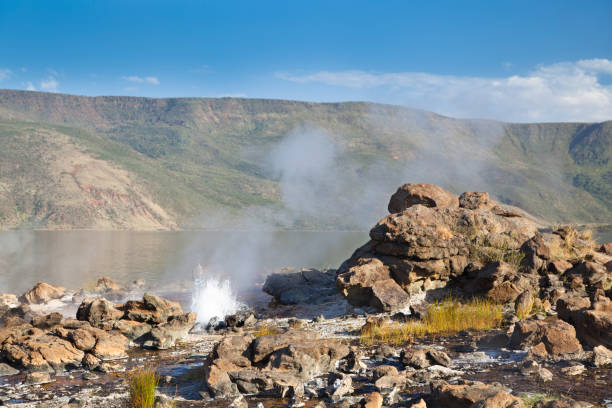
Lake Bogoria geysers and hot springs in Kenya offer one of East Africa’s most fascinating geothermal experiences. Located within the Great Rift Valley, Lake Bogoria National Reserve is famous for its steaming pools, erupting geysers, alkaline waters and spectacular flocks of flamingos.
Along parts of the shoreline, visitors can observe hot water bubbling from underground, steam rising through rocky ground and geysers occasionally spraying water into the air. These remarkable features reveal the powerful geological processes occurring beneath the Rift Valley.
However, Lake Bogoria’s hot springs are not ordinary bathing pools. Some reach temperatures close to 100°C, making direct contact extremely dangerous. Understanding what is safe to touch, where to walk and how to approach geothermal areas is essential.
Where Is Lake Bogoria Located?
Lake Bogoria lies in Baringo County, within Kenya’s Great Rift Valley, south of Lake Baringo and north of Nakuru.
The lake occupies a dramatic landscape surrounded by rocky hills, dry woodland and steep escarpments.
It forms part of the Kenya Lake System in the Great Rift Valley, recognised as a UNESCO World Heritage Site in 2011.
Quick Facts About Lake Bogoria
| Feature | Description |
|---|---|
| Country | Kenya |
| County | Baringo |
| Lake type | Alkaline |
| Main attraction | Geysers and hot springs |
| Water temperature | Some springs approach 100°C |
| Famous wildlife | Lesser flamingos |
| Protected area | Lake Bogoria National Reserve |
| UNESCO recognition | 2011 |
| Recommended visit | Half-day or full day |
| Main safety concern | Severe burns |
Why Does Lake Bogoria Have Hot Springs?
Lake Bogoria sits within the East African Rift, where the Earth’s crust has been stretched and fractured by geological forces.
These fractures allow underground water to circulate through heated rocks.
As water becomes hotter, it may rise towards the surface through cracks.
How Geothermal Activity Works
Rainwater and underground water enter fractures within the Earth’s crust.
The water encounters rocks heated by geothermal energy.
As pressure and temperature change, hot water and steam can escape through openings.
This creates hot springs, steaming vents and occasional geyser eruptions.
The geothermal activity demonstrates that significant heat remains beneath the Rift Valley.
What Is the Difference Between a Geyser and a Hot Spring?
Although they are closely related, geysers and hot springs behave differently.
A hot spring releases naturally heated water, often continuously.
A geyser periodically ejects hot water and steam under pressure.
Understanding the Features
| Feature | What visitors observe |
|---|---|
| Hot spring | Naturally heated water emerging |
| Geyser | Intermittent eruption of hot water |
| Fumarole | Steam or gases escaping |
| Boiling pool | Bubbling geothermal water |
| Steam vent | Hot vapour rising through an opening |
| Mineral deposits | Coloured or crusted ground |
All active geothermal features should be treated as potentially dangerous.
How Hot Are Lake Bogoria’s Springs?
Some springs along Lake Bogoria’s western shoreline reach approximately 90–100°C.
Water approaching boiling temperature can cause serious burns almost immediately.
Hot steam can also injure exposed skin.
Why Temperature Is Difficult to Judge
Clear water may appear harmless.
A pool may look calm despite containing extremely hot water.
Steam is not always visible during warm weather.
Nearby rocks and soil may also become dangerously heated.
Never use your hand or foot to test the temperature of geothermal water.
What Is Safe to Touch?
The safest approach is to avoid touching any natural geothermal feature.
Visitors can enjoy the scenery without making physical contact.
Safe and Unsafe Contact
| Object or surface | Safety guidance |
|---|---|
| Hot spring water | Never touch |
| Geyser spray | Keep away |
| Steam vents | Avoid completely |
| Wet geothermal soil | Do not step on |
| Mineral crusts | Do not touch or break |
| Rocks beside active vents | Treat as dangerously hot |
| Designated viewing railings | Generally safe when properly maintained |
| Personal equipment | Safe when kept away from geothermal features |
Only touch ordinary visitor facilities where your guide confirms they are safe.
Why Geothermal Ground Can Be Dangerous
The greatest danger is not always the visible boiling water.
Some geothermal areas contain thin ground crusts covering extremely hot water or unstable soil.
A person stepping onto such ground may break through the surface.
Warning Signs
Look for steam escaping through cracks, wet-looking soil, unusual mineral deposits and bubbling patches.
However, dangerous ground does not always display obvious warnings.
Visitors must remain on approved paths.
Never cross barriers or approach a vent for photographs.
Can You Swim in Lake Bogoria’s Hot Springs?
No. Lake Bogoria’s active geothermal pools are unsuitable for swimming or bathing.
Their temperatures can cause severe burns.
The surrounding soil may also be unstable.
What About the Lake?
Lake Bogoria itself is highly alkaline and is not a recreational swimming destination.
Visitors should avoid entering its waters.
Those interested in relaxation can choose accommodation with properly managed swimming facilities elsewhere in the Rift Valley.
The Tradition of Boiling Eggs
Some visitors have heard stories about cooking eggs in Lake Bogoria’s hot springs.
The geothermal water can be hot enough to cook food.
However, this should never encourage visitors to approach boiling pools independently.
Is It Safe?
Placing hands near hot vents creates serious burn risks.
Splashing water and steam can cause injuries.
Visitors should not attempt egg boiling unless an expressly authorised demonstration is conducted by trained personnel from a safe location.
The safest option is simply to observe the geothermal activity.
Exploring the Geyser Fields
Lake Bogoria contains numerous hot springs and geothermal vents, particularly along its western shoreline.
Among the recognised geothermal areas are Loburu and Chemurkeu.
Some features release steady flows of hot water, while others produce intermittent eruptions.
What Happens During a Guided Visit?
A guide introduces the area’s geology and identifies suitable viewpoints.
Visitors observe steam, mineral formations and occasionally erupting geysers.
The walking route depends on current conditions.
Some features may be inaccessible because of changing lake levels or unstable ground.
Why Geysers Do Not Erupt Continuously
Geysers depend on underground water supply, pressure and temperature.
As heated water accumulates, pressure can increase until an eruption occurs.
Afterwards, the system may require time to refill and reheat.
Can Visitors Predict an Eruption?
Some geysers behave more regularly than others.
However, eruption timing and intensity can change.
Visitors should never approach a quiet geyser assuming it will remain inactive.
A sudden eruption can release dangerously hot water.
Flamingos at Lake Bogoria
Lake Bogoria is internationally famous for its lesser flamingos.
These birds gather around the lake to feed on microscopic organisms associated with its alkaline waters.
At certain times, large flocks create spectacular pink patterns along the shoreline.
Why Flamingo Numbers Change
Flamingos move between Rift Valley lakes according to food availability and environmental conditions.
Water levels and changes in alkalinity can influence feeding opportunities.
Therefore, visitors should not expect identical numbers throughout the year.
Other Wildlife Around Lake Bogoria
The reserve also supports wildlife adapted to dry Rift Valley environments.
Greater kudu are among its distinctive mammals.
Visitors may encounter baboons, warthogs and different antelope species.
Birdwatching Opportunities
Beyond flamingos, the reserve attracts numerous waterbirds and woodland species.
Birdwatchers should bring binoculars and follow designated viewing routes.
Wildlife observation must never involve entering unsafe geothermal or shoreline areas.
Best Time to Visit Lake Bogoria
Lake Bogoria can be visited throughout the year.
Relatively dry periods are generally more convenient for driving and outdoor sightseeing.
January to March and June to September often provide favourable conditions.
Why Visit Early?
Morning temperatures are usually more comfortable.
Steam can be especially visible against cooler air.
Birdwatching opportunities may also be rewarding.
Avoid standing around active geothermal areas during thunderstorms or heavy rainfall.
What to Wear Around the Hot Springs
Appropriate footwear is particularly important.
Closed shoes with strong soles provide better protection than sandals.
However, no ordinary shoe makes unstable geothermal ground safe.
Recommended Items
Closed walking shoes.
Lightweight long trousers.
Sun hat.
Drinking water.
Sunscreen.
Lightweight rain jacket.
Camera.
Binoculars.
Avoid walking barefoot anywhere near the geothermal features.
What to Do if Someone Is Burned
Geothermal burns require immediate attention.
Move away from the heat source without placing anyone else in danger.
Cool the burn with clean, cool running water for 20 minutes.
Do not apply ice, butter or oils.
Remove jewellery or loose clothing near the burn, but never pull away material stuck to damaged skin.
Cover the injury with a clean, non-stick dressing and obtain urgent medical assistance.
Severe burns require emergency medical care.
How to Reach Lake Bogoria
Travellers commonly reach the reserve through Nakuru and Marigat.
The journey from Nairobi can take approximately four to six hours, depending on road conditions.
Some access roads may be rough.
A suitable safari vehicle is useful, particularly after rainfall.
Entrance Fees and Opening Hours
Lake Bogoria National Reserve generally operates from 6:00 am to 6:00 pm.
Admission charges vary according to residency and age.
Visitors should confirm current rates with the reserve authorities before travelling.
Planning Your Visit
| Item | Advice |
|---|---|
| Opening hours | Generally 6:00 am–6:00 pm |
| Entrance fee | Confirm current tariff |
| Guiding | Recommended |
| Footwear | Closed walking shoes |
| Water | Carry sufficient drinking water |
| Geyser access | Follow current restrictions |
Combining Lake Bogoria With Lake Baringo
Lake Baringo lies north of Bogoria and provides a contrasting freshwater ecosystem.
While Bogoria is famous for geothermal activity and flamingos, Baringo is known for hippos, crocodiles and African Fish Eagles.
Combining both lakes creates an interesting Rift Valley itinerary.
Suggested One-Day Lake Bogoria Visit
Morning: Geothermal Exploration
Arrive early and complete admission arrangements.
Meet your guide and visit approved hot spring viewpoints.
Observe geysers and learn about geothermal activity.
Midday: Flamingo Watching
Continue towards suitable shoreline viewing areas.
Photograph flamingos from a safe distance.
Enjoy refreshments at an authorised resting place.
Afternoon: Return Journey
Explore additional permitted viewpoints before leaving the reserve.
Continue towards Lake Baringo, Nakuru or your accommodation.
Responsible Tourism at Lake Bogoria
Lake Bogoria is a protected geological and wildlife destination.
Visitors should avoid disturbing flamingos or damaging mineral formations.
Never throw objects into hot springs.
Do not collect rocks, minerals or plants.
Remain on authorised routes and carry away rubbish.
Why Lake Bogoria Is Worth Visiting
Lake Bogoria offers one of Kenya’s most remarkable geothermal experiences.
Its boiling springs, steaming vents, occasional geyser eruptions and flamingo-filled waters create a landscape unlike ordinary wildlife destinations.
The most important lesson is that geothermal features should be admired, not touched.
With experienced guiding, suitable footwear and respect for restricted areas, visitors can enjoy the dramatic scenery while protecting themselves and the environment.



No comment