

Hell’s Gate National Park: Cycling Among Zebras and Gorges
Hell’s Gate National Park in Kenya is one of East Africa’s most exciting adventure destinations, offering visitors the unusual opportunity to cycle through beautiful landscapes inhabited by zebras, giraffes, antelopes and other wildlife. Located near Lake Naivasha in the Great Rift Valley, the park is famous for its towering cliffs, volcanic formations, dramatic gorges and geothermal activity.
Unlike the Maasai Mara, where visitors mainly explore wildlife habitats in safari vehicles, Hell’s Gate allows cycling and walking along designated routes. Travellers can enjoy the freedom of exploring open grasslands while observing animals from a safe distance.
For visitors planning a Kenya safari, Hell’s Gate offers a refreshing combination of wildlife, outdoor exercise, geological discoveries and impressive photography opportunities.
Where Is Hell’s Gate National Park Located?
Hell’s Gate National Park lies south of Lake Naivasha in Nakuru County, approximately 90 kilometres northwest of Nairobi.
The park covers about 68 square kilometres and forms part of Kenya’s Great Rift Valley landscape.
Its main visitor entrances include Elsa Gate and Olkaria Gate.
Quick Facts About Hell’s Gate
| Feature | Description |
|---|---|
| Country | Kenya |
| County | Nakuru |
| Nearest town | Naivasha |
| Park size | Approximately 68 km² |
| Established | 1984 |
| Main activities | Cycling, hiking and rock climbing |
| Famous wildlife | Zebras, giraffes and buffaloes |
| Major attractions | Fischer’s Tower and Hell’s Gate Gorge |
| Recommended visit | Half-day or full day |
| Park management | Kenya Wildlife Service |
Why Is Hell’s Gate Special?
Hell’s Gate stands apart from many Kenyan national parks because visitors can explore approved areas on bicycles.
Its open landscapes create opportunities to observe wildlife without always remaining inside a vehicle.
The park also contains towering volcanic cliffs, geothermal steam and unusual rock formations.
These features create an environment combining adventure, natural history and wildlife conservation.
Cycling Among Zebras
Cycling is the park’s most popular activity.
Visitors follow established gravel roads through grasslands and open valleys.
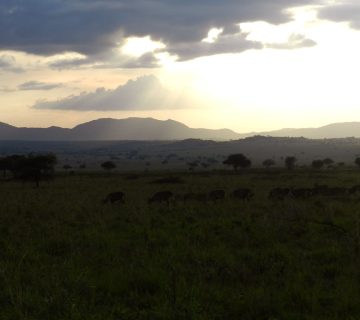
Zebras are among the animals commonly encountered along these routes.
What Happens During a Cycling Safari?
The experience usually begins near Elsa Gate, where bicycles may be rented from independent operators.
After checking equipment, visitors enter the park and follow designated cycling routes.
The landscape includes rocky cliffs, scattered vegetation and broad grazing areas.
Zebras may be feeding nearby, while giraffes and antelopes occasionally appear in suitable habitats.
Wildlife sightings remain unpredictable.
Is Cycling Safe in Hell’s Gate?
Cycling is permitted because the park has relatively few large predators compared with destinations such as the Maasai Mara.
However, it is still a protected wildlife environment.
Buffaloes can be dangerous, and visitors must maintain a safe distance from animals.
Important Cycling Rules
Remain on designated roads.
Never approach or feed wildlife.
Avoid cycling between mothers and their young.
Keep away from buffaloes.
Wear a protective helmet.
Follow ranger instructions.
Avoid cycling after dark.
Kenya Wildlife Service requires visitors to remain at least 20 metres from wildlife.
Bicycle Rental and Equipment
Visitors can bring their own bicycles or hire them near the park entrance.
Mountain bikes are recommended because some routes have loose gravel and uneven surfaces.
What to Check Before Hiring
Inspect the brakes and tyres.
Confirm the bicycle fits your height.
Ask whether a helmet is included.
Agree on the rental duration and price.
Carry drinking water and a basic repair kit.
A local cycling guide can help visitors choose suitable routes.
Hell’s Gate Cycling Routes
The popular cycling route begins around Elsa Gate and continues towards the park’s interior.
Many visitors cycle approximately seven to nine kilometres towards the gorge area before returning.
Longer excursions may explore additional approved tracks.
Cycling Difficulty
| Route type | Difficulty | Suitable visitors |
|---|---|---|
| Short scenic ride | Easy to moderate | Beginners |
| Main gorge approach | Moderate | Regular cyclists |
| Extended park cycling | Moderate to challenging | Experienced cyclists |
| Guided combination tour | Flexible | Families and groups |
Actual difficulty depends on fitness, weather and road conditions.
Exploring Hell’s Gate Gorge
Hell’s Gate Gorge is among the park’s famous geological attractions.
The gorge contains narrow passages, steep rock walls and formations shaped by flowing water.
However, gorge access can be restricted because of flash-flood risks and unstable conditions.
Can Visitors Walk Through the Gorge?
Visitors must confirm the current access status with Kenya Wildlife Service.
Some gorge sections have been closed or restricted following dangerous flooding incidents.
Where access is officially permitted, visitors should use authorised guides.
Never enter a closed gorge, even when the weather appears clear.
Rainfall upstream can cause sudden flooding without warning.
Fischer’s Tower
Fischer’s Tower is one of Hell’s Gate’s most recognisable landmarks.
This tall volcanic rock formation rises above the surrounding landscape near the park entrance.
It is named after German explorer Gustav Fischer.
Rock Climbing at Fischer’s Tower
The formation attracts climbers interested in exploring volcanic rock.
Climbing requires suitable equipment and experienced supervision.
Beginners should book organised climbing experiences rather than attempt the formation independently.
The tower also provides attractive photography opportunities from ground level.
Central Tower and Volcanic Landscapes
Central Tower is another impressive geological feature associated with Hell’s Gate.
The surrounding scenery reveals the park’s volcanic origins.
How the Landscape Was Formed
Volcanic activity and geological movements shaped the Rift Valley over long periods.
Erosion later created cliffs, valleys and narrow channels.
These processes explain why Hell’s Gate looks different from Kenya’s open savannah reserves.
Wildlife Found in Hell’s Gate
Although the park is relatively small, it supports several wildlife species.
Animals Visitors May Encounter
| Animal | Typical habitat |
|---|---|
| Plains zebra | Open grassland |
| Maasai giraffe | Woodland and open plains |
| African buffalo | Grassland and woodland |
| Eland | Open grazing areas |
| Thomson’s gazelle | Grassland |
| Warthog | Open country |
| Rock hyrax | Rocky formations |
| Leopard | Rarely encountered |
Visitors should remember that wildlife moves freely and sightings cannot be guaranteed.
Birdwatching in Hell’s Gate
Hell’s Gate is particularly interesting for birdwatchers.
Its cliffs support birds of prey, while open habitats attract various savannah species.
Birds to Look For
Visitors may encounter vultures, eagles, augur buzzards and smaller grassland birds.
The park’s cliffs historically supported important populations of nesting raptors.
Birdwatchers should carry binoculars and avoid disturbing nesting sites.
Early morning generally provides comfortable conditions for observing birds.
Geothermal Activity at Olkaria
Hell’s Gate lies within an important geothermal region.
Underground heat produces steam that can be used to generate electricity.
The Olkaria geothermal power stations form part of Kenya’s renewable energy infrastructure.
What Visitors Can Learn
Geothermal energy uses heat from beneath the Earth’s surface.
Steam helps drive turbines that produce electricity.
Visitors may observe geothermal installations from permitted areas.
Access to industrial facilities requires authorisation.
Best Time to Visit Hell’s Gate
The park can be visited throughout the year.
However, relatively dry conditions make cycling and walking more comfortable.
January to March and June to October are often convenient periods.
Seasonal Visiting Guide
| Season | General conditions |
|---|---|
| January–March | Often warm and relatively dry |
| April–May | Increased rainfall |
| June–October | Generally comfortable for cycling |
| November–December | Variable rainfall |
Rain can make gravel routes slippery.
Gorge access must be checked regardless of season.
Hell’s Gate National Park Entrance Fees
Kenya Wildlife Service publishes different conservation fees according to visitor category.
Published 2026 Entrance Fees
| Visitor category | Adult fee |
|---|---|
| East African citizen | KES 500 |
| Kenya resident | KES 675 |
| African citizen outside East Africa | USD 20 |
| International non-resident | USD 50 |
Children qualify for reduced rates.
Cycling, bicycle rental and guiding may attract additional charges.
Confirm the latest fees before visiting.
How to Reach Hell’s Gate
Travellers commonly reach Hell’s Gate from Nairobi through Naivasha.
The journey takes approximately two to three hours, depending on traffic.
From Naivasha town, visitors continue towards the park entrance using the Moi South Lake Road.
A private vehicle or organised transfer provides convenient access.
Accommodation Near Hell’s Gate
Naivasha offers hotels, guesthouses, lakeside lodges and camping facilities.
Visitors can choose accommodation according to their budget and activities.
Staying nearby allows an early start before the afternoon heat becomes uncomfortable.
Suggested Hell’s Gate Day Trip
Morning: Cycling Safari
Arrive at Elsa Gate and complete entry arrangements.
Hire a suitable mountain bike.
Enjoy a guided cycling excursion through the park’s open landscapes.
Stop at approved viewpoints to observe wildlife and photograph volcanic formations.
Midday: Geological Attractions
Visit Fischer’s Tower and other accessible landmarks.
Ask rangers whether any guided walking routes are officially open.
Avoid restricted gorge sections.
Afternoon: Return to Naivasha
Return the bicycles and leave the park.
Enjoy lunch or a relaxing afternoon near Lake Naivasha.
Travellers may arrange a separate lake excursion with an authorised operator.
Combining Hell’s Gate With Lake Naivasha
Lake Naivasha is famous for its freshwater scenery and birdlife.
Visitors can arrange boat trips to observe hippos and waterbirds from safe distances.
Combining Hell’s Gate and Lake Naivasha provides both cycling adventure and relaxing nature experiences.
Responsible Tourism in Hell’s Gate
Visitors should help protect the park’s wildlife and geological formations.
Remain on authorised trails.
Avoid littering.
Respect wildlife viewing distances.
Do not remove rocks or plants.
Use trained guides for specialised activities.
Responsible tourism helps preserve Hell’s Gate for future generations.
Why Hell’s Gate Is Worth Visiting
Hell’s Gate National Park provides one of Kenya’s most distinctive outdoor adventures.
Cycling among zebras, exploring dramatic volcanic landscapes and observing geothermal features create experiences rarely available in conventional safari parks.
Its proximity to Nairobi and Lake Naivasha makes it suitable for day trips and longer Rift Valley itineraries.
For travellers seeking wildlife, exercise and beautiful scenery, Hell’s Gate offers an unforgettable introduction to Kenya’s adventurous side.



No comment