
Customs Rules for Binoculars, Drones and Camera Gear in East Africa
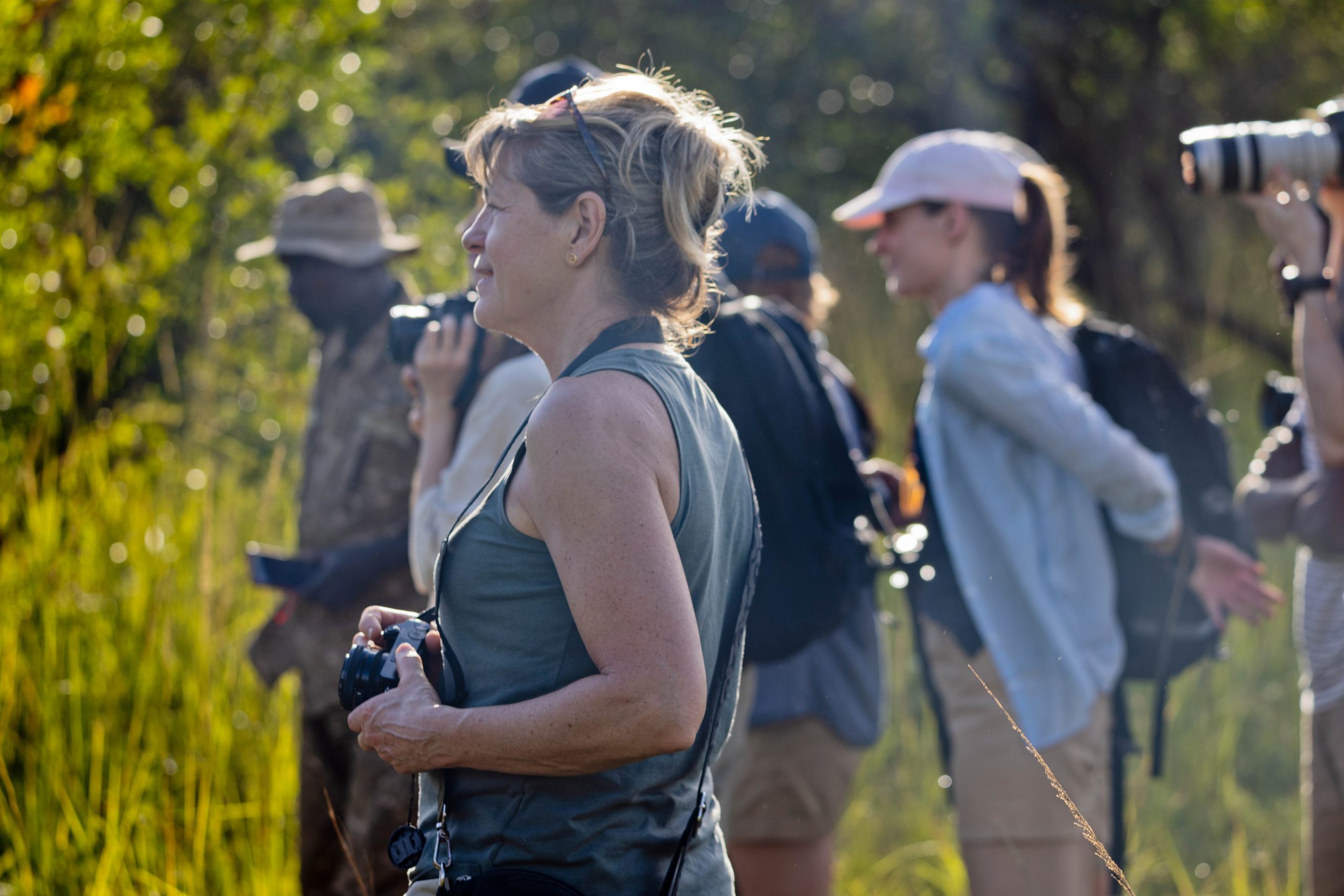
Travelling to East Africa for a wildlife safari, gorilla trekking, birdwatching, or wildlife photography requires careful preparation, especially if you plan to bring expensive equipment. Binoculars, digital cameras, telephoto lenses, tripods, drones, spare batteries, and other photography accessories can help you capture memorable experiences. However, customs authorities and aviation regulators apply different rules to these items across Uganda, Rwanda, Kenya, and Tanzania.
Most tourists can travel with ordinary cameras, binoculars, and personal photography accessories under the applicable passenger baggage rules. Drones require more attention because their importation and operation are regulated separately. Professional photography equipment may also require additional documentation when it is intended for commercial filming, paid assignments, or temporary use on a production project.
Understanding these requirements before departure can help you avoid airport delays, unexpected charges, confiscation of restricted equipment, and interruptions to your safari. If your itinerary includes several East African countries, check the rules for each destination instead of assuming that permission obtained in one country applies throughout the region.
Customs Rules for Binoculars and Personal Camera Equipment
Binoculars, ordinary digital cameras, lenses, memory cards, tripods, chargers, and similar accessories are generally carried by visitors as personal travel equipment. If you own the equipment, intend to use it during your holiday, and plan to take it home afterward, it may qualify for the relevant personal effects or temporary admission arrangements.
Uganda Revenue Authority guidance provides for certain personal belongings brought by visitors for temporary use, subject to the applicable conditions. Customs treatment can depend on the nature of the goods, their intended use, and whether they will be re-exported when the visit ends.
For an ordinary safari, carrying one camera body, a few lenses, binoculars, a tripod, and spare batteries is generally easier to explain as personal use than carrying numerous identical items packaged for resale. However, professional photographers may legitimately need more equipment, so the quantity alone does not determine whether the items are commercial imports.
Keep your expensive equipment organised in a camera bag and retain purchase receipts, insurance documents, or an inventory showing the manufacturer, model, and serial number of each item. These records can help establish ownership if customs officials ask questions.
If you are bringing equipment for a commercial assignment, documentary production, or paid photography project, contact the relevant customs authority before travelling. You may need to follow temporary import procedures or provide additional documentation.
Are Binoculars Allowed on an East African Safari?
Ordinary binoculars are useful for observing birds, mammals, and distant wildlife without approaching animals too closely. Travellers commonly carry compact binoculars or larger models designed for wildlife observation.
Personal binoculars will generally be treated as ordinary travel equipment, subject to the customs rules of the country you enter. If you are travelling with several pairs for family members, keep them together and be prepared to explain their intended use.
Specialised optical devices may require additional checks. Night-vision equipment, thermal imaging devices, and certain high-powered observation systems can fall under different controls depending on their technical specifications and intended use. Do not assume that the rules for standard binoculars automatically apply to every optical device.
For birdwatching and ordinary wildlife viewing, standard binoculars are usually the simplest option. If your work requires specialised equipment, check the applicable import and export restrictions before packing it.
Drone Import Rules in Uganda
Drones require more preparation than ordinary cameras because they are classified as unmanned aircraft systems. Bringing a drone into Uganda can involve customs procedures, aviation authorisation, and security requirements.
Uganda Civil Aviation Authority guidance states that drone importation requires prior authorisation. The applicable procedures include coordination with customs and the relevant aviation and security authorities. Travellers should obtain written guidance for their specific drone before departure rather than assuming that a small consumer model is exempt.
Import permission and permission to fly are separate matters. Even if you receive approval to bring your drone into Uganda, you must still comply with the rules governing registration, operational authorisation, and the location where you intend to fly.
If you plan to use a drone for wildlife photography, lodge promotion, tourism marketing, or commercial filming, explain the intended activity when contacting the authorities. Provide the drone model, dates of travel, planned locations, and whether the work is recreational or commercial.
Do not assume that you can arrive at Entebbe International Airport and obtain every required approval immediately. Applications may involve several authorities and processing periods. If the required permission has not been granted, travelling without the drone is safer than risking delays or confiscation.
Drone Rules in Rwanda
Rwanda has its own rules for drone imports and flight operations. A permit issued in Uganda does not automatically authorise you to import or operate the same drone in Rwanda.
The Rwanda Civil Aviation Authority publishes requirements covering drone registration, pilot qualifications, operators, and flight permissions. Official visitor guidance also directs travellers to declare drones to the Rwanda National Police at a point of entry. The appropriate procedures depend on the drone and the planned activity.
Foreign visitors should contact the Rwanda Civil Aviation Authority well before their arrival. Published guidance indicates that foreign visitors cannot register drones themselves and may need an eligible Rwandan citizen, permanent resident, or local entity to register the equipment on their behalf.
You should also confirm whether your intended flight requires a separate operational permit. Recreational photography, professional filming, and other specialised activities may have different requirements.
If your safari includes Volcanoes National Park, Bwindi Impenetrable National Park, or other protected areas, check the relevant park rules before making any flight plans. Aviation approval does not automatically give you permission to fly over a national park or wildlife reserve.
Drone Regulations in Kenya
Kenya regulates drone imports and operations through the Kenya Civil Aviation Authority. Travellers planning to bring a drone into Kenya should obtain current guidance from the authority before travelling.
Importing or exporting a drone without the required prior approval can result in legal and practical problems. Depending on the applicable rules, you may need import permission, registration, operational approval, and other documentation.
If Kenya is part of your safari, do not rely on permits issued by Uganda or Rwanda. Confirm which requirements apply to your particular drone and intended activity.
This is especially important if you plan to visit the Maasai Mara, Amboseli, Tsavo, or another protected area. Permission from the aviation authority does not necessarily authorise drone flights over conservation areas. Park management may impose additional restrictions, and some locations may prohibit drone use unless specific approval has been granted.
Commercial filming may require further permissions. If you are creating a documentary, advertising material, or paid tourism content, disclose the purpose of the work when applying for authorisation.
Drone Rules in Tanzania and Zanzibar
Tanzania also regulates drone imports, registration, and flight operations. Its Civil Aviation Authority publishes procedures for non-residents travelling with drones.
Published guidance requires visitors to obtain the applicable import permit, register the drone and operator, and secure the necessary operational authorisation. The authority’s guidance advises applicants to allow several weeks for the process. Starting at least four weeks before departure is a sensible precaution, although you should confirm the current processing period directly with the authority.
Fees may apply for import permits, registration, and operating permissions. Charges depend on the applicable requirements and may change, so check the current official fee schedule before making payments.
Drone flights can be restricted around airports, military facilities, government installations, and other sensitive locations. National parks also have their own rules, and you should obtain the necessary permission before planning any aerial wildlife photography.
If your trip includes the Serengeti, Ngorongoro Conservation Area, Tarangire, or Zanzibar, contact the relevant aviation and conservation authorities in advance. Do not assume that permission for mainland Tanzania automatically covers every location or activity in Zanzibar.
Camera Batteries and Airline Baggage Rules
Camera and drone batteries create a separate issue from customs because airlines regulate lithium batteries for safety reasons. Spare batteries are generally required to travel in cabin baggage, with their terminals protected against short circuits. The permitted capacity and quantity depend on the battery’s watt-hour rating and the airline’s rules.
Before flying, check the capacity printed on each battery and review the requirements of every airline on your itinerary. Some batteries may require airline approval, and limits can differ between carriers.
If you are travelling with several drone batteries, confirm the permitted number and capacity before arriving at the airport. Keep batteries in protective cases or suitable packaging, and do not carry damaged, swollen, or defective batteries.
Memory cards, chargers, cables, and ordinary camera accessories can usually be packed with your personal electronics. Keep valuable equipment secure and accessible in case airport security staff need to inspect it.
Personal Equipment Versus Commercial Photography Gear
Customs authorities may treat personal travel equipment differently from goods brought into a country for commercial purposes. The distinction depends on the equipment, its intended use, the applicable customs rules, and whether it will be taken out of the country again.
A tourist travelling with a camera, two lenses, binoculars, and a tripod will generally have a straightforward explanation for the equipment. A professional wildlife photographer may carry several camera bodies, long telephoto lenses, lighting equipment, sound-recording devices, and computers. That larger kit can still be legitimate, but the traveller should be prepared to explain its purpose.
If you have been hired to photograph a lodge, film a documentary, produce a tourism advertisement, or create paid wildlife content, contact customs officials about temporary admission procedures. Ask whether you need a declaration, guarantee, bond, or other documentation.
An ATA Carnet or another temporary admission document may be useful for qualifying professional equipment, but you should confirm whether the document is accepted for your equipment and intended destination before relying on it.
Keep an inventory listing each item’s manufacturer, model, serial number, and approximate value. Retain purchase receipts and insurance records where possible. Declare your equipment accurately and follow the instructions of customs officials.
What Happens if You Bring a Drone Without Permission?
Bringing a drone into an East African country without the required authorisation can lead to delays, refusal of clearance, detention of the equipment, confiscation, or other penalties, depending on the country’s rules and circumstances.
Tanzania’s aviation authority warns that drones arriving without the required import permit may be confiscated. Uganda and Rwanda also have procedures covering drone authorisation and declaration at entry points.
If you arrive with a drone and discover that your paperwork is incomplete, speak to the relevant officials and follow their instructions. Do not conceal the device or attempt to fly it without approval. There is no guarantee that an application made after arrival will allow you to keep or operate the drone.
The rules also apply after you leave the airport. Customs clearance does not automatically authorise you to fly over wildlife, people, protected areas, or restricted facilities. Confirm the operating requirements before using the equipment.
How to Prepare Your Equipment Before Departure
Before leaving home, create an inventory of your binoculars, cameras, lenses, tripods, drones, batteries, and specialised optical equipment. Record serial numbers for expensive items and keep copies of purchase receipts or insurance documents.
Check the customs rules for every country on your itinerary. For drones, contact each country’s civil aviation authority and ask about import permission, registration, operator requirements, and flight authorisation. If you plan to film inside a national park, contact the relevant park or conservation authority as well.
Apply early enough to allow for processing delays. Keep approvals available in printed or electronic form and carry your equipment inventory with your travel documents.
If you plan to cross from Uganda into Rwanda or continue into Kenya or Tanzania, confirm whether you must make another declaration or comply with additional import procedures. Permission granted at one border does not automatically cover every subsequent destination.
Final Advice for East African Safari Travellers
Binoculars, personal cameras, lenses, and ordinary accessories are generally straightforward to carry when they qualify as personal travel equipment. Keep them organised, retain evidence of ownership where useful, and be prepared to explain their intended use.
Drones require more careful planning because each country has its own import and aviation requirements. Uganda, Rwanda, Kenya, and Tanzania do not operate under one regional drone permit, and approval in one country does not automatically apply in another.
Before departure, confirm the current customs rules, obtain any required drone authorisations, check your airline’s battery restrictions, and secure additional permissions for protected areas or commercial filming. If you are uncertain about a requirement, contact the relevant authority directly rather than relying on assumptions.
With the paperwork prepared in advance, you can travel with greater confidence and concentrate on photographing East Africa’s wildlife, forests, landscapes, and cultural experiences while respecting local laws.


No comment