
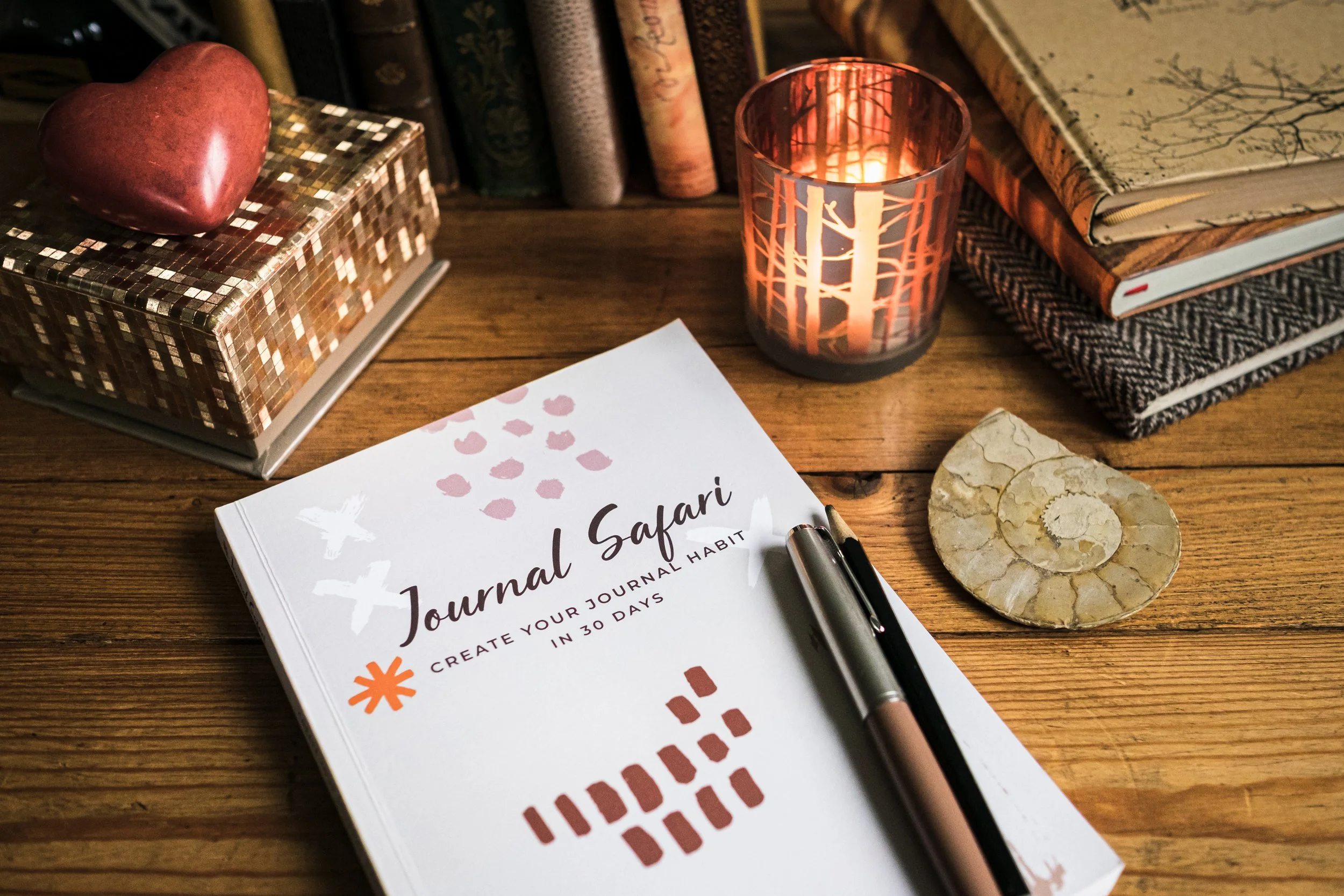
How to Keep a Safari Journal
An African safari brings experiences that are difficult to remember in complete detail once you return home. You may remember seeing a lion resting beneath an acacia tree, elephants crossing a dusty road or a family of gorillas feeding quietly in the forest. However, smaller details often disappear from memory. The sounds of birds at sunrise, conversations with your guide and unexpected wildlife encounters can easily be forgotten.
Learning how to keep a safari journal allows you to record these experiences while they are still fresh. Your journal becomes a personal account of the places you visited, the animals you encountered and the people who helped make your journey memorable.
You do not need to be a professional writer or an experienced traveller to start one. A small notebook, a pen and a few minutes each evening are enough.
Whether you are planning a safari in Uganda, Kenya, Tanzania or Rwanda, keeping a travel journal can help you remember and appreciate your journey for many years.
1. Choose the Right Safari Journal
Before your safari begins, decide how you want to record your experiences.
Some travellers prefer traditional notebooks, while others use smartphones, tablets or digital travel journals. Your choice depends on your personal preferences and the type of safari you are planning.
A small notebook is particularly practical during game drives because you can quickly record observations without needing electricity or an internet connection.
For longer journeys, a digital journal may be more convenient because you can organise photographs, notes and locations together.
Here are some useful options:
| Journal Type | Advantages | Best For |
|---|---|---|
| Pocket notebook | Lightweight and easy to carry | Game drives and walking safaris |
| Hardcover notebook | Durable and provides writing space | Extended safari holidays |
| Digital journal | Easy to organise and edit | Travellers using smartphones |
| Photo journal | Combines photographs and written memories | Photography enthusiasts |
| Audio diary | Records spoken observations quickly | Travellers who prefer speaking |
If you choose a paper notebook, consider one with a strong cover that can withstand dust and frequent handling.
Carry at least two pens, especially when visiting remote national parks where stationery may not be readily available.
2. Start Writing Before Your Safari Begins
Your safari journal does not have to begin when you see your first wild animal.
You can start recording your expectations while planning the journey.
Write about the destinations you hope to visit, the wildlife you would love to see and the experiences that interest you most.
For example, if you are preparing for gorilla trekking in Bwindi Impenetrable National Park, you might record why you want to see mountain gorillas and what you expect the forest experience to involve.
You can also include your planned itinerary, accommodation details and important travel arrangements.
Consider recording:
- Your safari destination and travel dates.
- The national parks you intend to visit.
- Animals you hope to encounter.
- Activities you are particularly excited about.
- Personal reasons for taking the journey.
- Questions you would like to ask your safari guide.
When you read these notes after returning home, you can compare your expectations with what actually happened.
Sometimes the experiences you least expected become your favourite memories.
3. Record Each Day’s Safari Activities
One of the easiest ways to maintain a safari travel journal is to write a short entry every day.
You do not need to describe everything that happened. Concentrate on the experiences that made the day interesting.
A typical safari day may begin with an early morning game drive, followed by breakfast, relaxation and another wildlife activity in the afternoon.
Record where you went, what you saw and anything unusual that happened.
For example, your entry might read:
Day 3: Queen Elizabeth National Park, Uganda
We left our lodge shortly after sunrise for a game drive along the Kasenyi tracks. The morning was cool, and several Uganda kobs were feeding in the open grassland. Our guide noticed fresh lion tracks along the road. After searching the surrounding area, we eventually spotted a lioness resting beneath a bush.
Later, we saw elephants moving towards a water source. My favourite moment was watching a young elephant stay close to its mother as the herd crossed the track.
This simple account provides enough information to bring back memories long after your safari ends.
Try writing your entries each evening while the day’s events remain fresh.
4. Write Down the Wildlife You Encounter
Wildlife sightings are often the most exciting part of an African safari.
Your journal can help you remember the different species you encountered and the locations where you observed them.
Instead of simply writing that you saw elephants or giraffes, include details about their behaviour.
Did the elephants feed together? Were the giraffes walking through the grassland or browsing from trees? Did you observe a lion hunting or resting?
These details make your observations more meaningful.
You can organise your wildlife records using a simple table.
| Animal | Location | Behaviour Observed |
|---|---|---|
| African elephant | Murchison Falls National Park | Feeding near woodland |
| African lion | Queen Elizabeth National Park | Resting beneath a bush |
| Mountain gorilla | Bwindi Impenetrable National Park | Feeding and grooming |
| Giraffe | Serengeti National Park | Browsing leaves |
| Hippopotamus | Kazinga Channel | Resting in shallow water |
| Zebra | Lake Mburo National Park | Grazing in a small group |
You can also note the approximate time of each sighting and the weather conditions.
However, avoid recording or publicly sharing sensitive location details that could place vulnerable wildlife at risk.
5. Include Sounds, Smells and Surroundings
Photographs are excellent for remembering what you saw, but they cannot fully capture the atmosphere of a safari.
Your journal provides an opportunity to describe other details.
Think about the sounds you hear during an early morning game drive.
Perhaps birds begin calling before sunrise, or you hear hippos making noises from a nearby river.
During a forest walk, you might notice the smell of damp vegetation, the sound of insects or the movement of leaves as monkeys travel through the trees.
These small observations help make your writing personal.
For example:
The forest was quiet when we began our walk. The ground was wet from the previous night’s rain, and sunlight entered through small openings in the canopy. We could hear birds calling above us, although most remained hidden among the branches.
You do not need complicated language to describe your surroundings.
Use clear words that reflect what you actually experienced.
6. Record Interesting Information From Your Safari Guide
Professional safari guides know a great deal about wildlife, local landscapes and the communities surrounding national parks.
During your journey, your guide may explain how animals communicate, why certain birds follow large mammals or how predators locate prey.
These explanations are worth recording.
For example, while travelling through Murchison Falls National Park, your guide might explain the differences between Rothschild’s giraffes and other giraffe populations.
During a game drive in Queen Elizabeth National Park, you may learn how guides identify wildlife activity through footprints, feeding signs and animal droppings.
Write down the most interesting facts in your own words.
If you are unsure about a species name or scientific explanation, ask your guide to clarify it.
Your journal can become a useful personal reference for understanding African wildlife.
Remember to distinguish between confirmed facts, your own observations and information that may require further checking.
7. Add Photographs, Sketches and Small Memories
You do not have to fill every page with written paragraphs.
A safari journal can include photographs, drawings, sketches and other personal reminders of your journey.
If you enjoy photography, select a few favourite images each day and write short descriptions explaining what made those moments memorable.
You might include a photograph of elephants crossing a road, a beautiful sunset over Lake Bunyonyi or the view from your lodge.
If you prefer drawing, try sketching animal footprints, birds, trees or landscapes.
Even simple drawings can be enjoyable additions.
Other useful items include:
- Copies of park entry tickets.
- Accommodation names and dates.
- Small printed photographs.
- Maps of visited destinations.
- Notes about local food.
- Favourite quotations from travel companions.
Avoid collecting plants, feathers, rocks or other natural materials from protected areas unless local rules expressly permit it.
Your journal should help preserve memories without disturbing the environment.
8. Write About the People You Meet
An African safari involves more than wildlife encounters.
The people you meet often contribute significantly to your travel experience.
You may spend several days travelling with the same safari guide, sharing meals with other travellers or speaking with members of local communities.
Recording these interactions gives your journal greater personal meaning.
Write about memorable conversations, interesting cultural experiences and moments when someone helped you understand a destination better.
During a visit to a community near Bwindi Impenetrable National Park, for instance, you may learn about traditional farming, local crafts or conservation initiatives.
Describe what you learned and how the experience affected your understanding of the area.
When writing about people, be respectful and avoid making assumptions about their lives or communities.
Always ask permission before photographing people or sharing personal stories publicly.
9. Record Weather Conditions and Seasonal Changes
Weather influences wildlife behaviour and the general safari experience.
Rainfall, temperature and seasonal vegetation changes can affect where animals feed, how easily they can be observed and which activities are possible.
Your safari journal can include brief daily weather observations.
For example, you might record a sunny morning in the Serengeti, an afternoon shower in Bwindi or cool weather during a game drive in Akagera National Park.
These notes help explain why certain days produced different wildlife experiences.
They may also prove useful when planning another safari.
A simple daily record could include:
Date: 15 July
Location: Lake Mburo National Park, Uganda
Weather: Cool morning, sunny afternoon
Main activity: Morning game drive
Wildlife: Zebras, impalas, buffaloes and several bird species
Best moment: Watching zebras grazing near the woodland
This structure keeps your entries organised without requiring much writing.
10. Describe Your Feelings During Special Wildlife Encounters
Some safari experiences create strong personal emotions.
Seeing a mountain gorilla in its natural habitat, watching a cheetah move across an open plain or observing elephants caring for their young can leave a lasting impression.
Your journal is a private space where you can describe these feelings naturally.
You might write about the excitement of your first lion sighting or the nervous anticipation before beginning a gorilla trek.
For example:
After walking through Bwindi Forest for several hours, our ranger asked us to remain quiet. A few moments later, we saw a mountain gorilla feeding among the vegetation. I had seen photographs of gorillas before, but observing one in the forest was completely different. I remember feeling excited and unusually quiet.
Personal reflections often become the most valuable part of a travel journal.
They help you remember how a particular experience felt, rather than simply what happened.
11. Keep Your Safari Journal Simple and Consistent
One common mistake is trying to write too much.
After a long game drive or several hours of gorilla trekking, you may feel too tired to produce detailed entries.
Instead of forcing yourself to write several pages, record a few useful sentences.
Spending five to ten minutes each evening is often enough to capture the day’s main events.
You can use the same structure throughout your journey:
- Date and location.
- Main activities.
- Wildlife encountered.
- Interesting information learned.
- Favourite moment.
- Personal reflection.
If you miss a day, continue writing when you have time.
A safari journal should be enjoyable rather than another demanding travel activity.
Consistency helps, but your experience matters more than the number of pages you complete.
12. Turn Your Safari Journal Into a Travel Story
Once your safari ends, you can organise your notes into a complete travel story.
Read through your daily entries and identify the experiences you remember most clearly.
You might discover that your favourite moment was not seeing a famous predator but watching a family of elephants interact or listening to birds outside your lodge.
Add selected photographs, correct any uncertain wildlife identifications and arrange your entries chronologically.
You could create a printed travel book, a private digital album or a personal blog about your African safari.
If you intend to publish your journal online, protect the privacy of people you met and avoid sharing sensitive wildlife locations.
Your completed journal can become something you enjoy reading with family and friends years after the journey.
Best Safari Destinations for Keeping a Wildlife Journal
Every safari destination offers different experiences worth recording.
| Destination | Country | Interesting Journal Subjects |
|---|---|---|
| Bwindi Impenetrable National Park | Uganda | Gorilla trekking, forest sounds and birdlife |
| Queen Elizabeth National Park | Uganda | Game drives, lions, elephants and boat safaris |
| Murchison Falls National Park | Uganda | Giraffes, Nile boat trips and waterfall scenery |
| Serengeti National Park | Tanzania | Big cats, plains wildlife and seasonal migration |
| Maasai Mara National Reserve | Kenya | Predators, grassland landscapes and migration |
| Akagera National Park | Rwanda | Lakes, elephants, antelopes and birdlife |
| Nyungwe National Park | Rwanda | Chimpanzees, forest walks and primates |
Whichever destination you choose, your journal will reflect your individual experience rather than a standard description of the park.
Final Thoughts: Keep Your African Safari Memories Alive
Learning how to keep a safari journal is one of the simplest ways to make your African wildlife adventure more memorable.
By recording daily activities, wildlife encounters, interesting conversations and personal reflections, you create a detailed account of your journey.
You do not need expensive equipment or professional writing skills. A notebook, a pen and a few quiet minutes each day can make a difference.
When you return home, your journal will remind you of experiences that photographs alone may not fully explain.
Whether you explore Uganda’s forests, Kenya’s savannahs, Tanzania’s wildlife plains or Rwanda’s national parks, take time to write about what you see, hear and feel.
Your safari may last only a few days, but a well-kept journal can preserve its details for a lifetime.




No comment