
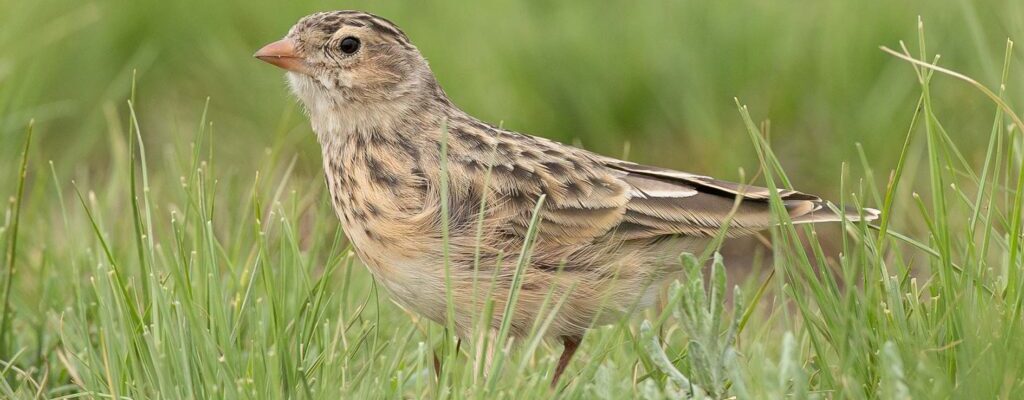
1 Day Birding Safari in Mabira Forest
Overview
The 1 Day Birding Safari in Mabira Forest offers an exciting opportunity to explore one of Uganda’s largest remaining natural forests and one of the country’s most accessible birding destinations. Located between Kampala and Jinja, Mabira Forest Reserve covers over 300 square kilometers of tropical rainforest and is home to more than 300 bird species, making it a favorite destination for birdwatchers, photographers, and nature lovers.
This full-day birding excursion takes you through well-established forest trails in search of forest specialists, colorful birds, butterflies, and primates. The forest’s rich biodiversity and proximity to Kampala and Entebbe make it an ideal destination for both beginner and experienced birders.
Safari Highlights
- Bird Watching
- Nature walks
Detailed Itinerary
Day 1: Transfer to Mabira Forest for Birding and Return
Your birding guide will pick you up early in the morning from your hotel in Kampala or Entebbe and transfer you to Mabira Forest Reserve, located approximately one hour from Kampala.
Upon arrival, begin your guided birding walk through the forest trails. Mabira is known for its excellent variety of forest birds, including several Guinea Congo biome species that are difficult to find elsewhere in Uganda.
As you move through the forest, your guide will help identify bird calls, locate species within the canopy, and provide information about the forest ecosystem. The morning hours are usually the most productive for bird activity.
You will break for lunch before continuing with an afternoon birding session in different sections of the forest. Besides birds, you may encounter red tailed monkeys, grey cheeked mangabeys, vervet monkeys, bush squirrels, butterflies, and unique forest vegetation.
Later in the afternoon, depart Mabira Forest and return to Kampala or Entebbe, arriving in the evening.
Accommodation: No Overnight Accommodation
Meal Plan: Lunch
Notable Birds of Mabira Forest
- Nahan’s Francolin
- African Grey Parrot
- Yellow-spotted Barbet
- Speckled Tinkerbird
- Forest Wood Hoopoe
- Blue-throated Roller
- African Pied Hornbill
- White-spotted Flufftail
- Green Hylia
- Red-headed Bluebill
- Purple-throated Cuckooshrike
- Cassin’s Hawk Eagle
- Yellow-billed Barbet
- Black-and-white Casqued Hornbill
- Fire-crested Alethe
- Tit Hylia
- African Emerald Cuckoo
- Yellow-billed Turaco
- Brown-eared Woodpecker
- Blue-breasted Kingfisher
Optional Activities
- Mabira Forest Ziplining Adventure
- Guided Forest Nature Walk
- Butterfly Watching Experience
- Primate Viewing Walk
- Jinja City Tour
- Source of the Nile Excursion
- Sezibwa Falls Visit
- Bird Photography Experience
- Community Cultural Visit
- Mountain Biking in Mabira Forest
Tour Includes
- Travel in a 4×4 car
- Professional guide
- Park fees
- Accommodation
- Meals
- All Activities In Itinerary
Tour Excludes
- Alcoholic drinks
- Laundry
- Tips
- Shopping
- Insurance
- Anything not included per itinerary
Mabira Forest’s Birding Reputation
Mabira Forest Reserve, roughly halfway between Kampala and Jinja, is one of Uganda’s most accessible and rewarding birding destinations, holding over 300 recorded bird species within a forest reserve that’s genuinely easy to combine with other stops on a Uganda itinerary given its central location.
Species commonly recorded here include several Guinea-Congo biome specialists and forest species that are considerably harder to find in Uganda’s more visited parks further west, making Mabira a worthwhile stop for birders even on a relatively short visit.
A Practical Add-On for Any Uganda Trip
Because Mabira sits directly along the main road between Kampala and Jinja, this itinerary works especially well as an add-on to a broader Uganda trip rather than requiring a dedicated detour, whether combined with Jinja’s adventure activities or simply as a stop en route to or from Entebbe.
Guided walks here are led by experienced local birding guides who know the forest’s trails and can help spot and identify species that would be considerably harder to find without local knowledge.
Practical Notes
A Uganda e-visa or East Africa Tourist Visa, arranged before travel, is required for most nationalities, along with a yellow fever vaccination certificate if arriving from a country with risk of transmission. Travel insurance covering trekking or wildlife activities and medical evacuation is strongly recommended, and malaria prevention is worth discussing with a travel health clinic ahead of your trip given the range of altitudes and habitats this itinerary covers.
US dollars printed after 2009 are widely accepted for park fees, permits and lodge bills across this itinerary, while Ugandan shillings are more practical for tips, markets and smaller day-to-day purchases along the route. Mobile network coverage is generally reliable at lodges and along the main connecting roads, though it becomes patchy inside the parks and forest reserves themselves.
Tipping is customary though not compulsory across this itinerary. Rangers, trackers and guides typically receive a tip at the end of any trekking or guided activity, generally scaled to group size, while your driver-guide is usually tipped separately at the end of the full trip given their role extends across every day of the itinerary.
Best Time for Birding at Mabira
Mabira rewards visits across most of the year, though the dry seasons, June to September and December to February, generally offer easier walking conditions on forest trails without sacrificing bird activity, since Uganda’s equatorial climate keeps resident forest species present year-round regardless of season.
Early morning visits, when forest birds are most vocal and active before the day’s heat sets in, consistently produce the strongest sightings, and we recommend building this into your schedule as an early start rather than a mid-morning or afternoon activity.
US dollars printed after 2009 are widely accepted for park fees and guide costs, while Ugandan shillings are more practical for tips and any purchases at the reserve.
Combining Mabira With a Wider Uganda Trip
Because Mabira sits so centrally between Kampala and Jinja, it works best as a component of a broader Uganda itinerary rather than a dedicated standalone trip, and we frequently build it into longer circuits as a half-day or full-day stop rather than requiring travelers to plan a separate visit. Combined with Jinja’s adventure activities, a Kampala cultural tour, or as a scenic break on the way to or from Uganda’s southwestern gorilla trekking parks, Mabira adds genuine birding depth to a trip without demanding significant extra travel time.
Beyond birds, Mabira supports a range of butterfly species and forest primates including red-tailed monkeys and grey-cheeked mangabeys, giving general wildlife enthusiasts, not only dedicated birders, a genuinely rewarding stop. The reserve also plays a meaningful conservation role as one of the largest remaining forest blocks in this part of Uganda, a buffer against the agricultural land use that surrounds much of the corridor between Kampala and Jinja.
Tipping your birding guide is customary though not compulsory, generally scaled to the length and quality of the walk, and we’re glad to advise on typical ranges when you book this as part of a wider itinerary.
Source of the Nile and White-Water Rafting
Jinja marks the point where the Nile River begins its roughly 6,650-kilometre journey north to the Mediterranean, flowing out of Lake Victoria over what was once Ripon Falls before the construction of the Nalubaale Dam altered the immediate landscape. The town has become East Africa’s adventure hub, built around the river’s grade III to V rapids, which draw white-water rafters from around the world for full- or half-day descents with experienced safety kayakers accompanying every raft. Beyond rafting, gentler ways to experience the river include stand-up paddleboarding, a sunset boat cruise to the actual source point, or simply a quad-biking excursion through the surrounding sugarcane and village landscape.
Conservation Fees and Community Impact
Park entry fees, gorilla and chimpanzee permits, and conservancy fees paid by visitors form a direct funding stream for anti-poaching patrols, habitat protection and, in many areas, a formal revenue-sharing arrangement with communities living along park boundaries. This model has been credited with turning former poachers into park employees and guides in several of the region’s protected areas, and with funding schools, clinics and water projects in communities that once had little direct incentive to protect neighbouring wildlife. Choosing a safari that keeps permit and park fees intact, rather than one built around discounted or informal access, is one of the more concrete ways a traveller supports this system.
Flights and Arrival Logistics
Most international itineraries route through one of the region’s main hub airports — Entebbe for Uganda, Kigali for Rwanda, Nairobi or Mombasa for Kenya, and Kilimanjaro, Dar es Salaam or Zanzibar for Tanzania — with connecting flights or road transfers arranged from there to the specific parks on your itinerary. Visa requirements vary by nationality and by country, though several East African nations now offer e-visas processed online in advance, and Kenya, Rwanda and Uganda participate in an East Africa Tourist Visa that allows single-entry travel across all three countries on one visa, which is useful for itineraries that cross borders. Arrival airports typically operate best in daylight hours, so overnight arrivals are usually followed by a night near the airport before heading out to the parks the next morning.
Responsible and Sustainable Travel
Simple choices — maintaining a respectful distance from wildlife, following your guide’s instructions around habituated primates, avoiding single-use plastics where possible, and buying crafts and produce directly from local cooperatives rather than mass-produced souvenirs — add up across the volume of visitors this region receives each year. Many lodges now run their own conservation or community initiatives, from anti-poaching support to local employment quotas and school sponsorships, and asking about these programmes during your stay is both a way to learn more and a small signal to operators that travellers value this work. Respecting photography etiquette around local communities, including asking permission before photographing people, remains one of the more overlooked aspects of responsible travel in the region.
What to Pack for an East Africa Safari
Neutral-coloured clothing — khaki, olive and beige — works best for game drives and forest walks, since bright colours and pure white can startle wildlife and dark blue or black tends to attract tsetse flies in certain areas. Layers matter more than heavy jackets: mornings on open savannah start cold, especially in an open-sided safari vehicle, but temperatures climb quickly once the sun is up. A good pair of binoculars, a wide-brimmed hat, high-SPF sunscreen and a basic first-aid kit with any personal medication are worth packing regardless of which parks are on the itinerary, along with a dry bag or waterproof cover for cameras and electronics during the rainy season.
Choosing When to Travel
East Africa’s weather generally divides into two dry seasons — roughly December to February and June to October — and two wetter periods around March to May and November, though rainfall patterns vary by country and region and have become somewhat less predictable in recent years. Dry-season travel tends to concentrate wildlife around permanent water sources, making game viewing more predictable, while the wetter months bring lush scenery, fewer other travellers, and better rates at many lodges, along with the arrival of migratory bird species. Neither period is a bad time to travel; the right choice depends more on whether the priority is guaranteed dry trails and concentrated wildlife or a quieter, greener experience.
Health and Travel Preparation
Most countries in this region require proof of yellow fever vaccination for entry, particularly if arriving from or having transited another yellow-fever-endemic country, and it is worth checking current requirements with your airline or embassy well ahead of departure. Malaria is present across most safari areas at varying risk levels, so consulting a travel health clinic about prophylaxis, alongside practical measures like insect repellent and covering up at dawn and dusk when mosquitoes are most active, is standard advice for the region. Comprehensive travel insurance that explicitly covers emergency medical evacuation is strongly recommended for any itinerary involving remote parks, since the nearest advanced medical facility can be several hours away by road or air.
Get Your Tailored 1 Day Birding Great Safari in Mabira Forest of Uganda
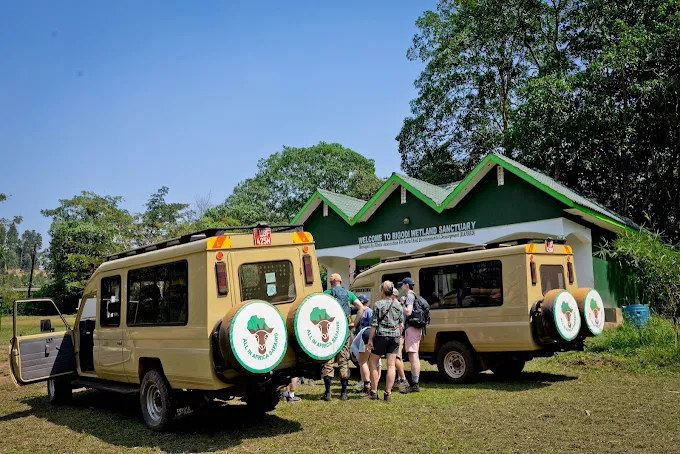
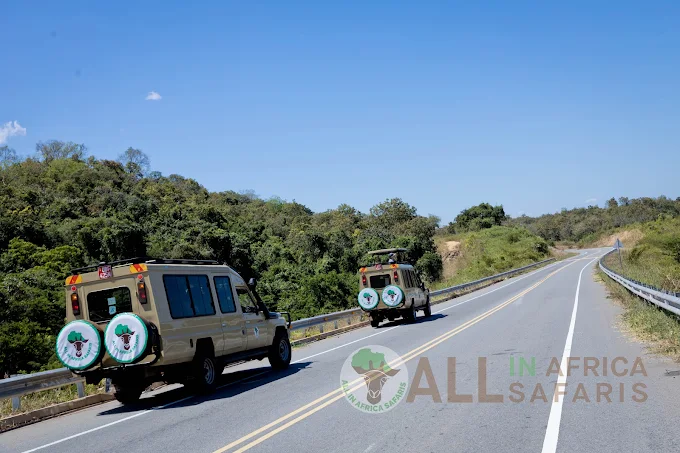
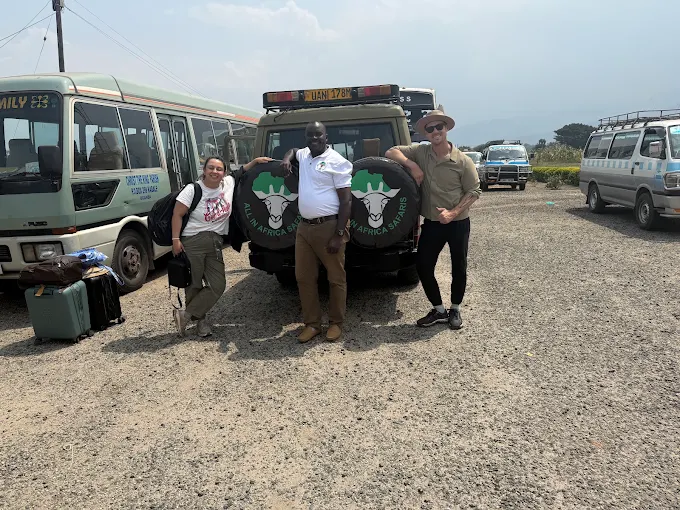
Uganda Safari Photos
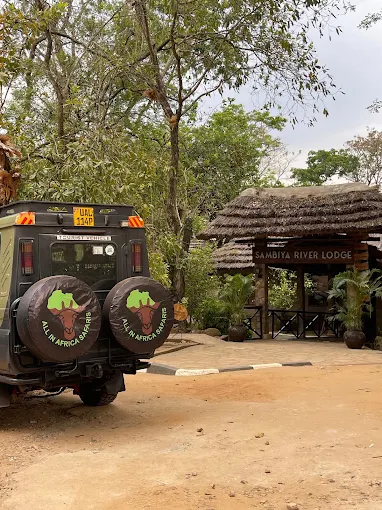
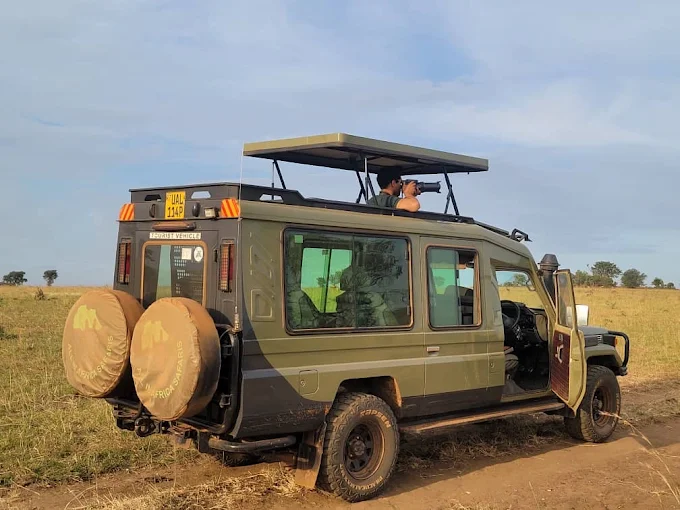
Our Green Spot Campaign
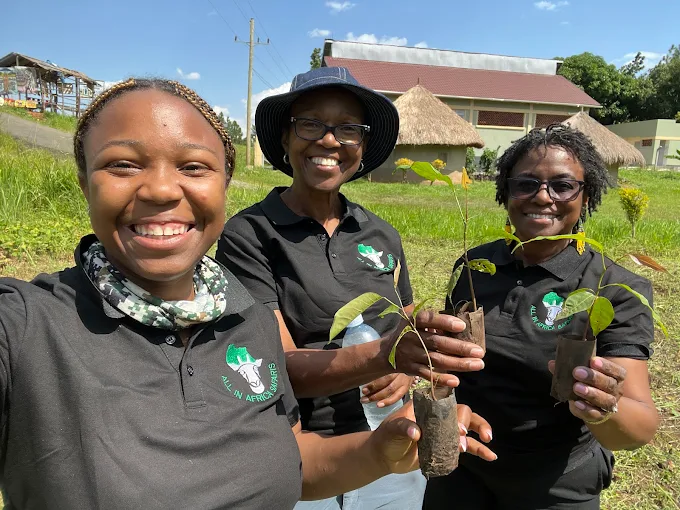
Every safari with us supports our Green Spot Campaign — planting trees across Uganda’s communities. Learn more & get involved →
All in Africa Safaris arranges tours to Uganda, Rwanda, Kenya and Tanzania
3 Days Murchison Falls Safari
Discover the Wildlife in the Murchison Falls National Park with engagement with a boat cruise and game drives which lead to a nature walk on top of the falls
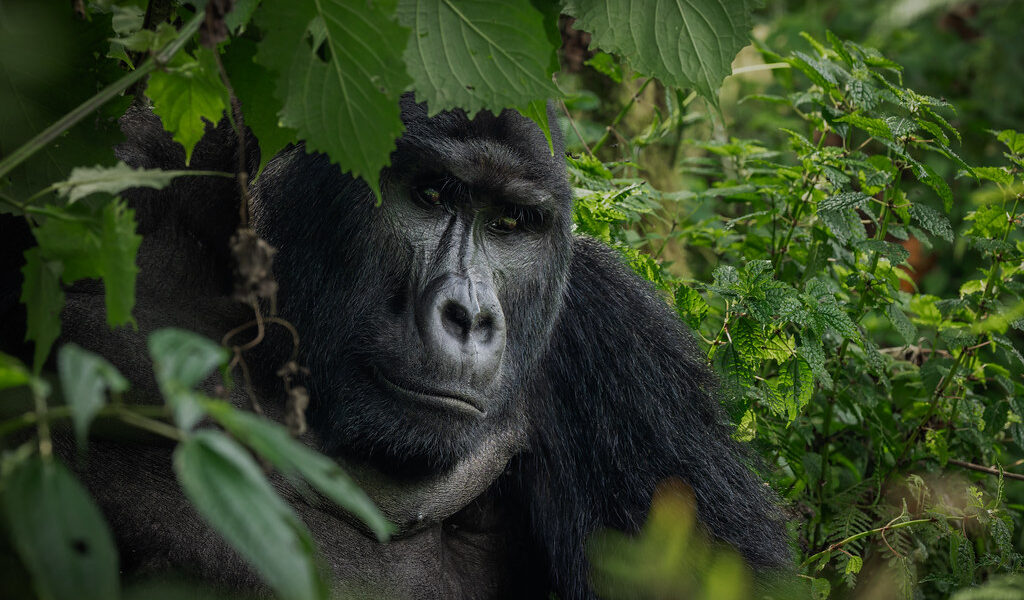
4 Days Gorillas & Queen Wildlife
Visit the magical national parks of Uganda known as Bwindi Forest and Queen Elizabeth National Park including gorilla trekking and wildlife views for travelers
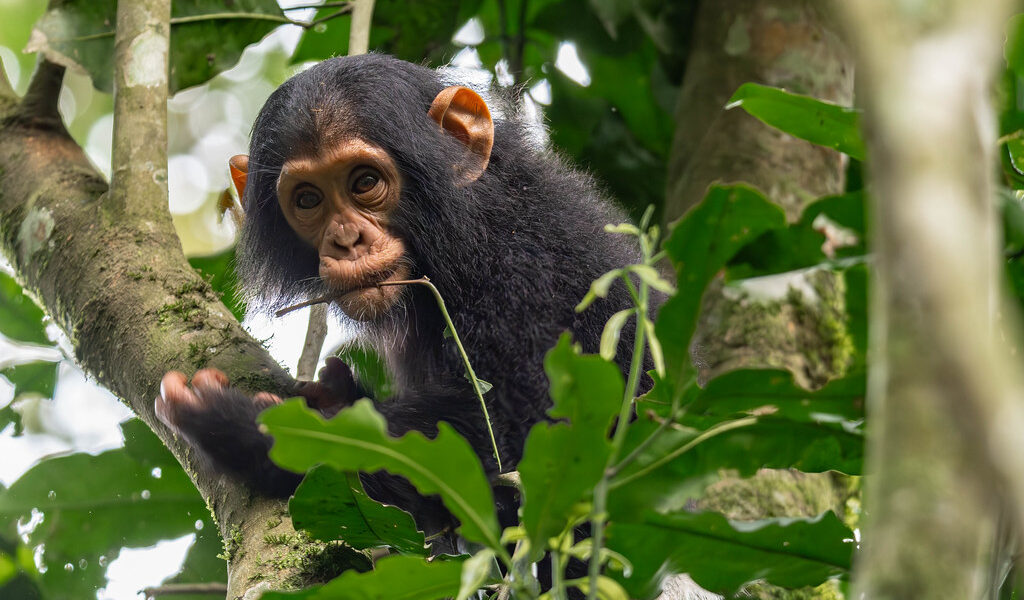
5 Days Gorillas & Chimps Track
Explore the great Mgahinga National Park conserving and protecting the endangered Mountain gorillas & chimpanzees in the pearl of Africa
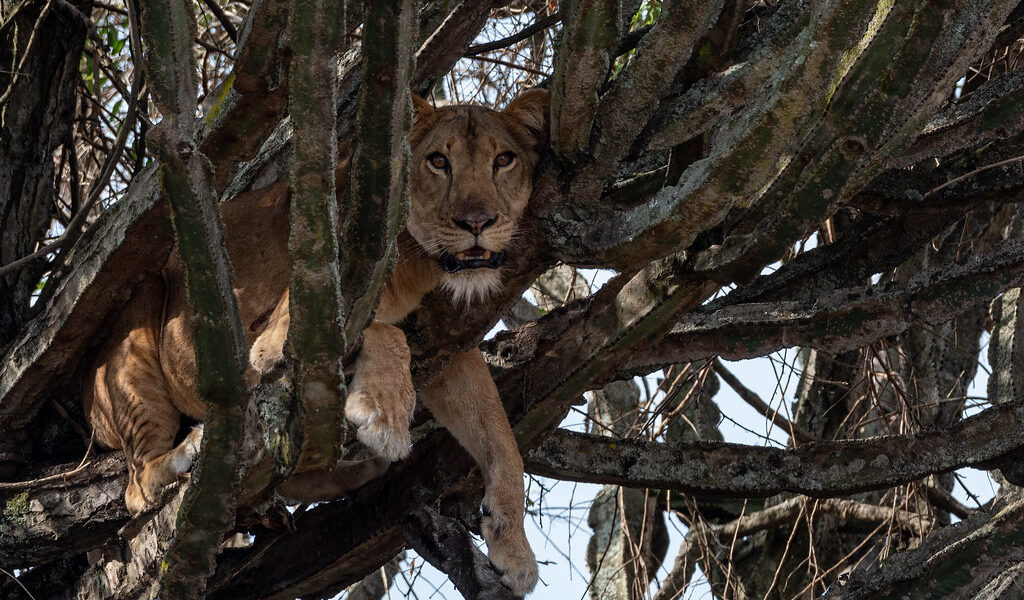
6 Days Uganda Safari
Visit the magical national parks of Uganda known as Bwindi Forest and Queen Elizabeth National Park which include the gorilla trekking and wildlife views
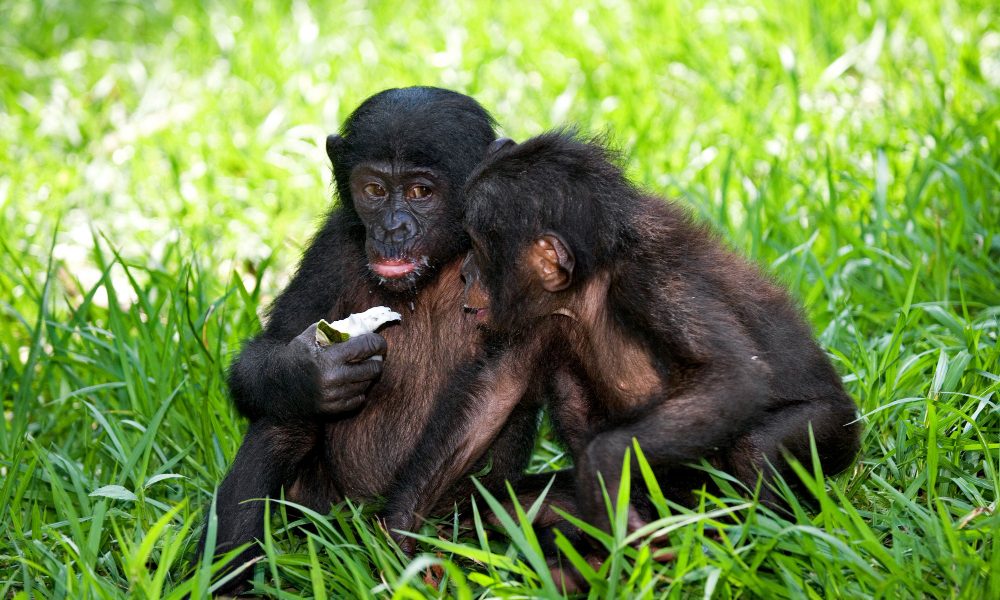
1 Day Bwindi Gorilla Tour from Kigali
A fast-paced day trip from Kigali into Bwindi Impenetrable Forest for a single unforgettable hour with a mountain gorilla family
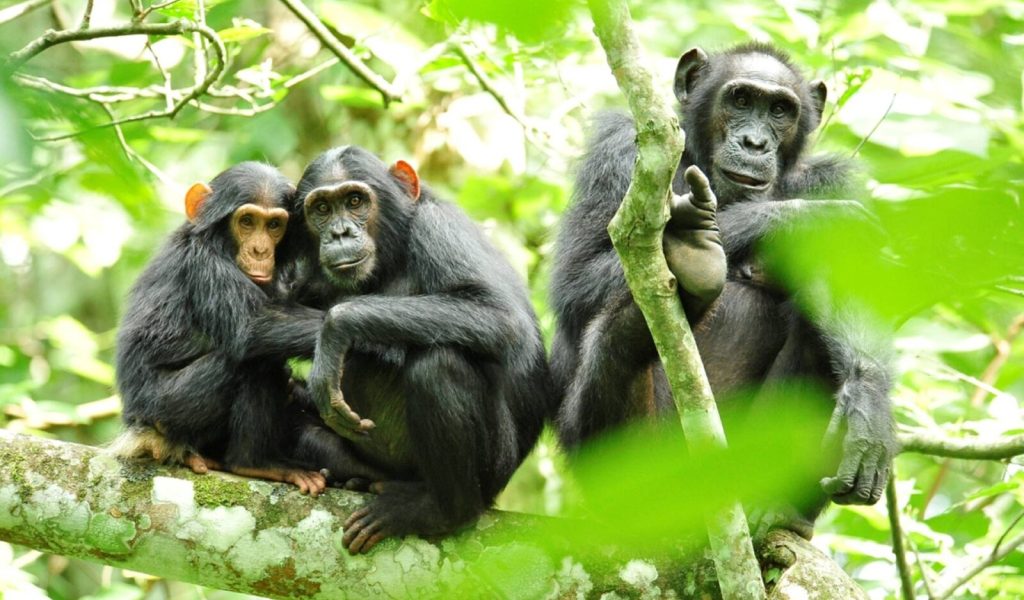
3 Days Chimpanzee Tracking in Kibale
Track chimpanzees through Africa’s primate capital, Kibale Forest, alongside a community walk through Bigodi Wetland Sanctuary
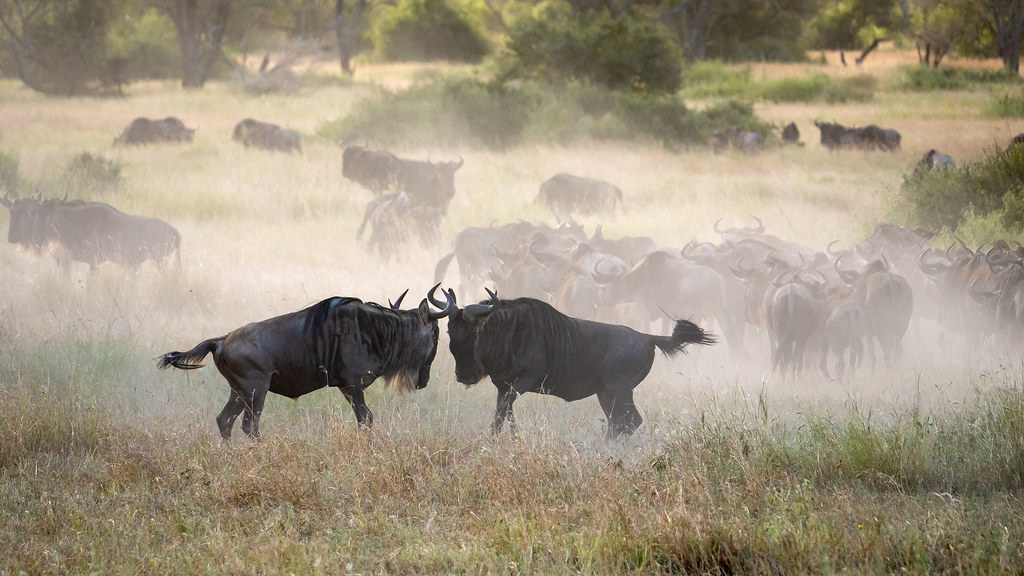
4 Days Kidepo Valley Wildlife Safari
Venture into Uganda’s most remote wilderness for cheetahs, ostriches and dramatic mountain scenery few visitors ever see
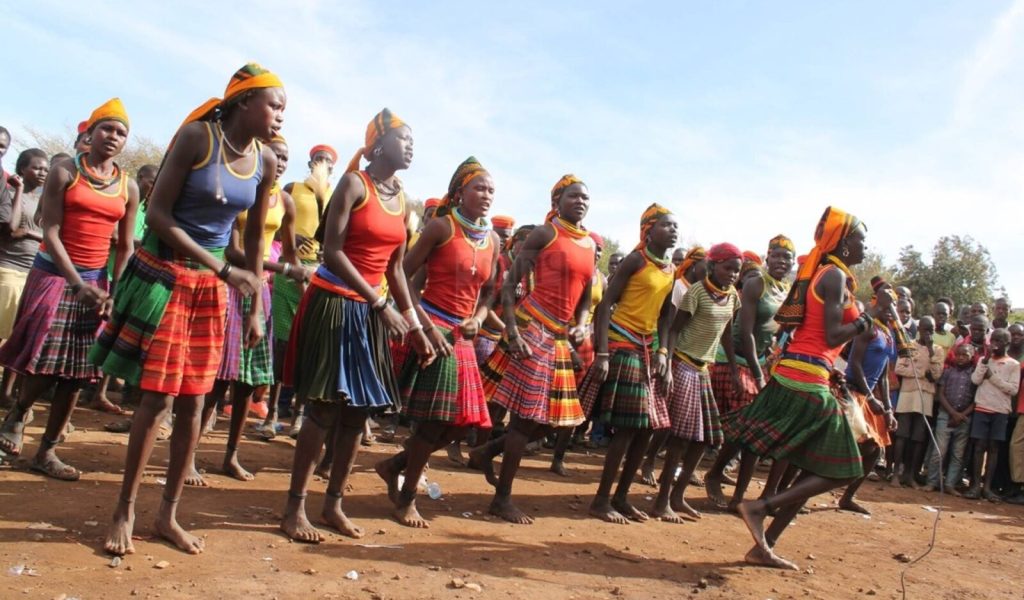
7 Day Kidepo and Sipi Safari
Combine Kidepo Valley’s wild plains with waterfall hikes and coffee tours in the Sipi Falls region
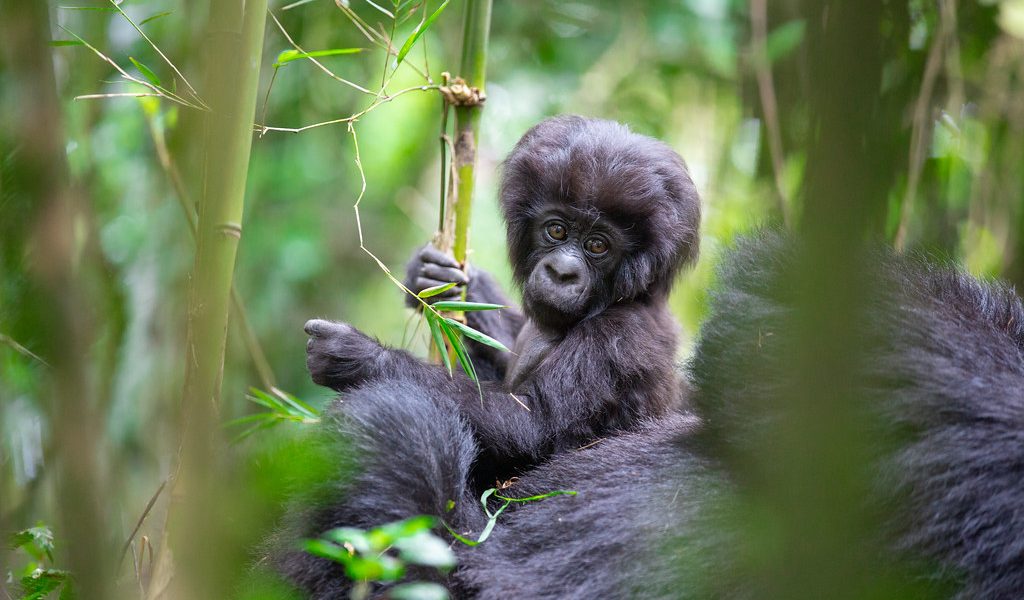
10 Days Rwanda Uganda Safari
A complete circuit through Volcanoes, Bwindi, Queen Elizabeth and Kibale for gorillas, chimps and classic wildlife
12 Days Uganda Leisure Holidays
An unhurried two-week journey through Murchison Falls, Kibale, Queen Elizabeth, Bwindi and Lake Mburo
14 Days Uganda Northern Circuit
Explore Kidepo Valley, Murchison Falls and Sipi Falls on this off-the-beaten-path northern adventure
15 Days Uganda Safari
Uganda’s full highlight reel across two relaxed weeks of gorillas, chimps, wildlife and scenic countryside