
Nyerere (Selous) National Park: The Complete Guide
Nyerere National Park is the largest single national park carved out of Tanzania’s historic Selous ecosystem, a wilderness the size of Belgium built around Tanzania’s biggest river and still known to many travelers and operators by its old name. This complete guide covers what Nyerere National Park actually offers that the northern circuit doesn’t: boat safaris on the Rufiji River, walking safaris with armed rangers, and one of Africa’s most important wild dog populations.
Key Highlights
- Covers 30,893 square kilometers, roughly the size of Belgium, making it one of the largest protected areas in Africa
- Created in 2019 when the historic Selous Game Reserve was split, with the northern section renamed after Tanzania’s first president, Julius Nyerere
- Built around the Rufiji River, Tanzania’s largest river, with boat safaris as a genuinely distinctive activity you won’t find on the northern circuit
- Home to one of Africa’s most significant remaining populations of endangered African wild dogs
- Best visited June through October, when dry conditions concentrate wildlife and open up the widest range of activities


From Selous to Nyerere
A Reserve With Colonial-Era Roots
The land now split between Nyerere National Park and the remaining Selous Game Reserve dates back to 1896, when German colonial authorities first set it aside as a protected hunting area. It was renamed Selous in 1922 after Frederick Selous, a British explorer and conservationist, a name that stuck for nearly a century of the reserve’s history.
Why the Name Changed in 2019
In 2019, the Tanzanian government split the reserve, converting its northern section into Nyerere National Park, named for Mwalimu Julius Kambarage Nyerere, Tanzania’s first president. The change was explicitly aimed at developing and elevating tourism in the area, since national park status brings different management priorities and protections than a game reserve, and a name tied to Tanzania’s founding leader carries more national significance than a colonial-era label. Many operators, guides, and travelers still refer to the area as Selous out of habit, so expect to see both names used interchangeably in practice, even though Nyerere is now the official designation for this particular section.
How Big This Ecosystem Really Is
Even limited to its national park portion, Nyerere covers 30,893 square kilometers, an area roughly the size of Belgium and among the largest single protected areas anywhere in Africa. That scale matters practically as well as impressively: it means genuinely low visitor density even during busier months, since the park can absorb far more travelers than it ever actually sees without anyone feeling crowded on a game drive or boat trip.
The Rufiji River and Its Wildlife
Tanzania’s Largest River
The Rufiji River runs through the heart of Nyerere National Park, Tanzania’s largest river system, supporting substantial populations of crocodiles and hippopotamuses along its length and feeding a delta that holds one of the largest mangrove forests in the world downstream. That river is really the organizing feature of the whole park, shaping where wildlife concentrates and, unusually for an East African safari destination, opening up boat-based activities alongside the standard game drive.
An Important Stronghold for Wild Dogs
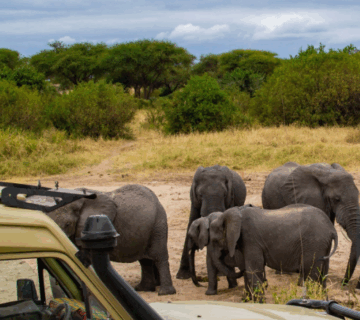
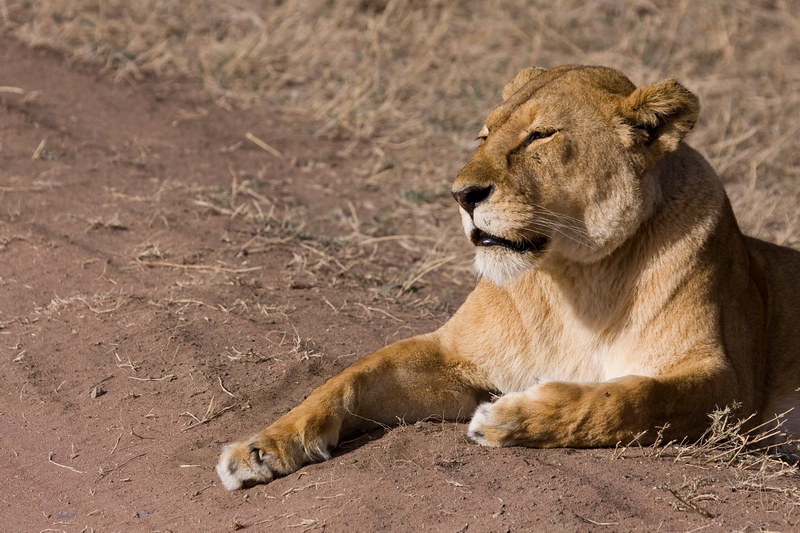
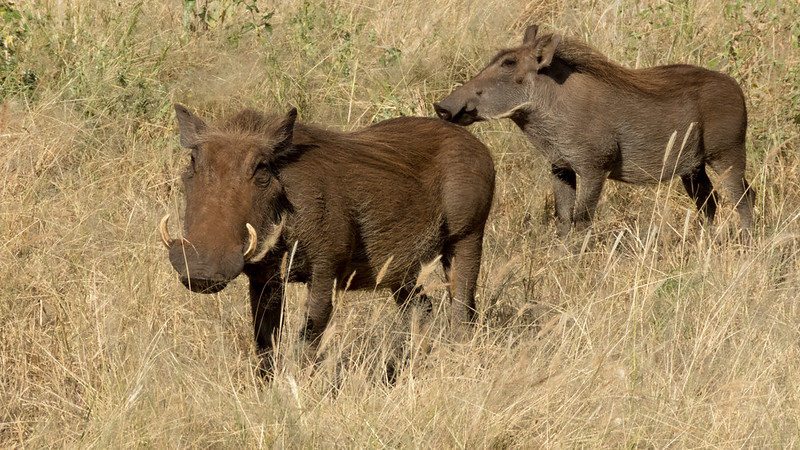
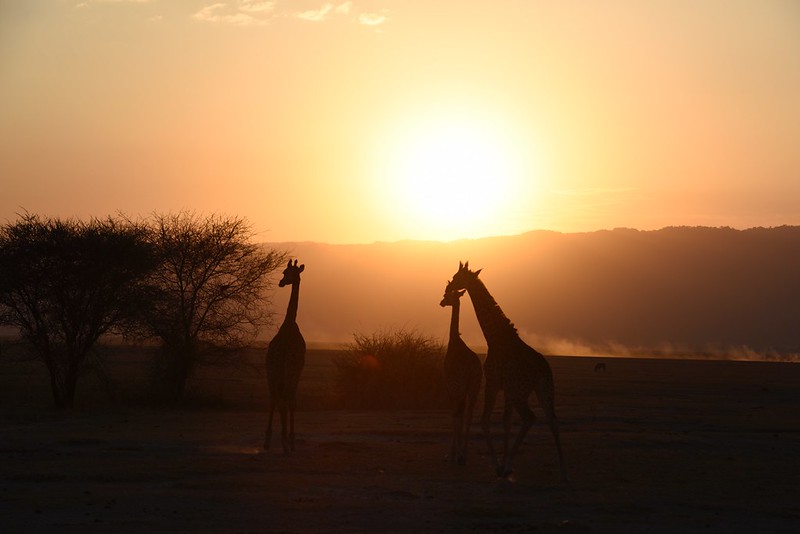
Nyerere is known specifically for its prolific population of African wild dogs, one of Africa’s most endangered large carnivores and a species that has disappeared from huge swaths of its former range elsewhere on the continent. Alongside the wild dogs, the park supports lions, leopards, giraffes, zebras, wildebeest, and impala, with the wider ecosystem’s history also including elephants that were hit especially hard by the poaching crisis of past decades, a population that exceeded 100,000 in the mid-1970s before collapsing by roughly two-thirds to around 13,000 by 2013.
An Elephant Recovery Story Still in Progress
That elephant collapse was one of the more severe poaching-driven declines recorded anywhere in Africa, and while numbers have stabilized under stronger anti-poaching enforcement and the added protections that came with national park status, the population has not returned anywhere near its historic peak. It is a sobering piece of context worth knowing before a visit, and also a reason conservation-minded travelers often cite for choosing to visit and support the park directly rather than skip it for a more crowded destination.
What Makes Activities Here Different
Boat Safaris
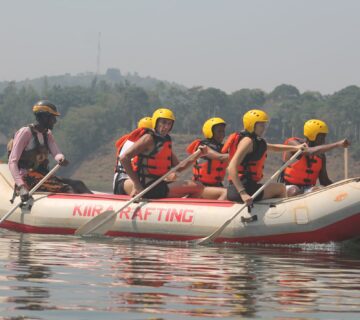
Boat trips along the Rufiji River and its associated lakes are the activity that sets Nyerere apart from Tanzania’s northern parks, typically costing 25 to 30 US dollars per person for an hour-long ride with a group of five or six, and offering a water-level view of hippos, crocodiles, and riverine birdlife that a vehicle simply can’t match. It is worth building at least one boat safari into any Nyerere itinerary specifically because it is not an option at Serengeti or Ngorongoro.
Walking Safaris and Fly Camping
Guided walking safaris with an armed ranger let you engage with the bush at a completely different pace and scale, reading tracks, insects, and smaller plant life that a vehicle-based game drive moves past too quickly to notice. Some camps, Sand Rivers among the most established, run genuine fly-camping programs too, where guests walk out from a main camp and sleep under mosquito netting in the open bush, a step up in immersion from even a standard tented camp stay.
Game Drives Alongside the Water Activities
Standard vehicle-based game drives remain part of most itineraries too, particularly across the drier woodland and grassland away from the riverbanks where lions, giraffe, and the resident wild dog packs range. The real advantage at Nyerere is having all three formats, boat, walking, and vehicle, genuinely available within a single stay, letting an itinerary rotate through different paces and perspectives rather than repeating the same game drive format every day.
Planning Your Visit
Getting There
Nyerere National Park sits 184 to 230 kilometers from Dar es Salaam by road, or under an hour away by daily scheduled flights from coastal cities, which makes it genuinely more accessible than Tanzania’s far western parks despite its size and wilderness feel. That accessibility from the coast is part of why Nyerere works well combined with a Zanzibar beach extension on the same trip.
What It Costs
Park entry fees run roughly 30 to 50 US dollars per adult per day depending on nationality and age, charged separately from any activity or accommodation package. Multi-day packages that bundle boat safaris, game drives, and walking safaris typically range from 500 US dollars up to 3,000 US dollars or more per person, depending on the accommodation standard and how many activities are included.
Best Time to Visit
June through October is the standard recommendation, when dry conditions give the most consistent game viewing on land and the Rufiji stays navigable for boat safaris. The wetter green season draws fewer visitors and can be strong for birding, but expect some activities and roads to be more limited during the heaviest rains.
Where to Stay
Accommodation ranges from classic riverside tented camps like Sand Rivers, built directly overlooking the Rufiji and organized around boat and walking activities, to a growing number of more affordable lodges catering to travelers who want the park’s core experience without the top-tier price tag. Because the park is so large, location relative to the river and the specific activities each camp emphasizes matters more here than at a smaller, more uniform park.
Frequently Asked Questions
Is Nyerere National Park the same place as Selous Game Reserve?
They’re closely related but not identical. Nyerere National Park is the northern section of the historic Selous ecosystem, converted to national park status in 2019, while a separate Selous Game Reserve designation still covers the remaining southern portion.
What makes boat safaris here worth doing?
They offer a water-level view of hippos, crocodiles, and birdlife along the Rufiji River that simply isn’t available at Tanzania’s northern parks, making Nyerere one of the few places on a standard Tanzania itinerary where a boat safari is a realistic option.
Can I combine Nyerere National Park with Zanzibar?
Yes, and many itineraries do exactly that, since Nyerere’s proximity to the coast and short flight times from coastal cities make a bush-then-beach combination genuinely practical rather than a long detour.
Is Nyerere good for seeing African wild dogs?
Yes, it holds one of Africa’s more significant remaining wild dog populations, making it a genuine draw for travelers specifically hoping to see this endangered species rather than a bonus sighting.
How does Nyerere compare to the Serengeti?
They offer genuinely different experiences rather than competing versions of the same thing. The Serengeti is built around open plains and the migration; Nyerere is built around a river system, with boat and walking safaris as real alternatives to the standard game drive.
Recommended Safaris
Nyerere National Park pairs well with both a wider Tanzania safari and a coastal extension. See our guide to Katavi National Park for another remote Tanzania wilderness destination, and our Lake Manyara National Park guide for how Nyerere can complement a more standard northern-circuit trip. Travelers planning a longer regional itinerary should also look at the 15-Day Ultimate East Africa Group Safari. When you are ready to plan a Nyerere trip, get in touch with our team and we will help you work out the boat safari and camp logistics.
 National Park: The Complete Guide)
No comment