

Currency and Money Tips for Visiting Tanzania
Tanzania’s tourism economy genuinely runs on a practical mix of US dollars and Tanzanian shillings, and understanding how to navigate this dual-currency system helps travelers avoid confusion and budget accurately for their safari, Zanzibar beach stay, or Kilimanjaro climb, regardless of which specific combination of destinations makes up their itinerary.
Why US Dollars Genuinely Matter So Much for Tanzania Travel
Major expenses like park entry fees, Kilimanjaro climbing permits, and many upscale lodge bills genuinely require or strongly prefer US dollar payment, meaning travelers should carry sufficient USD cash for these larger, planned expenses well before their trip actually begins. Bills genuinely need to be issued after 2006, clean, and free of tears or marks, since Tanzanian vendors and institutions enforce these condition standards strictly and often reject older or damaged notes outright, a detail worth confirming with your own bank when withdrawing fresh notes specifically for this trip. Withdrawing shillings from an ATM, widely available in Dar es Salaam, Arusha, and Zanzibar’s main towns, genuinely covers this gap for travelers heading into more remote safari areas where ATM access is considerably more limited, meaning a withdrawal before departing for the bush is genuinely worth planning ahead of time.
How Tanzanian Shillings Genuinely Handle Everyday Spending
Local currency genuinely handles smaller everyday purchases like meals outside your lodge, local transport, and souvenirs, meaning travelers should carry a mix of denominations rather than relying entirely on larger notes, since vendors and taxi drivers often struggle to provide change for big bills and a wallet full of only large notes can genuinely become a practical inconvenience. This distinction genuinely shifts by region too: Tanzania’s larger cities offer considerably more card acceptance than rural safari areas, so travelers should adjust their cash-to-card ratio depending on which specific regions their itinerary actually covers, carrying proportionally more shillings the further their route strays from Dar es Salaam or Arusha.
What Card Payment Genuinely Looks Like Across Different Settings
Established hotels, upscale lodges, and larger restaurants genuinely accept major credit cards, though smaller establishments and local markets remain considerably more cash-dependent, meaning travelers should carry both payment methods and check their card’s foreign transaction fee policy before relying on it heavily, since some cards charge meaningful fees that add up across a multi-day trip. Carrying two different card types from different networks, alongside your cash reserve, genuinely provides a useful backup should one payment method encounter an issue mid-trip, whether a network outage, a card block, or simply a machine that won’t read the chip correctly. Keeping receipts for larger card or cash transactions genuinely helps with expense tracking and provides a paper trail should any billing discrepancy arise once you’re back home reviewing statements.
How to Exchange Currency Genuinely Well Throughout Your Trip
Licensed foreign exchange bureaus in Tanzania’s major cities genuinely offer better rates than airport counters, which carry genuinely higher fees and less favorable rates, and exchange rates can shift slightly with seasonal tourist demand, meaning travelers should compare a couple of options rather than assuming the first bureau encountered offers the best deal. Some travelers genuinely prefer exchanging a small amount before departure through their home bank for immediate local currency on arrival, then handling larger exchanges through Tanzania-based bureaus once settled into their trip and able to compare rates without the pressure of an empty wallet immediately after landing.
How Much Cash to Carry and Keep Genuinely Secure
Beyond pre-arranged expenses like permits and accommodation, travelers should carry a reasonable cash buffer for tips, souvenirs, and incidentals, distributed across both USD and shillings, and genuinely err toward carrying slightly more than expected, since running short causes more disruption than a small unused surplus by trip’s end. Distributing cash across different bags or a money belt rather than one location, and keeping a secure, accessible pouch on your person during game drives rather than left in lodge luggage, genuinely limits potential loss while still allowing practical access throughout the day. Should you genuinely run low mid-trip, most safari operators can arrange an emergency top-up through their office network or point you toward the nearest reliable exchange bureau or ATM.
How Tipping and Special Trip Costs Genuinely Affect Your Cash Needs
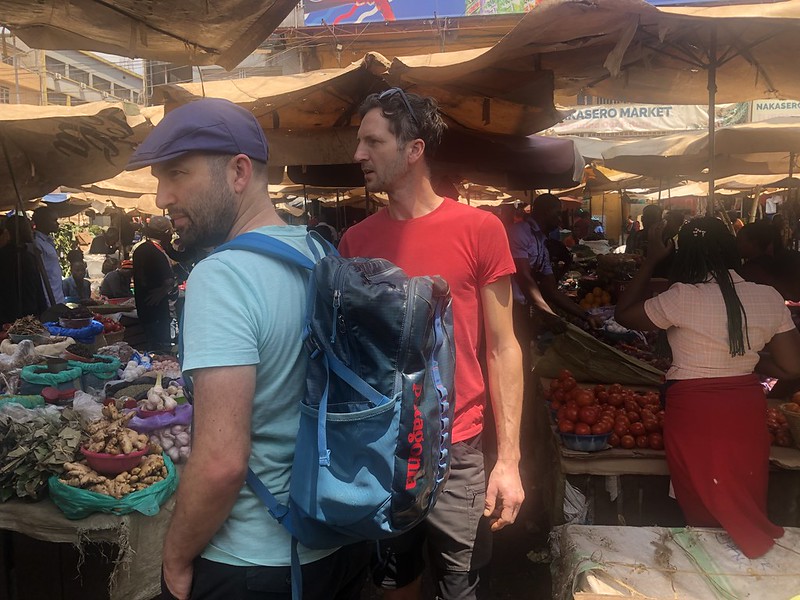
Tipping guides, drivers, and lodge staff genuinely follows established East African safari conventions, paid in cash at the end of a service or trip, and travelers should budget this into their overall cash planning rather than treating it as an afterthought discovered only on the final day. Travelers specifically climbing Kilimanjaro should confirm exact permit and porter tipping costs in USD with their operator well in advance, since this multi-day trek involves genuinely more structured cash planning across an entire climbing team, and travelers hoping to bring home authentic souvenirs should budget separate cash for local craft markets, which operate almost exclusively on cash rather than accepting cards.
What Role Mobile Money and Currency Apps Genuinely Play
Tanzania’s widespread mobile money systems handle much local commerce, though most short-term visitors find setting up a local account unnecessary given the practicality of simple cash and card combinations instead, since the registration process genuinely takes more time than most trip lengths justify. A basic currency conversion app on your phone genuinely helps you quickly assess whether a quoted local price feels reasonable, a small but useful tool for staying comfortable with shilling pricing throughout your trip, particularly useful during your first few days before mental conversion becomes second nature.
How Zanzibar’s Payment Landscape Genuinely Differs Slightly
Zanzibar’s tourism-heavy economy genuinely accepts USD more broadly than some mainland areas, though travelers should still carry shillings for local transport, ferry tickets, and smaller vendor purchases across the island, since these specific expenses genuinely favor local currency over card payment in most cases. Travelers combining mainland Tanzania with a Zanzibar extension should genuinely budget this separate cash need specifically, since ferry operators and island taxi drivers rarely offer card payment as a practical alternative on the spot.
What Common Mistakes First-Time Visitors Genuinely Make
First-time visitors sometimes genuinely bring outdated or damaged dollar bills, underestimate cash-only expenses like tips, or assume a single currency handles everything, mistakes worth avoiding through careful advance preparation and understanding Tanzania’s genuine dual-currency practicality upfront rather than learning it the hard way mid-trip. Notifying your bank of your travel dates before departure genuinely helps prevent your card being flagged and blocked for suspicious activity mid-trip, a simple precaution worth taking alongside your currency research, and travelers should genuinely pace themselves rather than assuming every payment situation resolves itself the same way it would at home.
How Working With Your Operator Genuinely Simplifies Payment Planning
Discussing which expenses your safari operator has pre-arranged versus which remain your responsibility genuinely helps you carry the appropriate cash amount rather than over- or under-preparing for your specific itinerary, and an experienced Tanzania operator provides clear guidance on which specific expenses require USD versus shillings for your particular route. Groups traveling together often find it genuinely simpler to designate one member for larger shared card expenses while individuals carry their own smaller cash for personal tips and purchases, and contacting your specific lodge directly to confirm accepted payment methods prevents surprises given how considerably card infrastructure varies between larger and smaller properties.
How This Currency Strategy Supports a Genuinely Relaxed Trip
Travelers combining Tanzania with other regional destinations should research each country’s specific currency norms separately, since payment expectations genuinely vary somewhat between Tanzania, Kenya, Uganda, and Rwanda despite their regional proximity, and those visiting several Tanzania regions within one trip should reassess cash needs at each stop rather than assuming a single upfront withdrawal covers the entire journey. Travelers who visit Tanzania multiple times consistently develop a genuine intuition for which specific expenses call for dollars versus shillings, a familiarity first-time visitors can shortcut simply by following this guidance rather than learning through trial and error. Ultimately, sorting out your currency strategy before departure genuinely frees up mental space to focus on wildlife, landscapes, and culture rather than payment logistics once you’re actually in Tanzania enjoying your trip.
What Genuine Safety Habits Protect Your Money Throughout the Trip
Beyond simply carrying the right currency, travelers should genuinely avoid displaying large amounts of cash in public settings, count money discreetly, and vary where valuables are stored day to day rather than settling into a predictable, easily targeted pattern. A small emergency reserve kept separate from your main wallet, alongside a card kept in a different bag entirely, genuinely provides a practical backup should your primary cash or card supply be lost or stolen, a precaution worth taking regardless of how carefully the rest of your trip is planned.
Planning Your Tanzania Trip Currency Strategy
Carrying a sensible mix of clean US dollars and Tanzanian shillings, confirmed against your specific itinerary and backed by a few simple security habits, helps your Tanzania trip run smoothly from arrival to departure. All in Africa Safaris can help you plan a well-prepared Tanzania trip, or you can get in touch to plan the details of your trip.



No comment