
Grassland Birding: East Africas Overlooked Larks and Pipits
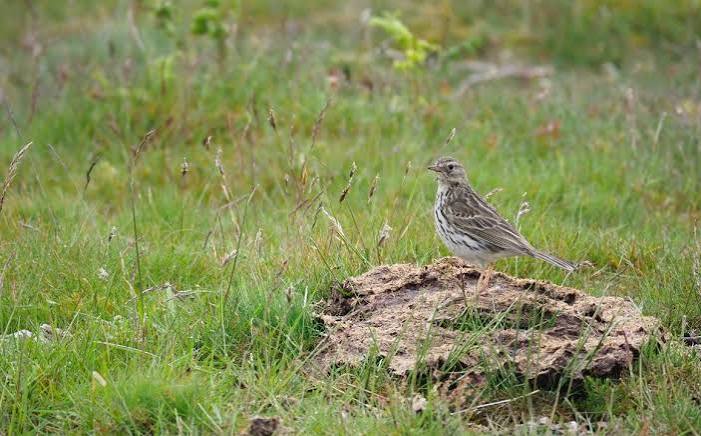
Grassland Birding: East Africas Overlooked Larks and Pipits shows a side of birding in East Africa. The interesting finds are often birds that do not get the same attention as eagles, flamingos, turacos or hornbills. In plains, short-grass savannas, highland meadows, dry rangelands and seasonal grasslands small birds move through the plants in a very skilled way. Their songs come from the ground wings flash quickly above the grass and tiny footprints disappear as soon as they appear.
For anyone to slow down and pay attention these areas offer a completely different kind of adventure. Larks and pipits may seem ordinary at first. Learning to recognize them shows a fascinating world of small details unique sounds, special ways of eating and smart ways of living. East Africa is a place to explore this world because Uganda, Kenya, Tanzania and Rwanda have a wide range of open areas.
Why Grasslands Deserve More Attention
Grasslands can look empty when seen from a moving vehicle. The land stretches to the horizon with some bushes, animals that are eating and maybe a bird of prey flying above.. The ground is often full of movement. Small birds search among the grass insects move in the earth. Male birds sing for a moment before going back into the plants.
This is where Grassland Birding: East Africas Overlooked Larks and Pipits really helps. You start to see movement that was not noticed before. A bird running on the ground becomes a species knowing. A quiet sound ahead becomes a sign. A small bird on a grass stem becomes part of a story about living in an open place.
Grasslands change all the time. Rain turns land into green places to eat and the dry season shows seeds and brings insects together. These changes affect where birds eat, where they have babies, where they go and where they gather. Visiting the place at different times can give very different experiences.
Learning to Understand the Open Area
Good grassland birding starts with knowing the environment not just looking around randomly. Look at how high and thick the grasss. See if the ground is bare, rocky, sandy or covered with plants. Look for termite mounds, scattered bushes, places where animals eat wet areas and places that were burned recently.
Each of these things can bring birds.
Short grass can be perfect for pipits and small larks because the birds can see danger while moving easily. Taller grass can help with making nests and staying safe. Areas that were burned can attract birds looking for insects that come out after the fire. Edges of grasslands can have a completely different group of birds.
The more you learn about these details the better your time, in the field will be.
Meet East Africas Larks
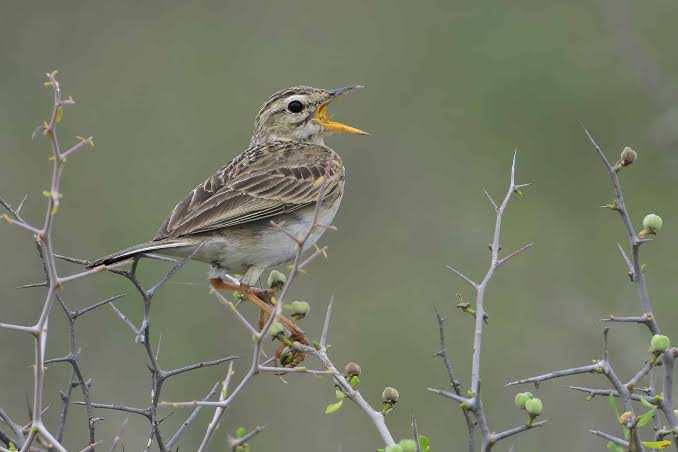
Larks are among the characteristic birds of open country. Many species spend much of their lives close to the ground, where their brown, sandy or streaked plumage provides camouflage. This can make them difficult to spot. Larks’ behavior often gives them away.
A lark may run of fly when approached. Another may rise suddenly from the grass circle briefly and return meters away. Some species deliver songs from the air turning an otherwise ordinary patch of grassland into a surprisingly musical place.
Species such as Rufous- Lark are familiar in many East African landscapes while other larks require more careful attention to plumage, habitat and vocalizations. Chestnut-headed Lark, Fawn-colored Lark and various smaller species can reward anyone who spends time examining plains carefully.
Plumage Is Only Part of the Identification
Identifying larks from photographs can be difficult because several species share similar earth-toned colors. The key may be in larks’ behavior, habitat, flight pattern, size or voice.
Pay attention to how larks move. Does a lark walk confidently across ground? Does a lark frequently. Stand upright? Does a lark flush when you approach closely? Does a lark rise high into the sky while singing?
The shape of a lark’s bill can also provide information. Some larks have bills suited to seeds while others have more delicate bills associated with different feeding strategies. Wing patterns, breast markings, facial features and tail shape can then help confirm larks’ identification.
A field guide becomes more useful when you combine these observations instead of relying on a single visual feature.
Pipits: Small Birds With Big Stories
Pipits are another group that deserves more attention. Pipits are often found walking across ground frequently bobbing their bodies as they move. Pipits’ streaked backs and subtle colors allow them to blend into grasslands with efficiency.
East Africa supports pipit species and distinguishing them can become an absorbing challenge. African Pipit, Long-billed Pipit, Plain-backed Pipit and other related species occupy habitats and show variations in plumage, size, behavior and vocalizations.
Grassland Birding: East Africas Overlooked Larks and Pipits becomes especially interesting when you start comparing these details. Two birds may look almost identical from a distance. Their calls or preferred habitats can reveal that they are entirely different species.
This is one reason experienced local guides can make such a difference. Someone who regularly works in a grassland may recognize a lark or pipit from its call before it ever comes into view. Someone may also know which sections of a reserve hold species during different seasons.
Listen Before You Look
Sound is one of the useful tools, for finding grassland birds. Many small species are easier to hear than see. Their songs can carry across country even when the bird itself remains hidden.
When you hear a call resist the urge to immediately continue driving. Stop. Listen again. Identify the direction. Watch the nearest grass stems and exposed patches of ground. With patience a bird may eventually appear.
Learning calls also changes your experience of the landscape. Of seeing a quiet plain you begin hearing territories, communication, courtship, warnings and contact calls. The grassland becomes more active once you know what you are listening for.
Where to Experience East African Grasslands
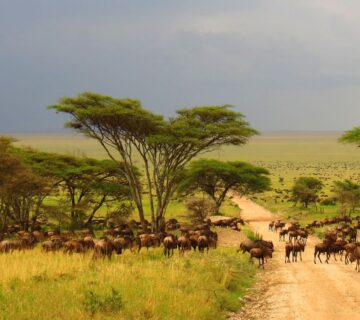
Kenya provides chances to visit open habitats, especially near the Maasai Mara ecosystem and the larger Rift Valley. Tanzania also has grassland areas, such as the Serengeti and other protected zones, where small ground‑feeding birds live with huge herds of mammals.
Uganda contains savanna and grassland places like Queen Elizabeth National Park, Murchison Falls National Park, Kidepo Valley National Park and Lake Mburo National Park. Each of these places has a mix of altitude, rainfall, plants and birds.
Rwanda gives an experience. Its highland grasslands and open spaces around protected lands let you search for species that live in heights.
The important point is that you do not always need a birding spot to find interesting grassland species. Open land next to a reserve, farm land, roadside plains and highland meadows can all give encounters when you look carefully.
How to Make Grassland Birding More Productive
Patience is essential. Small birds often show themselves slowly especially when the plants are thick. Of looking all the time split the area into small parts. Check near your vehicle first then look at patches with binoculars.
Early morning is especially productive because birds are active and the temperatures are comfortable. The first hours after sunrise can bring singing males, feeding groups and birds moving between resting and feeding spots.
A spotting scope can help when birds stay away while binoculars are essential for seeing movement. A notebook or birding app can also help you write down habitat, location, behavior and calls. These details become useful when you see a species later.
Avoid rushing from one sighting to another. One patch of grassland can give species if you spend twenty or thirty minutes watching carefully.
Give Small Birds the Same Attention as Big Ones
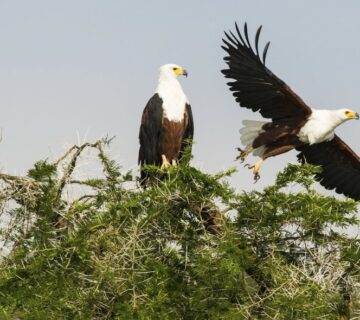
African safaris naturally attract attention to large animals and spectacular birds. Watching an eagle catch prey or a stork fly across a wetland can be unforgettable. Yet small birds give a kind of satisfaction because finding them often needs more observation.
Grassland Birding: East Africas Overlooked Larks and Pipits encourages you to see that quieter challenge. You may spend minutes searching for a bird that seems gone only to find it standing a few meters away in perfect camouflage.
That moment can be surprisingly rewarding. You have learned to spot its shape, movement, habitat or voice. The sighting feels earned because you paid attention to details that’re easy to miss.
A New Way to Experience East Africa
The beauty of Grassland Birding: East Africas Overlooked Larks and Pipits lies in the change it brings to landscapes. A plain that once seemed empty becomes full of clues. The rustle of grass becomes worth checking. A distant song becomes a reason to pause.
You start to see how much life is close, to the ground. Larks look for food among stems. Pipits walk steadily across soil. Raptors fly above while smaller birds stay below. Every species has found a way to live in an area that can seem harsh and exposed.
This also reminds you that memorable birding does not depend on seeing the rarest or most colorful species. Sometimes the best encounter is a bird standing quietly in the grass perfectly adapted to its surroundings.
If you give East Africas grasslands the time they deserve Grassland Birding: East Africas Overlooked Larks and Pipits can become one of the satisfying ways to explore the area. The experience asks you to slow down listen study habitat and accept that discovery may take time.
Once you develop that habit you will never look at a grassland in quite the same way again. What first seemed like a horizon can become a rich living landscape, full of movement, sound and small discoveries waiting to be noticed.





No comment