
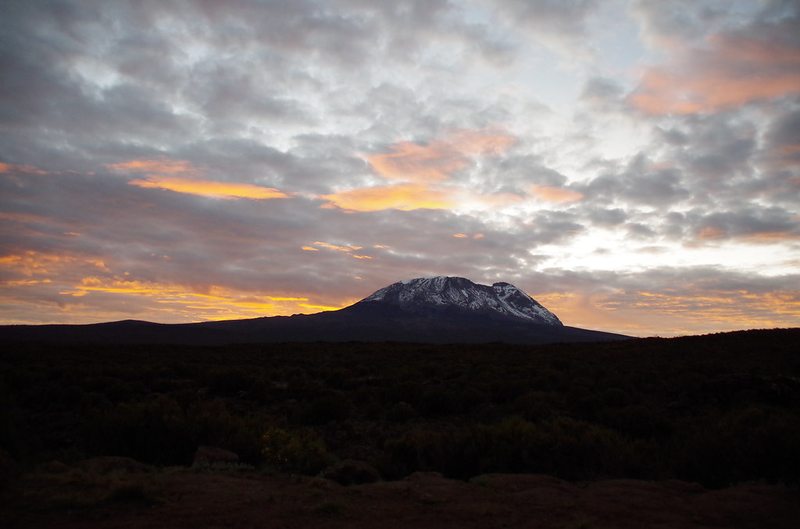
Altitude Sickness on Solo Travel: Prevention Tips
Solo travelers tackling East Africa’s high-altitude destinations, Kilimanjaro, Mount Kenya, or the Rwenzori Mountains, face altitude sickness risk without a companion to notice early warning signs, making genuine self-awareness and deliberate prevention strategies particularly important when trekking alone.
Why Solo Travel Changes the Altitude Sickness Equation
Without a companion to notice confusion, unsteady walking, or unusual behavior, symptoms altitude sickness can produce, solo trekkers must rely more heavily on structured self-monitoring and honest self-assessment.
Understanding Altitude Sickness Symptoms Before You Go
Learning to recognize headache, nausea, dizziness, and fatigue as potential altitude sickness symptoms, rather than dismissing them as simple exhaustion, matters especially for solo trekkers monitoring themselves.
Why Gradual Acclimatization Matters Even More Solo
Choosing a trekking itinerary with genuinely gradual altitude gain, rather than the fastest available route, reduces altitude sickness risk meaningfully, a decision solo travelers should prioritize deliberately.
The Value of a Guide Even When Traveling Solo
Solo travelers on high-altitude treks should always trek with a qualified guide, who can provide the external monitoring and symptom recognition a companion would otherwise offer.
Communicating Your Solo Status Clearly to Your Operator
Informing your trekking operator that you’re traveling solo helps them assign appropriately attentive guide support and ensure proper monitoring protocols throughout your climb.
Setting Up a Check-In System With Someone at Home
Establishing a regular check-in schedule with someone at home, where connectivity allows, provides an additional layer of accountability and safety for solo high-altitude trekkers.
Why Hydration Matters Even More Without a Reminder Partner
Solo trekkers should build deliberate hydration reminders into their routine, since dehydration can compound altitude sickness risk and no companion is present to prompt regular water intake.
Considering Preventive Medication Options
Discussing preventive altitude sickness medication with a travel health professional before your trip gives solo trekkers an additional prevention layer worth considering for high-altitude climbs.
Building Genuine Rest Days Into Your Solo Itinerary
Choosing an itinerary with built-in acclimatization rest days, rather than the shortest possible schedule, reduces altitude sickness risk considerably for solo climbers without a partner urging caution.
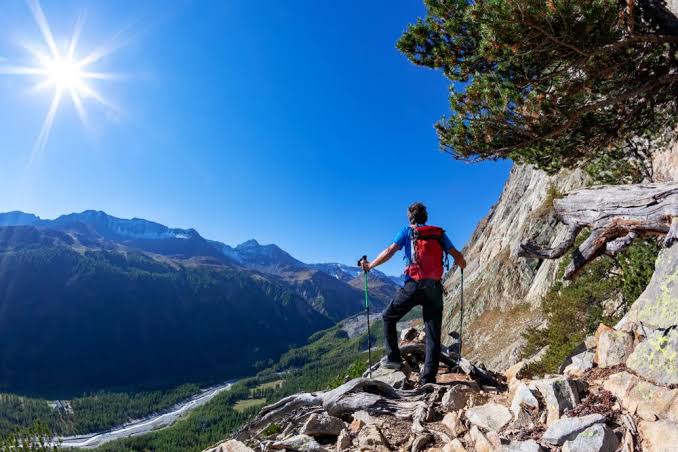
Why Honesty With Your Guide About Symptoms Matters
Solo trekkers sometimes feel pressure to push through symptoms without a companion validating their concerns, making proactive, honest communication with your guide genuinely essential.
Recognizing When to Turn Back
Understanding in advance that turning back or descending is always an acceptable, even wise choice helps solo trekkers make clear-headed decisions when symptoms genuinely warrant it.
What Severe Altitude Sickness Symptoms Look Like
Recognizing severe symptoms, confusion, loss of coordination, or breathing difficulty, as medical emergencies requiring immediate descent matters critically for solo trekkers without a companion to insist on this.
Choosing Routes With Better Acclimatization Profiles
On Kilimanjaro specifically, routes like Lemosho or Machame offer more gradual acclimatization profiles than faster routes, a worthwhile consideration for solo climbers prioritizing safety.
Physical Preparation Before Your Solo High-Altitude Trip
General cardiovascular fitness, while not preventing altitude sickness directly, supports overall trekking resilience and recovery capacity, worth building before any solo high-altitude climb.
Why Travel Insurance Matters Specifically for Solo Altitude Trekking
Confirming your travel insurance covers high-altitude trekking and emergency evacuation provides essential protection for solo travelers who lack a companion to manage emergency logistics.
Joining a Group Trek as a Solo Traveler
Solo travelers can join organized group treks, gaining both social connection and additional informal peer monitoring alongside the professional guide oversight every reputable operator provides.
What Experienced Solo High-Altitude Trekkers Recommend
Experienced solo trekkers consistently emphasize choosing reputable operators with strong safety protocols over marginally cheaper options, given the genuine stakes altitude sickness presents.
How Sleep Quality Affects Altitude Sickness Risk
Prioritizing genuine rest and quality sleep at each camp, despite altitude’s tendency to disrupt sleep, supports your body’s acclimatization process throughout a multi-day solo climb.
Why Alcohol and Certain Medications Warrant Caution at Altitude
Avoiding alcohol and discussing any regular medications with a doctor before high-altitude travel helps solo trekkers avoid compounding factors that can worsen altitude sickness symptoms.
Building a Personal Symptom Journal During Your Climb
Solo trekkers can benefit from briefly noting how they feel at each camp, creating a personal record that helps distinguish genuine worsening symptoms from normal trekking fatigue.
What to Pack Specifically for Altitude Sickness Management
Packing any prescribed altitude sickness medication, a basic pulse oximeter if recommended by your doctor, and clear written information about your symptoms and medications supports solo safety.
How to Choose an Operator With Strong Safety Protocols
Researching an operator’s specific altitude sickness monitoring protocols, oxygen availability, and emergency descent procedures before booking matters considerably more for solo trekkers.
Why Mental Preparation Matters Alongside Physical Preparation
Solo trekkers benefit from mentally rehearsing how they’ll respond to early symptoms, reducing the tendency to minimize or ignore warning signs when no companion is present to notice them.
What First-Time Solo High-Altitude Trekkers Should Know
First-time solo trekkers should understand that solo travel doesn’t mean traveling without support, professional guides and structured group logistics provide genuine safety infrastructure throughout.
How Emergency Evacuation Actually Works at High Altitude
Understanding your specific mountain’s emergency evacuation procedures and confirming your operator’s protocols beforehand gives solo trekkers genuine clarity about worst-case scenario logistics.
Building Genuine Trust With Your Guide Early in the Trek
Establishing open, honest communication with your guide from the trek’s first day makes it considerably easier to report symptoms candidly as the climb progresses.
Final Thoughts on Solo Altitude Sickness Prevention
Combining gradual acclimatization, honest self-monitoring, professional guide support, and genuine willingness to descend if needed gives solo trekkers a comprehensive altitude sickness prevention approach.
Why This Preparation Applies Across Multiple Mountains
These prevention principles apply consistently whether you’re climbing Kilimanjaro, Mount Kenya, or the Rwenzori Mountains, making this preparation broadly valuable for any solo high-altitude trekking plans.
What Repeat Solo Trekkers Say About This Preparation
Experienced solo trekkers consistently describe thorough pre-trip altitude sickness education as one of the most valuable preparation steps they took, well beyond physical fitness alone.
How to Build Confidence for Your First Solo High-Altitude Trip
Starting with a shorter, lower-altitude solo trek before attempting a major summit builds genuine confidence and self-awareness useful for recognizing your own altitude response patterns.
A Final Word on Solo Safety at Altitude
Solo travel and safe high-altitude trekking aren’t mutually exclusive, and travelers who prepare deliberately and choose reputable operators can pursue genuinely rewarding solo mountain experiences safely.
Bringing This Preparation Together for Your Trip
Combining thorough education, professional guide support, honest self-monitoring, and appropriate medical preparation gives solo trekkers the strongest possible foundation for a safe high-altitude climb.
Why Descending Even One Camp Can Resolve Mild Symptoms
Understanding that even a modest descent of a few hundred meters can meaningfully relieve mild altitude sickness symptoms helps solo trekkers see descent as a practical tool rather than total trip failure.
What Role Oxygen Saturation Monitoring Can Play
Some solo trekkers choose to carry a small pulse oximeter, tracking blood oxygen saturation as an objective data point alongside subjective symptoms, though this should supplement rather than replace guide judgment.
How to Vet an Operator’s Guide-to-Client Ratio for Solo Trekkers
Asking specifically about guide-to-client ratios, and confirming a single guide won’t be stretched across too large a group, matters particularly for solo trekkers relying on close individual attention.
Why Nutrition Deserves Attention Alongside Hydration
Maintaining adequate caloric intake, even when altitude suppresses appetite, supports your body’s energy reserves for both trekking exertion and acclimatization, worth deliberate attention when trekking solo.
A Final Word on Trusting Your Own Judgment
Ultimately, no guide or protocol can fully substitute for a solo trekker’s own honest, attentive awareness of how their body is responding, making this self-knowledge the foundation of safe solo high-altitude travel.
What Fellow Trekkers on a Group Departure Can Offer Solo Travelers
Even when booking solo, joining a scheduled group departure introduces informal peer support, since fellow trekkers often notice and mention symptoms in each other well before anyone might raise it with the guide directly.
How to Research a Mountain’s Specific Altitude Profile Beforehand
Studying your chosen mountain’s specific daily elevation gain and camp altitudes before booking helps solo trekkers choose an itinerary genuinely matched to their own acclimatization needs and risk tolerance.
Why Post-Trip Reflection Improves Future Solo Trekking Decisions
Reviewing how your body actually responded after your trek, rather than only during it, helps solo travelers build a genuinely personalized understanding of their own altitude tolerance for future climbs.
One Final Reminder Before You Depart
Confirm your operator’s current altitude sickness protocols and emergency contact information directly before departure, ensuring your final preparation reflects specifics of your actual booked trek.
A Final Thought on the Rewards of Solo High-Altitude Travel
Despite the added self-reliance it demands, solo high-altitude trekking offers a genuinely distinctive sense of personal accomplishment, one well worth the extra preparation described throughout this guide.
Planning Your Solo High-Altitude Trek
Thoughtful preparation lets solo travelers pursue East Africa’s remarkable high-altitude destinations safely and confidently. All in Africa Safaris can help you plan a well-supported solo high-altitude trek, or you can get in touch to plan the details of your trip.

No comment