
Papyrus Swamps of East Africa: A Specialist Birders Guide
In East Africa some of the best birding starts where the ground turns into water, reeds, small waterways and lots of papyrus. These wetlands might seem quiet at first. They have a wide variety of birds. Some of these birds like to stay hidden in the plants and don’t go far from them. For someone who wants to focus on wetland birds the Papyrus Swamps of East Africa: A Specialist Birders Guide shows you one of the interesting places in the region.
Papyrus wetlands are found in parts of Uganda, Kenya, Tanzania, Rwanda and other parts of East Africa. They are around lakes, rivers, floodplains and shallow waterways where papyrus grows well. The thick plants create an area with stems, open water, floating plants, muddy edges and narrow paths. Each part of the wetland can have birds so a single morning on the water can be very exciting.
The charm of these wetlands is not about the number of birds you might see. Papyrus swamps offer a kind of birding. Of driving along a road and looking at open land you may go quietly in a canoe listen for calls hidden in the reeds and wait for movement among the papyrus stems. It asks for observation, patience and being ready to take your time.
Why Papyrus Wetlands Are Important for East African Birds
Papyrus is more than a big plant in the wetlands. Its thick growth gives places for nesting, food, cover and breeding for birds. The mix of water and thick plants makes a place where birds can find food and stay safe from danger.
Some wetlands also have areas between the papyrus. These spots attract birds that like water, mud, floating plants or open banks. Other areas stay inside the plants, where the birds are hard to see but easy to hear.
A Place Made for Birds That Hide
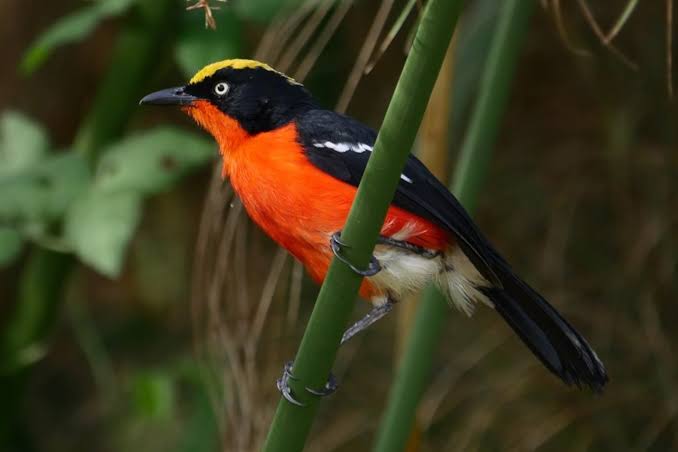
One of the things about papyrus wetlands is the chance to see birds that are not often seen in normal safari areas. Papyrus Gonolek is a bird strongly connected to papyrus and other thick wetland plants. Its colorful feathers can be unforgettable when the bird shows itself above the stems.
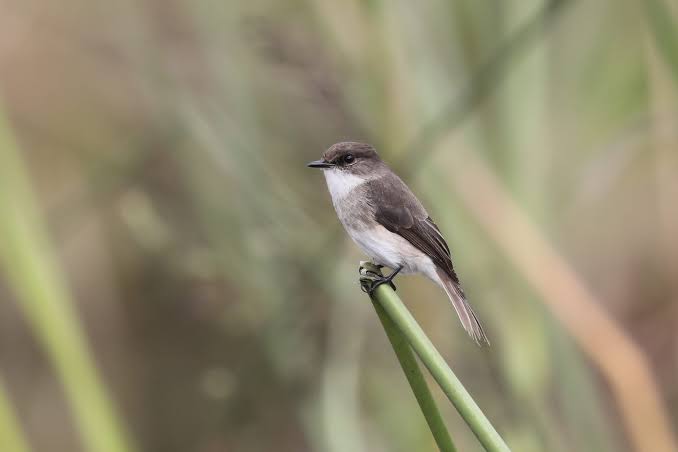
Papyrus Canary is another bird that lives in areas with lots of papyrus. Its special home means that exploring wetlands is very worth it, for anyone who is trying to build a list of East African birds.
The White-winged Warbler is another bird that people look for in papyrus areas. It is small moves quickly and is often hard to see. Hearing its call before seeing it can be part of the fun.
Then there are birds that use the wetlands but are not completely tied to papyrus. African Purple Swamphen, African Jacana, Malachite Kingfisher, Pied Kingfisher, African Fish Eagle, Grey Heron and several types of egrets can be seen near wetland areas.
Ugandas Papyrus Swamps
Uganda is one of the places to experience papyrus wetlands in East Africa. Its extensive lake systems, rivers, marshes and smaller wetlands create opportunities for specialized birding. Mabamba Swamp near Lake Victoria is well known for its papyrus channels and remarkable wetland birdlife.
Mabamba is famous for the Shoebill. Searching for this enormous bird can be a major reason to visit.. The surrounding habitat deserves attention in its own right. A quiet canoe journey can reveal kingfishers, herons, egrets, cormorants, weavers, bee-eaters, jacanas, raptors and small wetland specialists.
The experience is particularly rewarding in the morning. The air is cooler bird activity is high and the water often remains calm. Local boat operators and experienced naturalists can also help identify channels and interpret bird calls coming from vegetation that looks impenetrable to an unfamiliar eye.
Mabamba and the Art of Slow Birding
A canoe is ideal for exploring papyrus wetlands because it allows you to enter narrow channels without creating the disturbance associated with larger boats. The quiet movement gives you time to scan the reeds and listen carefully.
The best approach is rarely to rush toward every sound. Instead pause frequently. Watch the edges of the vegetation. Look for birds carrying material feeding near the water or moving between papyrus stems.
This is where Papyrus Swamps of East Africa: A Specialist Birders Guide becomes more than a species checklist. It is an invitation to understand how habitat shapes bird behavior. Once you recognize that connection, a dense wall of papyrus stops looking empty.
Kenyas Wetland Opportunities
Kenya offers a variety of wetland habitats around the Great Rift Valley lakes. While some lakes are famous for flamingos and large concentrations of waterbirds papyrus-lined sections and freshwater marshes provide an experience.
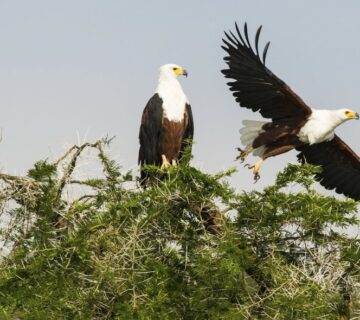
Lake Naivasha is an example. Its freshwater environment supports waterbirds and areas of dense vegetation can provide shelter for smaller species. African Fish Eagles are frequently associated with the lake environment while herons, egrets, kingfishers and cormorants add variety.
Other wetland areas in Kenya can become productive during seasons as water levels change. A specialist approach means paying attention to habitat than visiting only the most famous birding locations.
Tanzanias Papyrus Wetlands
Tanzania is better known internationally for its savannas and large mammals. Its wetlands contain impressive bird diversity. Around lakes, rivers and floodplains, papyrus and other aquatic vegetation provide habitat.
Lake Manyara is one of the recognizable wetland landscapes in northern Tanzania. Its changing water levels influence where birds gather while surrounding woodland and open habitats add variety.
Southern Tanzania also contains wetland environments. Exploring these areas with a local guide can reveal species that may be missed during conventional wildlife-focused safaris.
Combine Wetland Birding With Broader Safari Routes
One advantage of African birding is that wetland habitats can often be incorporated into larger wildlife itineraries. You do not necessarily need to plan a trip around papyrus.
A safari through Uganda, Kenya, Tanzania or Rwanda can include lakes, marshes, forest, woodland and savanna. This habitat variety can produce a longer species list while giving you a richer understanding of regional ecology.
For photographers wetlands also provide opportunities, for behavior. Birds feeding, flying low over water carrying material, fishing or calling from vegetation can produce memorable encounters even when the species itself is familiar.
Rwandas Marshes and Wetland Birding
Rwanda may be small in size. It holds important wetlands that are a key part of the country’s natural beauty. Marshes, lakes and rivers form environments where many bird species live. These wetlands are not just beautiful—they are home to birds that depend on water and reeds for food, shelter and nesting.
You don’t have to go to find good birding spots. Wetlands near Kigali and other towns offer access for birdwatchers. Larger remote wetlands give you a wider range of habitats and more bird species. Because Rwanda has highlands and wetlands together you can see very different birds in just a short drive.
Patience is a must. The thick reeds and tall grasses can hide birds for a time. If you move quickly or make noises birds may fly away before you even see them. Early mornings are best. When the sun is low and the air is still birds are most active. A quiet slow walk or canoe trip offers chances than a rushed visit.
How to Prepare for a Papyrus Birding Excursion
Getting ready makes a difference. Bring binoculars. You need a view especially in dense papyrus. Wear clothes and pack a field guide or use a bird identification app. Bring sunscreen and insect repellent— mosquitoes can be strong in wetland areas. Carry plenty of water. Protect your gear. Waterproof bags are helpful when you travel by canoe. Water splashes can damage phones, cameras or notebooks.
Wear clothes in colors like green, brown or gray. Bright colors can scare birds away. Muted tones help you blend in. Early mornings can be cool on open water. A light jacket or layer is useful.
The important thing to bring? Patience. Some birds, like the Papyrus Gonolek or White-winged Warbler may only appear for a seconds. If you are always moving or talking you might miss them. Stay still. Listen. Watch the reeds.
The Best Time to Explore Papyrus Wetlands
Birding success depends on the season. Water levels, rainfall, breeding cycles and migration all influence what birds you see. Early mornings are ideal. Birds are active. The light is soft. As the day gets hotter birds may become quieter.
During the season water levels rise. Plants grow lush and green. Insects are common and bird activity increases.. Some areas may be harder to reach. Local knowledge becomes very useful. Guides know the paths and how to avoid flooded zones.
In the season water levels drop. Birds gather around pools and channels. This can make them easier to spot.. Not all wetlands react the same. Some may dry out completely. Others remain wet. Always check conditions before you go.
There is no month for every bird. If you have a species in mind research when and where it is most likely to appear. Look at its habitat needs and seasonal patterns. Plan your trip around that.
Protecting East Africas Papyrus Wetlands
Papyrus wetlands are under pressure. Farmland expands into wetland areas. Homes are built. Water is drained. Pollution enters the rivers. Fires burn reeds. People harvest papyrus for fuel or crafts. When wetlands disappear birds lose their homes. They lose feeding areas and nesting sites.
Birds like the Papyrus Warbler or the African Rail depend on these places. When habitats are lost birds decline. Communities also suffer. Wetlands clean water, support fishing and protect against floods.
Responsible birding helps. When you visit use marked trails. Hire guides. Avoid nests during breeding season. Never disturb birds or their homes. Follow rules set by people.
The Papyrus Swamps of East Africa: A Specialist Birders Guide should include conservation. Seeing a rare bird is exciting.. Understanding why it needs protection makes the experience deeper.
Local communities are key to wetland survival. Support them. Use canoe trips. Hire guides. Join conservation efforts. When people see that wetlands bring income and pride they are more likely to protect them.
Make Your Next Birding Trip More Specialized
East Africa has birding spots—Maasai Mara, the Serengeti, the Rift Valley.. Some of the best birding happens off the main roads. Papyrus wetlands are full of surprises. They reward those who take time.
They ask you to listen. To move slowly, look closely, learn what lives in the reeds. At first a papyrus swamp may seem plain.. Once you know how to see it the richness becomes clear.
The Papyrus Swamps of East Africa: A Specialist Birders Guide helps you approach these places with purpose. Of just ticking off species you can learn where birds forage why they choose certain reeds how water levels affect their behavior and which areas need protection.
For a birding trip consider visiting wetlands across Rwanda, Uganda, Kenya and Tanzania. Don’t rush. Spend days in each place. Experience the sounds the light, the quiet.
Let the Wetlands Change How You See East Africa
Papyrus swamps are not dramatic like mountains or savannas.. They hold their own beauty. A narrow path through reeds can lead to a kingfisher flashing blue. A sudden call from deep within the papyrus can point to a warbler. A movement in the reeds may turn into a sighting.
That feeling of discovery is why the book The Papyrus Swamps of East Africa: A Specialist Birders Guide is worth reading. These wetlands teach you to be. To pay attention. To appreciate things.
They show you that wildlife thrives in hidden places. That birds and people depend on each other. That wetlands are not habitats—they are life-support systems.
Time you plan a birding trip make space for the wetlands. Take a canoe. Walk slowly. Listen carefully. Let the papyrus reveal its secrets. You may come back with birds on your list.. The real reward will be a deeper respect, for the quiet places that keep East Africa’s birds alive.




No comment