
Conservation Efforts Protecting Rwanda
Rwanda’s remarkable recovery as a conservation success story, rebuilding wildlife populations and protected habitats in the decades following genuine national tragedy, offers travelers a chance to witness one of Africa’s most inspiring environmental turnarounds firsthand. Understanding these ongoing efforts adds meaningful depth to any Rwanda safari or gorilla trekking visit.
Mountain Gorilla Population Recovery
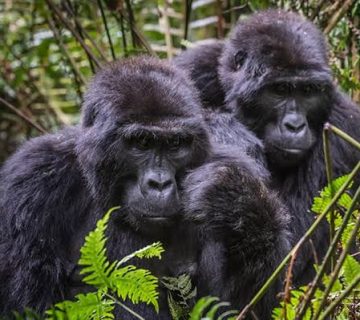
Rwanda’s mountain gorilla population has grown steadily thanks to decades of dedicated conservation work, a genuine success story given this subspecies’ critically endangered status just a generation ago, and Volcanoes National Park now hosts a meaningfully larger, more stable gorilla population than historical lows suggested possible.
The Revenue-Sharing Model Supporting Communities
Rwanda’s tourism revenue-sharing program channels a meaningful percentage of park fees directly into communities surrounding protected areas, funding schools, health clinics, and infrastructure that create genuine local incentive for continued conservation support.
Akagera National Park’s Restoration Story
Akagera National Park, which lost significant wildlife populations during periods of past conflict, has undergone remarkable restoration, including the successful reintroduction of lions and rhinos, transforming it back into a genuine Big Five destination.
Anti-Poaching Efforts Across Rwanda’s Parks
Dedicated ranger patrols and modern anti-poaching technology across Rwanda’s national parks have dramatically reduced poaching incidents, protecting both iconic species like gorillas and rhinos and the broader ecosystems supporting them.
Reforestation Initiatives Supporting Habitat Recovery
Rwanda has pursued significant reforestation efforts, recognizing forest habitat’s essential role in supporting both wildlife populations and broader environmental stability, including watershed protection benefiting communities well beyond park boundaries.
Nyungwe Forest’s Biodiversity Protection
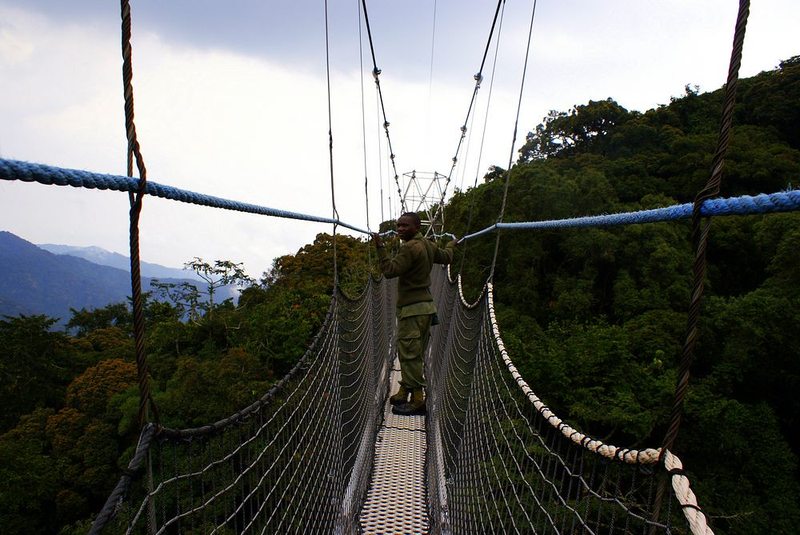
Nyungwe National Park’s exceptional biodiversity, including significant primate populations and endemic bird species, receives dedicated conservation attention protecting one of Africa’s oldest and most ecologically significant rainforests.
The “Land of a Thousand Hills” Environmental Policy
Rwanda’s broader national environmental policy, including its notable plastic bag ban and strong reforestation commitments, reflects conservation values extending beyond park boundaries into everyday national life.
Community-Based Conservation Programs
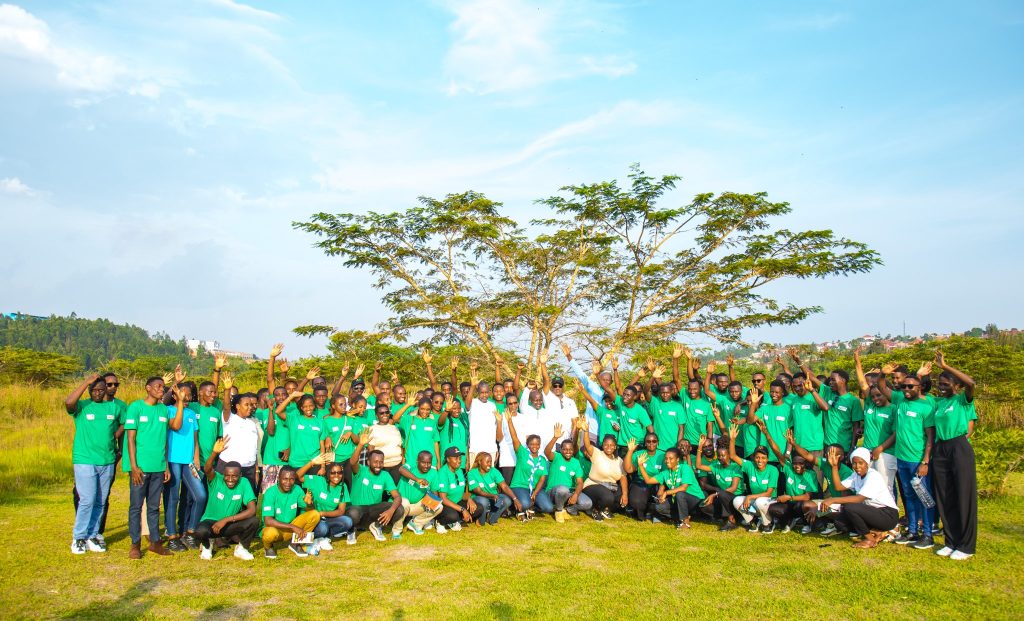
Programs directly involving communities living around protected areas in conservation decision-making and benefit-sharing have proven genuinely effective at building sustainable, long-term local support for wildlife protection.
How Gorilla Trekking Tourism Funds Conservation
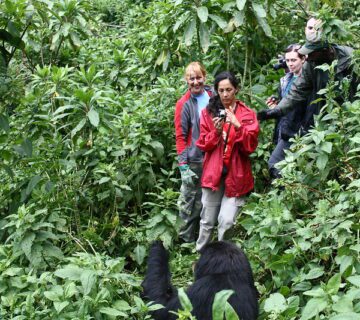
Gorilla trekking permit fees, among the most expensive wildlife permits globally, directly fund substantial conservation infrastructure and research, making responsible trekking tourism a direct conservation contribution rather than merely a wildlife-viewing transaction.
Golden Monkey Conservation in Volcanoes National Park
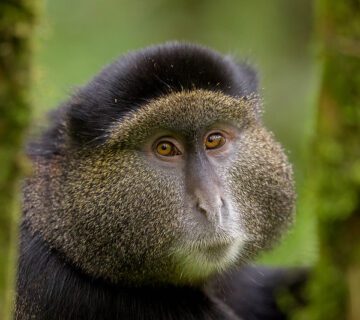
Beyond mountain gorillas, Volcanoes National Park’s golden monkey population receives dedicated conservation attention, protecting this endangered, visually striking primate species alongside its more famous gorilla neighbors.
Cross-Border Conservation Collaboration
Rwanda collaborates with neighboring Uganda and the Democratic Republic of Congo on transboundary conservation efforts across the shared Virunga Massif ecosystem, recognizing that gorilla populations and habitat don’t respect national borders.
Scientific Research Supporting Conservation Decisions
Ongoing scientific research into gorilla behavior, population dynamics, and ecosystem health across Rwanda’s protected areas provides the evidence base informing genuinely effective, adaptive conservation management decisions.
Rwanda’s Broader Reputation for Environmental Governance
Rwanda has earned international recognition for environmental governance and conservation policy effectiveness, reflecting sustained national commitment rather than isolated, disconnected conservation projects.
Water Resource Protection Efforts
Conservation initiatives protecting Rwanda’s watersheds and water resources support both wildlife habitat and human community needs, recognizing the interconnection between ecosystem health and broader national wellbeing.
Climate Change Adaptation in Rwanda’s Conservation Strategy
Rwanda’s conservation planning increasingly incorporates climate change adaptation, recognizing shifting rainfall and temperature patterns as genuine, ongoing challenges requiring proactive rather than purely reactive management.
Ecotourism as a Conservation Funding Model
Rwanda’s broader ecotourism strategy, extending beyond gorilla trekking into birding, cultural tourism, and other nature-based activities, diversifies conservation funding sources while spreading tourism benefit across more communities.
How Travelers Can Support Ongoing Conservation Work
Beyond standard park fees, travelers genuinely interested in supporting Rwanda’s conservation efforts can research and contribute to specific verified organizations working in the country, ask guides detailed questions about current initiatives, and choose operators with demonstrated conservation commitments.
The Role of Former Poachers in Current Conservation
Some conservation programs specifically employ former poachers as rangers and guides, leveraging their intimate landscape knowledge for protection work while providing genuine alternative livelihoods, a notable approach within Rwanda’s broader conservation strategy.
Educational Programs Building Future Conservation Support
Conservation education programs targeting Rwandan youth build long-term domestic support for environmental protection, recognizing that sustained conservation success requires genuine intergenerational commitment rather than externally imposed priorities alone.
What Makes Rwanda’s Story Genuinely Inspiring
Rwanda’s conservation recovery, achieved despite the nation’s profound historical trauma, offers a genuinely inspiring model of how deliberate policy, community engagement, and sustained commitment can rebuild devastated ecosystems within a single generation.
Ongoing Challenges Facing Rwanda’s Conservation Efforts
Despite genuine progress, Rwanda’s conservation efforts continue facing real challenges, including population pressure on limited land resources and balancing development needs against habitat protection, honest complexity worth understanding alongside the success stories.
How Your Visit Connects to This Broader Story
Every responsible visitor to Rwanda’s national parks becomes part of this ongoing conservation story, with tourism revenue directly supporting the continued protection and recovery this remarkable country has achieved.
Final Thoughts on Rwanda’s Conservation Journey
Understanding Rwanda’s conservation achievements and ongoing challenges adds genuine depth to any visit, transforming a gorilla trekking trip from simple wildlife tourism into meaningful engagement with one of Africa’s most remarkable environmental recovery stories.
How International Partnerships Support Rwandan Conservation
Rwanda’s conservation efforts benefit from ongoing partnerships with international conservation organizations, research institutions, and funding bodies, collaborations that bring additional expertise and resources to complement national conservation capacity.
The Role of Private Sector Conservation Investment
Beyond government programs, private tourism operators and lodges increasingly invest directly in conservation initiatives around their properties, recognizing that healthy wildlife populations and habitat directly sustain their own business viability.
How Rwanda’s Story Compares Regionally
While neighboring countries pursue their own conservation strategies, Rwanda’s specific combination of centralized policy commitment and community revenue-sharing has produced particularly notable recovery outcomes worth understanding in this specific national context.
What Long-Term Success Will Require Going Forward
Sustaining Rwanda’s conservation gains over coming decades will require continued balancing of population growth, development pressure, and habitat protection, an ongoing challenge rather than a problem already fully solved.
Why Understanding This Context Enriches Your Visit
Travelers who arrive with genuine understanding of Rwanda’s conservation journey consistently describe their gorilla trekking or broader safari experience as carrying deeper meaning than wildlife viewing alone would provide.
How Data and Monitoring Shape Ongoing Decisions
Continuous population monitoring and ecological data collection across Rwanda’s parks allow conservation managers to detect emerging challenges early and adapt strategies before problems become severe, a proactive rather than reactive management approach.
What Visitors Consistently Say About This Dimension of Their Trip
Travelers who take time to learn about Rwanda’s conservation story before or during their visit frequently describe it as transforming their overall impression of the country, adding genuine emotional resonance beyond wildlife photographs alone.
A Closing Perspective on Rwanda’s Ongoing Work
Rwanda’s conservation achievements represent genuine, hard-won progress rather than a finished project, and travelers who understand this nuance arrive better equipped to appreciate both what has been accomplished and what remains ongoing work.
How to Ask Meaningful Questions During Your Visit
Asking your guide specific, genuine questions about current conservation challenges and successes, rather than only wildlife identification questions, often reveals insight and passion that transforms a standard game drive into something more substantive.
Bringing This Awareness Into Your Trip Planning
Choosing operators and lodges that demonstrably support Rwanda’s conservation infrastructure, rather than those competing purely on price, aligns your trip spending with the outcomes this remarkable recovery story depends on continuing.
Summing Up a Genuinely Remarkable Journey
From near-catastrophic wildlife losses to a globally recognized conservation model, Rwanda’s environmental recovery stands as one of the most remarkable turnarounds in modern African conservation history, and every responsible visitor becomes a genuine part of sustaining it.
Why This Story Deserves Wider Recognition
Rwanda’s conservation achievements deserve wider recognition beyond dedicated wildlife enthusiasts, offering genuine lessons in environmental recovery relevant to conservation efforts facing similar challenges anywhere in the world.
How to Continue Learning After Your Trip
Travelers who return home curious about Rwanda’s conservation story can find substantial published research and organizational reporting extending their understanding well beyond what a single visit could reveal.
A Final Thought Worth Carrying With You
Long after your Rwanda trip ends, understanding it as part of a genuine, ongoing conservation success story often proves more lasting than the wildlife photographs alone, shaping how travelers think about conservation well beyond the visit itself.
Why Every Trip Contributes Something Real
Even a single well-planned, responsibly booked trip contributes genuinely to Rwanda’s conservation funding and community programs, meaning your individual visit carries more real impact than it might initially seem.
Closing Thoughts on a Country Worth Celebrating
Rwanda’s conservation journey, from devastating loss to genuine, measurable recovery, stands as proof that dedicated national commitment paired with community partnership can rebuild what once seemed permanently lost.
Planning Your Rwanda Conservation Safari
Understanding Rwanda’s conservation story adds genuine depth to experiencing its remarkable wildlife recovery firsthand. All in Africa Safaris can connect you with conservation-focused Rwanda safari experiences, or you can get in touch to plan the details of your trip.



No comment