
Entry Requirements for Visiting Uganda
Uganda welcomes millions of international visitors each year drawn to gorilla trekking, wildlife, and the Nile, and understanding the country’s entry requirements, from visas to health documentation, before you travel prevents complications at Entebbe International Airport or land border crossings and ensures a smooth start to your trip.
Passport Validity Requirements
Uganda requires that your passport remain valid for at least six months beyond your intended departure date, along with at least one blank visa page for entry stamps, and travelers should check this requirement carefully well before departure, since airlines commonly deny boarding to passengers whose passports don’t meet destination validity requirements regardless of how minor the shortfall.
Standard Tourist Visa Options
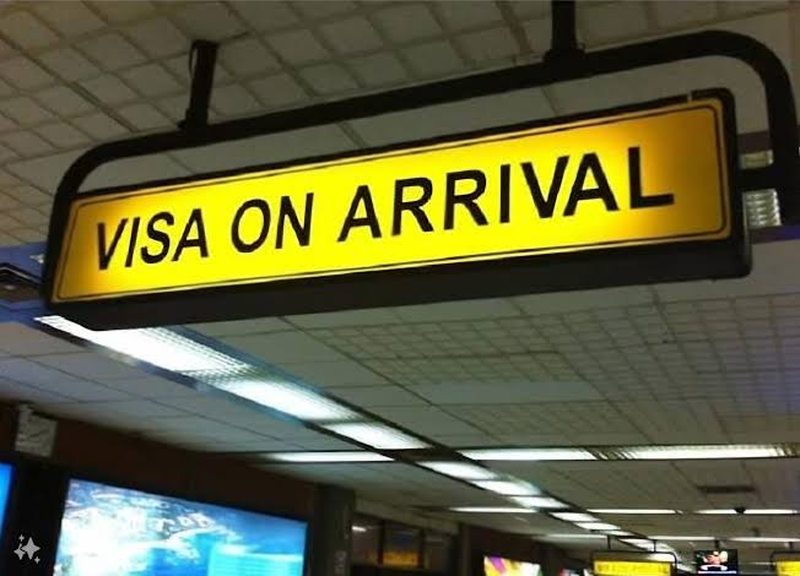
Most visitors require a visa to enter Uganda, available either as an e-visa applied for online in advance or, for many nationalities, as a visa on arrival processed at Entebbe International Airport or major land border crossings. The e-visa option generally offers more predictable processing and avoids potential queues at the point of entry, making it the preferred choice for most travelers with sufficient lead time before their trip.
The East African Tourist Visa
Travelers planning to visit Uganda alongside Kenya and Rwanda within the same trip should consider the East African Tourist Visa, a single visa covering all three countries and offering both cost savings and simplified border crossings compared to arranging separate visas for each destination. This visa must be applied for before your first entry into any of the three participating countries and cannot be converted from a standard single-country visa after arrival.
Yellow Fever Vaccination Requirements
Uganda requires proof of yellow fever vaccination for entry, documented via an International Certificate of Vaccination, and this requirement is consistently enforced at the border, meaning travelers without this documentation risk being denied entry or required to vaccinate on the spot. Getting vaccinated at least ten days before travel, since the vaccine takes time to become fully effective, is standard medical guidance worth following regardless of enforcement specifics.
Additional Health Documentation Worth Carrying
Beyond the mandatory yellow fever certificate, carrying documentation of any other relevant vaccinations, along with a basic summary of your travel health preparations, provides useful backup information should any health-related questions arise during entry processing or later medical care needs during your trip.
Applying for the E-Visa in Advance
Uganda’s official e-visa application process is completed online through the government’s immigration portal, typically requiring a passport photo, passport bio page scan, and payment of the visa fee, with processing generally taking several business days. Applying at least two to three weeks before your intended travel date provides adequate buffer against any processing delays or requests for additional documentation.
Visa on Arrival: What to Expect
Travelers opting for visa on arrival should expect to complete an application form, provide required documentation, and pay the visa fee in cash, typically in US dollars, upon arrival at Entebbe or a major land border, and building in extra time for this processing, particularly during busy arrival periods, helps manage expectations for your first hour in the country.
Entry Requirements for Children
Children traveling to Uganda require their own valid passport and, depending on age and specific circumstances, may need additional documentation such as birth certificates or parental consent letters, particularly when traveling with only one parent or with adults who aren’t their legal guardians. Confirming these specific requirements based on your family’s exact travel configuration avoids complications at the border.
Currency Declaration and Customs Considerations
Uganda requires declaration of currency amounts above a certain threshold upon entry, and while this rarely affects typical tourist travelers carrying reasonable trip funds, understanding the current declaration threshold and complying with it avoids unnecessary complications during customs processing.
Gorilla Permit Documentation and Entry
While not strictly an entry requirement, travelers planning gorilla trekking should carry confirmation of their pre-booked gorilla permit, since this documentation, while not checked at immigration, becomes relevant almost immediately upon reaching Bwindi or Mgahinga and is worth keeping accessible alongside your other essential travel documents throughout your trip.
Land Border Entry Points
Travelers entering Uganda overland from Kenya, Rwanda, Tanzania, or South Sudan face similar visa and health documentation requirements to air travelers, though processing at land borders can vary in efficiency, and confirming current conditions at your specific planned crossing point with a tour operator or recent traveler reports helps set realistic expectations for this leg of your journey.
What Happens if Your Documentation Isn’t in Order
Travelers arriving without required documentation, whether a valid visa arrangement or yellow fever certification, risk denial of entry, significant delays, or in some cases being required to return to their point of departure, making thorough pre-trip document verification a genuinely important step rather than a minor formality. Double-checking all requirements against your specific nationality and travel circumstances well before departure remains the best protection against this outcome.
Staying Current With Requirements That Change Over Time
Entry requirements, visa fees, and processing procedures can shift over time, and confirming current, accurate requirements directly through Uganda’s official immigration channels or a knowledgeable tour operator shortly before your trip, rather than relying on older information, ensures your preparation reflects genuinely current policy.
Special Considerations for Transiting Travelers
Travelers passing through Entebbe purely as a connection point without formally entering Uganda should confirm whether their specific routing requires a transit visa or full entry visa, since policies vary depending on layover duration and whether you leave the airport’s international transit area during your connection.
Registering With Your Embassy or Consulate
While not a formal entry requirement, registering your travel plans with your home country’s embassy or consulate before or upon arrival in Uganda provides an additional layer of support should any emergency arise during your trip, and this simple, often free registration is worth completing as part of your broader pre-trip preparation.
Keeping Digital and Physical Copies of All Documents
Beyond simply carrying your original passport and visa documentation, keeping both digital copies stored securely online and physical photocopies separate from your originals provides genuine backup protection against loss or theft during your trip, a simple precaution that significantly eases the process of replacing documents if something goes wrong.
Customs Rules for Common Traveler Items
Standard personal items, including cameras, laptops, and typical safari gear, generally clear Ugandan customs without issue, though travelers carrying professional-grade equipment, drones, or unusual quantities of any item should research current customs guidance specifically, since rules around these categories occasionally differ from standard personal effects allowances.
Understanding Multiple-Entry Considerations
Travelers planning to exit and re-enter Uganda during their trip, perhaps for a side trip into Rwanda or Kenya, should confirm whether their visa allows multiple entries or whether a new visa application is required for each re-entry, since single-entry visas remain common and re-entering on an expired single-entry visa creates genuine complications.
A Simple Pre-Departure Checklist
Before heading to the airport, a useful final checklist includes confirming passport validity, printed or digital visa confirmation, yellow fever certificate, travel insurance documentation, and photocopies of everything stored separately from your originals, a few minutes of verification that meaningfully reduces the risk of an avoidable entry complication.
Why Getting This Right Sets the Tone for Your Trip
Arriving with all documentation properly organized and verified lets you begin your Uganda safari relaxed and excited rather than stressed by an avoidable entry delay, a small but genuinely meaningful difference in how your trip actually begins.
Where to Verify the Most Current Official Information
Uganda’s official immigration website and your nearest Ugandan embassy or consulate remain the most authoritative sources for current entry requirements, and cross-referencing this official guidance against your tour operator’s practical experience provides the most reliable combination of accuracy and real-world context.
Final Thoughts on Preparation
Entry requirements might feel like a minor bureaucratic detail compared to the excitement of planning gorilla treks and game drives, but thorough preparation here genuinely protects the rest of your carefully planned itinerary from an entirely avoidable disruption at the very first step of your trip.
How Requirements Compare Across East Africa
Travelers combining Uganda with Kenya, Rwanda, or Tanzania should note that while general entry principles, passport validity, yellow fever proof, and visa arrangements, remain broadly similar across the region, specific details and fees vary by country, making country-by-country verification worthwhile rather than assuming Uganda’s requirements apply identically elsewhere.
One Last Point on Peace of Mind
Travelers who take entry requirements seriously well before their trip consistently describe feeling noticeably more relaxed during the actual travel day itself, one less category of things to worry about while already managing the natural excitement and logistics of an international departure.
Planning Your Entry Into Uganda
Getting your entry documentation right before you travel means starting your Uganda trip smoothly rather than dealing with complications at the border. All in Africa Safaris can guide you through current visa and health requirements ahead of your trip, or you can get in touch to plan the details of your Uganda itinerary.


No comment