
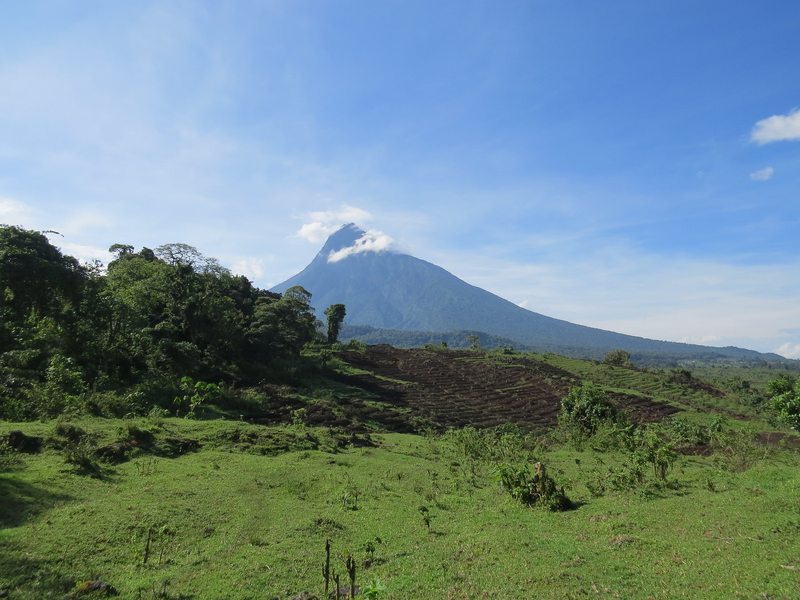
The History Behind Nyiragongo Volcano and Why It Matters to Travelers
Nyiragongo Volcano, rising within Virunga National Park in the Democratic Republic of Congo, holds one of the world’s largest and most persistent lava lakes within its crater, and understanding its history, both geological and human, adds genuine depth to the experience of hiking to its rim for travelers considering this dramatic addition to a broader East Africa itinerary.
The Volcano’s Geological Origins
Nyiragongo formed as part of the Virunga volcanic chain along the western branch of the Great Rift Valley, a geological system where the African continental plate is slowly splitting apart, and the volcano’s persistent lava lake, one of only a handful of such lakes anywhere on Earth, reflects unusually consistent volcanic activity at this specific site compared to most other volcanoes worldwide. This rare geological feature is precisely what draws serious volcanology interest to the site.
The Catastrophic 2002 Eruption
Nyiragongo’s most significant recent eruption occurred in January 2002, when lava flows split into multiple streams and swept directly through parts of Goma, the nearby city, destroying significant portions of the urban area and displacing hundreds of thousands of residents. This eruption remains a defining event in the volcano’s modern history and a sobering reminder of the genuine risk this active volcano poses to the communities living in its shadow.
The 2021 Eruption and Its Continued Relevance
A more recent eruption in May 2021 again sent lava flowing toward Goma, prompting mass evacuations and renewed international attention to the volcano’s ongoing activity, and this event underscores that Nyiragongo remains a genuinely active, monitored hazard rather than a purely historical curiosity. Travelers considering a Nyiragongo hike should understand this context and follow current official guidance on the volcano’s activity status before booking.
Why Goma’s Location Matters to This History
Goma, a city of over a million residents sitting directly at Nyiragongo’s base along Lake Kivu’s shore, exists in a position of genuine ongoing vulnerability to the volcano’s activity, and understanding this human dimension, real communities living with real volcanic risk, adds weight to what might otherwise be viewed as simply a dramatic tourist attraction. This context shapes how many visitors experience the hike differently than a purely scenic mountain climb elsewhere.
The Volcano’s Role Within Virunga National Park
Nyiragongo sits within Virunga National Park, Africa’s oldest national park and home to critically endangered mountain gorillas alongside this dramatic volcanic landscape, and the park’s rangers, who also protect the region’s gorilla population, have historically faced significant security challenges given the area’s history of regional conflict. Understanding this broader park context helps travelers appreciate the genuine dedication required to maintain both conservation and visitor safety in this challenging operating environment.
Scientific Monitoring and Why It Matters for Visitors
The Goma Volcano Observatory maintains ongoing monitoring of Nyiragongo’s activity, tracking seismic patterns and lava lake behavior to provide early warning of potential eruptions, and this scientific infrastructure directly informs whether hiking access to the summit remains open at any given time. Travelers should always confirm current access status through official channels rather than relying on outdated information before planning a visit.
The Overnight Summit Hike Experience
A Nyiragongo hike typically involves a demanding ascent of several hours followed by an overnight stay in basic huts at the crater rim, where hikers witness the lava lake’s dramatic glow after dark, an experience frequently described as one of the most visually extraordinary sights available anywhere in Africa. This overnight format, rather than a simple day hike, is what makes the experience genuinely distinctive compared to other volcano visits worldwide.
How This History Shapes Responsible Tourism Here
Given the genuine human cost of Nyiragongo’s past eruptions and the region’s broader history of instability, approaching a visit here with awareness and respect, rather than treating it as a purely thrill-seeking activity, reflects appropriate sensitivity to the communities who have lived through the volcano’s destructive episodes. Choosing operators who work closely with and support local Goma communities reinforces this responsible approach.
Comparing Nyiragongo to Other African Volcanoes
Unlike Kilimanjaro or the dormant volcanoes within Rwanda’s Volcanoes National Park, Nyiragongo’s active, persistently molten lava lake sets it apart as a genuinely different category of volcanic experience, closer to witnessing an ongoing geological process than climbing a static, dormant peak. This distinction matters for travelers weighing which volcanic experience actually matches their interests.
Access Routes and Regional Context
Most travelers reach Nyiragongo via Goma, typically crossing the border from Gisenyi in Rwanda, making the volcano a common add-on for travelers already in Rwanda for gorilla trekking or Lake Kivu exploration. Understanding this regional connection helps travelers plan realistic itineraries that combine Nyiragongo with other Rwanda-based activities rather than treating it as an isolated, hard-to-reach destination.
The Cultural Significance Beyond Geology
Local communities around Nyiragongo have long held cultural and spiritual associations with the volcano, predating its modern scientific study, and this layered history, indigenous cultural meaning alongside contemporary geological science and recent eruption trauma, gives the site a depth that purely scenic descriptions often miss. Learning even a little of this broader context before your visit enriches the experience considerably.
Why Understanding This History Improves the Visitor Experience
Travelers who arrive at Nyiragongo with genuine knowledge of its eruption history, ongoing activity, and impact on Goma tend to describe the overnight summit experience as more meaningful and less purely spectacle-driven than those who approach it with no background context. This understanding transforms witnessing the lava lake from simple visual thrill into something closer to witnessing an ongoing, consequential natural phenomenon.
Rebuilding and Resilience in Goma Since 2002
In the years since the 2002 eruption, Goma has rebuilt significantly, and this ongoing resilience, a community continuing to live and thrive at the base of an active volcano, forms its own quietly remarkable part of the region’s story, one that travelers witnessing the city firsthand often find as memorable as the volcano hike itself.
How Recent Eruptions Have Shaped Access Policy
Following the 2021 eruption, access policies to Nyiragongo have periodically adjusted based on the volcano’s monitored activity levels, and this history of responsive, safety-driven access decisions reflects a serious, ongoing commitment to visitor safety rather than treating the hike as a fixed, unchanging tourist product. Understanding this history helps travelers approach any current access restrictions with appropriate context rather than frustration.
What Draws Travelers Despite the Risk History
Despite, or perhaps partly because of, its documented volcanic risk, Nyiragongo draws travelers specifically seeking an authentic encounter with active, consequential geology rather than a purely sanitized tourist experience, and understanding the volcano’s real history is precisely what gives the eventual summit view its genuine emotional and intellectual weight.
What Makes This History Worth Learning Before You Go
Unlike many tourist attractions where historical background feels like optional trivia, Nyiragongo’s history directly shapes practical realities travelers encounter, from current access restrictions to the visible rebuilding efforts around Goma, making this background genuinely functional knowledge rather than simply interesting context. Arriving informed changes how you interpret everything you see during the visit.
Sources Worth Consulting for Current Information
Beyond historical background, travelers should consult the Goma Volcano Observatory’s current public updates, official DRC tourism authority guidance, and their tour operator’s real-time knowledge when finalizing Nyiragongo plans, since volcanic activity status can change on a timeline far shorter than typical trip-planning cycles.
Bringing History and Experience Together
Standing at Nyiragongo’s crater rim after dark, watching the lava lake’s glow illuminate the surrounding darkness, means genuinely standing at the intersection of deep geological time, recent catastrophic history, and a resilient living city below, a combination few other travel experiences anywhere offer with such visceral, immediate clarity.
Sharing This History With Others
Travelers who make the effort to understand Nyiragongo’s full history before visiting often find themselves better equipped to share a richer, more meaningful account of the experience with friends and family afterward, moving beyond simply describing a dramatic photo to conveying genuine understanding of a place with real ongoing significance.
A Final Reflection on Why This History Matters
Ultimately, Nyiragongo’s history reminds travelers that even the most visually spectacular natural wonders often carry real human stakes, and approaching this particular volcano with that awareness genuinely enriches rather than diminishes the wonder of witnessing its lava lake firsthand.
Carrying This Perspective Into Your Broader Trip
This same principle, understanding the real history and context behind a destination rather than treating it as a purely visual attraction, genuinely enhances almost every stop on a well-planned East Africa itinerary, and Nyiragongo simply offers one of the more dramatic illustrations of why that effort matters.
One More Consideration Before You Book
Given everything discussed here, from the volcano’s active status to the region’s broader history, travelers should approach a Nyiragongo hike as a genuinely significant undertaking worth researching thoroughly, rather than a casual add-on activity squeezed into a broader itinerary without proper reflection.
Planning Your Nyiragongo Volcano Visit
Nyiragongo’s dramatic history and ongoing activity make it one of Africa’s most extraordinary, and sobering, natural experiences. All in Africa Safaris can help coordinate a Nyiragongo hike alongside your Rwanda itinerary, or you can get in touch to plan the details of your trip.





No comment