
Tipping Etiquette on Safari in the Rushaga Sector
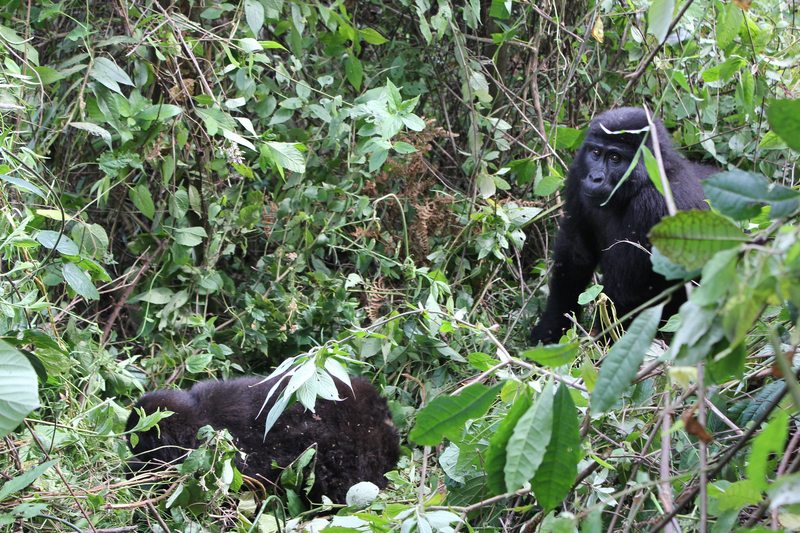
The Rushaga sector, on the southern edge of Bwindi Impenetrable National Park, offers access to more habituated gorilla families than any other Bwindi sector, including options for the extended gorilla habituation experience, and understanding tipping etiquette here helps travelers show appropriate appreciation for the guides, trackers, and support staff who make each trek possible.
Who You’ll Typically Tip During a Rushaga Trek
A standard Rushaga gorilla trek involves several roles worth recognizing separately: your head ranger guide, who leads the trek and manages your group’s safety and pacing, the trackers who locate the gorilla family using radio communication and trail knowledge, and, if hired, a personal porter carrying your daypack. Each of these roles is customarily tipped individually rather than pooled into a single combined amount.
Suggested Tipping Ranges for Ranger Guides
Head ranger guides in Rushaga typically receive tips in the range of 15 to 25 USD per person for a standard trek, reflecting their central role in briefing, leading, and ensuring your safety throughout the experience. Groups sometimes pool this tip and present it collectively at the end of the trek, though individual tipping remains equally acceptable.
Tipping Trackers Separately
Trackers, who locate the gorilla family’s overnight nest site and current location before your group even sets out, typically receive a somewhat smaller individual tip, often in the 10 to 15 USD per person range, recognizing their essential but distinct role from the guide who actually leads your group. This distinction between guide and tracker roles is worth understanding, since travelers unfamiliar with the system sometimes mistakenly tip only the guide.
Porter Tipping and Why It Matters
Porters, hired for around 15 to 20 USD for the day’s service itself, are customarily tipped an additional 5 to 10 USD beyond this base fee, and hiring a porter at all, even for travelers who feel physically capable of carrying their own bag, is widely encouraged as a direct way to support the local Rushaga community’s economy. This combined fee-plus-tip structure differs from the flat tips given to guides and trackers.
The Extended Gorilla Habituation Experience and Tipping
Travelers doing the longer gorilla habituation experience in Rushaga, spending up to four hours with a semi-habituated group rather than the standard one hour, should generally tip somewhat more generously given the extended time and additional expertise this specialized experience requires from your accompanying researchers and guides. Many travelers increase their standard tip by twenty to thirty percent for this extended format.
Currency Considerations for Tipping
US dollars remain the most commonly accepted and expected currency for tipping in Rushaga, though Ugandan shillings are also accepted, and carrying a supply of smaller denomination bills specifically set aside for tipping avoids the awkwardness of only having large notes available at the end of your trek. Small bills also make it easier to tip each role individually rather than needing to make change.
When to Present Tips
Tips are customarily presented at the end of the trek, once you’ve returned to the park headquarters or trailhead, rather than during the trek itself, and this timing allows you to gauge the overall quality of your experience before determining your final tipping amount. Some travelers prepare tip envelopes in advance, labeled by role, to keep the process organized and dignified.
Lodge and Accommodation Staff Tipping
Beyond the trekking team itself, tipping housekeeping, dining, and other lodge staff during your Rushaga stay follows standard East African safari lodge norms, typically a modest daily amount left in your room or contributed to a shared staff tip box, distinct from the trekking-specific tips discussed above. Many lodges provide guidance on their preferred tipping approach if you’re unsure.
Driver-Guide Tipping if Applicable
If your broader Uganda itinerary includes a driver-guide who transported you to Rushaga and stayed with you throughout your visit, this role is typically tipped separately from the trekking team, often calculated as a daily rate multiplied by the total days of service rather than a single trek-specific amount. Discussing appropriate driver-guide tipping with your tour operator before the trip helps you budget accurately.
Why Tipping Matters Beyond Simple Custom
Tipping in Rushaga represents a genuine, direct economic contribution to the local community and conservation workforce, given that rangers, trackers, and porters often come from communities directly bordering the park, and generous, thoughtful tipping helps ensure these crucial conservation and tourism roles remain economically sustainable for the people filling them. Understanding this context adds meaning to what might otherwise feel like an arbitrary custom.
Group Tipping Etiquette
When trekking as part of a group with your assigned gorilla family, whether traveling together or merged with other travelers for the day, tips are typically calculated and given per person rather than split evenly regardless of group size, meaning each traveler in your trekking group is expected to tip guides, trackers, and their own porter individually.
Budgeting Tips Into Your Overall Trip Cost
A reasonable total tipping budget for a single Rushaga gorilla trek, covering guide, tracker, and porter, typically falls in the 35 to 55 USD per person range, and building this into your overall Uganda safari budget alongside the gorilla permit itself prevents underestimating your true total trip cost. This figure can be adjusted based on your personal assessment of service quality on the day.
What Happens if You Don’t Have Enough Cash for Tips
Since card payment is essentially unavailable for tipping purposes in the Rushaga sector, arriving without sufficient cash specifically set aside for this purpose leaves you unable to properly thank your trekking team, and this is a genuinely avoidable situation with basic pre-trip planning. Withdrawing or exchanging enough cash in Kampala or Entebbe before heading toward Bwindi remains the most reliable approach.
Regional Variation in Tipping Norms Across Bwindi’s Sectors
While the tipping ranges discussed here reflect broadly consistent norms across Bwindi’s four sectors, including Rushaga, Buhoma, Ruhija, and Nkuringo, travelers should still confirm current expectations with their specific tour operator, since norms can shift gradually over time and slight variations sometimes exist between sectors based on local custom.
How Tipping Reflects Genuine Appreciation, Not Obligation
While the ranges outlined here offer useful guidance, tipping ultimately remains a personal reflection of your genuine satisfaction with the service provided, and travelers should feel free to adjust upward for an exceptional experience or, in genuinely rare cases of poor service, discuss concerns directly with their tour operator rather than simply tipping minimally without explanation.
Sample Tipping Breakdown for a Standard Rushaga Trek
A representative single-day tipping budget might include 20 USD for the head guide, 12 USD for the tracker, and a combined 25 USD fee plus tip for a porter, totaling roughly 57 USD per person, though this figure naturally flexes based on group size, service quality, and personal generosity. Having this kind of concrete estimate in mind before your trek helps you prepare the right cash in advance.
How Rushaga’s Multiple Gorilla Families Affect Tipping Logistics
Since Rushaga hosts more habituated gorilla families than any other Bwindi sector, larger groups of trekkers often depart simultaneously toward different families each morning, meaning your specific guide and tracker team may differ from other travelers you meet at the lodge, and tips should always go to the specific team that actually led your particular trek that day.
Final Thoughts on Approaching Tipping Thoughtfully
Getting tipping right in Rushaga isn’t about rigid adherence to exact dollar figures, it’s about approaching the practice with genuine appreciation for the skilled, physically demanding work your trekking team performs daily to make an extraordinary wildlife encounter possible. Travelers who internalize this mindset tend to tip appropriately without needing to obsess over precise calculations.
Where to Get the Most Current Tipping Guidance
Since specific tipping norms and suggested amounts can shift gradually over time, confirming current, specific guidance with your tour operator shortly before your trip, rather than relying solely on general articles like this one, ensures your preparation reflects the most up-to-date local expectations at the time of your actual visit.
Bringing It All Together for Your Trek Day
Arriving in Rushaga with a clear mental breakdown of who to tip, roughly how much, and cash already set aside in appropriate denominations transforms tipping from a last-minute scramble into a smooth, dignified way to close out one of the most memorable experiences your Uganda trip will offer.
Why This Small Detail Leaves a Lasting Impression
Long after the specifics of a trek fade, travelers often remember the warmth of the parting exchange with their guide and tracker team, and getting tipping right, both in amount and in spirit, genuinely contributes to that lasting positive impression on both sides of the interaction.
Planning Your Rushaga Sector Gorilla Trek
Understanding Rushaga’s tipping customs ensures you can show genuine appreciation for the team that makes your gorilla trekking experience possible. All in Africa Safaris can arrange your Rushaga gorilla trekking permit and share detailed tipping guidance ahead of your trip, or you can get in touch to plan the details of your Bwindi visit.

No comment