
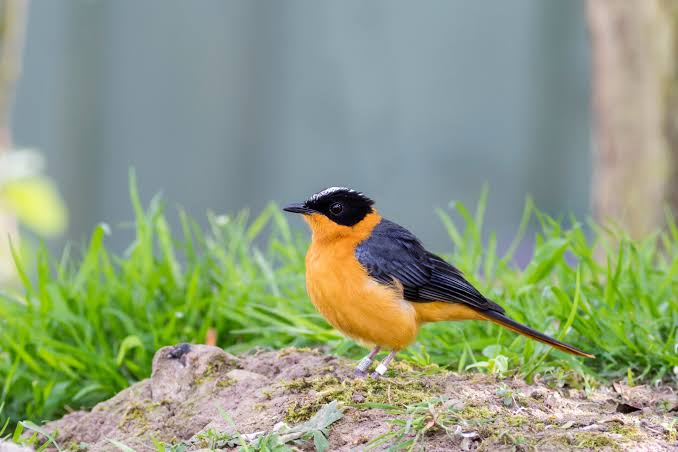
Highland vs Lowland Birding
Highland vs Lowland Birding: Contrasting East Africa’s Habitats
East Africa holds a variety of places for birds. Few adventures show this variety well as moving from mountains to lowlands. In a trip you can leave warm savanna plains and step into cool forests, misty slopes, bamboo patches and mountain valleys with new bird calls. I love stepping into these forests. The big change in altitude lets you see species, places and ways of life all without traveling far.
If you plan a birding trip in Uganda, Kenya, Tanzania or Rwanda knowing how highland and lowland habitats differ can make the trip more rewarding. Each place has its pace. Lowland areas give views and show big raptors, bright rollers, waterbirds and species that live in grasslands and wetlands. Highland areas bring forest lovers, sunbirds, turacos, flycatchers and rare birds that need mountain life.
The real joy comes when you see both. Rather than pick one place. Wonder what you missed you can plan a trip that shows how altitude changes bird life across East Africa.
Understanding Highland vs Lowland Birding
The difference between highland and lowland habitats starts with altitude, heat, plants, rain and the shape of the land. Lowland places are usually warmer. Can have savannas, wetlands, lake shores, woodlands and farm land. These spots give sight so it is easier to see birds flying, hunting, eating or moving between trees.
Highland habitats are more varied than they look at first. They can have mountain forests, bamboo areas, high grasslands, rocky slopes, farmed hills and valleys with plants. As the heat drops and plants shift with height the bird group changes too.
For travelers this gives a progression. A morning may start with the sounds of open-country birds on ground then the trip climbs to cooler forest where the sounds are thicker and harder to see. I find the climb itself part of the adventure.
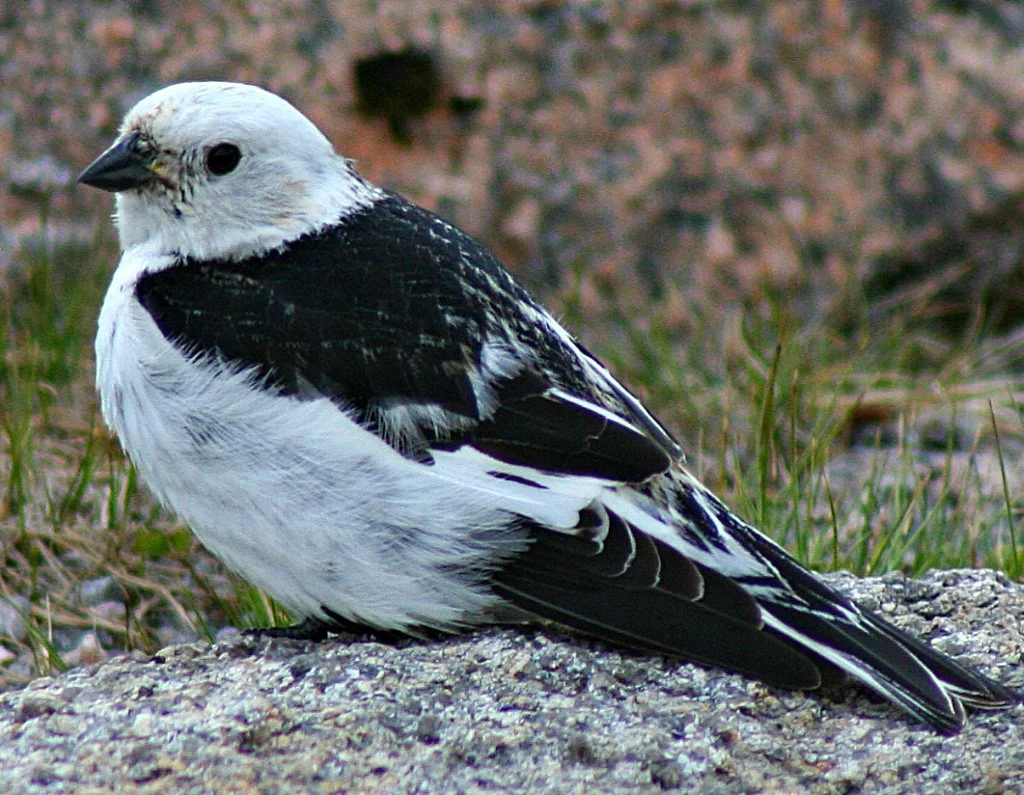
Why Altitude Changes Birdlife
Altitude changes where birds live because birds need food, shelter places to lay eggs and the right climate. A bird that likes hot open grass may not want to go to a mountain forest. Another bird may rely only on forest plants that exist only at certain heights.
Heat also changes insects, fruits, nectar, seeds and other food. When plants change the food changes too. This makes different birds move to heights.
Mountain forests are very useful because they can hold birds that live in a few places. Some birds in the Albertine Rift for example live in certain forest places and heights. I feel special when I see those birds and this makes highland birding very special, for anyone who likes birds that’re hard to find in open lowland areas.
The Appeal of Lowland Birding
Lowland areas offer some of the bird watching experiences in East Africa. Open spaces let you look over areas with binoculars and scattered trees give good places for raptors, rollers, bee-eaters, hornbills and other easy to see birds.
Wetlands add another part. Lakes, marshes, rivers and places that flood in seasons bring in herons, egrets, storks, ibises, kingfishers, jacanas, sandpipers and many other birds that need water. During times when birds are moving these places can be very busy with birds that come from areas joining local birds.
Savanna birding also needs time. A tree on the side of a road might have a resting Fish Eagle and a far away grassland might show a Secretarybird walking through the grass. Lilac-breasted Rollers might suddenly appear next to a path their bright colors standing out against the area.
Open Landscapes Make Observation Easier
One benefit of lowland areas is that you can see a lot. You can often spot birds from away because the plants do not block your view completely. This makes open areas good for people who are just learning how to recognize birds by shape, color, behavior and where they live.
You might also get chances to watch birds as they hunt and interact. Raptors fly over land storks look for food in wet areas and birds that eat insects often use exposed branches as places to catch their food.
Lowland birding can feel exciting and rewarding. It helps you build confidence before going to places where birdsre harder to see.
The Magic of Highland Birding
Highland areas provide a kind of adventure. The cooler air, the hills, thick plants and changing light create a more personal bird watching experience. Birds might be near you. Hidden behind leaves, branches, vines or moss.
This is when listening becomes especially important. A special sound might be the sign that a bird is close. Of seeing a bird right away you might hear something moving in the top of the trees follow a repeated sound and finally find the bird using binoculars.
Mountain forests can also give moments with turacos, sunbirds, barbets, flycatchers, cuckoos and other birds that live in forests. In Rwanda and southwest Uganda the forests of the Albertine Rift are especially important for birds that live in this area.
Forest Birding Rewards Patience
Highland birding usually needs a way. You might spend minutes looking at one part of the trees before a bird moves into a place where you can see it. A flash of color between leaves can be enough to keep you looking.
The reward is often more because finding the bird feels like an achievement. You become more aware of sounds, movement how they eat and small changes in the plants. Over time you start to notice that each forest has its sounds.
This way of birding can change how you see nature. Of always looking for birds that are easy to find you start to pay attention to small movements and quiet sounds.
Comparing the Two Experiences
The differences between highland and lowland areas can be seen in ways. Lowlands usually give views, warmer weather and more open places. Highlands offer weather, more thick plants, steeper ground and more chances to see birds that live in forests.
Neither one is better than the other. What you like depends on what you want to see and how you like to spend time
If you like raptors, waterbirds, bustards, rollers, storks and birds that live in areas lowland areas might give you the best experiences. If you are interested in turacos, sunbirds, forest flycatchers and birds from the Albertine Rift mountain forests might be the special part of your trip.
The best way is to try both whenever you can.
Planning a Highland and Lowland Birding Trip
A plan for a bird watching trip in East Africa can include both areas without being too hard. Uganda is a choice because its different places have wetlands, savannas, lakesides, tropical forests and high places.
Rwanda also has differences in a small space. You can look at areas with grasslands before going to the forested mountains of the Albertine Rift. Kenya and Tanzania have their mix of low flat areas, lakes, woodlands and mountain areas.
Time is important too. Early mornings are usually good because birds are active and the weather is nice. In forest areas giving yourself time is important because it might take longer to see a bird.
Bring shoes, light clothes, a rain jacket for higher places, binoculars, a book to help identify birds and enough water. A notebook can also be helpful because writing down sounds and where you see birds helps you get better at recognizing them.
Give Yourself Time to Adapt
Changing elevation can change how you feel physically and the birds you see. Mountain paths might have parts while lowland areas might need long walks on flat land.
Take your time when moving to places. Let yourself adjust, drink water often and do not rush between places. The bird watching experiences usually happen when you have enough time to stop, listen and watch.
A flexible plan is also helpful. Weather can change how clear you can see and how active the birds are, in mountain areas. A local guide who knows the area can help you find the places and know which birds are likely to be there.
Discovering More Than Birds
One of the parts of bird watching in highland and lowland areas is seeing how a whole place changes with height. The plants change, the weather changes the insects act differently and the sounds around you are clearly different.
You might start the day watching birds near a wet area and end the day among cool forest trees where mist covers the hills. The difference makes each place more special.
These experiences also help you care more about keeping nature safe. Forests on hills protect birds and wetlands and grasslands give important places for food and raising babies. Protecting one area is not the same, as protecting all of them.
Let the Landscape Guide Your Journey
The birding trips are not usually about getting the biggest list of species. They are about learning how birds fit into where they live and understanding why certain birds are where they are.
When you look at both environments you start to see East Africa as a group of places instead of separate spots. A lake, a forest, a grassland and a mountain side all add something to the areas amazing mix of life.
That is why Highland vs Lowland Birding is so special. The trip teaches you that height can completely change what you hear what you see and how you feel about a place.
Whether you are looking over grasslands for big birds flying high or standing still under a mountain tree waiting for a special kind of bird to show up each place has its own gift. Highland vs Lowland Birding lets you see this mix all in one trip.
The time you plan a birding trip in East Africa think about making your plan around height as well as where you go. Try to include wetlands, grasslands, woods, forests and mountain areas whenever you can. Highland vs Lowland Birding can make a bird search into a deeper look at how nature changes across the land.



No comment