
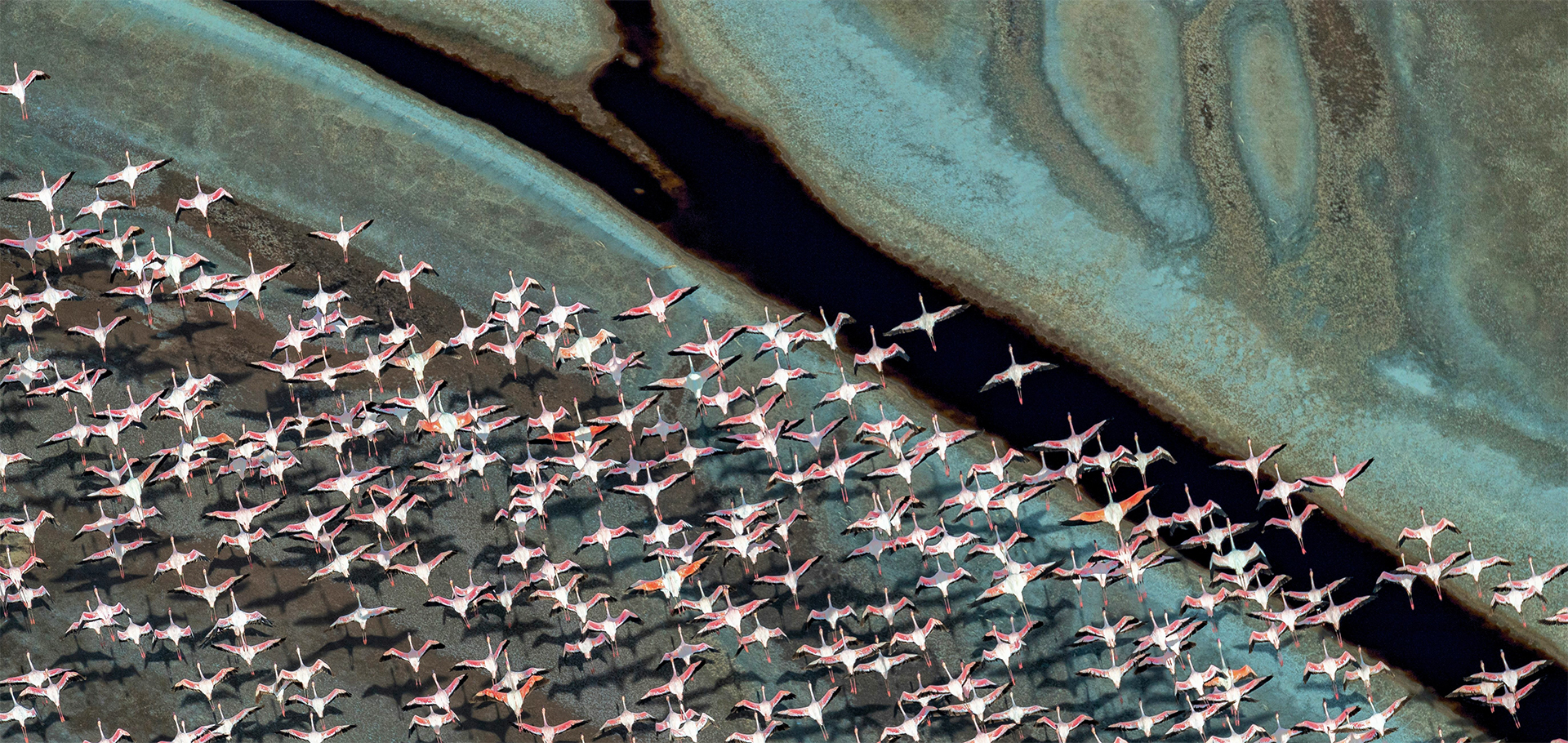
Wader Watching Along East Africas Rift Valley Lakes
East Africa’s Rift Valley lakes are some of the places in the world to see birds in their natural environment. These lakes stretch through Kenya, Tanzania, Uganda and nearby areas. They offer a range of habitats—shallow shores, open mudflats, papyrus swamps, alkaline waters, grassy edges and quiet islands. All of these attract a variety of waterbirds. For people who enjoy observation and the quiet changes in wetland life Wader Watching Along East Africas Rift Valley Lakes is a special way to explore the region. It’s not about rushing from one spot to the next. It’s about standing near a lake at sunrise watching the birds feed along the edge hearing their calls across the water and realizing how full of life these calm places really are.
Why Rift Valley Lakes Attract So Many Waders
The Rift Valley is perfect for waders because the lakes provide different feeding areas in small spaces. Shallow water exposes mud and sand where birds can search for insects, worms, tiny crustaceans, snails and other small life forms. When water levels change new feeding spots appear along the shore. This gives bird species a chance to find food no matter what their needs.
Waders are especially interesting because their bodies show how they use their surroundings. Legged birds can walk through shallow water and stay dry. Birds with long sensitive bills can reach into the mud to find food. Short-billed birds may pick food from the surface. Watching these differences turns a morning by the lake into an easy lesson in bird behavior.
Many of these lakes also lie along migration routes. During the months in the northern hemisphere birds from Europe and Asia fly south to warmer areas. Some stop at the wetlands of East Africa to rest and eat. This seasonal movement adds more excitement to the birdlife that already lives in the region year-round.
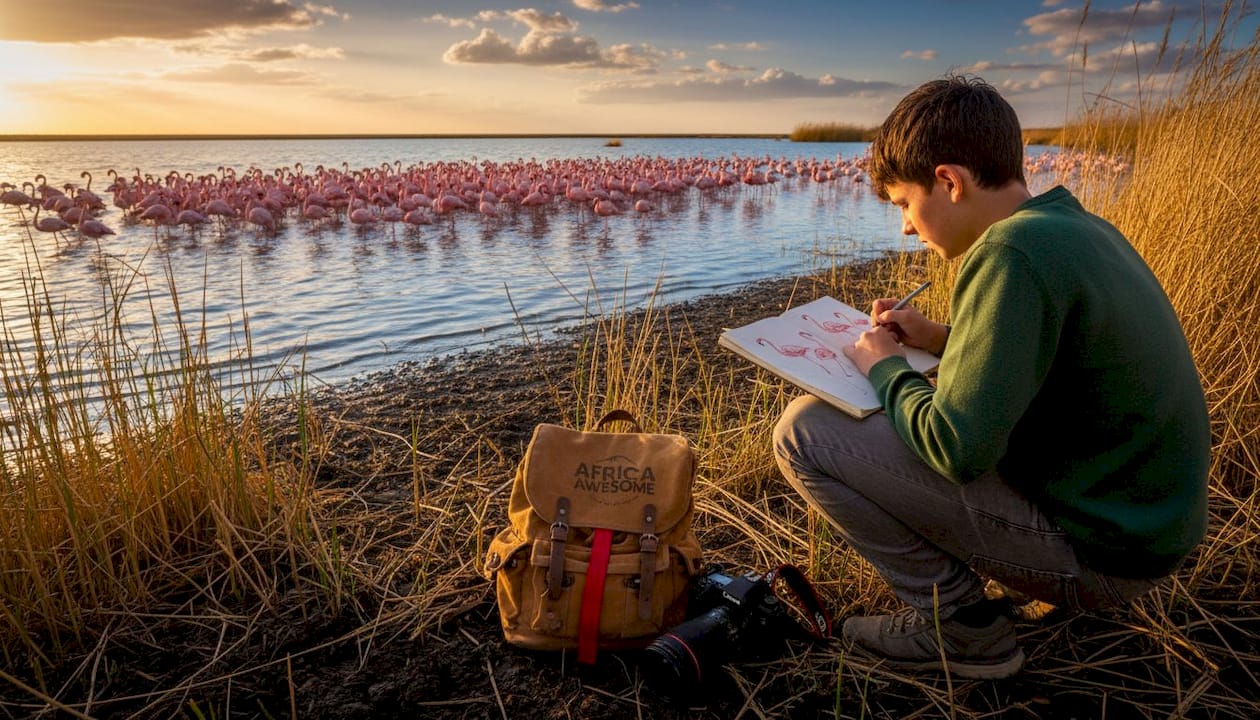
A Landscape Designed for Patient Observation
One of the things about Wader Watching Along East Africas Rift Valley Lakes is how different the scenery can be. A lake can look completely different depending on where you stand. One side might have grassland. Another might be lined with reeds and papyrus. A third might show mudflats that appear when the water level drops.
Lake Nakuru in Kenya is well known for numbers of waterbirds and changing wetland environments. Lake Naivasha has water and beautiful views all around. Lake Bogoria is famous for its springs striking landscape and huge flocks of flamingos. Lake Baringo offers another birding site, with rocky shores, plants and shallow areas that support many kinds of birds.
Across the border Tanzania’s Rift Valley lakes offer more chances to explore. Lake Manyara is surrounded by woodland, forest, grassland and wetlands. This means you can see both water birds and land birds in one trip. Lake Eyasi and other smaller lakes give quieter experiences. They are great for people who want to see habitats, beyond the popular national parks.
Flamingos also deserve a look
They are not waders but they love Rift Valley lakes and add to the wetland feel. When many come together the shore turns into a moving sea of pink and white especially when food is good.
It is easy to focus on bright birds but the best moments often come from watching plain birds up close. A tiny sandpiper digging in mud can show you interesting habits when you watch for a few minutes.
You might see it turn, pause when it feels danger and change its feeding way based on how deep the water’s
This slow style makes Wader Watching Along East Africas Rift Valley Lakes great for beginners. You do not have to name every bird away. Look at size color of legs, shape of bill body pose, how it feeds and where it lives. These clues will slowly help you tell apart birds that first look the same.
When you go can change your experience a lot
East African wetlands stay busy all year but the season changes how much water there is, how many birds show up and which migrant birds are present.
The months when Palearctic migrants visit are especially exciting. Birds from Europe and northern Asia bring species to the wetlands letting you see birds that do not stay in East Africa all year. Their visit shows how connected African wetlands are to places away.
Local birds are great to watch in months and when they breed the area becomes even more lively. Some birds sing louder claim spots, show off to mates. Bring nesting stuff. Water level changes by itself giving feeding chances each season.
Early mornings are usually best for watching. It is cooler birds are active and gentle light helps you spot them. A quiet evening can also be good especially when birds come back to rest.
Kenya has some of the wetlands in the Rift Valley
Lake Nakuru is a first stop, with open water, shore, trees and grass around. The birds at Nakuru shift a lot when water rises or falls so each trip feels new.
Lake Naivasha is another place. The clean lake keeps water birds and the plants around give homes to birds that do not need the lake. A boat ride if allowed and done safely can give you a view from the water.
Lake Bogoria gives a scene. Hot springs, rocks and wide views make it unforgettable. Flamingos can look amazing when they gather while other water birds feed along the shore.
Lake Nakuru in Kenya is known for waterbirds and shifting habitats. Lake Naivasha gives water and nice scenery. Lake Bogoria is famous for springs, bold land and many flamingos. Lake Baringo gives another bird spot with rock shores, plants and shallow water that bring many species.
Beyond the border Tanzanias Rift Valley lakes give chances. Lake Manyara has trees, forest, grass and wetlands letting you see water and land birds in one spot. Lake Eyasi and other small lakes can be quieter, good for people who want to explore places, outside the well‑known parks.
Discovering Tanzanias Wetland Diversity
Tanzanias Rift Valley landscapes offer chances. Lake Manyara is special because its wetland lives next to forest and woodlands. One trip can bring waterbirds raptors, woodland animals and open‑country birds.
Lake Manyara also reminds us that wetlands cannot be seen alone. Their health relies on surrounding ecosystems, rivers, groundwater, plants and seasonal rain. Keeping the lake safe means keeping the landscape safe.
If you want quieter moments try lakes that’re less known. Local knowledge helps because water level and access can change with seasons.
How to Make Your Birding Experience Better
Good preparation makes wetland visits easier and more fruitful. Binoculars are must because many birds stay far on shorelines. A field guide or a trusted app can help you match species while a notebook lets you write down places, dates, actions and odd sights.
A spotting scope can help when many waders gather far from the lake. Shoes that are comfortable for walking, sun protection, water to drink and light clothes are also vital. Some wetland areas heat up fast after sunrise.
Patience is a skill. Let a shoreline show its life. Of moving right away when nothing stands out scan slowly from left to right. Check the water edge, mud flats, reeds, rocks and close plants. Birds often show up when you stop waiting for them.
Being careful is also key. Stay far from spots and feeding groups avoid unnecessary noise and follow the rules of the local park or reserve. Healthy wetlands need care and each visitor helps protect them.
A Journey That Connects You With Nature
The real charm of Wader Watching Along East Africas Rift Valley Lakes is the link between moments and huge landscapes. You might spend a minutes watching a sandpiper sift through mud then look up to see mountains rise past the lake. A flock of flamingos may glide across the water while a fish eagle calls from a tree. That mix of details and big scenery is what makes the experience special.
These moments also deepens respect for keeping nature safe. Rift Valley lakes hold birds, fish, insects, plants, livestock, people and tourism. When water gets dirty or wetlands are harmed the damage spreads beyond the shore. Protecting these places saves a web of life.
For people Wader Watching Along East Africas Rift Valley Lakes starts as a hobby to spot birds but turns into something much deeper. You begin to notice water levels, seasons, feeding habits and how birds and their homes connect. Every visit gives lessons.
The time you stand by a Rift Valley lake slow down. Watch the movement on the shore. Hear the calls around you. Look at birds that seem ordinary at first. In the mud flats, reeds, shallow water and open sky there might be a bird you have never seen.
Wader Watching Along East Africas Rift Valley Lakes gives that chance every trip. The lakes are living places that shift with rain, seasons, migration and breeding. Whether you visit spots or quiet wetlands you can leave with more than a list of birds. You can leave with a love for the delicate homes that make East Africa one of the world’s greatest places, for birdlife.




No comment