
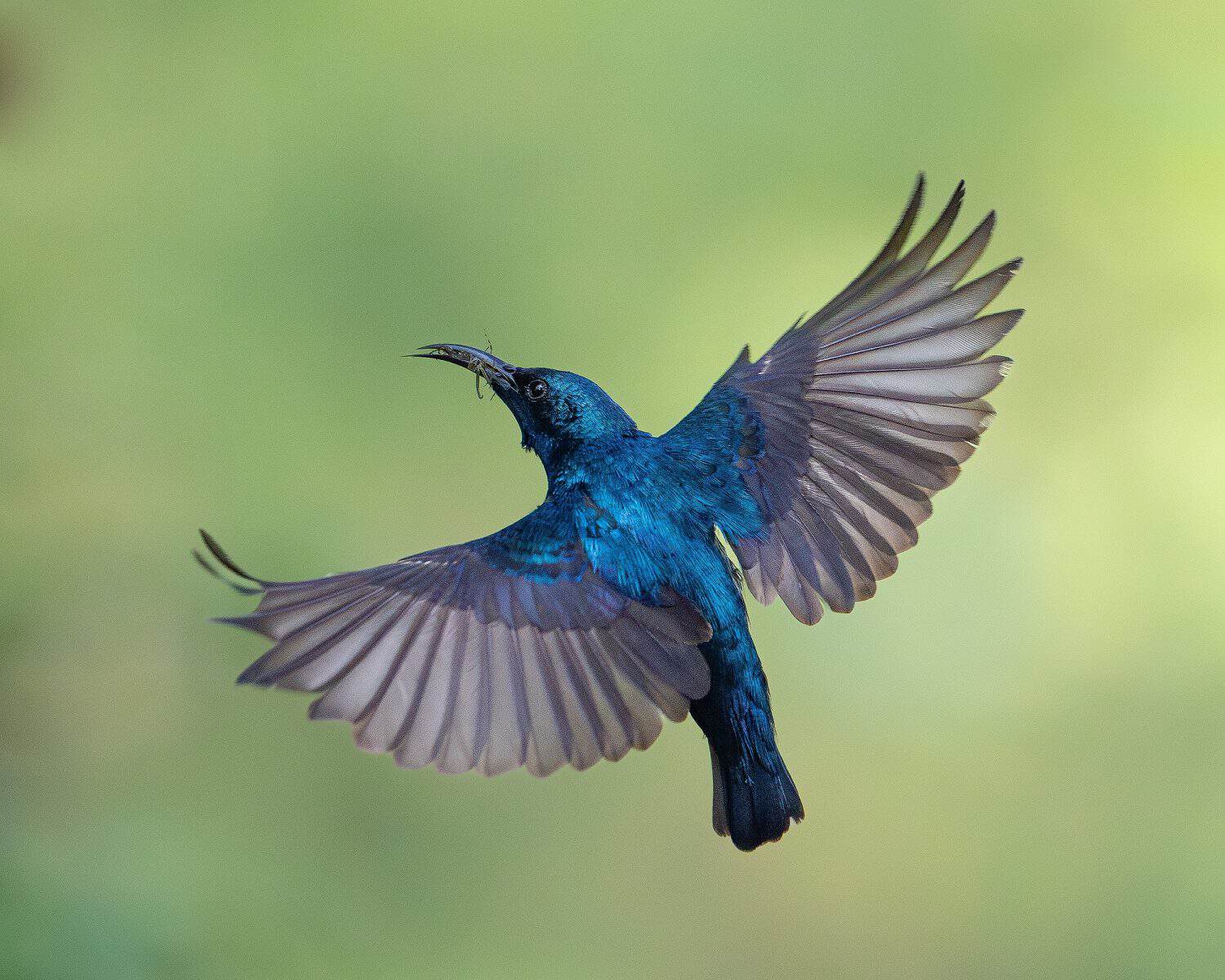
Breeding Season Birding: Months for Displays and Courtship
Watching birds during the breeding season feels deeply inspiring. A quiet woodland can suddenly turn into a stage of color, movement, music and competition. Male birds show feathers dance in the air sing from exposed branches and call again and again to attract a mate. Female birds carefully look at partners while established pairs work together to build nests and get ready for new chicks. Anyone exploring East Africa will find this time of year some of the memorable wildlife moments. Breeding season birding is about knowing when these remarkable behaviorsre most likely to happen and picking places where you can see them at their most active.
Why the Breeding Season Is Special
Birds are always fascinating but breeding behavior shows a side of their lives. During feeding times a bird may sit quietly or move through plants looking for food. During courtship the same bird can become very energetic. A male sunbird may chase a rival away from its territory times before returning to sing next to a potential mate. A weaver bird may spend hours building and fixing a hanging nest. A raptor may circle high above its territory while calling to a partner.
East Africa provides a rewarding setting for witnessing these activities because its varied habitats support an extraordinary range of species. Forests, wetlands, savannas, lakeshores, mountains, gardens and farmland can all become breeding grounds at times of the year.
Understanding Seasonal Timing
Bird breeding does not follow one calendar. Rainfall, food availability, temperature, altitude and habitat conditions all influence when reproduction starts. In parts of East Africa breeding activity rises during or just after rainfall because insects, seeds, fruits and other food become more abundant.
This makes the wet seasons especially interesting for people who want to see courtship and nesting behavior. Uganda, Kenya, Tanzania and Rwanda each have ecological zones so breeding can happen at different times even inside the same country. A forest species may react to rainfall differently, from a savanna species that lives several hundred kilometers away.
For this reason breeding season birding is best seen as a guide instead of a strict calendar. Weather can. Each species often has its own breeding schedule.
January to March: Activity Builds Across Habitats
The first months of the year can provide excellent opportunities for observing breeding behavior in several East African habitats. Rainfall patterns vary considerably. Many areas experience conditions that encourage increased food availability. Insects become more numerous flowering plants attract nectar-feeding species and many birds become more active.
In woodland and forest environments listen carefully for changes in song. Males may sing frequently as they establish territories and advertise their presence. Sunbirds, robin-chats, flycatchers, cuckoos and numerous small passerines can become particularly vocal.
Wetlands also deserve attention. Herons, egrets, ibises, jacanas and other water-associated birds may. Continue breeding depending on local conditions. Nesting colonies can become places with adults carrying nesting material defending territories and feeding young.
March can be particularly rewarding in areas where rains have created feeding opportunities. The landscape may look dramatically different from the season and bird activity can remain high throughout the morning.
Look for Displays, Not Just Species
If your goal is to experience breeding behavior change the way you observe birds. Of concentrating only on identifying as many species as possible spend several minutes watching one individual.
A male bird repeatedly returning to the branch may be defending a territory. Two birds chasing each other through the canopy may be involved in courtship or territorial behavior. A bird carrying grass leaves, feathers or other material could be gathering supplies for a nest.
The time you spend watching the more these patterns become understandable. You begin to notice that a birds behavior often tells you something that a field guide cannot.
April to June: Rain Brings Color and Song
April through June can be a period for birdwatching in parts of East Africa particularly where seasonal rains transform the landscape. Fresh vegetation provides shelter and food while insect numbers can rise sharply. These conditions can encourage species to invest energy in reproduction.
This period can be particularly rewarding for forest birding. In places such as Ugandas forests and Rwandas montane habitats the soundscape can become remarkably active. Turacos, barbets, cuckoos, sunbirds, flycatchers and numerous other species contribute calls to the morning chorus.
For photographers breeding displays can also create opportunities. A male bird spreading its wings raising its crest fanning its tail or hovering before a mate can create a natural scene. However patience is essential. Birds do not perform on demand. Approaching too closely can interrupt important behavior.
Respect Nesting Birds
Breeding season requires observation. A nest may look like a photographic subject but repeatedly approaching it can cause stress. Adults may temporarily abandon a feeding route. Avoid a nest when they feel threatened.
Use. A long camera lens where possible. Keep a distance avoid blocking the birds flight paths and never touch eggs, chicks, nests or nesting material. If an adult repeatedly gives alarm calls or refuses to approach a nest move away.
Responsible observation helps ensure that the experience remains positive for both you and the birds.
July to September: Savanna Courtship and Open-Country Displays
The middle and later months of the year can bring opportunities in savanna and open-country environments. Conditions vary by location. Some regions become drier while others continue receiving rainfall. Open habitats can make courtship behavior easier to observe because birds are often visible against grasslands, woodland edges and open skies.
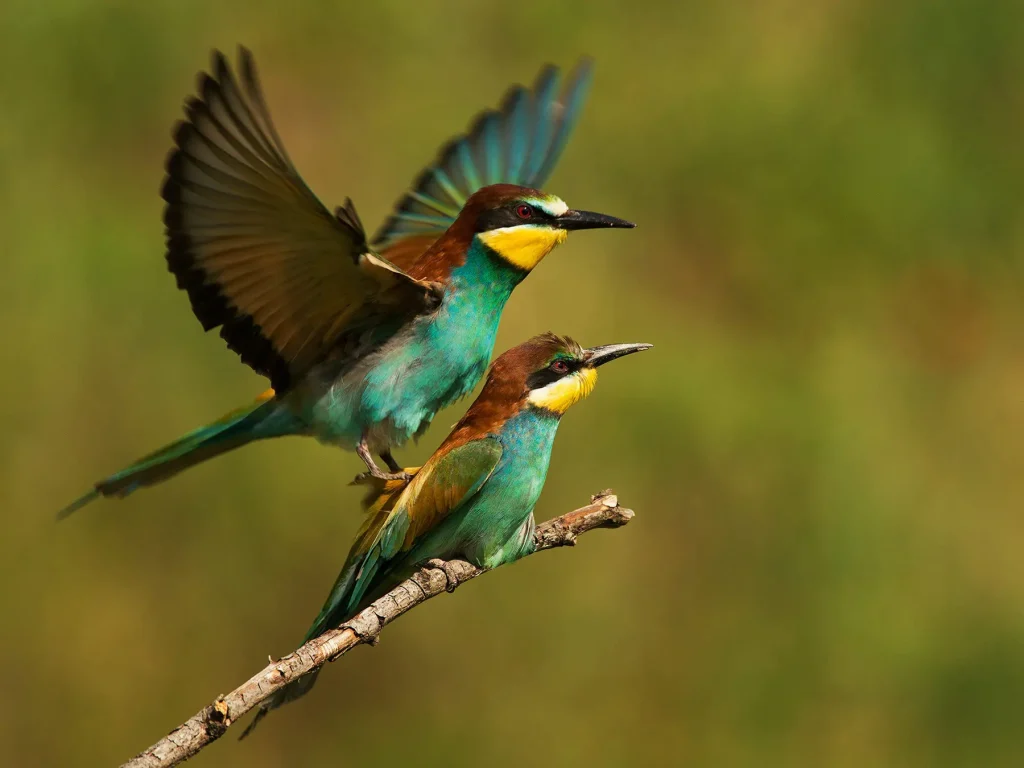
Large species can be especially impressive during this period. Bustards may perform displays raptors can engage in interactions and storks and other large birds may gather in suitable feeding areas. Smaller birds remain equally fascinating with rollers, bee-eaters, weavers, bishops, whydahs and other species displaying breeding plumage or behavior.
In African grasslands the contrast between a birds bright breeding colors and the surrounding vegetation can make courtship scenes unforgettable. Some species perform displays repeatedly while others rely more heavily on vocal communication.
Breeding Season Birding: Best Months, for Displays and Courtship becomes especially rewarding when you combine knowledge with patience. Knowing where a species feeds roosts and nests can help you anticipate where breeding behavior may occur.
Watch the Sky for Aerial Courtship
Do not focus entirely on bushes and trees. The sky can be one of the places to observe courtship.
Many raptors perform displays in which two birds circle, call, dive, climb or briefly lock talons. These behaviors can happen above you so binoculars are extremely useful. Eagles, hawks, kites and other birds of prey may use displays to strengthen pair bonds or defend breeding territories.
Early morning is often ideal because birds are active temperatures are cooler. The light is usually better for observation.
October to December: A Season of New Beginnings
The final months of the year can offer another period of breeding activity especially in areas receiving renewed seasonal rains. As vegetation becomes food resources increase many birds take advantage of improved conditions.
This is a time to explore wetlands, woodland, gardens, forest margins and agricultural landscapes. Weaverbirds may be busy around colonies while nectar-feeding species visit flowering plants. Some birds may still be displaying, while others are already feeding chicks.
Watching adults carry food to a nest can be especially rewarding. A parent may make repeated trips throughout the morning sometimes returning every minutes. If you observe from a distance you can witness the remarkable effort involved in raising young.
The experience also reminds you that bird conservation depends heavily on habitats. A nesting bird needs more than a tree. It needs food, water, shelter and a safe environment in which its young can develop.
Planning Your East African Birding Calendar
If breeding behavior is a goal plan your trip around habitats rather than relying solely on national calendars. Research the species you most want to see and learn when they typically breed in your chosen destination.
For example if you are interested in forest species prioritize areas with woodland and reliable food resources. For waterbirds choose wetlands and lakes where water levels and seasonal conditions support nesting. If raptors are your priority, open landscapes with visibility may provide better opportunities.
A local guide can also make a difference. Experienced guides understand bird calls, seasonal movements, nesting areas and daily activity patterns. They may recognize courtship behavior before you notice it yourself.
Breeding Season Birding: Best Months for Displays and Courtship is ultimately about being in the place at the right time while remaining flexible enough to accept natures schedule.
Make Patience Part of the Experience
Some of the breeding moments happen when you stop rushing. Sit quietly beside a forest trail. Spend time near a wetland without disturbing the birds. Watch a pair of weavers construct a nest. Listen to a sunbird singing from a flowering tree.
You may not see a display immediately. Give it twenty or thirty minutes. The reward can be greater than moving from one location to another.
Keep binoculars ready carry a field guide or bird identification app and record observations in a notebook. Write down the location, date, habitat, weather, species and behavior you observed. Over time these notes can reveal patterns. Help you plan future trips more effectively.
A Journey Into the Lives of Birds
The breeding season offers a rare opportunity to witness birds at one of the most important stages of their lives. Their songs, displays, battles, nest building and parental care reveal the effort behind every new generation.
Across East Africa changing rains and diverse habitats create opportunities to experience these behaviors throughout the year. You may find an aerial display over a savanna, a brightly colored sunbird courting among flowers or a weaver carefully shaping a nest above a wetland.
The best approach is simple: learn the patterns choose suitable habitats start early observe patiently and give nesting birds plenty of space. With those habits Breeding Season Birding: Best Months for Displays and Courtship becomes more than a search, for birds. It becomes an opportunity to witness the rhythms of reproduction and appreciate the care that goes into creating the next generation.
Every season brings a story. When you take time to watch closely even a familiar landscape can reveal something.




No comment