Maasai Mara Birding: Beyond the Big Cats
The Maasai Mara is really famous for its lions resting beneath acacia trees, cheetahs racing across grasslands, elephants moving through golden plains, and the amazing Great Migration. There is another world that is just as interesting. The Maasai Mara has skies, woodland edges, riverbanks, marshes, and grasslands that’re full of amazing birds. You can see colored rollers and bee-eaters, powerful raptors and elegant secretary birds. If you take the time to look beyond the famous animals, the Maasai Mara is a really special place for bird watching. It is full of movement, sound, color and seasonal change.
A morning in the Maasai Mara can start with the sounds of birds before the first vehicle leaves the camp. As the sun rises over the savanna, you can see lilac-breasted rollers perched on branches, yellow-throated longclaws moving through the grass, and vultures circling above the plains. Near streams and seasonal pools, you can see herons, egrets, storks, and kingfishers looking for food. Every different place in the Maasai Mara has its own group of bird species, which makes the Maasai Mara more than just a place to see big animals.
Discovering the Maasai Mara’s Rich Birdlife
The Maasai Mara has a lot of types of birds because it has many different kinds of habitats. The open grasslands are home to birds that’re good at walking, running and hunting in open spaces. The woodland patches provide nests and shelter for birds, while the riverine vegetation attracts kingfishers, barbets, sunbirds and other birds that need trees and water.
Birds of the Open Savanna
The open plains are really great for watching birds because you can see them from away without any trees blocking your view. The Maasai Maras secretary birds are one of the interesting species to look for. They have legs and look really unique as they walk through the grassland looking for snakes, lizards, insects and other food. Watching a secretary bird move slowly across the plains can be just as exciting as seeing an animal in the same place.
The Maasai Maras kori bustards are also really impressive. As one of Africas flying birds the kori bustard looks really big and powerful on the open plains. The males can look really striking when they are showing off while smaller groups may be seen moving through the grass. The Maasai Maras ground hornbills also create memorable experiences often walking together across open areas and looking for insects and small animals.
The grasslands are also home to smaller bird species. naped larks sing from low branches while the Maasai Maras longclaws and pipits move through the vegetation. common fiscals may sit on bushes scanning the ground for food. These birds may not seem exciting as lions or elephants at first but if you spend time watching them you can see how much is happening close, to the ground in the Maasai Mara.
Raptors and Predators of the Sky
When you are out birding in the Mara it gets really exciting when you look up at the sky. Raptors are a part of the ecosystem and because the landscape is so open you can spot them easily. Bateleurs are impressive birds they often glide through the air with their short tails. It is amazing to watch them fly effortlessly against the African sky it is one of the best things about birding here.
You might also see eagles, martial eagles, long-crested eagles and African fish eagles depending on the time of year and where you are. Vultures are very important too they help clean up animals and bring back nutrients to the ecosystem. Backed vultures, Rüppells vultures, hooded vultures and lappet-faced vultures all gather around food sometimes it is really amazing to watch.
Watching a group of vultures fly down to an animal is a different way to see the natural drama of the Mara. Just because a lion or cheetah is finished eating it does not mean the action is over. A whole group of scavengers comes next each one plays a role in keeping the ecosystem working.
This is why Maasai Mara Birding: Beyond the Big Cats can change the way you see the reserve. Of just looking for the big animals you start to notice all the things that are happening around you. A raptor flying overhead a group of queleas moving across the sky or a hornbill calling from a tree can all be parts of your day.
Color, Song and Seasonal Change
Some birds in the Mara are so colorful you cannot. Notice them. Lilac-breasted rollers are an example they have turquoise, violet, green and lilac feathers that look amazing in the sunlight. Seeing one sitting calmly before it flies away is a reminder that the savanna has its own special colors.
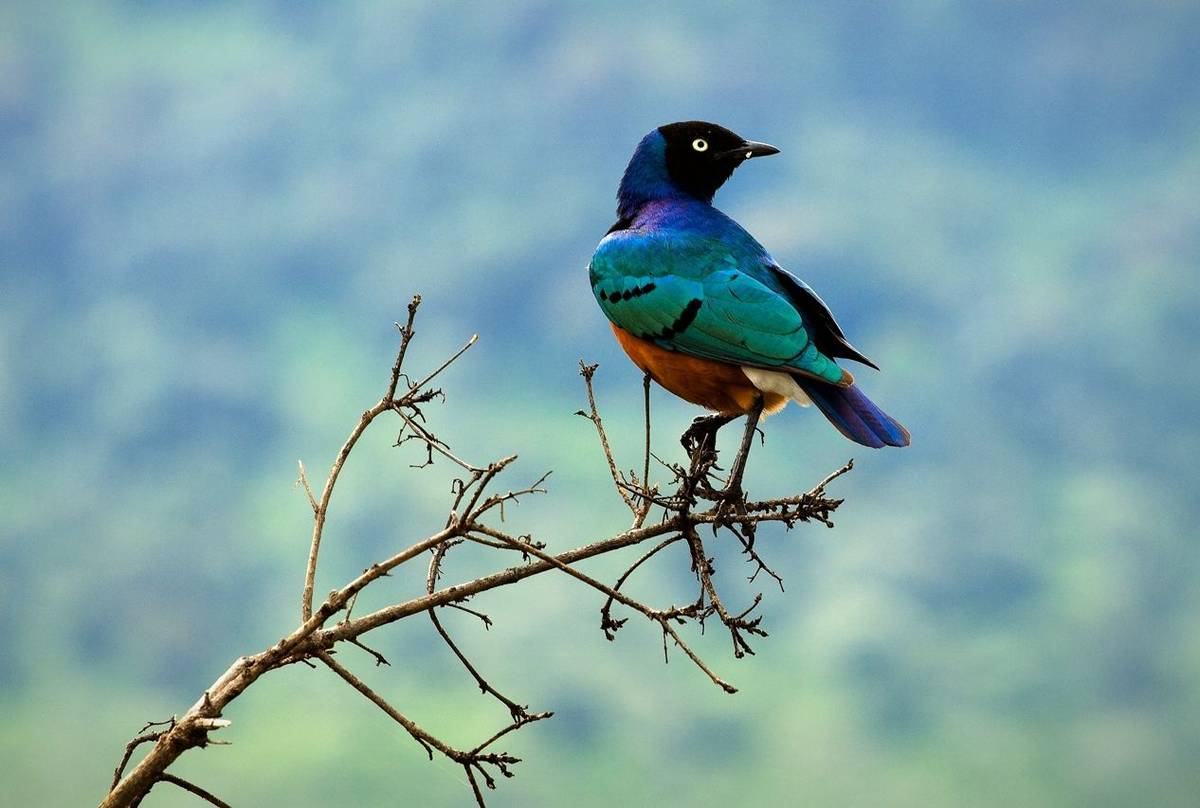
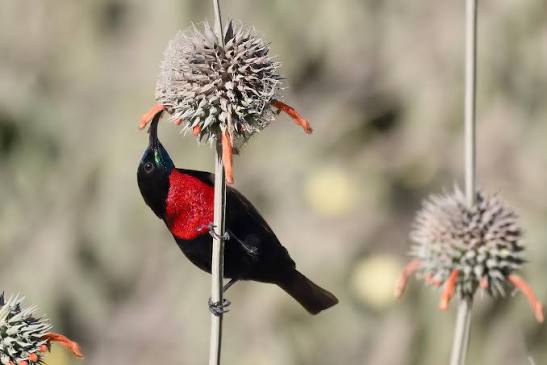
Superb starlings are another bird that can add color to the grasslands they have orange feathers that look great against the dry golden grass. Browed coucals, wattled starlings, oxpeckers and sunbirds all add to the variety of birds you can see as you move around.
The time of year also affects the birds, when migrant birds come the community of birds gets even richer. European bee-eaters, Eurasian marsh harriers, warblers and other migrants join the birds that live here all the time it makes it more fun to try to identify them.
For people who like to watch birds the changing of the seasons can be just as interesting as seeing species. When it is breeding season you can see birds doing their courtship displays calling to each other building nests and feeding their babies. After it rains there are insects so many birds become more active. The landscape can change quickly. The birds change with it.
Exploring Rivers, Woodlands and Wetlands
The Mara and Talek rivers are places for birds, especially where the trees and bushes grow thick along the water. African fish eagles like to sit near the water where they can catch fish and kingfishers fly along the riverbanks. Hadada ibises call loudly from the trees and herons and egrets look for food in the water.
The forests along the rivers can also have birds that you do not see out in the open. Barbets, hornbills, turacos, sunbirds and other birds that live in the woods might be hiding in the leaves so you have to be patient. Of driving quickly from one animal to the next you can stop and listen carefully.
The wet areas, pools and marshy spots are also places to look for birds. Water brings birds from around especially when it is hard to find water elsewhere. Storks, lapwings, sandpipers and other birds that like water might all be in these places. The birds you see can change depending on the water level. The time of year so each time you visit is different.
Making Time for Birding in the Mara
One way to make your trip better is to set aside time just for birding instead of just looking at birds when you happen to see them. The early morning is a time it is cooler and many birds are active. The first few hours after sunrise can be really amazing with many birds flying around.
Having a guide who knows the area can make a difference. They can help you identify birds by looking at their behavior, where they live, how they fly, what they sound like and the small details of their feathers. A guide can also take you to the places to see birds.
You do not have to be an expert to enjoy birding just bring binoculars wear clothes that blend in and keep a list of the birds you see. A book or app that helps you identify birds can also be helpful. The important thing is to take your time and enjoy watching the birds do not worry if you cannot identify every one.
Maasai Mara Birding: Beyond the Big Cats is even better when you let the landscape set the pace. One tree can have birds, in it at the same time. A quiet riverbank can have kingfishers, herons, bee-eaters and eagles all in one morning. The more you look the more you will see.
A Different Way to Experience the Maasai Mara
The pleasure of birding in the Mara comes from discovering how connected the entire ecosystem is. Birds respond to rainfall, insects, flowering plants, predators, water levels and seasonal movements. They follow herds exploit feeding opportunities build nests defend territories and migrate across continents. Their lives are woven into the landscape that supports the Maras famous mammals.
The presence of birds also changes the atmosphere of a safari. Of focusing entirely on the next major animal sighting you begin appreciating the smaller moments. A roller landing on a branch an eagle rising into the morning wind a secretary bird crossing the grass or a flock of starlings flashing across the plains can create lasting memories.
This broader perspective is at the heart of Maasai Mara Birding: Beyond the Big Cats. The Mara does not need its lions, cheetahs, leopards, elephants and wildebeest to become less important. Instead birds add another dimension to the remarkable wilderness.
For travelers returning to the Maasai Mara birding can provide a reason to explore familiar places. For first-time visitors it offers a chance to see the ecosystem in detail. The famous wildlife may draw you to the Mara. Its birdlife can keep your attention long after the excitement of the first lion sighting has passed.
Maasai Mara Birding
Beyond the Big Cats is ultimately an invitation to look closer. Beneath the African sky the reserve is alive at every level. Birds fill the trees with calls cross the grasslands in search of food circle above predators gather around water and travel thousands of kilometers during migration. Once you begin noticing them the Mara becomes richer more complex and more rewarding with every journey.
The time you enter the Maasai Mara pause before searching for the largest animal on the horizon. Look into the trees scan the grass watch the sky and listen to the calls, around you. You may discover that some of your unforgettable safari moments come from creatures small enough to overlook but remarkable enough to transform the way you see this extraordinary corner of Kenya.