Shoebill Sightings: Realistic Expectations for First-Timers
What to Really Expect if You are New to This
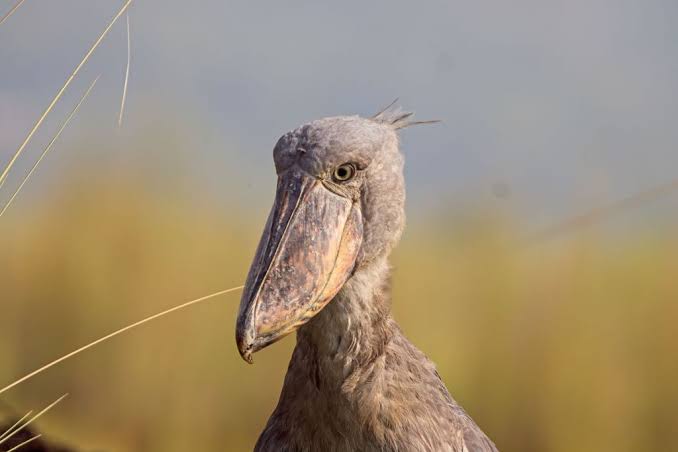
Uganda is home to the shoebill, a really amazing bird. The shoebill is very tall. Has a look that is from a long time ago. This is why people who like animals take pictures and watch birds come from all over the world to see it. A lot of people want to get close to the shoebill and take a picture.. The truth is, finding the shoebill is not always easy.
You have to understand that animals in the wild do not have a schedule. The shoebill lives in wetlands and can go anywhere it wants. Every time you go to look for the shoebill it is an experience. The weather, the water level and the time of year can all affect where the shoebill is.
The best part of looking for the shoebill is that you never know what will happen. You will paddle through water see the sun come up over the marsh and hear birds calling. All of these things make the experience very special. If you know what to expect you will have a better time.
Why You Might Not See the Shoebill
Some people think that if they pay for a tour they will definitely see the shoebill.. This is not true. No one can promise that you will see the shoebill.
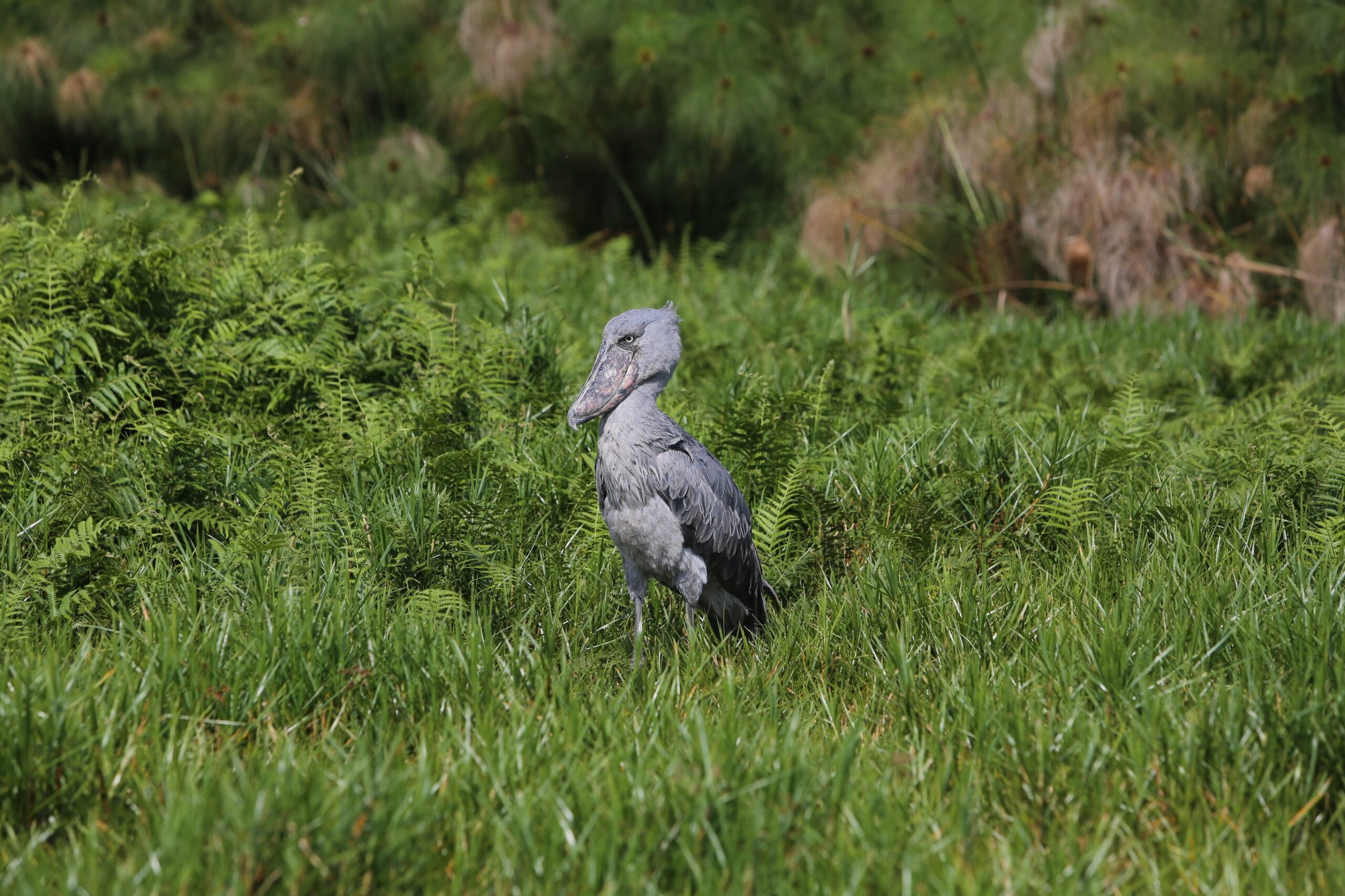
The shoebill lives in wetlands where it can be hard to find. It likes to stand and hunt for food like fish and frogs. If it cannot find food in one place it will move to another place. The shoebill also likes to be alone so it can be hard to find.
The good news is that the guides who take you to look for the shoebill know the wetlands very well. They have been watching the shoebill for a time and know where it likes to go. This makes it more likely that you will see the shoebill.
The Best Way to Think About Your Tour
It is very important to be prepared for your tour. Do not just think about seeing the shoebill. Think about all the amazing things you will see.
You might see birds walking on water, colorful birds diving into the water or big eagles flying overhead. Every hour you spend in the wetlands is a chance to see something
Some people get so focused, on seeing the shoebill that they forget to look at everything.. If you slow down and look around you will have a much better time.
Why Patience is Important
If you want to take pictures of animals or watch birds you have to be patient. The shoebill might be hiding behind some plants for a time before it comes out. It might stand still for a time before it moves.
You cannot rush these things. A lot of people who watch birds say that waiting is one of the parts of the experience. Every time you turn a corner you might see something
If you are patient waiting becomes part of the fun. It is not something that makes you frustrated.
Understanding Your Chances
Many people naturally ask about the possibility of seeing a shoebill.
Although sightings change throughout the year experienced operators at known places such as Mabamba Swamp often share high success rates because local guides keep track of recent bird movements. However wildlife is unpredictable. Even good places sometimes have tough days.
Several things affect your chances:
Early morning trips often happen when the bird is active and feeding.
Calm weather helps see across the open water.
Experienced local guides talk to boat operators who share recent sightings.
Small groups make noise and disturbance.
Flexible plans let guides spend time looking.
None of these things ensure success on their own. Together they make a big difference.
Every Excursion Tells a Story
No two shoebill trips are ever the same.
One person might see a bird within fifteen minutes of arriving at the swamp. Another person may wait patiently for three hours before seeing one fly across the marsh.
Some people get lucky. Watch dramatic hunting behavior.
Others see moments of preening, resting or walking carefully through shallow water.
Photographers want to capture wings fully stretched during flight while birdwatchers may just enjoy a few minutes watching the bird naturally.
Each experience is personal because every encounter is different.
That difference is part of what makes the shoebill so special.
How Local Guides Increase Your Chances
Local guides are one of the reasons visitors have successful trips.
Many have spent years moving through Ugandas wetlands. They notice signs that new visitors might miss.
Fresh footprints on shores.
Recent feeding signs.
Favorite hunting spots.
Changes in water levels.
Bird calls that show movement nearby.
Guide groups also share what they see during the morning. If one boat finds a shoebill other guides often get updates while keeping a distance.
Their knowledge saves time. Makes the experience much better.
Listening to your guide also makes the trip better. They explain conservation work identify bird species and share interesting stories about the wetlands.
Respecting Wildlife Creates Better Encounters
The best wildlife experiences happen when people do not bother the animals.
Good guides move slowly keep engine noise low and stay at a distance.
Visitors also help by talking not moving suddenly and following directions.
A calm shoebill continues to feed or rest normally.
A disturbed shoebill might go into plants before anyone gets a good look.
Responsible tourism helps the bird. Lets others enjoy the same experience later.
Respect helps both the wildlife and the visitors.
Weather Can Change Everything
Weather affects every trip in the wetlands.
Morning fog can make photos but might make it harder to see.
Heavy rain can change the water paths. Where the birds go.
Strong winds make it harder to see animals because of the ripples.
Sunlight later, in the day sometimes makes birds move into areas.
Because weather changes all the time being flexible is important.
When the weather is not perfect good sightings still happen.
Many great photos have been taken right after it rains when the light is soft and nice.
Managing Photography Expectations
When photographers get to a place they often have pictures in their mind that they saw on the internet.
Those good close-up portraits you see are usually taken by people who have been doing photography for a long time they have good timing, the right equipment, good lighting and they are very patient.
Your first time taking pictures outside may give you some photographs but it is also possible that your favorite picture will be one that captures the feeling of the place rather than every small detail.
You can take pictures of landscapes morning reflections and waterways lined with papyrus.
You can try to capture a shoebill in the distance with the sun rising behind it or flying kingfishers or local fishermen paddling their canoes.
These pictures will tell the story of your adventure.
Some people find out later that their favorite memories were not even captured by a camera.
Appreciating the Journey Beyond the Shoebill
If you are going to see a shoebill for the time it is easier to have realistic expectations when you remember why you wanted to go on this adventure in the first place.
Maybe you wanted to see Ugandas wetlands.
Maybe you wanted to learn about taking care of birds.
Maybe you just wanted to spend a morning in nature.
All of these reasons are still good even if you do not see a shoebill away.
The wetlands are really beautiful.
If you take a canoe ride you can see quiet channels where the reflections shine across the still water.
You will hear birds of city traffic.
The fresh morning air will smell like papyrus and wild grasses.
These are experiences that will stay with you long after your trip is over.
Every Sighting Is Earned
Finding a shoebill is not like going to a tourist attraction where you know what to expect.
It feels like you really earned it when you find one.
You have to wake up before the sun rises travel across waters and search patiently with guides who know what they are doing.
You have to watch nature happen at its pace.
Then suddenly you see it.
The big bill of the shoebill catches the light of the sun and its sharp eyes scan the marsh.
For a minutes it feels like time is standing still.
This feeling is stronger because you had to be patient and respectful to see it.
Many travelers say it is one of the meaningful experiences with wildlife in Africa.
Taking Home More Than Photographs
After your trip you will probably remember more than just whether you took a picture or not.
You will remember how excited you were when your guide whispered that the bird was ahead.
You will remember the silence when everyone was watching without speaking.
You will remember the sunrise reflecting across the swamp.
You will remember talking to guides who make a living from protecting these wetlands.
These memories will make you appreciate taking care of the environment
Every visitor who acts responsibly helps the local community protect the shoebills home.
Tourism helps guides, boat operators, conservation efforts and families who depend on wetlands instead of destroying them.
This connection between travelers and conservation makes every trip meaningful.
Seeing a shoebill for the time is not about being sure you will see it.
It is about discovering, being patient and respecting nature.
The time you spend waiting the quiet hours on the water and the things you learn from guides are all important parts of the trip.
When you have expectations every moment on the water is worth it.
If you see the shoebill it will be unforgettable because it happened naturally.
If you do not see it you will still have explored one of Africas wetland ecosystems and helped conserve an amazing species.
Ultimately seeing a shoebill for the time should make travelers think about what makes a trip successful. It is not just about taking one good picture but, about the whole experience.
People who are patient often find that the best reward is not just seeing the shoebill but learning about the world it lives in.