Off the Beaten Path: Uganda’s Hidden Shoebill Swamps
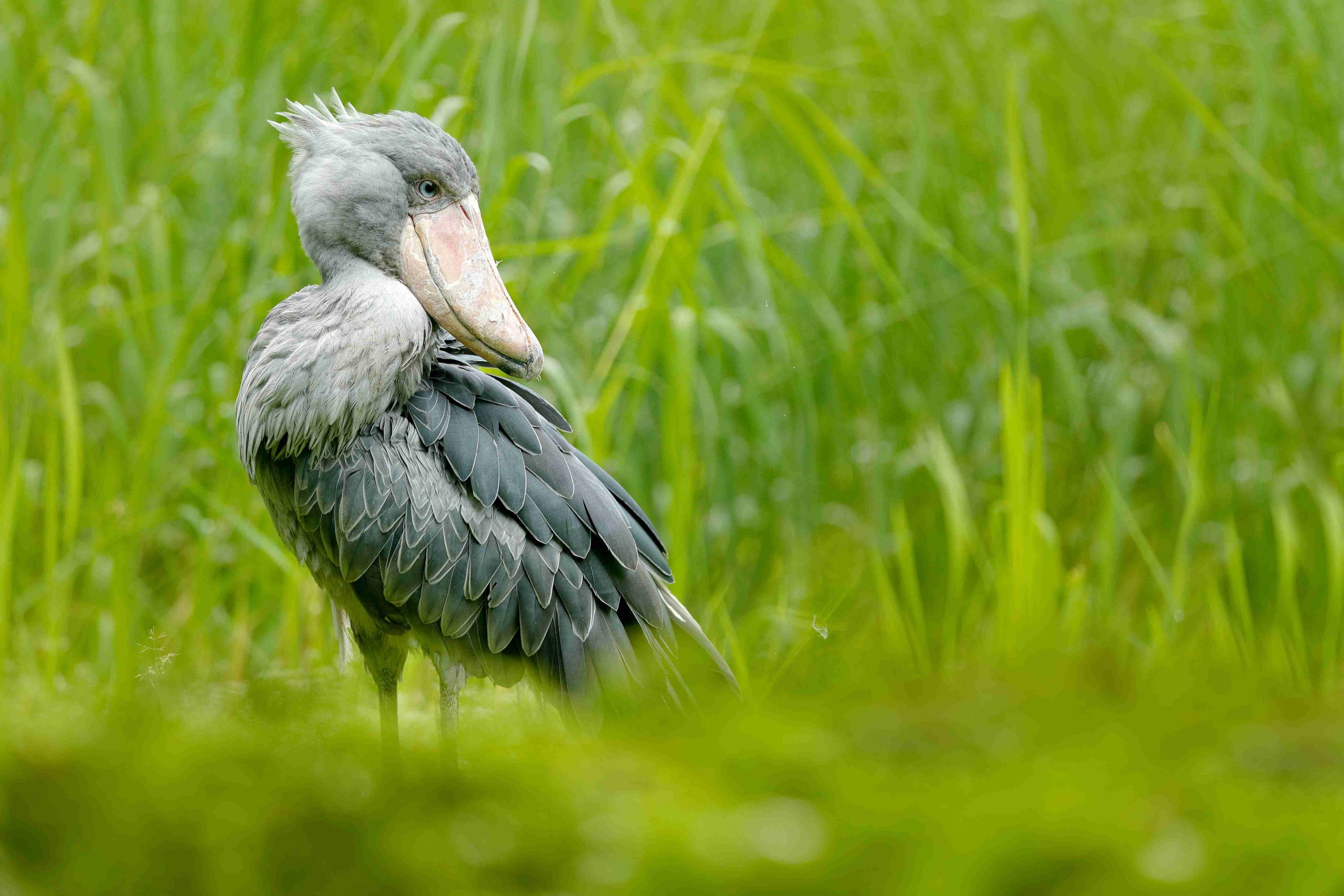
Uganda is known for mountain gorillas, tree-climbing lions and the great Nile. Some of the best wildlife experiences happen far away from the main tourist paths. Deep inside wetlands, papyrus marshes and seasonal floodplains lives one of Africa’s most special birds, the shoebill. Standing more than four feet tall with its unique shoe-shaped bill and calm, ancient look, the shoebill draws birdwatchers and photographers from all over the world.
Many people go directly to the country’s known birding places, but Uganda has many hidden wetlands where patient travelers can have amazing moments with this amazing bird. These quiet swamps get boats, fewer tourists, and much less noise, letting both nature and visitors enjoy the real beauty of the wild.
Off the Beaten Path: Uganda’s Hidden Shoebill Swamps gives a chance to find places where conservation, local people, and wild nature join together. For travelers who want adventures, these wetlands give memories that stay long after a regular safari.
Why Hidden Wetlands Offer Better Shoebill Experiences
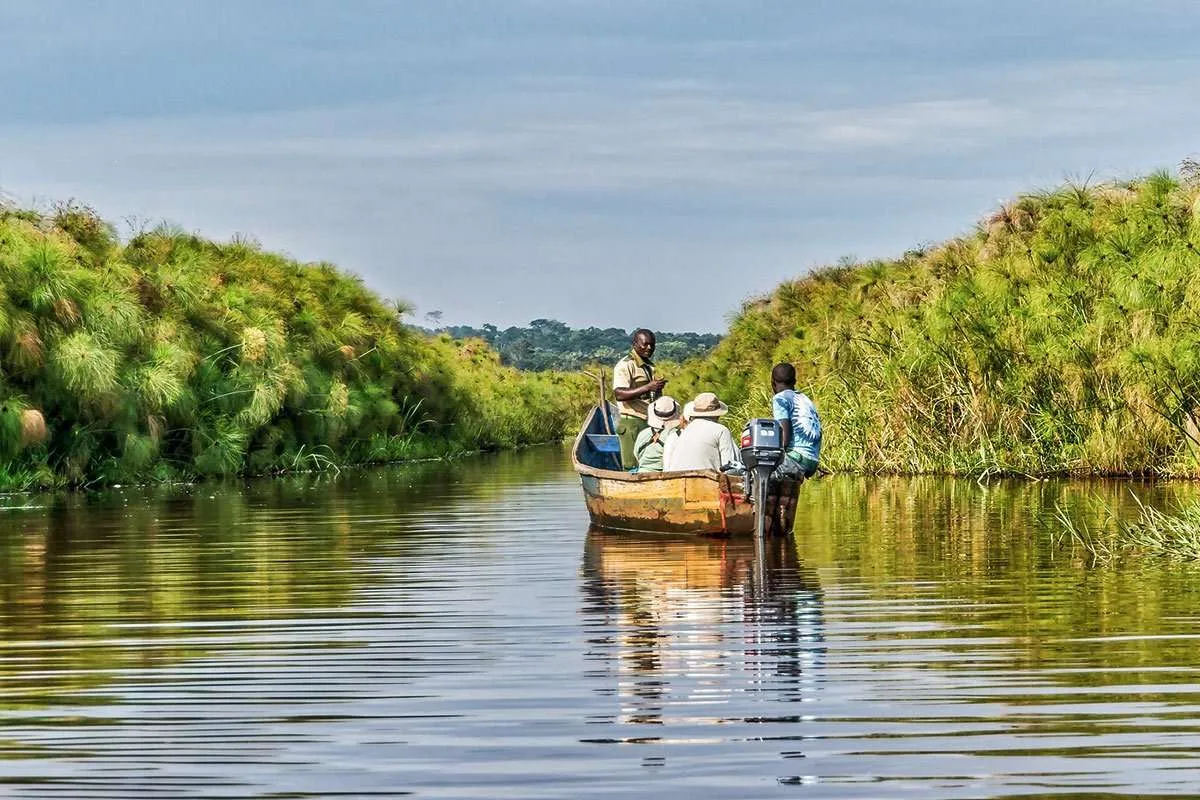
Shoebills like places with shallow water, thick papyrus, floating plants, and lots of fish. These conditions are often in wetlands that have not been affected by too many tourists.
Compared to places with hidden swamps, let visitors stay and watch natural behavior without big crowds scaring the birds. Watching a shoebill waiting for a lungfish or moving slowly through the marsh is even better when the area is peaceful.
No big boats also makes it easier for photography. The morning mist rising over water, the soft golden light on papyrus reeds, and the quiet movement of a shoebill make for special wildlife moments.
Many birders say that being patient is more important than luck. Spending a few hours in a less-known swamp often gives better views than rushing through a popular spot.
Off the Beaten Path: Uganda’s Hidden Shoebill Swamps Beyond the Famous Routes
Even though Mabamba Swamp is the famous place to see shoebills in Uganda, other wetlands should get the same attention.
Lake Mburo Wetland System
Lake Mburo National Park is famous for zebras, impalas, and boat rides. Not many visitors know that the wetlands near the park sometimes offer great chances to see shoebills.
The big marshes connected to the lakes make places for these birds to find lungfish, catfish, frogs and other water animals. Early morning trips, with guides, help find a shoebill more easily.
Another benefit is the variety of animals. A single day might include giraffes, buffaloes, hippos, fish eagles, kingfishers and with patience, the shoebill.
Semuliki Wetlands
The Semuliki region in Western Uganda gets a lot tourists than many national parks.. It has some really amazing biodiversity.
The wetlands around the Semuliki River are a place for birds to feed. Hundreds of bird species come here. The wetlands have lots of plants and water. There are plenty of fish. This makes it a good place to see shoebills sometimes.
People who love birds often come to this region to see birds in the swamp and to walk in the forest. They are looking for birds that can only be found in Central Africa.
This makes for a great birding adventure in Uganda.
Lugogo Swamps
The Lugogo Swamps are not on the safari route. So they are like a hidden treasure in Uganda.
These marshes have areas of papyrus and shallow water. This is a place for waterbirds to live. Local guides know where the birds are and can help you find shoebills.
Not many people visit this place. So it is very peaceful. You can really feel like you are in the wilderness.
A Journey That Rewards Patience
Finding shoebills is not like going on a safari where you can see animals quickly. You have to be patient.
The shoebill will stand still for a time watching the water. It can look like a tree stump in the reeds.
Then suddenly it will move fast and catch a fish. It is amazing to see this happen.
Being patient also helps you see the things around you. You can see dragonflies flying around the plants. You can see African jacanas walking on pads. You can see malachite kingfishers flying around the water.
Every moment you spend waiting is part of the adventure.
Local Communities Protect These Wetlands
The communities around the wetlands know how important they are. So they help protect them.
When you visit, you can help the communities by using their guides and services. This helps them make money and take care of the wetlands.
If we protect the wetlands, the shoebills will have a place to live. Several organizations are working with the communities to help protect the birds and the wetlands.
When you visit, you are helping to protect the wetlands
Off the Beaten Path: Uganda’s Hidden Shoebill Swamps and Responsible Birdwatching
We have to be careful when we are watching the shoebills. We do not want to scare them.
The guides will help us stay far enough away so we do not bother the birds. We should be quiet. Not make any sudden movements.
We should not try to get too close to the birds to take pictures. We can use binoculars to see them
We also have to take care of the wetlands. We should not leave any trash. We should follow the rules.
If we are tourists, we can help the birds and the communities.
Best Seasons to Explore Hidden Shoebill Habitats
Shoebills stay in the places for a lot of the year, but the weather affects how easy it is to get there and how good the conditions are for seeing them.
The dry seasons usually mean it is easier to get to away wetlands because the roads are better and it is easier to use canoes to move around.
Morning trips often give chances. The cool temperatures make the birds more active. The still water makes it perfect for taking pictures.
Cloudy days during the seasons can create nice lighting, but too much rain can sometimes stop people from going to some swamps.
Local guides always watch where the birds are and where they have been seen, so their knowledge is very helpful no matter what time of year it is.
Wildlife Beyond the Shoebill
Looking for shoebills helps people discover the variety of life in Uganda’s wetlands.
African fish eagles shout from trees that are over the wet areas. Saddle-billed storks walk in water with herons and egrets. African openbills look for snails while swamp flycatchers move quickly through the reeds.
Mammals also live in these wetlands. Sitatungas move quietly through plants, otters look for food in narrow paths, and hippos rest in deep areas of water.
Butterflies, reptiles, frogs and many insects add to an environment that has a lot of types of life.
Each trip is more than looking for one bird.
The Human Connection With Uganda’s Wetlands
For years, wetlands have helped people who live by the water. They provide food, fresh water, and materials that people use in a way.
Many groups have a lot of knowledge about how the water levels change how the birds act and how the fish live. This knowledge is passed down from one generation to the next.
Hearing from guides often makes the trip more interesting than just seeing animals. Stories about how the land has changed, how conservation has. How traditions are kept show how people are still connected to these places.
This link shows that conservation works best when local people are part of it and not just watching from the side.
Planning Your Hidden Wetland Adventure
Finding shoebills starts with knowing what to expect.
Wild shoebills do not act like animals in a zoo. They do what they want. Seeing them is not certain. Getting ready helps a lot.
Using guides who know the area, starting trips before the sun comes up, wearing colors that blend in, bringing binoculars, and giving time all help with seeing the birds.
Being able to change the plans helps too. Spending a morning in the wetlands can give travelers great wildlife experiences if they are patient.
Many travel companies now mix these hidden wetlands with parks, making trips that have both famous spots and special places that are not as well known.
Discovering the Quiet Side of Uganda
Off the Beaten Path: Uganda’s Hidden Shoebill Swamps shows travelers that the best wildlife experiences in Uganda are often in places that not many people go to. Far from roads and popular spots, quiet wetlands protect one of Africa’s most interesting birds.
Standing quietly by an away marsh at sunrise, hearing only the calls of birds in the distance and the soft movement of papyrus, makes a connection with nature that few places can offer. Every time someone looks carefully, it becomes part of a story about protecting nature, taking care of the land, and respecting wild places.
For people who like to watch birds, take pictures, or look for adventures, these forgotten wetlands show a side of Uganda that is still very clean and untouched. Off the Beaten Path: Uganda’s Hidden Shoebill Swamps asks you to slow down, be patient, and find wildlife where silence is more powerful than crowds.