Ziwa Rhino Sanctuary and Beyond: Uganda’s Shoebill Hotspots
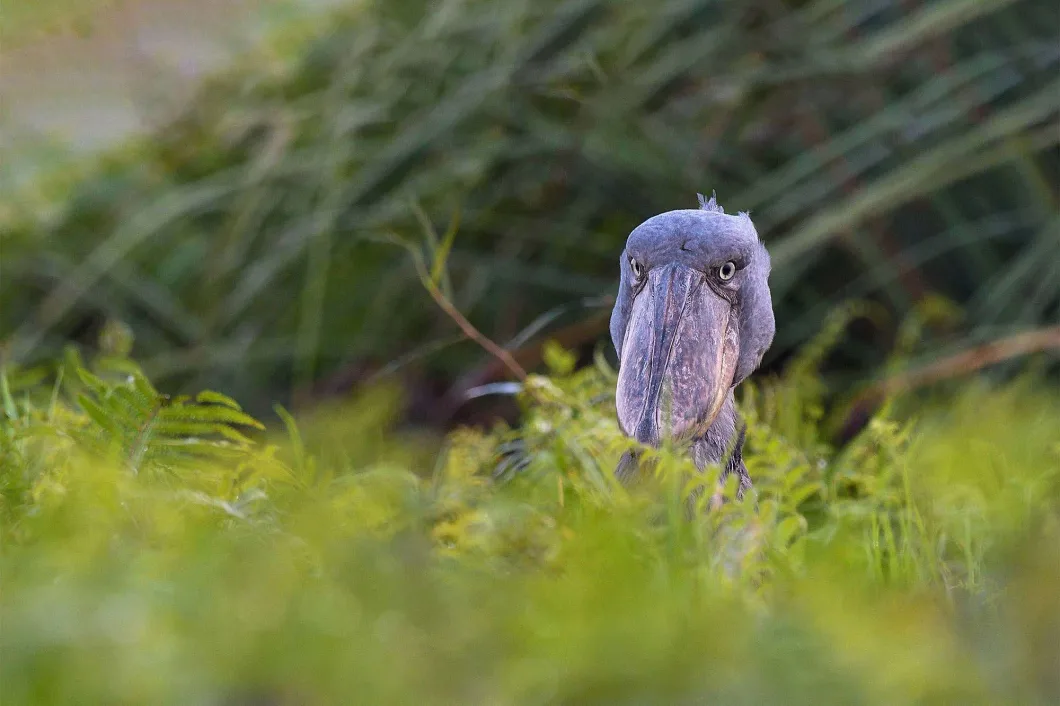
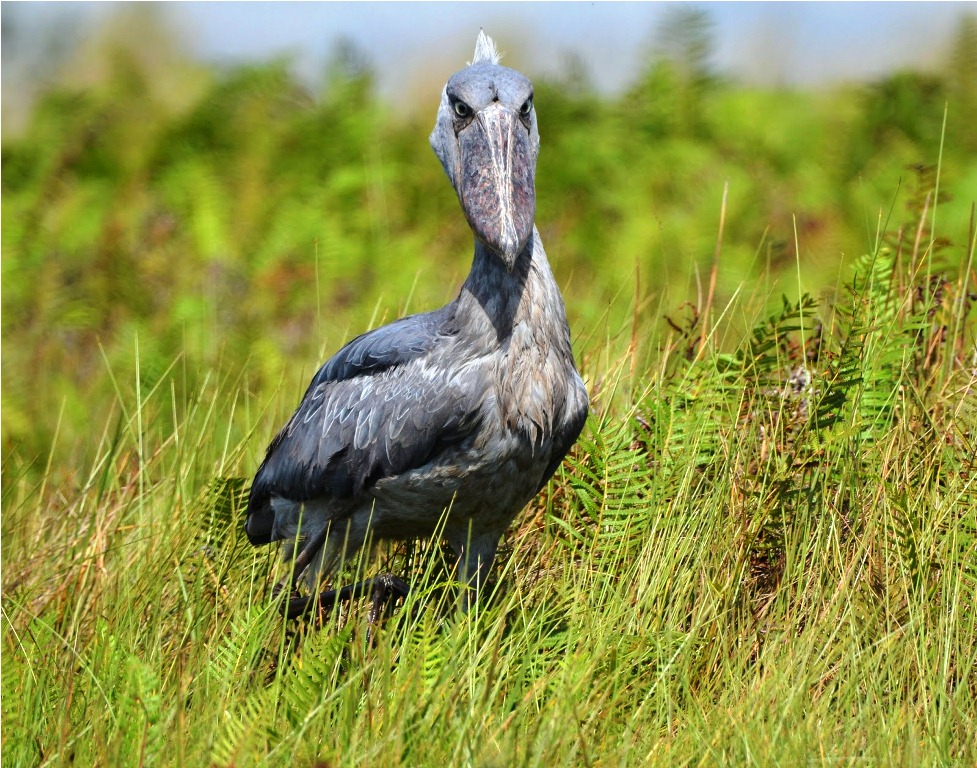
If you have seen a picture of a shoebill stork, you know why people travel far to see one. This bird is really big, five feet tall, and has a beak that looks like a special kind of shoe. It just stands there looking at you. You wonder if it is even alive. Uganda is one of the places to see this bird, and you can start looking in a place that people usually think is just for rhinos, not birds.
Ziwa Rhino Sanctuary and Beyond: Uganda’s Shoebill Hotspots is a story about a country where you can have two rare wildlife experiences in just a few hours. You can take a canoe ride one morning. See two of Africa’s rarest animals.
Why Ziwa Rhino Sanctuary and Beyond: Uganda’s Shoebill Hotspots Belong on Your Bucket List
Ziwa Rhino Sanctuary is located in Nakasongola district, three hours north of Kampala. It is a place covering 70 square kilometres, and it was made to bring back the Southern White Rhino to Uganda. The sanctuary has a team of rangers and security staff who take care of the rhinos all the time. Most people visit the sanctuary to see the rhinos. They walk on foot with a guide to get close to these big animals.
What is really cool about the sanctuary is the birdlife. The Lugogo swamp has a lot of birds, including the shoebill stork. You can take a canoe ride at dawn. See the sun come up while you are on the water. Your guide will point out a shoebill standing still in the water waiting for fish to come up. Seeing a rhino in the morning and a shoebill before breakfast is a way to spend your time, and that is why many people plan their trips around this place.
The sanctuary also has over 300 kinds of birds, including the fish eagle and the grey-crowned crane. If you are on your way to Murchison Falls National Park, stopping at the sanctuary lets you see Uganda’s most famous animal and its most wanted bird without taking a big detour.
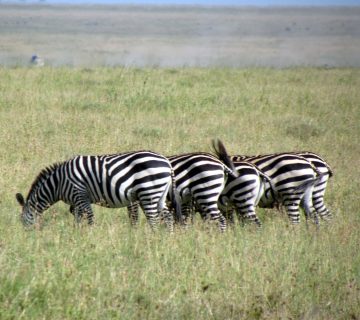
You can stay at the sanctuary in a campsite or a simple guest house. They have a restaurant that serves Ugandan food at good prices. Staying overnight is better than visiting for the day because you can take the canoe ride at sunrise when the birds are most active. Many people come to the sanctuary to see rhinos. They leave saying that the time on the water was the best part of their trip. The sanctuary also has giraffes, hartebeest, and zebras so you can see animals without even trying.
Mabamba Swamp: Your Best Chance to See a Shoebill
Mabamba Swamp is a place to see a shoebill. If you go to Ziwa, it is easy to get.. Mabamba Swamp is where you can see a shoebill for sure. It is located on the shores of Lake Victoria about 90 minutes from Entebbe. Mabamba Swamp is a protected area and home to many shoebills, around 30 or more.
Local fishermen who are now bird guides will take you on a canoe through the narrow channels in the papyrus. The birds are used to seeing boats, so you can see them anytime during the day, not early in the morning or at sunset.
To get into the wetland, it costs around 25,000 shillings for foreign visitors. A guided canoe trip usually takes two to three hours. Mabamba Swamp is close to Entebbe International Airport; many people visit on their first or last day in the country. They also visit the Uganda Wildlife Education Centre or the Ngamba Island chimpanzee sanctuary. Mabamba Swamp has more than 200 other bird species, including the papyrus gonolek and the blue swallow, which are in danger.
The canoes at Mabamba Swamp are small and made of wood. The guides paddle them by hand. This makes little noise so the guides can get close to a resting shoebill without scaring it. Most guides work on their own or with groups based in the fishing village of Kasanje. It is easy to hire a guide when you arrive.
You can see shoebills at Mabamba Swamp anytime during the day. It is a good place to visit if you are in a hurry and cannot leave early in the morning. However, the guides recommend arriving before 9:00 am because the water’s calm and the light is good for taking pictures.
Murchison Falls and the Nile Delta
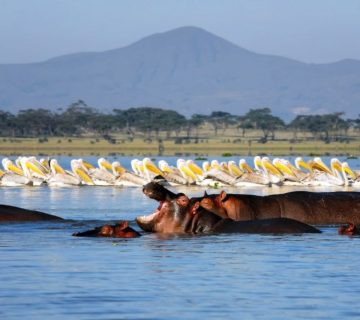
The Nile Delta, where the Victoria Nile meets Lake Albert inside Murchison Falls National Park, is a place to see a shoebill. After going through narrow swamp channels, you take a boat across open water and look at the papyrus fringes. You might see hippos and crocodiles moving around the boat. You might not see a shoebill for sure. The place is very beautiful.
You are looking at one of the birds in the world, and you can see elephants and buffalo on the banks at the same time. Most lodges inside Murchison Falls have half-day boat trips to see shoebills. They usually leave early in the morning.
Other Places to Look for Shoebills
Uganda has shoebills, not just in the main places. The Ishasha sector of Queen Elizabeth National Park has wetlands where shoebills sometimes appear. Semuliki National Park has many shoebills, and it is a quieter place to visit. Lake Mburo National Park has wetlands with papyrus where shoebills sometimes go along with pelicans and herons.
Further east, Lake Opeta and parts of Lake Kyoga also have shoebills. Not many people visit these places, and it takes more planning to get there. If you want to see a shoebill, for sure go to Mabamba Swamp or Ziwa. If you want to see birds and have a fun trip, visit one or two of these other places.
Mabamba Swamp: Your Best Chance to See a Shoebill
Mabamba Swamp is a place to see a shoebill. If you go to Ziwa, it is easy to get there. Mabamba Swamp is where you can see a shoebill for sure. It is located on the shores of Lake Victoria about 90 minutes from Entebbe. Mabamba Swamp is a protected area and home to many shoebills, around 30 or more.
Local fishermen who are now bird guides will take you on a canoe through the narrow channels in the papyrus. The birds are used to seeing boats, so you can see them anytime during the day, not early in the morning or at sunset.
To get into the wetland, it costs around 25,000 shillings for foreign visitors. A guided canoe trip usually takes two to three hours. Mabamba Swamp is close to Entebbe International Airport; many people visit on their first or last day in the country. They also visit the Uganda Wildlife Education Centre or the Ngamba Island chimpanzee sanctuary. Mabamba Swamp has more than 200 other bird species, including the papyrus gonolek and the blue swallow, which are in danger.
The canoes at Mabamba Swamp are small and made of wood. The guides paddle them by hand. This makes little noise so the guides can get close to a resting shoebill without scaring it. Most guides work on their own or with groups based in the fishing village of Kasanje. It is easy to hire a guide when you arrive.
You can see shoebills at Mabamba Swamp anytime during the day. It is a good place to visit if you are in a hurry and cannot leave early in the morning. However, the guides recommend arriving before 9:00 am because the water’s calm and the light is good for taking pictures.
Murchison Falls and the Nile Delta
The Nile Delta, where the Victoria Nile meets Lake Albert inside Murchison Falls National Park, is a place to see a shoebill. After going through narrow swamp channels, you take a boat across open water and look at the papyrus fringes. You might see hippos and crocodiles moving around the boat. You might not see a shoebill for sure. The place is very beautiful.
You are looking at one of the birds in the world, and you can see elephants and buffalo on the banks at the same time. Most lodges inside Murchison Falls have half-day boat trips to see shoebills. They usually leave early in the morning.
Other Places to Look for Shoebills
Uganda has shoebills, not just in the main places. The Ishasha sector of Queen Elizabeth National Park has wetlands where shoebills sometimes appear. Semuliki National Park has several shoebills, and it is a quieter place to visit. Lake Mburo National Park has wetlands with papyrus where shoebills sometimes go along with pelicans and herons.
Further east, Lake Opeta and parts of Lake Kyoga also have shoebills. Not many people visit these places, and it takes more planning to get there. If you want to see a shoebill, for sure go to Mabamba Swamp or Ziwa. If you want to see birds and have a fun trip, visit one or two of these other places.
Planning Your Ziwa Rhino Sanctuary and Beyond: Uganda’s Shoebill Hotspots Trip
Time is more important than most people realize. Shoebills are most active in the morning, usually between 6:30 and 9:00 am, before the heat begins and the birds hide in thicker cover to rest. Choose your canoe or boat trip for the spot of the day whenever a place offers one. A skilled local guide has more impact than any piece of equipment you take since these guides often know exactly which patch of papyrus a particular bird has been using for weeks.
A realistic plan could look like this. Fly into Entebbe. Spend your first morning at Mabamba Swamp before going to Kampala. Drive north to Ziwa Rhino Sanctuary the day arriving in time for an afternoon rhino walk and staying overnight so you can see the dawn shoebill canoe ride before moving to Murchison Falls National Park. From there, a Nile Delta cruise gives you a very different shoebill experience, plus the added advantage of one of the most powerful waterfalls in Africa. This path alone can put you in front of shoebills at three wetlands within four or five days without ever going far from Uganda’s main travel route.
Bring binoculars with at least 8x magnification, a rain jacket even in the dry season since swamp mornings can be wet, and a telephoto lens if photography is important to you. Wear colors that’re not bright since shoebills are easily frightened by sudden movement and strong contrast. Most canoe guides will stop the engine or stop paddling once a bird is seen. Patience is more helpful than trying to get too close too quickly.
Prices stay low across all these places. Mabamba wetland fee is 25,000 shillings for foreigners; Ziwa birding tours cost roughly 15 to 20 US dollars per person depending on the provider, and Murchison Falls delta cruises are usually included in the park’s boat launch fee, which most people already pay for the wildlife views along the river. None of these costs should be too much for a travel budget, which makes visiting two or three places in one trip a decision.
A Bird Worth the Journey
than 10,000 shoebills are left in the wild across Africa, spread out through swamps in South Sudan, the Democratic Republic of Congo, Zambia, and East Africa. Uganda provides some of the most reliable and easy-to-reach sightings anywhere on the continent, and that reliability is because of the mix of protected wetlands scattered through the country. You do not need weeks of planning or a special safari company to find one. A timed canoe ride, a patient guide and an early alarm clock are usually enough.
That ease of access is what makes Ziwa Rhino Sanctuary and Beyond: Uganda’s Shoebill Hotspots such a theme for any Uganda trip. You get to walk among rhinos that were once locally extinct, drift through quiet papyrus channels toward a bird that looks like it came from the age of dinosaurs. Few countries let you combine a conservation success story and a real wildlife rarity in 48 hours. Uganda does, and it does so within an hour’s drive of its own capital.
Whether you plan your trip around an unforgettable morning at Mabamba or extend it into a longer route through Ziwa, Murchison Falls and the western parks, you come away with more than a checklist item. You come away having seen one of the world’s most beautiful birds doing its quiet work in a swamp it has lived in longer than any of us have been alive.