The 8-Person Rule Explained: Why Gorilla Groups Are So Small
Gorilla trekking is one of the most carefully managed wildlife experiences in the world. Every day, visitors travel deep into the forests of Uganda, Rwanda, and the Democratic Republic of Congo hoping to spend a precious hour with a family of mountain gorillas. However, many first-time travelers are surprised when they learn that only eight people are allowed to visit a habituated gorilla group each day.
Considering the global demand for gorilla trekking permits, some people wonder why the number is so small. Wouldn’t allowing more visitors generate more revenue for conservation and make permits easier to obtain?
The answer lies in one important goal: protecting the gorillas.
The 8-person rule is one of the most important conservation measures used in mountain gorilla tourism. It helps reduce stress on gorilla families, minimizes the risk of disease transmission, protects their natural behavior, and ensures a high-quality experience for visitors.
Understanding why this rule exists helps travelers appreciate the careful balance between tourism and conservation that has helped mountain gorilla populations recover over the years.
What Is the 8-Person Rule?
The 8-person rule means that only eight tourists are allowed to visit a habituated gorilla family on any given day.
Once trackers locate the gorillas, the group of eight visitors is guided through the forest by experienced rangers and guides. After finding the gorilla family, visitors are allowed exactly one hour to observe and photograph them before returning to the park headquarters.
This limit applies to each habituated gorilla family individually. If a national park has multiple habituated families, several groups of eight visitors can trek on the same day, each assigned to a different gorilla family.
The rule is enforced across the major mountain gorilla destinations, including Bwindi Impenetrable National Park, Mgahinga Gorilla National Park, Volcanoes National Park, and Virunga National Park.
Protecting Gorillas from Human Diseases
One of the biggest reasons for the 8-person limit is disease prevention.
Mountain gorillas share approximately 98 percent of their DNA with humans. Because of this close genetic relationship, gorillas are vulnerable to many human illnesses.
A simple cold, flu, or respiratory infection that may cause only mild symptoms in humans can have devastating consequences for a gorilla family.
The more people who visit gorillas, the greater the risk of disease transmission.
By limiting group sizes to eight visitors, conservation authorities significantly reduce the chances of exposing gorillas to harmful pathogens.
Visitors are also required to follow strict health guidelines. Anyone showing signs of illness may be prevented from trekking. Rangers encourage visitors to maintain a safe viewing distance and follow hygiene protocols throughout the experience.
These measures have become even more important in recent years as wildlife managers continue to strengthen health protection programs.
Reducing Stress on Gorilla Families
Although mountain gorillas are habituated to human presence, they remain wild animals.
Habituation is a long process during which gorillas gradually become comfortable with researchers, rangers, and visitors. This process can take several years.
Even after habituation, large groups of people can cause stress and anxiety among gorillas.
Imagine a family of gorillas suddenly surrounded by twenty or thirty tourists every day. The constant presence of large crowds could alter their behavior, feeding patterns, and social interactions.
Keeping visitor numbers low allows gorillas to remain relaxed and behave naturally.
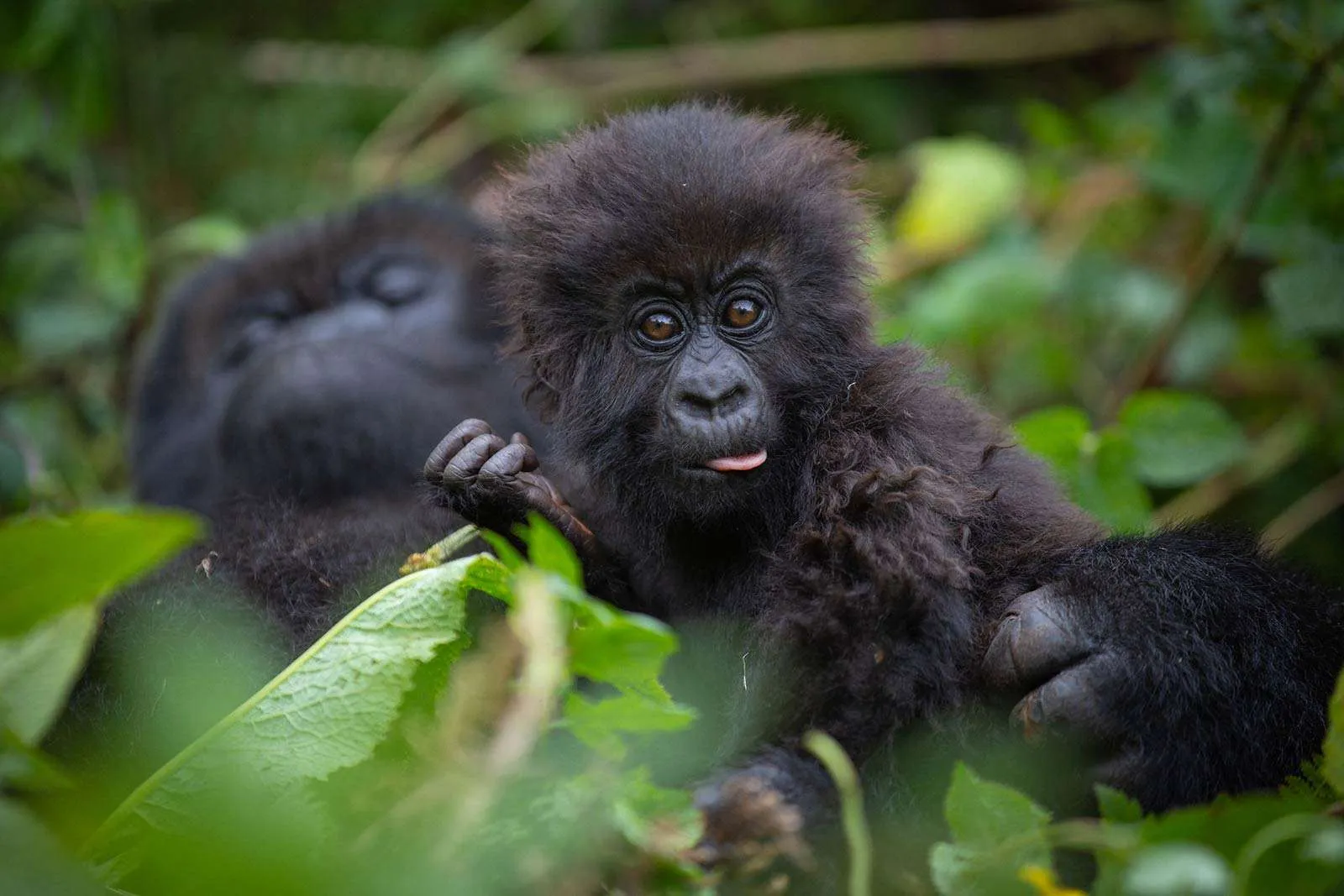
Visitors often observe silverbacks resting peacefully, mothers caring for infants, juveniles playing, and family members grooming each other. These natural behaviors are more likely to occur when gorillas do not feel overwhelmed by human activity.
Preserving Natural Behavior
One of the goals of responsible wildlife tourism is to ensure that animals continue behaving naturally.
If gorillas become too accustomed to large numbers of people, they may alter their movement patterns, feeding habits, or social structure.
Conservationists work hard to prevent tourism from influencing gorilla behavior.
The 8-person rule helps maintain a healthy balance between wildlife viewing and wildlife protection. Visitors get an extraordinary opportunity to observe gorillas while minimizing their impact on daily gorilla life.
Researchers have found that smaller groups help maintain natural interactions within gorilla families, allowing conservation programs to succeed over the long term.
Creating a Better Visitor Experience
The rule does not only benefit gorillas. It also improves the experience for tourists.
Imagine hiking through dense rainforest for several hours only to arrive at a gorilla family surrounded by dozens of other visitors competing for photographs.
The experience would feel crowded and less personal.
With only eight visitors present, everyone has a better opportunity to observe the gorillas, take photographs, and enjoy the moment.
Guides can manage the group more effectively, ensuring that everyone has a clear view without disturbing the animals.
Many travelers describe the experience as intimate and emotional because of the small group size. Instead of feeling like part of a crowd, visitors feel connected to the wildlife encounter.
Supporting Long-Term Conservation
The mountain gorilla conservation story is considered one of Africa’s greatest conservation successes.
Decades ago, mountain gorillas faced severe threats from habitat loss, poaching, disease, and political instability. Their population declined dramatically, leading many experts to fear for their future.
Today, mountain gorilla numbers have increased thanks to dedicated conservation efforts supported by governments, communities, conservation organizations, researchers, and tourism revenue.
The 8-person rule plays a role in this success by ensuring that tourism remains sustainable.
Rather than maximizing visitor numbers in the short term, authorities prioritize the long-term health and survival of gorilla populations.
This approach allows future generations to continue experiencing these remarkable animals in the wild.
Why Not Increase the Limit?
Some people argue that increasing the daily visitor limit could generate additional conservation revenue.
While this may seem logical, wildlife experts generally agree that the risks outweigh the benefits.
Increasing group sizes would:
- Raise the risk of disease transmission.
- Increase stress on gorilla families.
- Reduce the quality of visitor experiences.
- Potentially alter natural gorilla behavior.
- Place greater pressure on fragile forest ecosystems.
The current system has proven successful for both conservation and tourism.
By maintaining strict visitor limits, parks can generate significant revenue through permit sales while protecting the gorillas themselves.
The Importance of the One-Hour Rule
The 8-person rule works together with another important conservation measure: the one-hour viewing limit.
Once visitors reach the gorilla family, they are allowed to spend only one hour observing them.
This may seem short, especially after a challenging trek through the forest, but the hour passes quickly.
The time limit minimizes disturbance while still allowing visitors to enjoy a meaningful experience.
Combined with the small group size, the one-hour rule helps ensure that gorilla tourism remains sustainable.
What Happens During a Gorilla Trek?
A typical gorilla trekking day begins early in the morning with a briefing from park rangers.
Visitors are assigned to specific gorilla families based on fitness levels, group size, and gorilla locations.
After entering the forest, guides and trackers lead the group through the terrain until the gorillas are located.
The trek may take anywhere from one to six hours depending on the movement of the gorillas that day.
Once the gorillas are found, visitors spend one hour observing them from a safe distance.
During that time, guests can take photographs, watch family interactions, and learn about gorilla behavior from experienced guides.
For many travelers, it becomes the highlight of their African safari.
Why Visitors Should Respect the Rules
Every rule associated with gorilla trekking exists for a reason.
Maintaining distance, avoiding flash photography, keeping noise levels low, and following ranger instructions all contribute to gorilla protection.
The 8-person rule is not simply a tourism policy. It is a conservation strategy developed through years of research and practical experience.
By respecting these guidelines, visitors help protect one of the world’s most endangered primates.
Responsible tourism ensures that mountain gorillas continue to thrive while local communities benefit from conservation-related income.
The 8-person rule may seem restrictive at first, especially given the popularity of gorilla trekking. However, this limit is one of the key reasons mountain gorilla tourism has become a global conservation success story.
By restricting daily visitor numbers, conservation authorities reduce disease risks, minimize stress on gorilla families, preserve natural behaviors, and create a more meaningful experience for travelers.
Every gorilla permit purchased contributes to protecting these magnificent animals and their habitat. The small group size ensures that tourism remains sustainable while giving visitors one of the most extraordinary wildlife encounters available anywhere in the world.
The next time you stand face-to-face with a silverback gorilla in the misty forests of East Africa, remember that the 8-person rule is one of the reasons that moment remains so special.