Can You Climb Kilimanjaro Without a Guide?
Climbing Mount Kilimanjaro is a dream for many adventurers. Standing at 5,895 meters (19,341 feet), it is Africa’s highest peak and the world’s tallest free-standing mountain. The journey to the summit is a test of endurance, willpower, and mental strength. But one question often arises: Can you climb Kilimanjaro without a guide?
The short answer is no—not legally, at least. Since 1991, Tanzanian regulations require all trekkers to be accompanied by a licensed guide. However, beyond the legalities, there are compelling reasons why having a guide is essential for the Best Climb Kilimanjaro experience.
In this article, we’ll explore why climbing Kilimanjaro without a guide is not just against the rules but also a risky endeavor. We’ll also discuss how the right guide can transform your climb from a grueling challenge into an inspiring and life-changing adventure.
Why You Can’t (And Shouldn’t) Climb Kilimanjaro Without a Guide
1. It’s the Law
Tanzania’s Kilimanjaro National Park Authority mandates that every trekker must be accompanied by a registered guide. This rule was implemented for safety reasons—to reduce accidents, prevent illegal activities, and ensure climbers follow approved routes. Attempting to climb without a guide could result in fines, expulsion from the park, or even legal consequences.
2. Safety First: The Risks of Going Solo
Kilimanjaro is not a technical climb, but it is a high-altitude trek with unpredictable weather, steep ascents, and potential health risks like Acute Mountain Sickness (AMS). A professional guide:
Monitors your health and recognizes early signs of altitude sickness.
Knows emergency protocols and evacuation routes.
Ensures you stay on the right path (getting lost is easier than you think).
Without a guide, you’re risking your life. Even experienced hikers have succumbed to altitude-related illnesses due to poor judgment.
3. Logistical Challenges
Climbing Kilimanjaro isn’t just about walking uphill. You need:
Permits and park fees (handled by tour operators).
Camping equipment (tents, sleeping bags, cooking gear).
Porters to carry supplies (unless you want to haul a 20kg backpack at high altitude).
Guides and their teams handle all these logistics, allowing you to focus on the climb.
4. Local Expertise Enhances the Experience
A knowledgeable guide does more than keep you safe—they enrich your journey. They share stories about the mountain, point out wildlife, and teach you about the local flora and culture. Their encouragement can be the difference between giving up and pushing forward on summit night.
The Best Climb Kilimanjaro Experience: Why a Guide Makes All the Difference
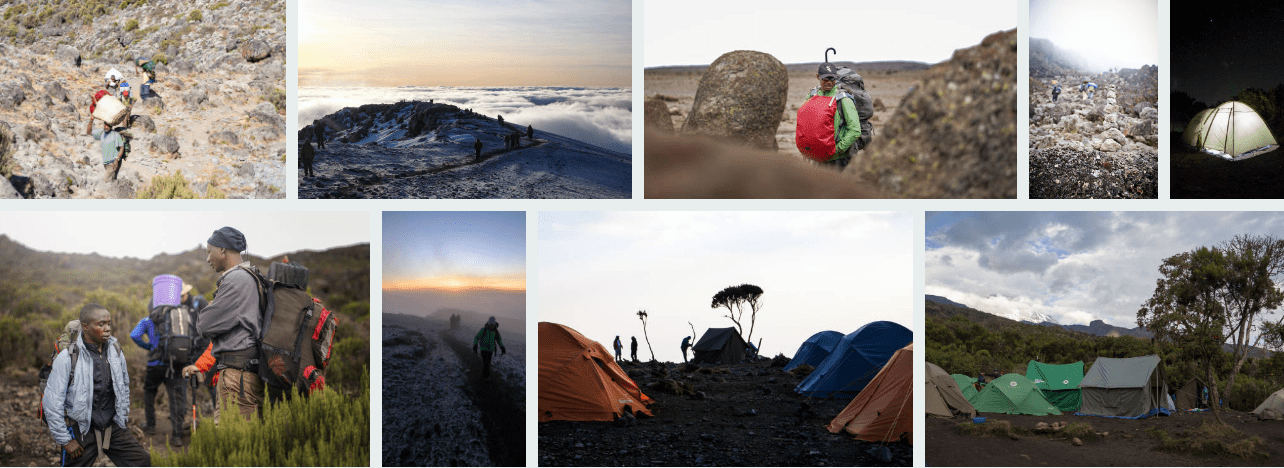
Now that we’ve established why going guide-less is a bad idea, let’s talk about how the right guide can make your Kilimanjaro climb unforgettable.
1. Higher Success Rate
Statistics show that climbers with reputable guides have a much higher summit success rate. Guides pace you properly, advise on hydration and nutrition, and help you acclimatize effectively. They know when to push forward and when to rest—key factors in reaching Uhuru Peak.
2. Motivation When You Need It Most
Summit night is brutal. You’re hiking in freezing darkness, exhausted, and possibly nauseous from altitude. A good guide doesn’t just lead—they inspire. They’ll remind you why you started, cheer you on, and celebrate every small victory with you.
3. Cultural Connection
Kilimanjaro is in Tanzania, home to the Chagga people and rich traditions. Guides often share folklore, Swahili phrases, and insights into local life. This cultural exchange adds depth to your adventure, making it more than just a physical challenge.
4. Supporting the Local Economy
By hiring a guide, you’re supporting Tanzanian livelihoods. Guides, porters, and cooks rely on tourism. Ethical trekking companies ensure fair wages and proper working conditions, so your climb benefits the community.
How to Choose the Right Guide for the Best Climb Kilimanjaro
Not all guiding services are equal. Here’s how to pick the best:
Look for Licensed Operators – Only book with KPAP (Kilimanjaro Porters Assistance Project)-approved companies for ethical treatment of staff.
Check Reviews & Success Rates – Research companies with high summit success rates and positive feedback.
Smaller Groups Are Better – More personalized attention increases your chances of success.
Ask About Safety Protocols – Reliable guides carry oxygen, first-aid kits, and have emergency plans.
The True Summit Is the Journey
Climbing Kilimanjaro isn’t just about standing on the roof of Africa—it’s about the transformation that happens along the way. The exhaustion, the camaraderie, the moments of doubt, and the final triumphant steps to Uhuru Peak—all of it shapes you.
While the idea of a solo adventure may seem appealing, the Best Climb Kilimanjaro experience comes from sharing the journey. A guide isn’t just a rule; they’re a mentor, a protector, and sometimes, a friend who helps you discover strength you didn’t know you had.
So, can you climb Kilimanjaro without a guide? Legally and logically, no. But more importantly—why would you want to? The mountain is majestic, but it’s the people who make the climb unforgettable.
Take the challenge. Embrace the journey. And let Kilimanjaro change you.
Why the 1991 Guide Mandate Genuinely Reflects Lessons Learned From Kilimanjaro’s Earlier, Less-Regulated Era
Since this regulation genuinely emerged in response to real safety incidents on the mountain, understanding its origin genuinely helps climbers appreciate the rule as a safeguard rather than a mere bureaucratic hurdle. All in Africa Safaris can connect you with KPAP-approved guides for a safe, well-supported Kilimanjaro climb.
How Acute Mountain Sickness Genuinely Makes Guide Supervision a Life-or-Death Consideration Above 3,000 Meters
Since AMS symptoms genuinely can escalate quickly and mimic simple fatigue at first, a guide’s trained eye genuinely catches warning signs climbers themselves are often too exhausted or disoriented to notice in time.
Why Porter-Supported Logistics Genuinely Let Climbers Conserve Energy for the Physical Challenge That Matters Most
Since carrying a full 20kg pack at altitude genuinely saps energy needed for the actual ascent, offloading gear to porters genuinely lets climbers focus their limited stamina on summit night itself rather than logistics. All in Africa Safaris can arrange full porter and guide support for your Kilimanjaro trek.
How a Guide’s Pacing Strategy Genuinely Determines Whether Climbers Reach Uhuru Peak or Turn Back
Since summit success genuinely correlates strongly with disciplined, slow pacing that allows proper acclimatization, a guide’s experience-based judgment on when to push and when to rest genuinely makes the difference between reaching the top and failing partway.
Why Choosing a KPAP-Approved Operator Genuinely Protects Both Climbers and the Porters Who Support Them
Since this certification genuinely verifies fair wages and humane working conditions for porters, booking through an approved operator genuinely ensures the climb is both safer for the climber and more ethical toward the local workforce. All in Africa Safaris can confirm KPAP-approved guide and porter arrangements for your climb.
How Cultural Exchange With Chagga Guides Genuinely Elevates Kilimanjaro From a Physical Feat to a Cultural Journey
Since guides genuinely share folklore, language, and local perspective throughout the trek, climbers genuinely come away with more than a summit photo, they gain insight into the community whose home surrounds the mountain.
Why Smaller Guided Groups Genuinely Improve Both Safety Margins and the Overall Climbing Experience
Since smaller groups genuinely allow guides to give each climber more individualized attention, travelers genuinely find this translates into both better safety monitoring and a more personal, less crowded summit push. All in Africa Safaris can arrange a small-group Kilimanjaro climb for more personalized guiding.
How Choosing a Longer Route Genuinely Improves Acclimatization and Summit Success More Than a Shorter One
Since routes like Lemosho and Machame genuinely allow more days for gradual altitude adjustment compared to shorter options like Marangu, guides genuinely recommend longer itineraries specifically because extra acclimatization days measurably improve summit odds. All in Africa Safaris can recommend the Kilimanjaro route best suited to your fitness and timeline.
Why Physical Preparation Before the Climb Genuinely Complements, Rather Than Replaces, Professional Guiding
Since cardiovascular fitness genuinely helps climbers handle the physical demands of consecutive trekking days, arriving prepared genuinely lets a guide focus their expertise on pacing and altitude management rather than basic endurance coaching.
Why Combining Kilimanjaro With a Post-Climb Safari Genuinely Rewards the Physical Effort With Relaxation
Since the descent genuinely leaves climbers physically drained after days of exertion, pairing the trek with a subsequent Tanzania safari genuinely gives travelers a well-earned change of pace to recover while still making the most of their trip. All in Africa Safaris can combine your Kilimanjaro climb with a post-summit Tanzania safari.
How Reaching Uhuru Peak Genuinely Ranks Among Africa’s Most Significant Personal Achievements for Trekkers
Since this summit genuinely represents the highest point on the entire continent, standing there after days of guided ascent genuinely delivers a sense of accomplishment that few other trekking experiences anywhere in the world can match. All in Africa Safaris can help you plan the full journey to Uhuru Peak, from route selection to summit day.
Planning Your Kilimanjaro Climb
From summit night’s darkness to the triumphant sunrise at Uhuru Peak, genuinely a well-guided Kilimanjaro climb turns a physical challenge into a transformative journey. All in Africa Safaris can turn this overview into a fully confirmed itinerary tailored to your travel dates.