Game drives in Uganda.
Game drives in Uganda: Although Uganda is a landlocked nation, it is still a popular destination for tourists seeking to experience a variety of safari activities. This is because visitors can explore the country and its natural beauty throughout the country.
Game drives are among the most thrilling safari activities in the Pearl of Africa, and they are conducted in many safari destinations across the nation. These primarily involve national parks and game reserves, which are ranked as the most popular destinations in the Pearl of Africa due to the variety of attractions they offer.
Because game drives allow them to see nature clearly while in the comfort of their cars and with the assistance of their safari guides, who assist them in identifying various sites, they are frequently enjoyed by tourists who are interested in discovering the natural world.
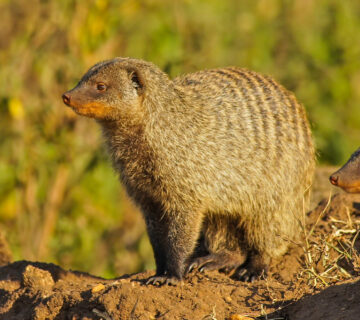
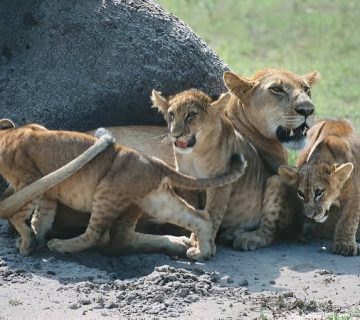
During game drives in Uganda’s national parks, visitors can enjoy the sight of the big fives, as well as various small animals and a variety of birds that can be seen throughout the parks.
This page informs us about some of the top locations for tourists to visit and experience the best game drives in the nation, as well as additional safari activities that may be coupled with game drives. These include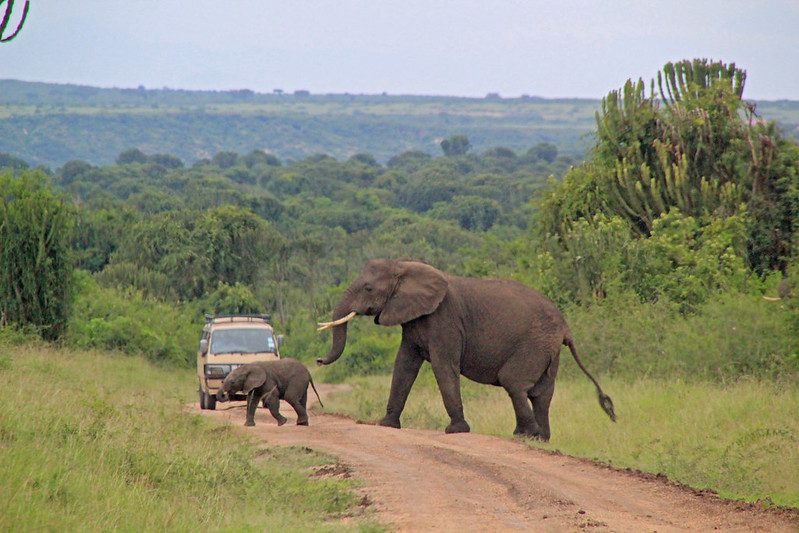
Murchison Falls National Park
Due to its location in the northwest of Uganda and its status as the largest national park in the country, visitors can expect to be amazed by a wide variety of animals and bird species while game driving in the magnificent Murchison Falls National Park.
Because of the numerous attractions that can be seen there, game drives at the national park are undoubtedly held in the northern Buligi section, which is the most fascinating area of the park. This makes game drives more exciting and fascinating to participate in.
This safari activity is best done during the dry season, which is always between December and February or June to September. During the game drives, visitors can see crocodiles, buffaloes, hartebeest, waterbucks, bushbucks, hippos, hyenas, and other amazing species along the riverbank.
Visitors can also enjoy game drives at other safari locations in the gem of Africa, such as Kidepo Valley National Park, Lake Mburo National Park, and Ziwa rhino sanctuary, among many more.
Queen Elizabeth National Park Game Drives
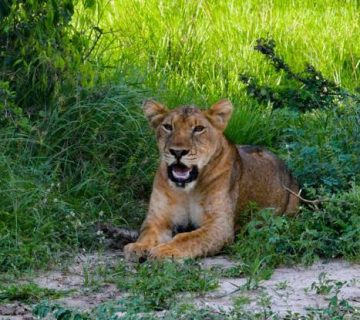
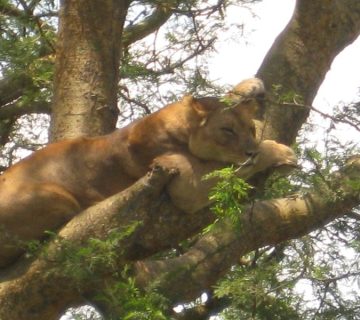
Queen Elizabeth National Park offers some of Uganda’s most varied game-drive terrain, spanning the open Kasenyi plains, known for lion sightings, and the more forested Ishasha sector, famous for its tree-climbing lions. The Kazinga Channel running through the park adds a further dimension, hippos, elephants, and buffalo regularly gather along its banks, visible both from vehicle-based drives and the park’s popular boat safaris.
Kidepo Valley National Park Game Drives
Kidepo’s Narus Valley delivers some of Uganda’s most rewarding, least crowded game drives, a genuine wilderness feel given how few visitors reach this remote northern corner of the country compared to Uganda’s more accessible parks. Lion, buffalo, Rothschild giraffe, and a wide range of antelope species concentrate here during the dry season, when the valley’s water sources draw wildlife from across the wider park.
Lake Mburo National Park Game Drives
As Uganda’s smallest savanna park and the closest to Kampala, Lake Mburo makes game drives feasible even on a shorter itinerary or as a stopover en route to destinations further west. Zebra, eland, impala, and buffalo are common sightings, and Mburo is one of the few Uganda parks where walking safaris and guided game drives can be combined in a single visit.
Night Game Drives
Several Uganda parks, including Murchison Falls and Queen Elizabeth, offer guided night game drives using spotlights to pick out nocturnal species rarely seen during standard daytime drives: leopards, genets, civets, and side-striped jackals among them. Night drives typically require a separate permit and additional fee, worth requesting specifically if nocturnal wildlife is a priority for your visit.
What to Bring on a Game Drive
Binoculars, a camera with a reasonably long lens, sun protection, and a light jacket for early-morning starts, when temperatures are noticeably cooler even in Uganda’s warmer parks, round out a sensible game-drive packing list. Neutral-toned clothing is worth wearing regardless of park, both for comfort and to avoid standing out against the vehicle and landscape during closer wildlife encounters.
Best Time for Game Drives Across Uganda
The dry seasons, December to February and June to September, offer the most reliable game viewing nationwide, as thinning vegetation and concentrated water sources make animals easier to spot across every park mentioned here. Uganda’s game drives run year-round regardless, and the wetter months bring their own rewards, lush scenery, migratory birdlife, and noticeably fewer vehicles sharing each sighting.
Ready to add game drives to your Uganda itinerary? All in Africa Safaris can help you choose the right parks and pace based on your travel dates and interests.
Ziwa Rhino Sanctuary: A Different Kind of Game Drive
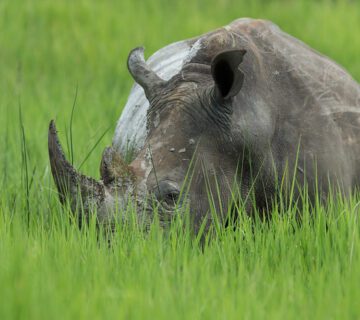
Uganda’s rhinos were locally extinct in the wild until Ziwa Rhino Sanctuary began reintroducing and breeding southern white rhinos under close protection, meaning a Ziwa visit combines a genuine game drive with a real conservation success story. Sightings are led on foot alongside armed rangers rather than purely from a vehicle here, a notably different, more intimate format than the standard drive-and-spot approach used elsewhere in the country.
Semuliki Wildlife Reserve and Uganda’s Lesser-Known Parks
Semuliki, tucked into Uganda’s western Albertine Rift region, offers a genuinely different game-drive landscape, low-lying tropical forest and savanna transition zone rather than the more classic open plains found at Murchison or Queen Elizabeth. Sightings here lean toward forest-edge species and exceptional birdlife rather than the Big Five, appealing specifically to travelers who’ve already covered the more mainstream parks and want something distinctly different.
How Long a Typical Game Drive Lasts
Standard morning and afternoon game drives generally run two to four hours, timed around dawn and dusk when wildlife is most active and temperatures most comfortable, though full-day drives with a packed lunch are common in larger parks like Murchison Falls, where covering the Buligi circuit properly takes real time. Multi-day stays that include several drives per park, rather than a single rushed pass, consistently produce better sightings and a fuller sense of each park’s character.
Choosing a Vehicle and Guide
Uganda’s game drives typically use 4×4 safari vehicles with pop-up roofs, giving unobstructed standing views for photography and spotting, and an experienced driver-guide makes a genuine difference in both animal identification and positioning the vehicle for the best angle on a sighting. Private vehicles offer more flexibility to linger at a good sighting or adjust the day’s route, while shared-vehicle group game drives, more common at budget-friendly lodges, offer a lower-cost way to experience the same parks.
Combining Parks Into a Longer Circuit
Most Uganda safaris combine two or more of the parks covered here into a single road-based circuit, Murchison Falls and Kibale in the west, or Queen Elizabeth and Bwindi further south, rather than treating each park as an isolated destination. All in Africa Safaris can help sequence your game-drive parks efficiently alongside primate trekking, minimizing road time while maximizing wildlife variety across your trip.
Photography Tips for Uganda Game Drives
Early morning and late afternoon light produces the most flattering conditions for wildlife photography across every park mentioned here, and it’s no coincidence that these same hours also see the most active animal behavior, a useful overlap for photographers planning their drive schedule. A beanbag or window mount steadies a long lens far better than handholding against a moving vehicle’s vibration, and shooting from a pop-up roof rather than through a window eliminates glass reflections and glare that otherwise soften images taken from inside standard sedan-style vehicles.
Weather and Road Conditions by Season
Uganda’s wetter months, March to May and October to November, can turn some of the murram roads leading into Kidepo and parts of Murchison Falls genuinely difficult, occasionally requiring a 4×4 with real ground clearance rather than a standard saloon vehicle. Queen Elizabeth and Lake Mburo, both closer to Uganda’s main road network, tend to remain more reliably accessible year-round, worth factoring in if your itinerary falls during the wetter shoulder months and you want to minimize transit uncertainty.
Combining Game Drives With Primate Trekking
Queen Elizabeth’s proximity to Kyambura Gorge, home to a habituated chimpanzee community, and its position along the route toward Bwindi Impenetrable Forest makes it one of the easiest parks to pair vehicle-based game drives with primate trekking on a single trip. Murchison Falls similarly sits within reach of Kibale’s chimp trekking for travelers routing through western Uganda, meaning a well-planned itinerary can genuinely combine the big-mammal excitement of a game drive with the more intimate, on-foot experience of tracking primates, without excessive backtracking across the country.
Boat Safaris as a Complement to Game Drives
The Kazinga Channel boat cruise in Queen Elizabeth and the Nile boat safari below Murchison Falls both offer a water-based perspective that a standard vehicle game drive simply can’t replicate, hippos and crocodiles viewed at close range from the water, along with elephant and buffalo herds drinking at the banks. Pairing a morning game drive with an afternoon boat safari is one of the most popular single-day combinations in both parks, giving visitors two genuinely distinct wildlife-viewing formats without needing an extra day in the itinerary.
Guided vs. Self-Drive Game Drives
Most visitors book guided game drives with a professional driver-guide, whose tracking knowledge and radio contact with other guides in the park meaningfully increases sighting rates compared to navigating independently. Self-drive is possible in several Uganda parks for travelers with suitable 4×4 vehicles and park permits, though it demands more research into park roads and regulations beforehand, and lacks the spotting expertise a guide brings to interpreting fresh tracks or distant movement in the bush.