The Science Behind Why Forests Cool the Planet
Forests as Earth’s Natural Climate Regulators
Forests are among the most important natural systems regulating the Earth’s climate. They influence temperature, rainfall, atmospheric composition, humidity, biodiversity, and water cycles on both local and global scales. Without forests, the planet would be significantly hotter, drier, less stable, and more vulnerable to extreme climate conditions.
Across Africa and the rest of the world, forests function as natural cooling systems that absorb heat, regulate moisture, store carbon, and maintain ecological balance. Their cooling effects are not based on a single process but rather on a combination of biological, chemical, and physical interactions between trees, soils, water, sunlight, and the atmosphere.
Scientists increasingly recognize forests as critical tools in combating global warming and climate change because they naturally reduce atmospheric carbon dioxide while also influencing temperature regulation directly through evapotranspiration, cloud formation, and energy reflection.
Understanding the science behind how forests cool the planet helps explain why deforestation has become one of the world’s most serious environmental threats and why large-scale reforestation is essential for Earth’s long-term climate stability.
Forests Absorb Carbon Dioxide from the Atmosphere
One of the most important ways forests cool the planet is through carbon sequestration.
Carbon dioxide is a greenhouse gas that traps heat within the Earth’s atmosphere. Human activities such as burning fossil fuels, deforestation, industrial production, and agriculture have dramatically increased atmospheric carbon dioxide concentrations, contributing to global warming.
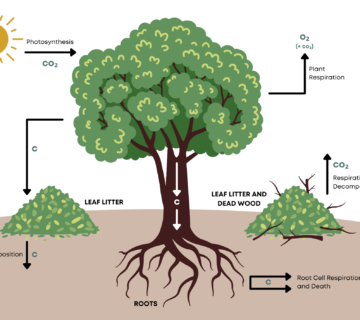
Trees absorb carbon dioxide during photosynthesis.
During this process:
Trees take in carbon dioxide from the atmosphere
Use sunlight as energy
Combine carbon dioxide with water
Produce glucose for growth
Release oxygen back into the atmosphere
The carbon absorbed by trees becomes stored within:
Trunks
Branches
Leaves
Roots
Forest soils
This stored carbon is called “sequestered carbon.”
Because forests remove carbon dioxide from the atmosphere, they help reduce the greenhouse effect and slow the rate of global warming.
Large tropical forests such as the Congo Basin and Amazon Rainforest are especially important because they store billions of tons of carbon.
The Greenhouse Effect and Temperature Regulation
To understand why forests cool the planet, it is important to understand the greenhouse effect.
The Earth naturally absorbs energy from the sun. Some of this energy is reflected back into space, while some is trapped by greenhouse gases in the atmosphere.
Without greenhouse gases, Earth would be too cold to support life. However, excessive greenhouse gases trap too much heat, causing global temperatures to rise.
Carbon dioxide is one of the most important greenhouse gases.
When forests absorb carbon dioxide:
Less heat becomes trapped in the atmosphere
Global warming slows
Climate systems remain more stable
This is why protecting forests is considered one of the most effective natural climate solutions available.
Evapotranspiration: Nature’s Cooling System
Forests cool the planet not only by absorbing carbon but also through a physical cooling process called evapotranspiration.
Evapotranspiration combines:
Evaporation from soil and surfaces
Transpiration from plant leaves
Trees absorb water through their roots and release water vapor through tiny pores in their leaves called stomata.
This process cools surrounding air in the same way sweating cools the human body.
When water evaporates:
Heat energy is absorbed from the environment
Air temperatures decrease
Humidity increases
Forests release enormous amounts of water vapor into the atmosphere every day, creating large-scale cooling effects.
In tropical rainforests, evapotranspiration significantly reduces temperatures and stabilizes regional climates.
Areas with dense forest cover are often cooler than surrounding deforested regions because forests continuously cycle moisture and heat through the atmosphere.
Forests Influence Rainfall Patterns
Forests play major roles in maintaining rainfall systems.
Water vapor released through transpiration contributes to:
Cloud formation
Humidity regulation
Rainfall generation
Large forests create atmospheric moisture cycles that help sustain regional precipitation patterns.
For example:
Moisture released by forests rises into the atmosphere
Clouds form
Rainfall occurs
Water returns to soils and rivers
Trees absorb water again
This continuous cycle helps stabilize climate systems.
Deforestation disrupts these moisture cycles, often reducing rainfall and increasing drought conditions.
Scientific studies show that forest loss can significantly alter weather patterns, affecting agriculture, water supplies, and ecosystems far beyond the areas where trees were removed.
Forest Canopies Block and Reflect Solar Radiation
Forests also cool the planet by interacting with sunlight and solar energy.
Tree canopies provide shade that reduces heat absorption by the Earth’s surface.
Without trees:
Bare soils absorb more sunlight
Concrete and urban surfaces trap heat
Temperatures rise more rapidly
Forest canopies:
Reduce direct solar heating
Protect soils from overheating
Lower surface temperatures
Create cooler microclimates
Some sunlight is also reflected back into the atmosphere by leaves and vegetation, reducing the amount of heat retained at ground level.
This process helps moderate both local and regional temperatures.
Forest Soils Store Carbon and Moisture
Forest soils are major carbon reservoirs.
Dead leaves, roots, branches, and organic material decompose within forest ecosystems, adding carbon-rich matter to soils.
Healthy forest soils:
Store large amounts of carbon
Retain moisture efficiently
Support microbial ecosystems
Improve nutrient cycling
When forests are destroyed, stored carbon is released back into the atmosphere through decomposition, burning, and soil disturbance.
Deforestation therefore contributes to increased greenhouse gas emissions.
Intact forests help maintain stable carbon storage systems that support climate regulation.
Forests Reduce Urban Heat
Urban areas often experience higher temperatures than surrounding rural regions due to the “urban heat island effect.”
Concrete, asphalt, buildings, and vehicles absorb and retain heat, causing cities to become significantly warmer.
Urban forests and tree cover help reduce this problem through:
Shade provision
Evapotranspiration
Reduced heat absorption
Improved air circulation
Tree-lined streets, parks, and green spaces can lower urban temperatures by several degrees.
This cooling effect improves:
Public health
Energy efficiency
Air quality
Human comfort
As African cities continue to grow rapidly, urban forestry will become increasingly important for sustainable city planning.
Forests Stabilize Wind and Weather Systems
Forests influence atmospheric circulation and local weather patterns.
Trees slow wind speeds by acting as natural windbreaks.
This helps:
Reduce soil erosion
Protect crops
Prevent moisture loss
Stabilize local climates
Large forest systems also affect atmospheric pressure and air movement patterns that influence regional weather conditions.
The interaction between forests and atmospheric systems is extremely complex, but scientists increasingly recognize that forests are active climate regulators rather than passive landscapes.
Forests Protect Ice and Snow Systems
Globally, forests indirectly help protect polar ice and glaciers by slowing global warming.
As atmospheric temperatures rise:
Glaciers melt faster
Polar ice declines
Sea levels rise
By reducing carbon dioxide concentrations and cooling the atmosphere, forests help slow these processes.
This demonstrates how forests in one region can influence climate systems worldwide.
Tropical Forests Are Especially Important
Tropical forests are among the most powerful climate-regulating ecosystems on Earth.
Africa’s Congo Basin rainforest is the second-largest tropical rainforest in the world after the Amazon.
Tropical forests:
Store massive carbon reserves
Generate enormous moisture cycles
Support exceptional biodiversity
Stabilize regional and global climate systems
Protecting tropical forests is considered essential for achieving global climate goals.
Deforestation Increases Global Temperatures
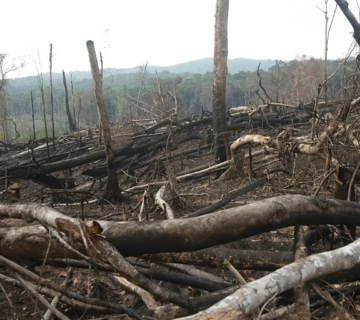
When forests are destroyed:
Stored carbon is released into the atmosphere
Evapotranspiration decreases
Rainfall systems weaken
Surface temperatures rise
Ecosystems become less stable
Deforestation contributes significantly to climate change and environmental degradation.
Burning forests releases enormous amounts of carbon dioxide while removing future carbon absorption capacity.
This creates a dangerous cycle:
More deforestation leads to higher temperatures, which can further increase droughts, wildfires, and ecosystem damage.
Reforestation and Climate Restoration
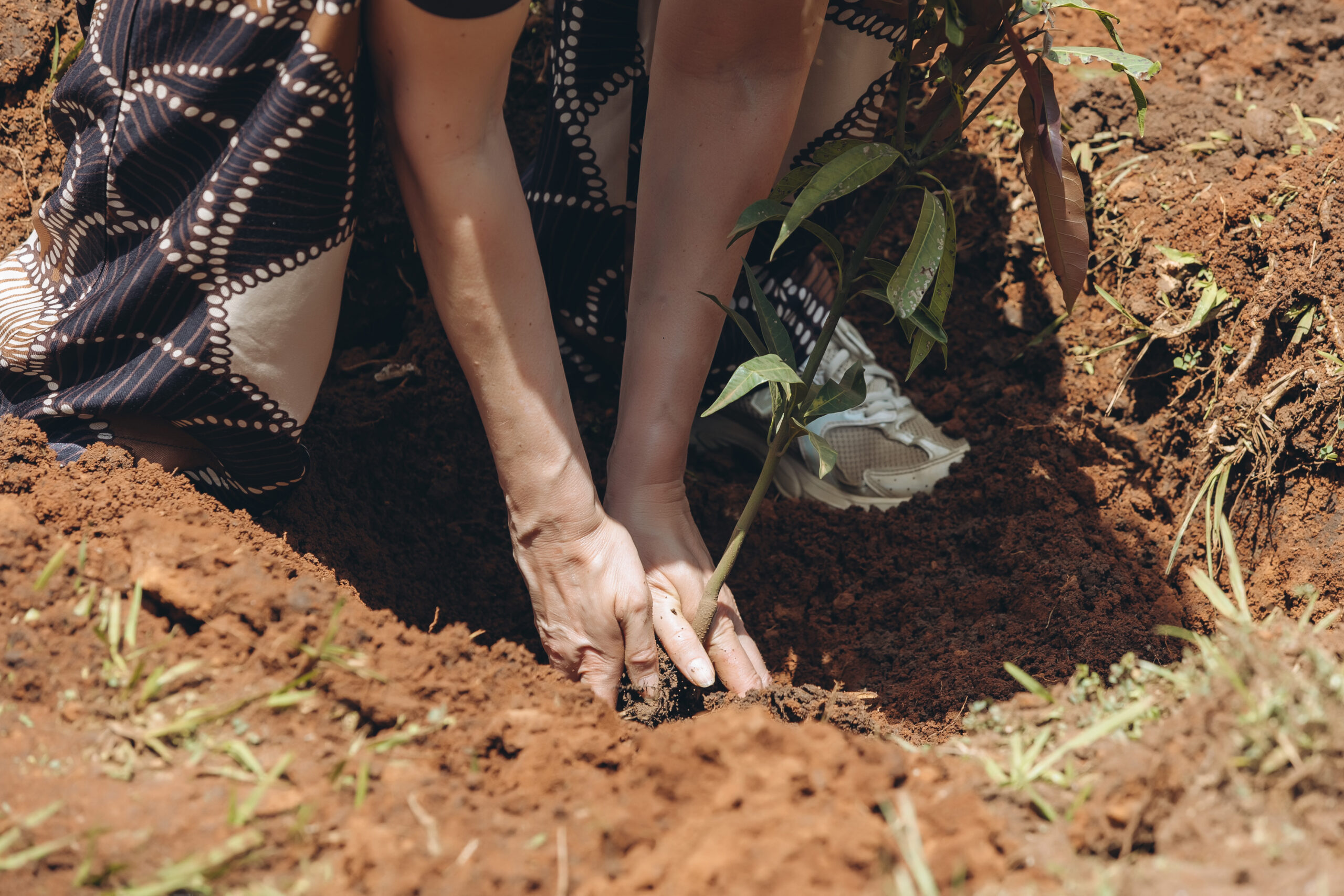
Reforestation and afforestation are increasingly recognized as major climate solutions.
Planting trees helps:
Restore ecosystems
Increase carbon sequestration
Improve rainfall systems
Reduce land degradation
Enhance biodiversity
However, scientists emphasize that successful climate restoration requires:
Long-term forest protection
Biodiversity conservation
Indigenous ecosystem restoration
Sustainable land management
Planting trees alone is not enough if forests are later destroyed or poorly maintained.
Forests and Biodiversity Protection
Forests support millions of species that contribute to ecosystem stability.
Biodiversity strengthens climate resilience because healthy ecosystems adapt more effectively to environmental changes.
Forests provide habitat for:
Pollinators
Birds
Mammals
Insects
Microorganisms
Medicinal plants
Protecting forests therefore protects both climate systems and biological diversity.
The Human Dependence on Forest Cooling
Human societies depend heavily on forests for:
Climate stability
Agriculture
Water supplies
Public health
Economic activities
Millions of African communities rely directly on forest ecosystems for livelihoods, food, fuel, medicine, and environmental protection.
As temperatures continue rising globally, forests will become even more important for maintaining habitable environments.
Forests Are Earth’s Natural Air Conditioning System
Forests cool the planet through an extraordinary combination of biological and physical processes.
They absorb carbon dioxide, regulate rainfall, release cooling moisture into the atmosphere, protect soils, stabilize ecosystems, reduce heat absorption, and maintain atmospheric balance.
Without forests, Earth’s climate would become significantly hotter, drier, and less stable.
The science is clear: forests are not optional environmental luxuries. They are essential climate-regulating systems that sustain life on Earth.
Protecting and restoring forests is therefore one of the most important actions humanity can take to address climate change and secure a sustainable future.
How does All In Africa Safaris understand forests among Africa
At All In Africa Safaris, we understand that forests are among Africa’s most valuable natural assets because they support wildlife conservation, climate regulation, biodiversity, water systems, and community livelihoods. The forests of Africa, from the Congo Basin to Uganda’s mountain gorilla habitats and Tanzania’s protected ecosystems, play critical roles in cooling the planet and maintaining environmental balance.
Through responsible tourism, environmental awareness, and support for conservation initiatives, we encourage the protection and restoration of forest ecosystems that are increasingly threatened by deforestation, climate change, and unsustainable land use. Forest conservation is not only important for wildlife and tourism but also for safeguarding rainfall systems, reducing global warming, protecting biodiversity, and supporting future generations.
We believe sustainable tourism should actively contribute to environmental stewardship and ecosystem protection across Africa.
By supporting reforestation projects, conservation education, and community-based environmental initiatives, individuals and organizations become part of a broader effort to preserve Africa’s forests and strengthen the planet’s natural climate defense systems for generations to come.