
What Is Matoke? A Traveller’s Guide to Uganda’s Staple Food
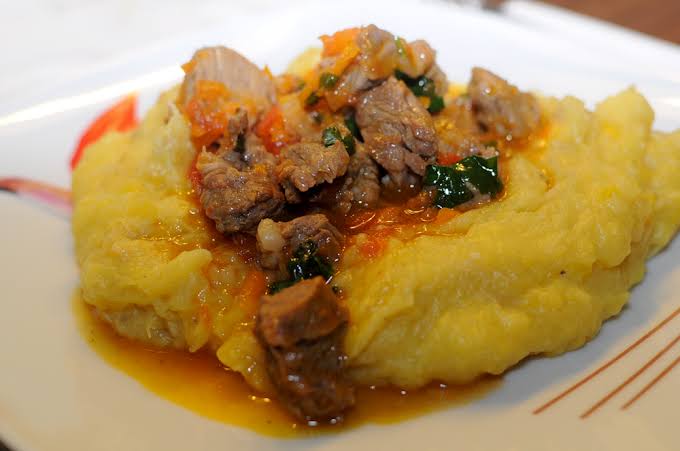
Matoke is one of Uganda’s most popular traditional foods and an important part of everyday meals, especially in central and western Uganda. Made from green cooking bananas, matoke is usually steamed until soft, mashed and served with groundnut sauce, beans, meat or other accompaniments.
If you are visiting Uganda for a wildlife safari, cultural tour or holiday, you will probably encounter matoke on restaurant menus, at safari lodges or during community visits.
Unlike the sweet yellow bananas commonly eaten as fruit, matoke bananas are harvested while green and prepared as a savoury food.
The dish has a mild flavour, soft texture and an important place in Ugandan culture.
Understanding what matoke is, how people prepare it and the different ways it is served will help you enjoy one of Uganda’s best-known traditional meals.
What Is Matoke?
Matoke, commonly written as matooke in Uganda, refers to green cooking bananas and the traditional dish prepared using them.
The bananas belong to the East African Highland Banana group, which is widely cultivated in Uganda.
They are normally harvested before ripening.
Unlike dessert bananas, matoke is cooked before eating.
The traditional preparation involves peeling the bananas, wrapping them in banana leaves and steaming them until soft.
The cooked bananas are then mashed into a smooth consistency.
Matoke is commonly served with a sauce because its mild flavour combines well with richer accompaniments.
It is particularly associated with the Baganda people of central Uganda, although people across the country enjoy it.
1. Why Matoke Is Important in Uganda
Matoke has a long history in Ugandan food culture.
Banana cultivation is an important agricultural activity, particularly in regions where rainfall and temperatures support production.
Many households grow cooking bananas for domestic consumption and sale.
A Common Family Meal
In central Uganda, matoke frequently appears at lunch and dinner.
Families may serve it with groundnut sauce, beans, beef, chicken or fish.
It is also prepared for weddings, celebrations and family gatherings.
Agricultural Importance
Banana farming provides income for many rural households.
Farmers sell harvested banana bunches in local markets, along roadsides and to urban traders.
Restaurants and hotels also purchase matoke for daily meals.
This makes the crop important to both household food supplies and local businesses.
2. What Does Matoke Taste Like?
Matoke has a mild, slightly earthy flavour.
When properly steamed and mashed, its texture becomes smooth, dense and soft.
It is less sweet than ripe dessert bananas.
Some travellers compare its taste and consistency to mashed potatoes, although the flavour is different.
Matoke absorbs sauces well, making it particularly enjoyable with groundnut or meat stew.
Is Matoke Sweet?
Traditional green matoke is mainly savoury.
Its sweetness depends partly on ripeness and preparation.
If the bananas become too ripe, their flavour and texture change.
For the traditional steamed dish, cooks generally prefer firm green bananas.
3. How Traditional Matoke Is Prepared
Preparing traditional Ugandan matoke involves several stages.
The process takes time, particularly when preparing food for a large family.
Step 1: Selecting Green Bananas
Cooks choose mature but unripe cooking bananas.
The bananas should be firm and suitable for steaming.
Step 2: Peeling
The green skins are removed carefully.
Some cooks apply a little oil to their hands to reduce sticky banana sap.
Step 3: Wrapping in Banana Leaves
The peeled bananas are placed inside clean banana leaves.
The leaves help retain moisture during cooking.
Step 4: Steaming
The wrapped bananas are placed over water in a cooking pot.
They are steamed until soft.
Cooking time depends on the quantity, size of the bananas and heat source.
Step 5: Mashing
Once cooked, the bananas are mashed while still hot.
Traditional cooks often mash them inside the banana-leaf wrapping.
Step 6: Serving
The finished matoke is served with a chosen sauce.
The result is a soft, filling meal that can be enjoyed throughout the day.
4. What Is Traditionally Served With Matoke?
Matoke is usually accompanied by sauce.
Different households and restaurants prepare their preferred combinations.
| Accompaniment | Description | Suitable for |
|---|---|---|
| Groundnut sauce | Creamy sauce made from ground peanuts | Vegetarian meals |
| Beef stew | Beef cooked with onions, tomatoes and seasonings | Meat lovers |
| Chicken stew | Chicken prepared in a savoury sauce | Traditional meals |
| Beans | Cooked beans with vegetables or seasonings | Budget-friendly meals |
| Fish stew | Fish cooked with tomatoes and spices | Fish lovers |
| Mushroom sauce | Mushrooms prepared in a savoury sauce | Vegetarian travellers |
Groundnut sauce is particularly popular because its rich flavour combines well with the mild taste of matoke.
If you have a peanut allergy, ask about ingredients before ordering.
5. Matoke With Groundnut Sauce
Matoke served with groundnut sauce is one of Uganda’s familiar traditional combinations.
Groundnut sauce is prepared using ground peanuts, water and selected seasonings.
Some recipes include onions, tomatoes or other ingredients.
The sauce is cooked until it develops a smooth consistency.
Why Travellers Enjoy This Combination
Groundnut sauce gives matoke a richer flavour.
The meal is filling and commonly available in local restaurants.
Vegetarian travellers may find it suitable, provided the sauce contains no animal ingredients.
Always confirm ingredients if you have dietary restrictions.
6. Matoke and Luwombo: A Traditional Ugandan Meal
Luwombo is a traditional cooking method strongly associated with Buganda.
It involves preparing sauce or stew inside banana-leaf parcels.
Chicken, beef, fish, mushrooms or groundnut sauce may be cooked using this method.
The ingredients are wrapped securely and steamed.
What Makes Luwombo Different?
The banana leaves help retain moisture and flavour during cooking.
Luwombo is often prepared for special occasions, family gatherings and traditional celebrations.
Visitors interested in Ugandan cuisine should consider trying matoke served with chicken or groundnut luwombo.
7. Matoke vs Other Popular Ugandan Foods
Uganda offers several traditional starches alongside matoke.
| Food | Main ingredient | Common preparation |
|---|---|---|
| Matoke | Green cooking bananas | Steamed and mashed |
| Posho | Maize flour | Cooked into a firm porridge |
| Cassava | Cassava root | Boiled, steamed or fried |
| Sweet potatoes | Sweet potato roots | Boiled or steamed |
| Irish potatoes | Potatoes | Boiled, roasted or fried |
| Rice | Rice grains | Boiled or steamed |
| Kalo | Millet or sorghum flour, sometimes mixed with cassava | Cooked into a firm paste |
Matoke is especially common in central and western Uganda.
Other staple foods may be more prominent in different regions.
8. Where Can Travellers Eat Matoke in Uganda?
Matoke is widely available throughout Uganda.
You can try it in restaurants, safari lodges, hotels and local homes.
Kampala
Kampala offers numerous restaurants serving traditional Ugandan dishes.
Some establishments provide buffet meals where visitors can select matoke alongside several sauces.
Entebbe
Travellers arriving through Entebbe International Airport can find matoke at local restaurants and accommodation establishments.
It is a convenient introduction to Ugandan cuisine.
Fort Portal
Fort Portal is surrounded by productive agricultural areas.
Local restaurants commonly serve traditional meals, including matoke.
Kabale and Southwestern Uganda
Matoke is available in many restaurants throughout southwestern Uganda, although local food preferences vary.
Travellers visiting Bwindi may encounter it at safari lodges or during community activities.
9. Can You Eat Matoke During a Gorilla Safari?
Yes. Many safari lodges in Uganda offer matoke as part of their meal options.
During gorilla trekking trips to Bwindi Impenetrable National Park or Mgahinga Gorilla National Park, visitors may encounter traditional dishes alongside international meals.
Some lodges offer buffet meals, while others prepare food according to guest preferences.
If you want to try traditional matoke, inform your accommodation provider in advance.
You may also arrange a cultural cooking experience through an authorised local operator.
10. How Much Does Matoke Cost in Uganda?
Matoke prices vary depending on the restaurant, location and accompanying sauce.
A simple local meal is generally more affordable than a meal served at a luxury hotel.
The price also depends on whether you order beans, groundnut sauce, chicken, beef or fish.
Restaurants in tourism areas may charge more than smaller establishments serving local customers.
Before ordering, check the menu and confirm whether the stated price includes your preferred sauce.
Travellers should avoid assuming that all traditional meals have the same price.
11. Is Matoke Healthy?
Matoke provides carbohydrates that supply energy.
It also contains dietary fibre and nutrients such as potassium.
However, nutritional values depend on the banana variety, preparation method and portion size.
What About the Sauce?
The nutritional value of a matoke meal changes according to the accompaniment.
Beans provide plant protein and fibre.
Groundnut sauce provides fats and protein but may also increase the meal’s energy content.
Meat and fish provide additional protein.
For a balanced meal, consider including vegetables and an appropriate protein source.
12. Is Matoke Suitable for Vegetarians?
Matoke itself is plant-based.
When served with beans, vegetables or suitable groundnut sauce, it can be a good vegetarian option.
However, some sauces contain meat stock, fish or other animal products.
Ask the restaurant to confirm the ingredients.
Vegan travellers should also check whether butter or other animal-derived ingredients have been added during preparation.
13. Can Travellers Learn to Cook Matoke?
Cooking experiences provide an enjoyable way to understand Ugandan food culture.
Some community tourism programmes offer demonstrations of traditional food preparation.
Visitors may learn how to peel green bananas, prepare banana leaves and steam matoke.
What You Can Expect
A cooking experience may involve:
Visiting a local market.
Selecting cooking bananas.
Preparing banana leaves.
Learning traditional steaming methods.
Preparing groundnut sauce.
Sharing a meal with local hosts.
Choose activities organised with the consent and participation of the host community.
14. Tips for Trying Matoke for the First Time
If you have never eaten matoke, begin with a familiar accompaniment.
Groundnut sauce or beans can provide a good introduction.
Ask for a small portion if you want to sample several traditional dishes.
When dining at local restaurants, choose establishments that prepare food hygienically and serve meals properly cooked.
If you have allergies, inform the restaurant before ordering.
Do not assume that all sauces contain the same ingredients.
Trying matoke during your safari can help you understand an important part of everyday Ugandan life.
Matoke is one of Uganda’s best-known traditional foods and an important part of the country’s culinary heritage.
Prepared using green cooking bananas, it is usually steamed, mashed and served with groundnut sauce, beans, meat or fish.
The dish is widely enjoyed in central and western Uganda and remains important during family meals and celebrations.
Visitors can find matoke in Kampala, Entebbe, Fort Portal and many safari destinations.
Whether you try it at a local restaurant, safari lodge or community cooking experience, matoke provides a practical introduction to Ugandan food culture.





No comment