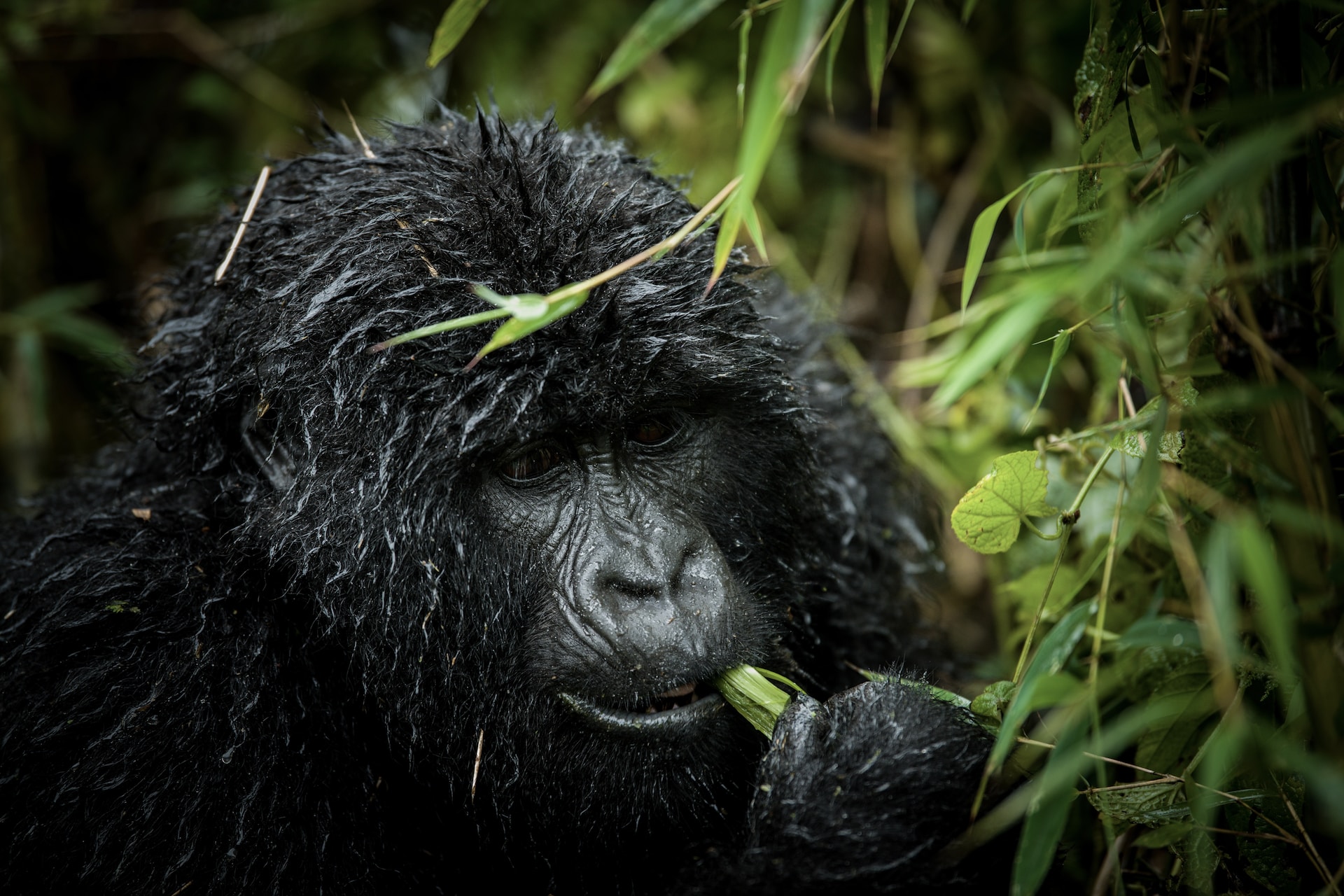
What Happens If You Do Not Find Gorillas: Policies, Refunds & Options
Gorilla trekking is often described as a once-in-a-lifetime adventure, yet it comes with inherent unpredictability. Unlike visiting a zoo or wildlife sanctuary, mountain gorillas live in the wild forests of Uganda, Rwanda, and the Democratic Republic of Congo, where their movements are guided by natural behaviors, food availability, and social interactions. Each gorilla family maintains a large territory, often spanning several square kilometers, making it possible for trekkers to spend hours in the forest without sighting them.
Understanding what happens if gorillas are not located is essential for any visitor planning a trek. This includes knowing park policies, refund options, alternative wildlife experiences, and strategies to maximize the probability of sightings. Gorilla permits are expensive, sometimes costing upwards of $700 in Uganda and $1,500 in Rwanda, so managing expectations is crucial. Awareness of these factors helps travelers approach the trek with patience, respect, and appreciation for the effort required to observe these endangered primates in their natural habitat.
Why Gorilla Sightings Are Not Guaranteed
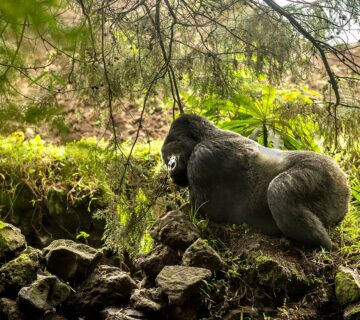
Mountain gorillas are wild, intelligent, and highly mobile animals. Each family has its own home range within the forest, and they move daily in search of food such as leaves, stems, fruit, and bark. These movements are unpredictable, influenced by factors like weather, availability of fresh vegetation, and interactions with neighboring groups. A tracking team may find a family in one section of the forest one day, only for them to relocate the next day.
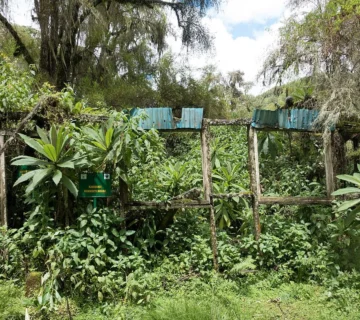
Forest terrain adds another layer of complexity. Dense vegetation, steep hills, and hidden valleys can make it challenging even for experienced trackers to locate gorillas quickly. Misty mornings, heavy rains, or thick undergrowth can further obscure visibility. Even when gorillas are nearby, trekkers may not see them clearly if they are resting, foraging, or hidden behind vegetation.
Visitor numbers and trekking logistics also affect sightings. Park authorities aim to protect gorilla welfare by limiting group sizes and time spent with gorillas, usually to one hour per encounter. This means that even if a family is located, trekkers may only have brief and partial views of the group. Understanding these factors before your trek helps set realistic expectations and emphasizes the unique privilege of observing gorillas at all.
How Parks and Authorities Handle Unsuccessful Treks
Uganda, Rwanda, and DRC have formal policies to manage situations when gorillas are not sighted. In Uganda, Bwindi Impenetrable Forest and Mgahinga Gorilla National Park have established systems to support trekkers in such cases. Visitors who do not encounter gorillas may be eligible for a replacement trek on a subsequent day, subject to permit availability and park regulations. These policies ensure that tourists have a fair chance to experience gorilla trekking without compromising the gorillas’ welfare.
In Rwanda’s Volcanoes National Park, permits are tied to specific trek dates, but park authorities often allow rescheduling or joining another trekking group if the gorillas cannot be located. The replacement trek may be provided free or at a reduced administrative fee, depending on the circumstances. In DRC, park policies vary, and trekkers are advised to coordinate closely with tour operators to understand available options.
These policies reflect the balance between tourism and conservation. They prioritize the safety and well-being of gorillas, while also ensuring tourists receive value for their permits. Parks emphasize that trekking fees support ranger patrols, anti-poaching measures, and community conservation programs, which continue to benefit the gorillas regardless of sighting outcomes.
Refund Policies and Insurance Considerations
Refunds for unsuccessful treks are rare and typically limited. Gorilla permit fees are primarily allocated toward conservation efforts, habitat management, and ranger salaries, which continue regardless of whether a tourist sees the gorillas. Consequently, full monetary reimbursement is not standard practice in Uganda, Rwanda, or DRC.
Some parks may offer partial refunds or credits if trekking conditions prevent gorillas from being found due to factors beyond visitor control, such as impassable trails, extreme weather, or natural disasters. Tour operators sometimes provide “gorilla sighting guarantees” within their packages, which may include free replacement treks or coverage through travel insurance.
Travel insurance is highly recommended for gorilla trekkers. Comprehensive policies can protect against losses caused by weather disruptions, illness, or transportation delays that prevent trekking on the scheduled day. Certain policies even offer coverage for missed wildlife experiences, though travelers should verify specific terms before purchasing. Insurance provides peace of mind, ensuring that unforeseen events do not result in financial loss or disappointment.
Alternative Experiences If Gorillas Are Not Found
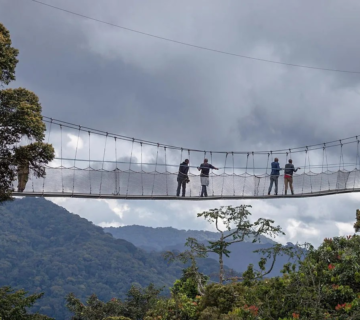
Even without a gorilla sighting, the forest and surrounding areas offer rich wildlife and cultural experiences. Parks often provide alternative activities that complement trekking, allowing visitors to enjoy their time meaningfully. In Bwindi Impenetrable Forest, options include chimpanzee tracking, birdwatching, and guided forest hikes where endemic primates, butterflies, and rare plants can be observed.
Rwanda’s Volcanoes National Park offers cultural experiences alongside wildlife observation. Trekkers can visit local villages, engage with community conservation initiatives, or hike volcanic slopes for breathtaking views of the Virunga massif. These experiences highlight the interconnectedness of wildlife conservation, community livelihoods, and tourism.
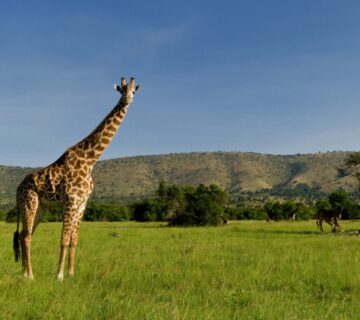
Tour operators frequently design multi-day safari packages that integrate gorilla trekking with game drives in savannah reserves or forested national parks. This ensures that, even if gorillas are not encountered, travelers can still witness Africa’s iconic wildlife, from elephants and buffalo to elusive leopards, while appreciating the diversity of East African ecosystems.
Tips to Maximize Your Chances of Seeing Gorillas
While sightings cannot be guaranteed, several strategies improve your odds. Trek during the dry seasons—typically June to September and December to February—when trails are less slippery and vegetation is thinner, allowing better visibility. Early morning treks often increase the likelihood of encountering active gorillas, as they spend mornings feeding and interacting socially.
Work closely with experienced guides and rangers. These professionals are highly skilled at interpreting gorilla movement patterns, reading forest signs, and coordinating tracking efforts. Staying close to your guide, moving quietly, and following instructions can enhance the chances of finding gorillas quickly and safely.
Maintain physical readiness and flexibility. Treks can range from one to six hours, depending on gorilla location, forest density, and trail difficulty. Being fit, carrying only essential items, and wearing appropriate trekking gear reduces fatigue and allows you to navigate difficult terrain more efficiently, ensuring that you can keep pace with both guides and gorillas.
Emotional and Conservation Perspective
It is important to approach gorilla trekking with the right mindset. Missing a gorilla sighting may feel disappointing, but the experience of trekking through pristine forests, learning from local guides, and observing other wildlife is valuable in itself. Many trekkers find that even unsuccessful treks deepen their appreciation for the challenges of wildlife conservation and the rarity of these endangered animals.
Every permit contributes to conservation. Gorilla trekking fees support anti-poaching patrols, habitat preservation, and community development programs, ensuring that gorillas and their ecosystems are protected. Understanding this reinforces that the trekking experience, whether successful or not in terms of sightings, directly benefits the long-term survival of the species.
Real-Life Case Studies
Numerous trekkers have shared experiences where gorillas were not sighted initially but alternative strategies led to memorable encounters. In Bwindi, a group of trekkers was unable to locate a gorilla family due to heavy rainfall. The park allowed them a replacement trek the following day, during which they observed multiple families interacting in a clearing—a rare and unforgettable sight.
In Rwanda, a trekker missed gorillas on their first attempt due to fog obscuring the forest canopy. The guide suggested a morning hike to a nearby habituation area and a visit to a community conservation project. While not a direct gorilla encounter, the trekker gained a deeper understanding of gorilla ecology, conservation efforts, and local culture, turning an initially disappointing experience into a highly educational one.
These examples highlight that flexibility, patience, and engagement with local guides and communities can transform an unsuccessful trek into a meaningful adventure.
Planning Ahead to Minimize Risk
Advance planning is essential to maximize the likelihood of gorilla sightings. Booking permits early, especially during peak seasons, ensures access to prime tracking groups and availability of experienced guides. Choosing reputable tour operators familiar with park policies, trail conditions, and gorilla behaviors increases the probability of successful encounters.
Understanding refund and replacement policies before arrival helps avoid surprises. Clarifying whether replacement treks, partial refunds, or alternative wildlife activities are offered allows visitors to plan itineraries and manage expectations. Packing appropriately for unpredictable weather, bringing essential gear, and maintaining physical readiness further mitigate the challenges of trekking in dense forest environments.
Conclusion
Gorilla trekking is a rare and profoundly rewarding adventure, but it comes with inherent unpredictability. Sightings cannot be guaranteed due to the natural behavior, mobility, and environment of mountain gorillas. Nevertheless, clear park policies, replacement trek options, alternative wildlife experiences, and comprehensive travel planning ensure visitors can enjoy a meaningful and memorable adventure even if direct sightings do not occur.
Being mentally prepared, flexible, and respectful of park rules enhances the trekking experience. Every trek contributes to gorilla conservation, community support, and the ongoing protection of these endangered primates. By embracing both the uncertainty and the opportunity, trekkers gain a deeper appreciation for the forests, wildlife, and people of East Africa, making every moment in the forest a valuable and unforgettable experience.