The Science Behind the One-Hour Gorilla Rule and Why It Protects You Both
The first time I heard the rule, I was annoyed. One hour? That’s it? I’d flown across the world. Spent a small fortune on permits. Woke up at 4:00 AM. Hiked through mud and stinging nettles for two hours. And now someone was telling me I had to leave after sixty minutes?
It felt arbitrary. Like a bureaucratic rule made by someone who’d never sat in a forest watching a baby gorilla play.Then I spent the hour.And by minute fifty, I understood.Not because I was bored. I wasn’t. I could have stayed all day.
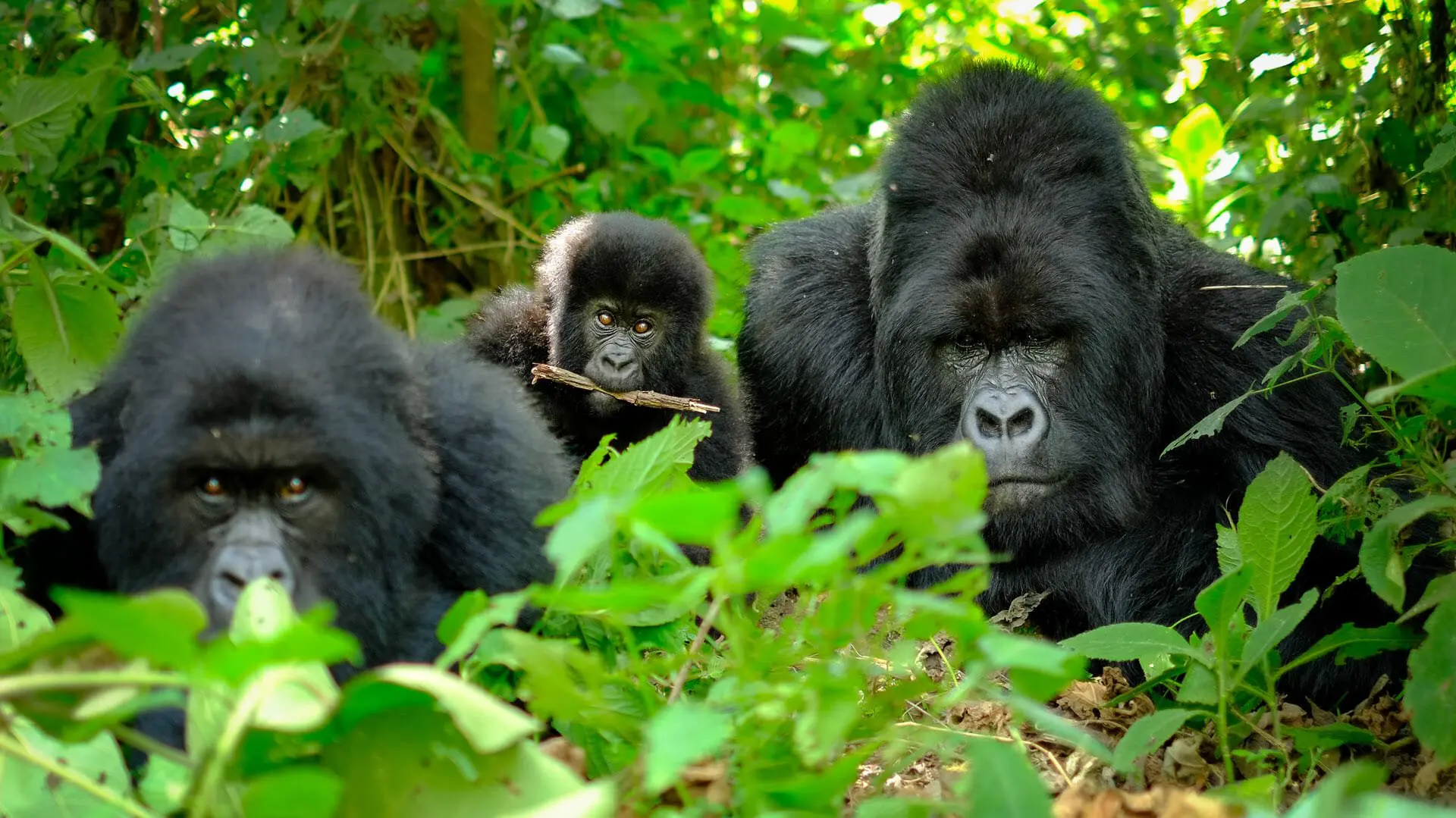
But I could see the gorillas getting restless. The silverback was watching us more closely. The babies had stopped playing. The mothers were pulling their young closer.We had overstayed our welcome. Not by much. But enough.
The ranger stood up. Whispered, “Time to go.”On the hike back, I asked him why one hour. Why not two? Why not thirty minutes? Who decided?He didn’t give me a quick answer. He thought about it.”Science,” he said finally. “And respect.”
That answer sent me down a rabbit hole. I read research papers. Interviewed primatologists. Talked to rangers who’ve spent decades in the forest.Turns out, the one-hour rule isn’t arbitrary at all.It’s one of the most carefully considered regulations in all of wildlife tourism.Here’s why.
The Stress You Can’t See
Here’s what most tourists don’t realize.Gorillas are constantly stressed by our presence.Not terrified. Not panicking. Just… on edge.
You can’t always see it. Gorillas are good at hiding stress. They’ve evolved to not show weakness. A gorilla that looks calm might have elevated heart rates, increased cortisol levels, and suppressed immune function.Researchers proved this.They collected gorilla fecal samples before, during, and after tourist visits. Measured stress hormones.
The results were clear.Within minutes of tourists arriving, gorilla stress hormones started rising. Not a lot. But measurably.After about forty-five minutes, the levels peaked.By sixty minutes, the gorillas were ready for the tourists to leave.
If tourists stayed longer, stress hormones stayed high. If tourists left on time, hormones dropped back to normal within an hour.The one-hour rule isn’t about your convenience.It’s about giving the gorillas a break before their stress becomes harmful.
The Disease Risk You Never Think About
This one scares me more than anything else.Gorillas share 98% of our DNA.That closeness means they can catch our diseases. Easily.A cold. The flu. A stomach bug. COVID-19.Something that makes you sneeze for a few days can kill a gorilla.I’m not exaggerating.
Respiratory diseases have killed mountain gorillas. Outbreaks have swept through families. Babies have died. Silverbacks have died.
In 2020, researchers were terrified that tourists might bring COVID-19 to the gorillas. Trekking was shut down for months. When it reopened, mask rules were strict. Distancing rules were stricter.But here’s the thing about the one-hour rule that most people miss.
The risk isn’t just about catching a disease. It’s about exposure time.
Think of it like this.
If a tourist is carrying a virus, they’re shedding particles with every breath. Not a lot. But some.The longer they stay near the gorillas, the more particles accumulate in the air. The higher the chance that a gorilla inhales something dangerous.
Sixty minutes is the threshold where exposure risk starts to climb significantly.Less than that, the risk is low but not zero.More than that, the risk becomes unacceptable.The one-hour rule protects gorillas from diseases they never evolved to fight.
The Behavioral Change Nobody Notices
Here’s something researchers have documented.Gorillas change their behavior when tourists are around.Not dramatically. They don’t run away or hide. But they make small adjustments.They feed less. They’re too busy watching the humans.
They rest less. They stay alert, scanning for threats.They groom less. Grooming is social bonding. It requires relaxation. Tourists make them less relaxed.Mothers keep babies closer. That sounds protective. It is. But it also means babies have less freedom to explore, learn, and play.
Silverbacks position themselves between tourists and the group. That’s a stress response. He’s acting like a bodyguard because he feels the need to.These changes are small. A few minutes less feeding here. A few minutes less grooming there.But they add up.
Multiple tourist visits per day. Multiple days per week. Multiple months per year.Over time, these small behavioral changes affect gorilla health, social bonds, and reproduction.The one-hour rule minimizes the disruption.Sixty minutes of altered behavior is manageable. Two hours isn’t.
The Silverback’s Patience (Which Is Not Infinite)
I’ve watched silverbacks tolerate tourists with remarkable patience.
They sit there, eating, while a dozen humans stare at them from seven meters away. Cameras clicking. People whispering. Occasionally someone sneezes or drops a lens cap.The silverback ignores most of it.But he has a limit.And here’s what the researchers found.
The limit is about one hour.After sixty minutes of tourist presence, silverbacks start showing signs of irritation.More frequent glances at the humans. Harder stares. Low grumbles. Occasional feigned charges.
Not every silverback. Some are more patient than others. But on average, the one-hour mark is when irritation becomes detectable.
If tourists stayed longer, the silverback would eventually do something about it.A charge. A display. Maybe worse.The one-hour rule isn’t just for the gorillas’ comfort.It’s for your safety.
The Baby Factor
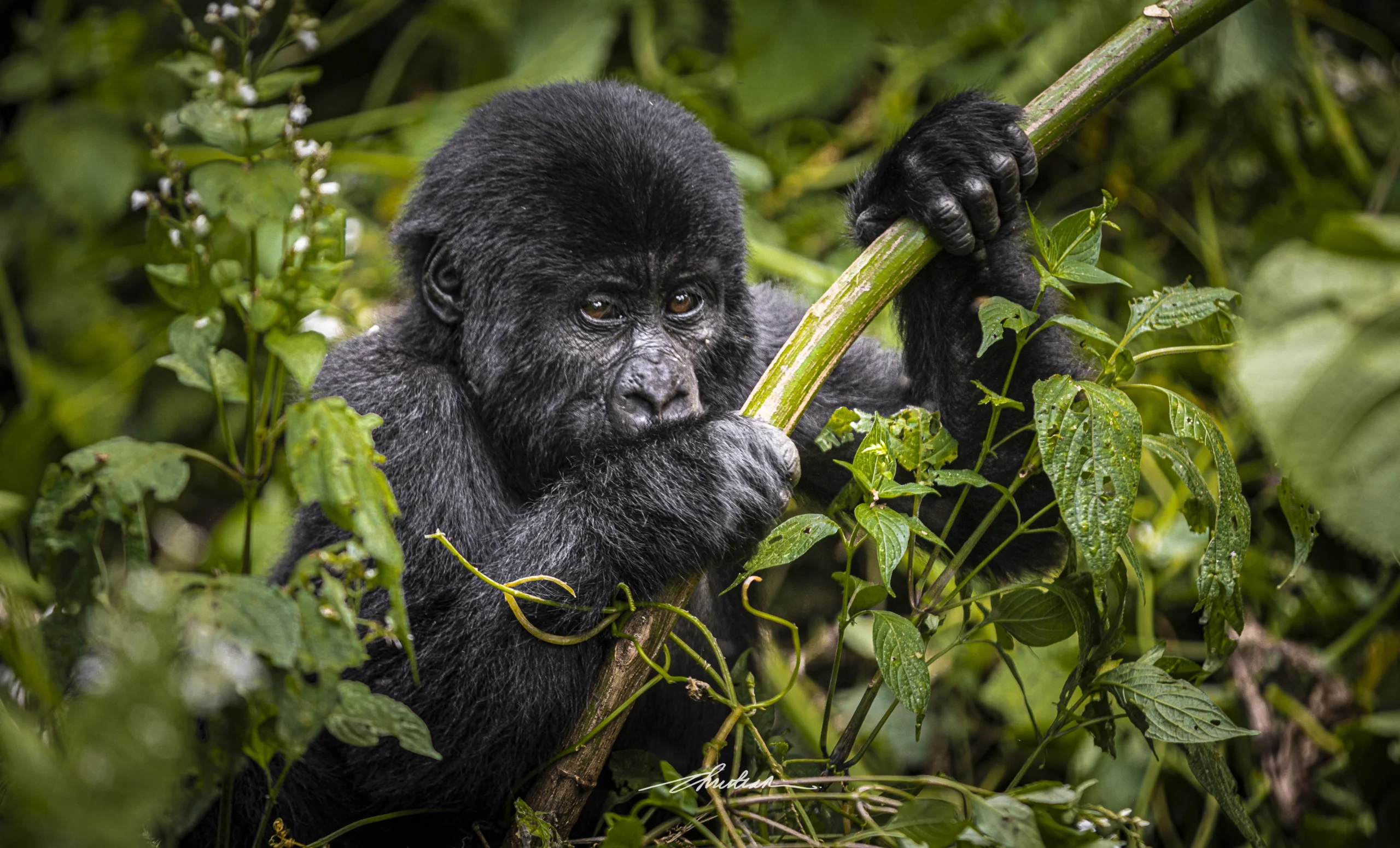
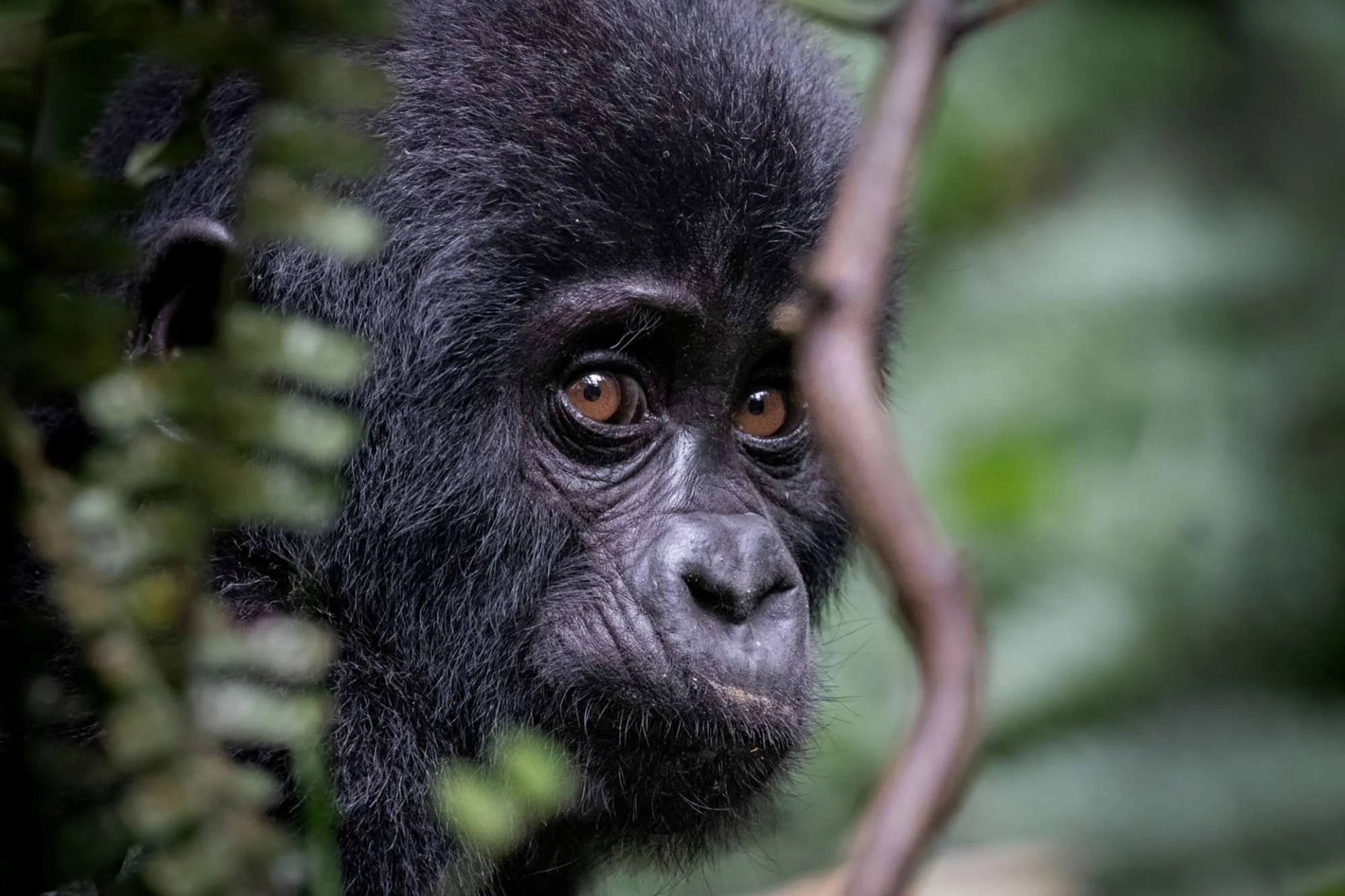
Baby gorillas are the most vulnerable.They’re also the most popular with tourists. Everyone wants to watch the babies play.But here’s what the researchers noticed.Baby gorillas are stressed by tourists in ways adults aren’t.
Babies stare at tourists more. They stay closer to their mothers. They play less. They vocalize less.And after about forty-five minutes, babies start showing clear signs of fatigue.Yawning. Rubbing eyes. Fussing. Climbing onto their mothers’ backs to be carried away.
By sixty minutes, most babies are done. They want the humans to leave so they can nap.The one-hour rule protects the babies.Not because they’ll get sick or injured. But because they need rest, security, and normalcy to grow up healthy.A baby gorilla that’s constantly stressed by tourists doesn’t thrive.
The Tourist Factor (Yes, You’re Part of the Problem)
Here’s something the tourism industry doesn’t like to talk about.Tourists aren’t great at following rules.Not intentionally. Most people want to do the right thing.
But put someone in front of a baby gorilla, and their brain stops working. They creep closer. They make eye contact. They forget about the seven-meter rule. They stay longer than they should.The one-hour rule creates a clear boundary.
Not “leave when you feel like it.” Not “leave when the gorillas seem uncomfortable.”Leave at sixty minutes. No discussion. No negotiation.That clarity protects the gorillas from tourists who don’t know when to stop.It also protects tourists from themselves.
Because the tourist who stays too long, who pushes the silverback’s patience, who gets too close for one more photo?That tourist is the one who ends up in a ranger’s story. The one who gets charged. The one who gets banned from the park.The one-hour rule saves you from your own bad decisions.
The Research That Proved the Rule Works
Scientists have studied this extensively. The Mountain Gorilla Veterinary Project. The Dian Fossey Gorilla Fund. Researchers from UC Davis, Cambridge, and other universities.
They’ve compared gorilla families that receive high tourist traffic to families that receive low traffic. They’ve tracked stress hormones, disease rates, birth rates, and infant survival.
The findings are consistent.Gorilla families that are well-managed — one-hour visits, limited group sizes, safe distances — are as healthy as families with no tourism at all.
Gorilla families that experience poor management — longer visits, larger groups, closer distances — show higher stress, more disease, and lower reproductive success.The one-hour rule isn’t just a guess.It’s evidence-based. Tested. Proven.It works.
What Happens in Countries Without the Rule
Mountain gorillas exist in three countries. Uganda. Rwanda. Democratic Republic of Congo. All three have the one-hour rule now. They learned from each other.But it wasn’t always this way.
In the early days of gorilla tourism — the 1980s and 1990s — rules were looser. Visits could last two hours or more. Group sizes were larger. Distances were closer.The results were bad.
Gorillas got sick. Gorillas got stressed. Habituation — the process of getting gorillas comfortable with humans — took longer because the gorillas learned to fear tourists, not just tolerate them.
Some gorilla families had to be closed to tourism entirely. They’d become too aggressive or too stressed.The one-hour rule emerged from those failures.It’s not a restriction.It’s a lesson learned the hard way.
Why Eight People? (The Other Rule You Probably Hate)
While we’re talking about the one-hour rule, let me explain the eight-person rule.Only eight tourists can visit a gorilla family per day.That seems ridiculously strict. Thousands of people want to trek. Why limit it so severely?Same reason as the one-hour rule. Science.
Researchers tested different group sizes. Measured gorilla stress responses.
Small groups — four to six people — caused minimal stress.
Medium groups — eight to ten people — caused noticeable stress but manageable.
Large groups — twelve or more — caused significant stress. Gorillas changed behavior. Silverbacks became agitated. Infants hid.Eight is the compromise.
Enough tourists to make tourism financially viable. Not so many that gorillas suffer.And here’s something most people don’t know.The eight-person rule applies to tourists only.
Rangers, trackers, researchers, vets? They don’t count. They’re part of the gorillas’ daily lives. The gorillas know them. Trust them.You’re the stranger. You’re the one who causes stress.That’s why you’re limited to eight.
What About the Second Visit of the Day?
Some gorilla families receive two tourist visits per day.Morning group. Afternoon group.
That’s eight tourists in the morning. Eight in the afternoon. Sixteen total per day.Doesn’t that double the stress?Researchers studied this too.They found that gorillas recover quickly between visits. Stress hormones drop back to normal within an hour of tourists leaving. By the time the afternoon group arrives, the gorillas are relaxed again.
But there’s a catch.
This only works if the morning group leaves on time. And the afternoon group doesn’t arrive early.If visits run long — or overlap — the gorillas don’t get their recovery window. Stress accumulates.That’s why guides are strict about departure times.It’s not rudeness. It’s science.The morning group needs to leave so the gorillas can rest before the afternoon group arrives.
A Story About the Rule Working
I heard this from a ranger in Bwindi.There was a silverback named Rukina. Famous for his patience. Tourists loved him. He’d sit calmly for the full hour, eating, ignoring the cameras.
One day, a tourist group arrived late. Hiking took longer than expected. By the time they reached the gorillas, they’d already used most of their hour just getting there.The tourists asked for more time. “We just got here,” they said. “Can’t we stay a little longer?”
The ranger said no. Rules are rules.The tourists were angry. Complained. Demanded to speak to a supervisor.The ranger held firm. One hour. Starting from when they arrived. Not from when they wanted it to start.The tourists left unhappy.
Two weeks later, Rukina got sick. Respiratory infection. The vets treated him. He recovered.The ranger told me: “If we had stayed longer that day — if we had added more stress to an already stressful situation — maybe he would have gotten sicker. Maybe he wouldn’t have recovered.”He shrugged.”We’ll never know. But I’m glad we followed the rules.”
What You Can Do With Your One Hour
Sixty minutes sounds short.But here’s what I’ve learned.It’s enough.Not for everything. Not for a full documentary. Not for every photo you want.But enough to connect.Here’s how to make the most of it.
First ten minutes: Just breathe. You’re winded from the hike. Your heart is racing. Don’t try to absorb everything. Just sit. Let the gorillas become real.
Next twenty minutes: Watch. Don’t photograph yet. Just observe. Notice the family dynamics. Who’s close to who. Who’s eating. Who’s resting. Who’s watching you.
Next twenty minutes: Take photos if you want. But stay present. Don’t spend the whole time looking through a lens. You’ll remember what you saw, not what you photographed.
Last ten minutes: Put the camera down. Just be there. Memorize the details. The way the silverback’s fur catches the light. The sound of a baby breathing. The smell of the forest.
Last minute: Thank the ranger. Thank the trackers. Thank the gorillas, if that’s your thing. Then stand up. Walk away. Don’t look back.That’s the secret.
One hour is enough if you’re fully there.If you’re distracted — checking your phone, adjusting your camera, worrying about the time — it’ll feel like five minutes.Be present. The hour will expand.
The Honest One
I used to think the one-hour rule was about crowd control.Too many tourists. Limited time slots. A logistical solution.I was wrong.
The one-hour rule is about respect.Respect for the gorillas who don’t owe us anything. Who let us into their home, watch their children, photograph their lives.Respect for the rangers who have to manage the balance between tourism and conservation, every single day.
Respect for the science that proves what gorillas need, even when it’s inconvenient for us.And respect for the tourists who come after you. Who also deserve their hour. Who also deserve a chance to see these animals healthy, calm, and wild.The rule isn’t there to frustrate you.It’s there to protect something you love.
Think about it this way.Would you rather have one hour with a gorilla that’s relaxed, healthy, and comfortable?Or two hours with a gorilla that’s stressed, sick, and hiding from humans?You already know the answer.That’s why the rule exists.Not to limit you. To save what you came to see.