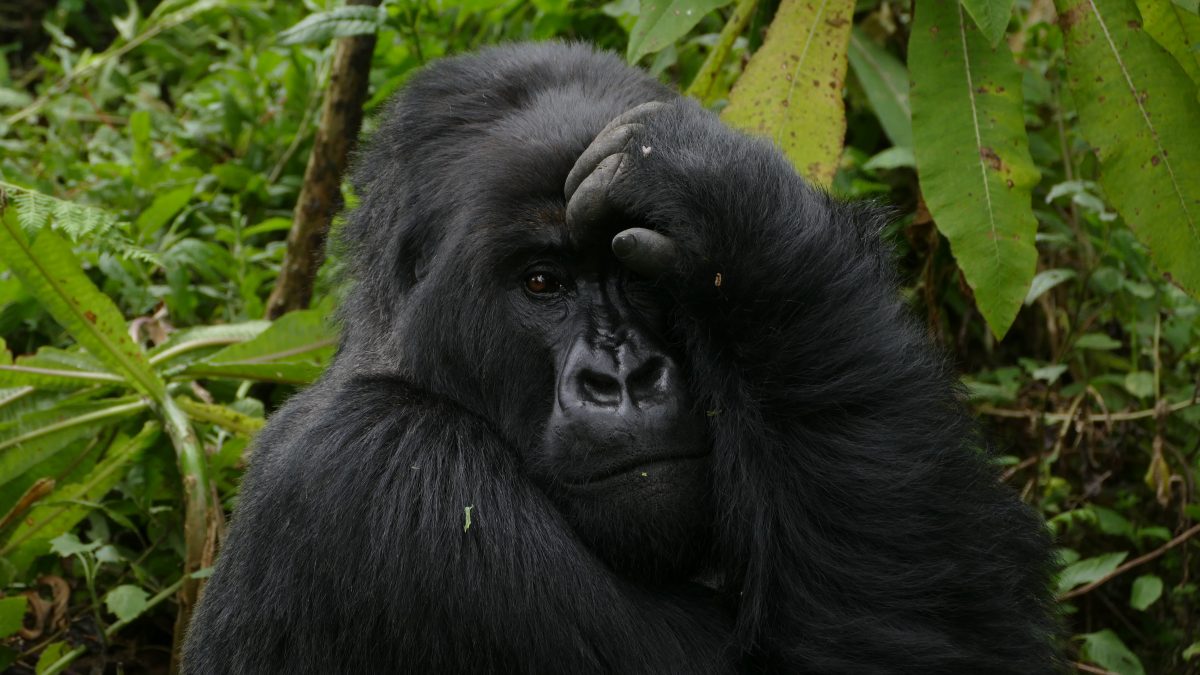
The Gorilla Naming Ceremony: How Bwindi’s Babies Get Their Names
The first thing you need to understand is that a baby gorilla doesn’t get a name like a pet. No one sits around a campfire suggesting “Coco” or “Fuzzy” or “Kingston. “This is different.In Rwanda, they call it Kwita Izina. It’s a formal ceremony. Presidents have attended. Celebrities fly in. The whole country watches. In Uganda, it’s quieter. Less polished. But the meaning is the same.
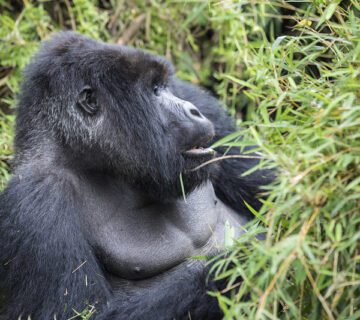
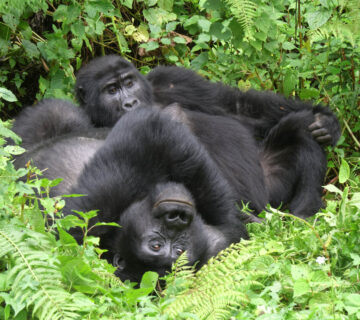
A gorilla is born in the wild. The rangers watch it grow. The trackers learn its personality. The researchers document its first steps, first solid food, first time riding on its mother’s back.
And then, one day, the baby gets a name. Not a random name. A name with meaning. A name that tells a story about where the gorilla came from, what it represents, or who helped protect it.I went to one of these ceremonies once. Not as a VIP. Just as a traveler who happened to be in the right place at the right time. What I saw surprised me.
How a Baby Gorilla Earns a Name (Without Doing Anything)
Here’s the thing about gorilla births. They’re not rare anymore, thank goodness. Bwindi’s gorilla population has been growing steadily for years. Babies are born every few months. But each birth is still celebrated like a miracle. Because when you only have about 1,000 mountain gorillas left in the entire world, every single baby matters. The process starts quietly.
A tracker notices a female is pregnant. Her belly swells. She moves more slowly. The silverback stays close to her.Then one morning, the tracking team arrives to find something new. A tiny face. Curled up against its mother’s chest. Barely able to open its eyes.The rangers radio back. “Baby born. Mother and infant both healthy. “That’s when the waiting begins.
Gorilla babies aren’t named immediately. The community watches for months. Is the baby strong? Is the mother caring for it properly? Is the silverback protective? Only after the baby is clearly thriving does the naming conversation start.
The Ceremony Itself (Not What You’d Expect)
I imagined something formal. A stage. Speeches. Important people in suits handing out certificates. The ceremony I attended was not that. It happened in a village near Bwindi. Not a big town. Just a clearing between houses. Plastic chairs set up in rows. A canopy to block the sun. Women selling roasted corn and soda from tables.
Hundreds of people showed up. Local families. Schoolchildren in matching uniforms. Rangers in their green uniforms, standing a little straighter than usual. A few tourists like me, looking slightly lost but happy to be included. The dancing started first. Traditional drumming. Women in colorful dresses moving in circles. Kids laughing and running between the adults. No one seemed nervous or formal. It felt like a wedding, almost. Or a harvest festival. Then the names began.
Who Gets to Name a Gorilla?
Not everyone. The naming rights are given to people who have helped protect gorillas in some way. A ranger who has worked in Bwindi for twenty years. A local conservationist who stopped poaching in her village. A donor who funded a new veterinary clinic. A celebrity who brought international attention to mountain gorillas.
Sometimes a tourist who has sponsored a gorilla family through a conservation program. Each person walks to the front. Holds a microphone. Says the name they’ve chosen. Explains what it means. One woman named a baby Amagara — which means “life” in the local language. Her own child had survived malaria the previous year. She wanted the gorilla to carry that same strength.
An old ranger named a silverback’s son Ruzingama — “one who unites.” Because this gorilla was born just after two families merged. The ranger had watched the tense first meetings. The way the silverbacks sized each other up. The way the females slowly relaxed. The baby was proof that peace was possible. I cried a little during that one. Not gonna lie.
The Names Tell Stories You’d Never Guess
Here are some gorilla names from past ceremonies.
Nyampazi — “the wise one.” Given to a baby whose mother was unusually calm and strategic.
Twijukye — “we have forgotten.” Given to a baby born the same year a deadly poaching incident happened nearby. A name about moving forward.
Kanyonyi — “small bird.” Given to a tiny baby who was half the size of other newborns but survived against all odds.
Mukago — “the loved one.” Given to a female baby born into a family that had lost two infants in a row. Everyone was afraid to hope. When she survived, they named her simply. The loved one.
Ndibaisa — “I will come back.” Given by a tourist who had visited Bwindi ten times. She was old. She knew she might not return. She wanted the gorilla to carry her promise.
These names aren’t cute. They’re not quirky. They’re heavy. Full of meaning. Every one of them is a prayer or a thank-you or a hope.
Rwanda Does It Bigger. Uganda Does It Deeper.
I should mention the difference. Rwanda’s Kwita Izina is a national event. The president attends. International media covers it. Celebrities like Natalie Portman and Leonardo DiCaprio have named gorillas. The ceremony is broadcast on television. It’s impressive. Professional. Beautiful to watch. Uganda’s ceremony is smaller. More local. Less polished.
But here’s what I loved about the Ugandan version. The people doing the naming weren’t famous. They were rangers. Nurses. Teachers. Farmers. Locals who had dedicated their lives to conservation without any recognition.
One old woman named a baby Busingye — “peace” — and then sat back down. No speech. No explanation. Just the word. Everyone understood. That’s the difference. In Rwanda, the names are for the world. In Uganda, the names are for the gorillas.
Do the Gorillas Know Their Names?
This is a question tourists always ask. “No,” a ranger told me, smiling. “They don’t know their names like a dog knows its name. “Then why do it?
“Because we need names,” he said. “When a researcher writes a report about Nyampazi, everyone knows which gorilla. When a vet treats Ruzingama, the records are clear. Names help us talk about them, protect them, love them. “He paused.
“And maybe the gorillas don’t know their names. But they know when we speak to them gently. They know when we visit them every day. They know we are not enemies. “I thought about that. The naming ceremony isn’t for the gorillas. Not really.
It’s for us. To remind ourselves that these animals are individuals. With histories. Personalities. Families. Names make them real in a way numbers never could.
The Baby That Wasn’t Named
There’s a sad part to this story. Not every baby gorilla lives. Some die of illness. Some get caught in snares meant for other animals. Some just… don’t make it. No clear reason. The rangers don’t name those babies. Not publicly. Not in a ceremony.
But I learned something from a tracker who had been in Bwindi for eighteen years. “We name them anyway,” she said quietly. “Not officially. But we give them a name in our hearts. Just between the trackers. So they are not forgotten. “She wouldn’t tell me any of those names. “They are private,” she said. “For us only. “I didn’t push.
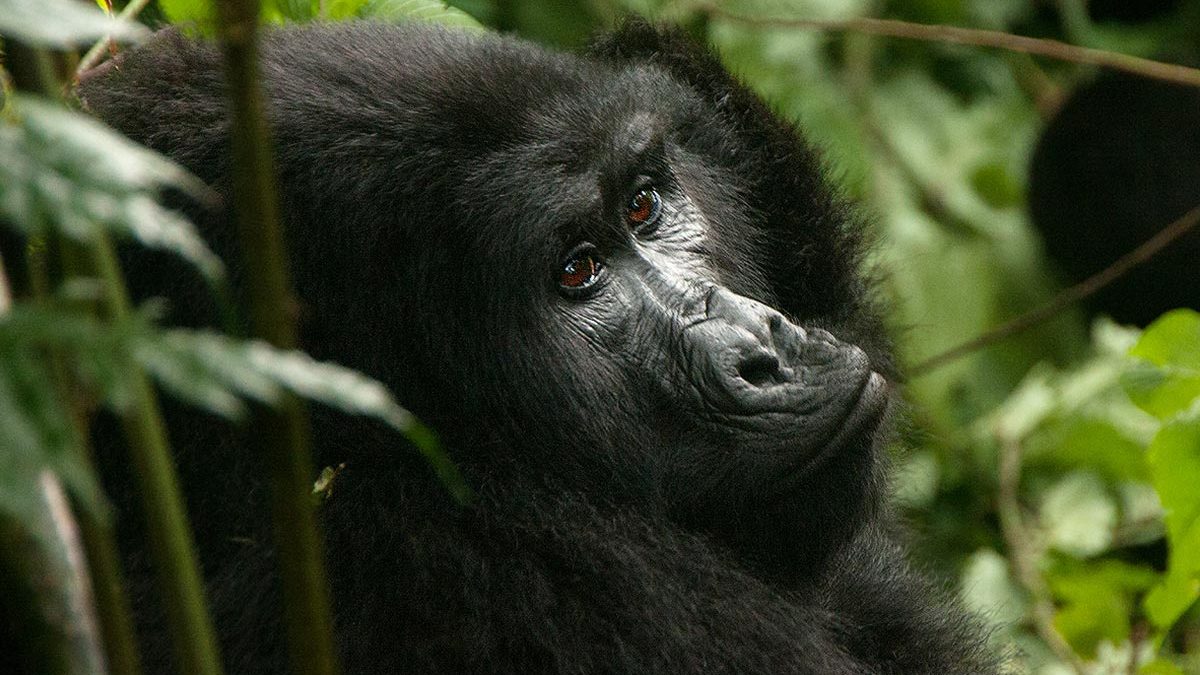
What It’s Like to Witness a Naming
If you ever get the chance to attend a gorilla naming ceremony, go.Don’t expect luxury. The seats will be plastic. The sound system might crackle. You’ll probably get dust on your clothes.But you’ll also see something rare.A community celebrating not a harvest or a wedding or a holiday.But a baby gorilla.
Schoolchildren will perform songs they wrote about conservation. Local elders will bless the forest. Rangers will stand a little taller than usual, because for one day, people are thanking them.
And when the names are announced — each one explained, each one honored — you’ll understand something.This isn’t a publicity stunt.It’s not tourism marketing.It’s a village saying: These gorillas are ours. We will protect them. We will name them. They belong here.
How to Experience This Yourself (If You Want To)
The naming ceremony doesn’t happen every week. It’s annual or semi-annual, depending on how many babies were born.
Uganda’s ceremony usually happens in September or October. Rwanda’s is in September.You can’t just show up. The events are organized by the Uganda Wildlife Authority or Rwanda Development Board. Tickets are sometimes available to the public, but spaces are limited.Your best bet?
Ask your tour operator. If you’re booking a gorilla trek, mention that you’re interested in the naming ceremony. They’ll tell you if one is happening during your trip.And if you really want to be involved? Some conservation organizations allow you to sponsor a gorilla family. Sponsors sometimes get invited to name a baby.It’s expensive. But I’ve met people who did it. None of them regretted it.
The Honest One
I’ll be honest.Before I attended a naming ceremony, I thought it was a little silly.A ceremony for animals? With dancing and speeches and formal names? It felt like something designed for tourists. A photo opportunity.Then I watched an old ranger name a baby gorilla after his late wife.
She had died the previous year. Cancer. She had worked alongside him in Bwindi for a decade. Cooking for the trackers. Washing their uniforms. Waiting for him to come home from the forest.
He named the baby Nyampinga — “beautiful one.””She was beautiful,” he said. Just that. His voice cracked. He stepped down from the platform.No one clapped.Everyone just sat there, quiet.I stopped thinking the ceremony was silly after that.Names matter.Especially when you’re naming something you might lose.