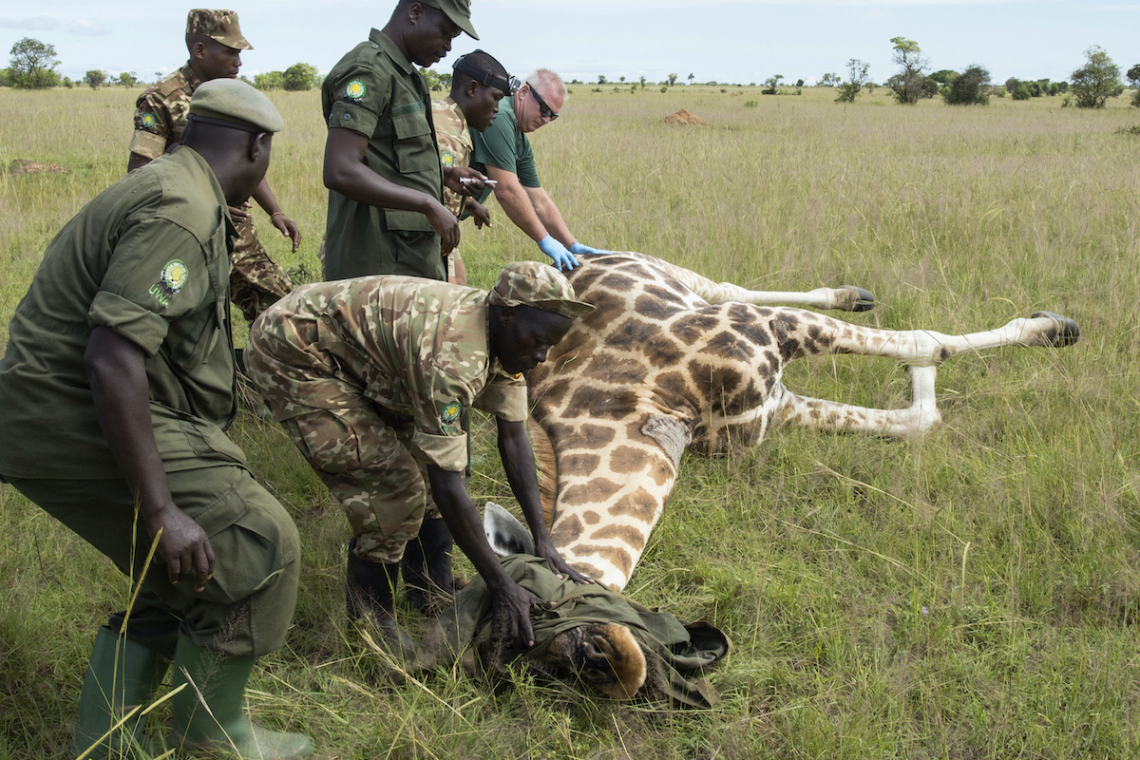
How Rangers Track Gorilla Families Every Morning Before Tourists Arrive
The first thing you notice isn’t what they’re doing. It’s when they’re doing it.
You show up at the park headquarters at 7:00 AM, shivering a little, blinking sleep from your eyes. Your group shuffles around, checking cameras, adjusting boots, whispering about how early this feels.Then a ranger walks in.He’s already been working for three hours.
His boots are caked with mud. His shirt is soaked through with sweat. There are scratches on his arms from pushing through vegetation you couldn’t even imagine walking through.He looks exhausted. But he’s smiling.”The gorillas are about forty-five minutes from here,” he says calmly. “I’ll take you to them.”That’s when it hits you.
Someone went into that forest before sunrise. Alone, or with a small team. They climbed those muddy slopes. They pushed through those stinging nettles. They found a family of gorillas sleeping in their nests.And now they’re back to lead you there.Nobody takes photos of these rangers. Nobody writes their names in travel blogs. But without them, gorilla trekking wouldn’t exist.Here’s what they actually do.
The 4:00 AM Wake-Up Call
Most tourists are fast asleep at 4:00 AM.The rangers aren’t.At Bwindi Impenetrable National Park, the tracking team gathers before dawn. They drink tea in the dark. Check their gear. Review yesterday’s notes.A typical team is three to five people.One lead ranger. Two or three trackers. Sometimes a researcher or a vet if a specific gorilla needs monitoring.They don’t talk much. They know what they’re about to do.
By 4:30 AM, they’re in a truck heading to the trailhead. By 5:00 AM, they’re walking into the forest with headlamps.The gorillas are somewhere out there. Sleeping.The rangers need to find them before tourists arrive at 8:00 AM.That’s a three-hour window to locate a family of gorillas in a forest so thick they call it “impenetrable.”
How They Actually Find the Gorillas
You’d think they use GPS trackers on the gorillas. They don’t. A few silverbacks have been collared over the years, mostly for research. But most gorillas? No tracking devices. No radio signals. Just human skill and years of experience. So how do they do it?
The previous day’s data. When the last tourist group leaves, the rangers know roughly where the gorillas were headed. They build nests every night — new nests, different locations. The rangers make educated guesses about where the family will sleep.
Vocalizations. Gorillas are loud in the morning. They wake up, stretch, start grunting and calling to each other. A skilled ranger can hear a silverback’s chest beat from over a kilometer away. In that forest, that’s an eternity.
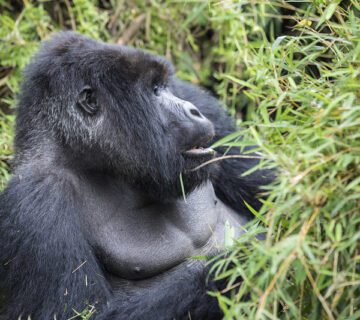
Droppings and feeding signs. Fresh dung. Broken branches. Half-eaten bamboo shoots. The trackers read the forest like a book. They know how long ago a gorilla passed through. They know which direction it was going. They know what it was eating.
Local knowledge. Some trackers have worked the same sector of Bwindi for twenty years. They know the gorilla families like they know their own relatives. “The Kyaguliro group moves toward water when it’s been dry.” “The Mubare group likes the fig trees on the eastern ridge in August.”That knowledge is irreplaceable.
The First Contact of the Day
This is the part nobody talks about.Finding the gorillas is one thing. Approaching them is another.The rangers don’t just crash through the forest and say “found them.”They stop. Listen. Observe.Is the silverback awake? Are there babies nearby? Is the family calm or agitated?The lead ranger makes a decision: safe to approach, or wait?
If it’s safe, they move closer. Slowly. Quietly. No sudden movements.They check each gorilla. Count them. Make sure everyone is present. Look for injuries or signs of illness.Then they radio back to headquarters.
“Gorilla family located. All individuals accounted for. Ready for tourists.”That radio call happens around 7:00 AM. Sometimes earlier. Sometimes not until 7:30 if the gorillas moved far overnight.By the time you’re sipping tea at the briefing, the rangers have already done the hard part.
Why This Has to Happen Before Tourists Arrive
Here’s a question I asked a ranger once.”Why can’t we just go in with you? Why do you have to find them first?”She laughed. Not in a mean way. Just… tired.”You want to stand in the forest for three hours while we search?” she asked.I didn’t have an answer.But the real reason is more serious than convenience.
Gorillas don’t know what tourists are. They just know that large, loud, unfamiliar creatures keep showing up. Without a ranger team to prepare them — to approach slowly, to establish calm before the groups arrive — the gorillas would be stressed constantly.The morning tracking isn’t just about finding them.It’s about making sure they’re ready to be seen.
And sometimes, they’re not.Sometimes the silverback is agitated. Sometimes a baby is sick. Sometimes a female just gave birth overnight. On those days, the rangers make a different call.”No trekking today for this family.”Tourists get moved to a different gorilla group. Or wait until tomorrow. They complain sometimes. They don’t understand.The rangers understand. They saw what you didn’t.
The Dangers Nobody Sees
Tracking gorillas sounds romantic.It’s not.Bwindi is called “Impenetrable” for a reason. The vegetation is thick. The ground is steep. The altitude is high — over 7,000 feet in some sectors.Rangers fall. Rangers get cut. Rangers twist ankles miles from the nearest road.And that’s just the terrain.
Then there are the other animals. Forest elephants live in Bwindi. You don’t see them often. But when you do, it’s up close. Elephants in thick forest are dangerous. They charge without warning.Buffalo. Leopards. Venomous snakes.The rangers deal with all of it. In the dark. Before sunrise.
And the gorillas themselves? They’re not dangerous, usually. But a silverback protecting his family? A mother defending her baby? They can move faster than you’d believe.One ranger told me about a charge he experienced. A silverback, maybe 200 kilos, running straight at him. Stopped three meters away. Pounded the ground.”You don’t forget that sound,” he said quietly.He’d been a ranger for fifteen years. Still flinched telling the story.
The Unseen Work Between Trekking Days
Finding gorillas every morning is just one part of the job.
The rangers also:
Monitor health. Every gorilla is checked daily. Runny nose? Cough? Limp? That gets reported immediately. Veterinarians are on call. A sick gorilla is an emergency.
Remove snares. Poachers set traps for antelopes and bush pigs. Gorillas get caught by accident. Rangers find and destroy snares constantly. One ranger showed me a pile of them — maybe fifty traps removed in a single month.
Clear trails. The paths tourists walk are maintained by rangers. Cutting back vegetation. Fixing muddy sections. Marking routes. You never see them doing this work. It happens between treks, on days off, in rain and sun.
Collect data. Every gorilla sighting is recorded. Who was seen. Where. What they were doing. How long they stayed. These records go back decades. They’re why we know so much about gorilla behavior.
Patrol boundaries. Poachers, illegal loggers, people collecting honey or bamboo — all of them threaten gorilla habitat. Rangers patrol the park edges constantly. Most tourists never know these patrols exist.
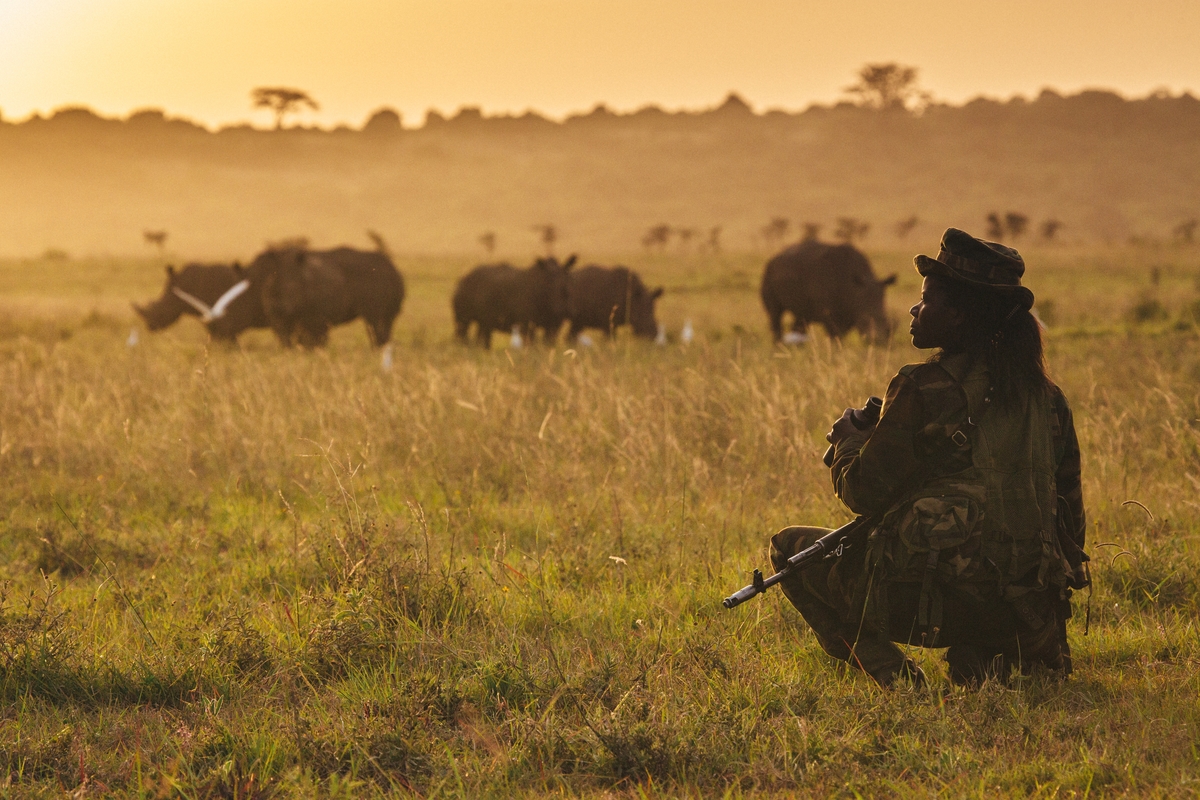
The People Behind the Job
I asked a ranger once why he does this work.The pay isn’t good. The hours are terrible. The risks are real.
He thought for a minute.”Because my children can see gorillas in the wild,” he said. “In twenty years, I want them to have that. If I don’t do this job, maybe they won’t.”Another ranger, a woman in her fifties, told me something different.
“I was here in the 1990s,” she said. “When we thought gorillas might disappear. Now they’re coming back. I helped with that. Nobody else can say that.”She wasn’t bragging. Just stating a fact.There’s a quiet pride in the rangers. They don’t need recognition. They don’t expect thanks. They just do the work, every day, before dawn, while tourists sleep.
What You Can Do (If You Want to Actually Help)
Appreciate the rangers.I mean really appreciate them.Tip them. The standard is $10–20 per trekker, split among the tracking team. That money matters. Their salaries are modest. Tips go directly to them.Say thank you. It sounds small. But rangers told me tourists rarely acknowledge their work. Everyone is focused on the gorillas. The rangers become invisible.Follow their instructions. When they say don’t move. When they say keep your distance. When they say the hour is up. They’re not being strict to annoy you. They’re protecting the gorillas.Write about them. Mention the rangers in your reviews, your blogs, your social media. Their work deserves to be seen.
The Honest One
You’ll wake up at 6:00 AM on your trekking day. You’ll think it’s early.The rangers have already been working for two hours.You’ll spend an hour with the gorillas. You’ll take photos. You’ll feel amazed. You’ll go home and tell everyone about the incredible experience.And you probably won’t remember the ranger who made it possible.I didn’t at first.
But on my second trek, I watched one of them. Really watched. He stood in the background while the tourists gasped and clicked their cameras. He didn’t take a single photo. He just watched the gorillas, watching us, making sure everyone was safe.When the hour ended, he led us out. At the trailhead, he shook each person’s hand. “Thank you for visiting,” he said.
He meant it.Not because of the tips. Because the tourists who come — the permits they buy, the attention they bring — are why the gorillas are still here.The rangers do the work.Tourists provide the reason.Together, it works.