
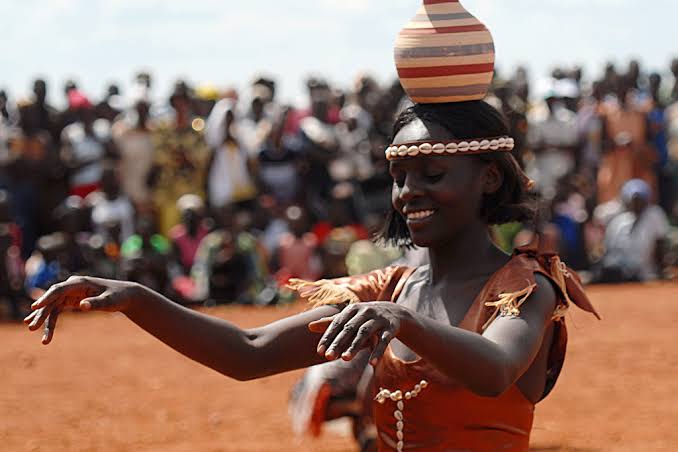
The Baganda, Banyankole and Batoro: Understanding Uganda’s Kingdoms
Uganda is a country with a rich cultural history, shaped by communities that developed different systems of leadership, traditions and social organisation. Among its best-known cultural groups are the Baganda, Banyankole and Batoro, whose histories are closely associated with the kingdoms of Buganda, Ankole and Tooro.
Understanding Uganda’s traditional kingdoms and cultures can make your visit more interesting, particularly when travelling through central and western Uganda.
These communities have distinctive languages, traditional clothing, food, music and marriage customs. Their histories also explain how cultural leadership developed long before Uganda became an independent country in 1962.
Although Uganda is now a republic, traditional institutions remain important to many communities. However, the status of the three historic kingdoms is not identical today.
Understanding Uganda’s Traditional Kingdoms and Cultures
Before colonial rule, several parts of present-day Uganda had established kingdoms and other forms of political organisation.
These included Buganda, Bunyoro, Tooro and Ankole, alongside communities governed through different leadership structures.
Traditional rulers exercised authority according to the customs and political arrangements of their societies.
Some kingdoms developed centralised administrations, while others depended on relationships between chiefs, clans and local communities.
After independence, Uganda experienced political changes that affected these institutions.
Traditional kingdoms were abolished by the national government in 1967.
In the 1990s, traditional cultural institutions were permitted to return under a new legal framework.
Today, recognised traditional leaders have cultural roles rather than the political powers historically exercised by kings.
Importantly, Buganda and Tooro have functioning restored monarchies, while the historical Ankole Kingdom has not been formally restored in the same way.
1. The Baganda and the Kingdom of Buganda
The Baganda are one of Uganda’s largest ethnic communities.
Their traditional homeland, Buganda, occupies much of central Uganda, including areas around Kampala, Wakiso, Mukono and Masaka.
Buganda has a long history of organised kingship, administration and clan traditions.
Who Is the Kabaka?
The traditional king of Buganda is called the Kabaka.
The Kabaka is an important cultural figure who represents the kingdom’s heritage and identity.
The monarchy was restored in 1993, when Ronald Muwenda Mutebi II was enthroned as Kabaka.
Buganda also has cultural and administrative structures that support the kingdom’s activities.
These institutions are distinct from Uganda’s national government.
The Importance of Clans in Buganda
Clans play an important role in Baganda cultural identity.
A person’s clan is traditionally inherited through the father’s line.
Each clan has its own history, identity and associated totems.
Clan relationships influence certain social customs, including traditional marriage rules.
During cultural visits, you may hear people introduce themselves by their clan names.
The Luganda Language
Luganda is widely spoken in central Uganda.
It is also commonly understood in other parts of the country.
Travellers visiting Kampala and surrounding districts frequently encounter Luganda in markets, shops and everyday conversations.
Learning a few basic greetings can help you communicate politely with local residents.
Traditional Clothing of the Baganda
The gomesi is one of the most recognisable traditional outfits worn by Baganda women.
It is particularly common during weddings, introduction ceremonies and cultural celebrations.
Men may wear the kanzu, a long traditional tunic, sometimes accompanied by a jacket.
Clothing styles have changed over time, and modern dress is common in everyday life.
2. The Banyankole and the Historical Ankole Kingdom
The Banyankole are a major cultural community in southwestern Uganda.
Their traditional homeland is associated with the historical Ankole Kingdom, also called Nkore.
Important towns and districts within the wider Ankole region include Mbarara, Bushenyi, Ntungamo, Isingiro and Kiruhura.
The region is known for agriculture, cattle keeping and distinctive cultural traditions.
Understanding the Historical Ankole Kingdom
The traditional ruler of Ankole was known as the Omugabe.
Historically, Ankole developed a monarchy with relationships between pastoral and agricultural communities.
The kingdom’s political and social history was complex, and its organisation changed over time.
Unlike Buganda and Tooro, Ankole’s monarchy was not formally restored during the return of traditional institutions in the 1990s.
Efforts to restore the kingdom have continued, but the issue has remained contested.
Therefore, visitors should avoid describing Ankole as having the same currently functioning royal institution as Buganda or Tooro.
Cattle and Banyankole Culture
Cattle have traditionally held an important position in parts of Banyankole society.
The Ankole long-horned cattle are particularly recognisable because of their impressive horns.
Cattle are associated with livelihoods, wealth, social relationships and cultural traditions.
However, Banyankole communities also have extensive agricultural traditions.
Not every Banyankole household keeps cattle, and modern livelihoods vary considerably.
The Runyankole Language
Runyankole is an important language in southwestern Uganda.
It belongs to the Bantu language family and shares similarities with some neighbouring languages.
Travellers may hear Runyankole spoken in Mbarara and surrounding districts.
Banyankole Traditional Dance
One of the better-known traditional dances associated with Banyankole culture is ekitaguriro.
The dance includes energetic movements and rhythmic footwork.
Performances may take place during cultural celebrations and organised community events.
Visitors should remember that cultural performances vary between communities and occasions.
3. The Batoro and the Kingdom of Tooro
The Batoro, also commonly called Batooro, are closely associated with the Kingdom of Tooro in western Uganda.
The kingdom is centred on Fort Portal, a city surrounded by fertile countryside and several important tourism attractions.
Tooro has its own royal history, cultural institutions and traditions.
The History of Tooro Kingdom
Tooro emerged as a separate kingdom in the nineteenth century after separating from Bunyoro.
Its history is connected to the wider political development of western Uganda.
Like other traditional kingdoms, Tooro experienced major changes during the colonial and post-independence periods.
The monarchy was restored in the 1990s.
Who Is the Omukama of Tooro?
The traditional king of Tooro is called the Omukama.
King Oyo Nyimba Kabamba Iguru Rukidi IV became Omukama in 1995 while still a young child.
The Omukama is an important symbol of the kingdom’s cultural identity.
Royal ceremonies and cultural activities continue to attract attention within the Tooro community.
The Rutooro Language
Rutooro is spoken by the Batoro people.
It shares linguistic similarities with Runyoro, the language associated with neighbouring Bunyoro.
Visitors travelling through Fort Portal and surrounding communities may hear Rutooro in everyday conversations.
Traditional Values and Family Life
Respectful greetings, family relationships and social etiquette are important aspects of Batoro culture.
Traditional forms of address may communicate respect for elders and other community members.
As in other Ugandan communities, contemporary family life combines longstanding customs with modern social practices.
Comparing the Baganda, Banyankole and Batoro
Although these communities share some cultural features, they have different histories and traditions.
| Cultural Group | Traditional Kingdom | Main Region | Language | Traditional Royal Title |
|---|---|---|---|---|
| Baganda | Buganda | Central Uganda | Luganda | Kabaka |
| Banyankole | Ankole | Southwestern Uganda | Runyankole | Omugabe |
| Batoro | Tooro | Western Uganda | Rutooro | Omukama |
Buganda and Tooro have restored cultural monarchies.
Ankole remains an important historical and cultural identity, but its monarchy has not been formally restored in the same manner.
These distinctions are important when discussing Uganda’s traditional institutions.
4. Traditional Marriage Customs
Marriage traditions are an important part of cultural life across Uganda.
The Baganda, Banyankole and Batoro have customs involving family introductions, discussions and celebrations.
Kwanjula Among the Baganda
Among the Baganda, the traditional introduction ceremony is called kwanjula.
The occasion involves the formal introduction of the prospective groom to the bride’s family.
Family spokespersons, traditional clothing, gifts and shared meals may form part of the celebration.
Marriage Traditions Among the Banyankole
Banyankole marriage traditions can involve family negotiations, gift exchanges and ceremonies associated with the bride’s transition into married life.
Kuhingira is one recognised tradition associated with marriage celebrations in western Uganda.
However, procedures differ between families and communities.
Marriage Traditions Among the Batoro
Batoro marriage customs also involve family relationships and customary arrangements.
Traditional expectations may include discussions between relatives and agreed gifts.
Modern couples may combine traditional ceremonies with religious or civil weddings.
5. Traditional Foods and Cultural Identity
Food provides another opportunity to understand Uganda’s cultural diversity.
Many communities share staple foods, although preparation and serving traditions differ.
Food in Buganda
Matoke is strongly associated with food traditions in central Uganda.
It is commonly served with groundnut sauce, beans or meat-based dishes.
Other foods include sweet potatoes, cassava and vegetables.
Food in Ankole
Milk and dairy products have traditional importance in parts of Banyankole pastoral culture.
Millet bread and other agricultural foods are also familiar in the region.
Contemporary meals include rice, beans, matoke and many other dishes.
Food in Tooro
Batoro food traditions include locally grown staples such as millet, bananas, sweet potatoes and beans.
Meals vary according to household preferences and the availability of ingredients.
| Community | Examples of Traditional Foods |
|---|---|
| Baganda | Matoke, groundnut sauce, sweet potatoes |
| Banyankole | Millet bread, milk products, beans |
| Batoro | Millet, bananas, beans, sweet potatoes |
These foods are not exclusive to any single community.
6. How Uganda’s Kingdoms Function Today
Uganda’s Constitution provides for traditional and cultural leaders under specified conditions.
Their contemporary roles differ from those of the pre-independence monarchies.
Recognised cultural institutions may support language, heritage, community activities and cultural education.
However, traditional leaders do not exercise the governmental powers historically associated with independent kingdoms.
Cultural Leadership and National Government
Uganda is governed through its national political and administrative institutions.
Traditional leaders have cultural responsibilities within the constitutional framework.
This distinction is important because travellers sometimes assume that kingdoms operate as separate political states.
They do not.
7. Where Travellers Can Experience Kingdom Culture
Uganda offers several opportunities to learn about traditional communities.
Buganda Cultural Sites
Kampala and surrounding areas contain important sites associated with Buganda’s history.
The Kasubi Tombs are particularly significant because of their association with Buganda’s royal heritage.
Visitors should check access arrangements and follow site rules.
Ankole Cultural Experiences
Mbarara and the surrounding countryside offer opportunities to learn about Banyankole cultural traditions.
Organised experiences may focus on cattle keeping, traditional food and rural livelihoods.
Tooro Cultural Experiences
Fort Portal is a useful starting point for exploring Tooro’s history.
Visitors may learn about royal traditions, local communities and cultural heritage.
The region can also be combined with visits to nearby crater lakes and Kibale National Park.
8. Respecting Cultural Traditions During Your Visit
Cultural tourism should involve respectful interaction with local communities.
If you visit a cultural site or attend a ceremony, follow instructions from your guide or host.
Ask permission before photographing people.
Wear suitable clothing when visiting royal or ceremonial locations.
Avoid interrupting speeches, prayers or private activities.
If you want to understand a particular tradition, ask questions politely.
Community members may explain customs differently, reflecting their personal experiences and family backgrounds.
Frequently Asked Questions About Uganda’s Kingdoms
What are the major traditional kingdoms of Uganda?
Historically important kingdoms include Buganda, Bunyoro, Tooro and Ankole. Uganda also has other traditional and cultural institutions.
Who is the traditional king of Buganda?
The royal title is Kabaka. Ronald Muwenda Mutebi II was enthroned in 1993.
Does Ankole currently have a restored kingdom?
The historical Ankole monarchy has not been formally restored in the same way as Buganda and Tooro.
Where is Tooro Kingdom located?
Tooro is centred on Fort Portal in western Uganda.
Are traditional kingdoms separate countries?
No. They are cultural institutions or historical kingdoms within Uganda.
Can tourists visit cultural sites associated with these kingdoms?
Yes. Some historical and cultural sites welcome visitors, although access arrangements vary.
The Baganda, Banyankole and Batoro represent three important cultural communities in Uganda.
Their histories are associated with Buganda, Ankole and Tooro, kingdoms that contributed to the country’s political and cultural development.
Today, Buganda and Tooro maintain restored cultural monarchies, while Ankole remains an important historical identity without an equivalent formally restored monarchy.
Understanding these differences helps travellers appreciate Uganda’s cultural diversity.
Whether you visit Kampala, Mbarara or Fort Portal, learning about local languages, traditional foods, marriage customs and community history can add meaning to your journey.



No comment