Salt Mining at Lake Katwe: Uganda’s Ancient and Ongoing Artisanal Industry
A Lake Born of Fire and Time
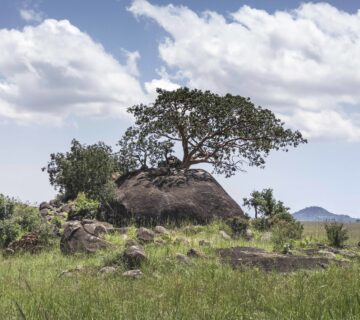
Lake Katwe is not an ordinary lake. It sits inside an explosion crater, a dramatic scar left behind by the region’s formerly active volcanic activity, and is located on the outskirts of Queen Elizabeth National Park in Kasese District, western Uganda. This unique geological setting is the key to its immense value. The lake’s waters are incredibly salty, with a salt content of approximately 13.5 percent, and beneath its surface lies a salt bed that is about 0.8 meters thick, containing an estimated over 12 million tonnes of salt. For centuries, this natural resource has been a source of life and trade for the local Bakonjo and Batoro peoples, who recognized its economic potential long before modern times. Today, Lake Katwe remains Uganda’s primary source of salt, supporting a bustling artisanal industry that has been passed down through generations.
The Traditional Methods of Salt Extraction
Salt Mining At Lake Katwe
The process of extracting salt at Lake Katwe is a fascinating blend of ancient knowledge and back-breaking labor.
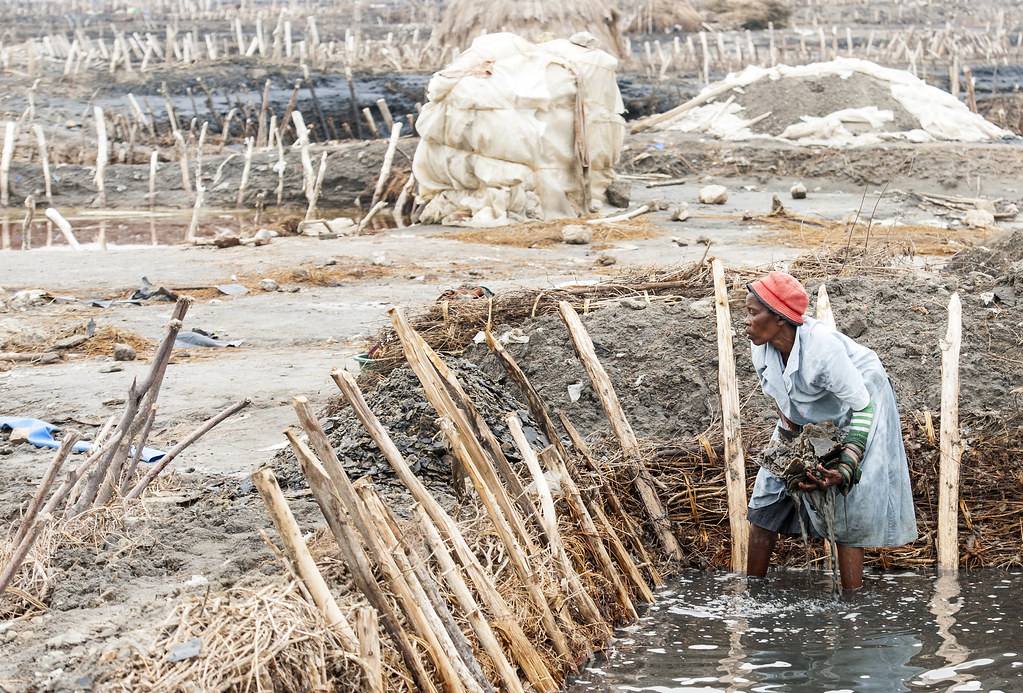
d, and branches. These branches are not just for show; they serve a vital purpose in marking the borders of each miner’s private pan. The extraction process yields three distinct grades of salt, each with its own method of production and quality.
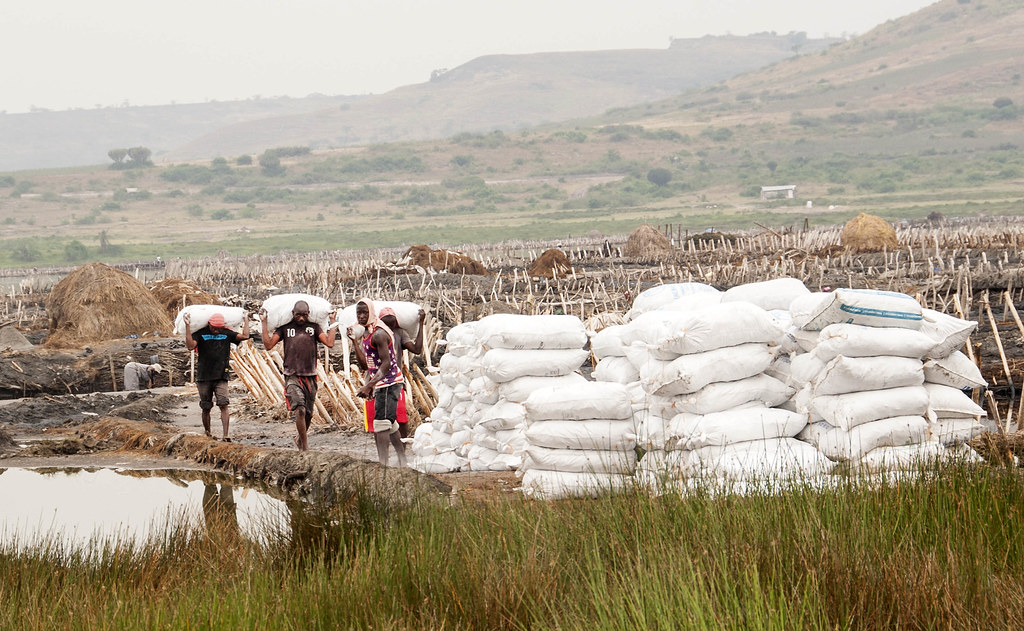
The highest quality, known as Grade One salt, is primarily used for domestic consumption. It is a nearly pure crystalline salt that forms on the lake’s surface at the end of the dry season. Miners collect this fine salt by hand, using grass hurdles placed on the shore to catch the crystals as they are blown in by the wind. Grade Two salt is produced through a more labor-intensive process. Miners dig brine from the lake and leave it to evaporate in their salt pans under the hot sun. This leaves behind crystals, which are then scraped from the bottom of the pans. This grade is often used for animal consumption. Grade Three is the most basic and involves miners wading into the lake, often standing chest-deep in the water, to prise solid rock salt deposits from the lake bed. This heavy salt is transported ashore on small rafts made from a local wood called ambatch. Once collected, the salt is simply stacked, dried in the sun, and bagged for sale, ready to be transported by bicycle or pickup truck to markets across the region.
The Human Story and Health Challenges
The salt mines of Lake Katwe are not just an industry; they are a community. An estimated 10,600 miners work here today, with women making up more than half of the workforce. Many of these pans are hereditary, owned by families for decades and passed down from one generation to the next. However, the work is grueling and comes at a high cost. Miners spend long hours standing in the salty, evaporating water, which is both exhausting and dangerous. A major concern is the lack of basic toilet facilities, leaving miners immersed in waters that are contaminated with sewage and exposing them to diseases like typhoid, cholera, and diarrhea. Furthermore, prolonged exposure to the brine has been linked to serious health problems, including inflammation of reproductive organs. Men have reported deformed genitalia, while women have spoken of high rates of miscarriage and infertility. A report even noted a pattern of women requiring hysterectomies after many years of working in the salt pans. Despite these risks and the modest earnings, which can be as low as 7,000 to 10,000 Ugandan shillings a day, the lake offers a promise of survival for thousands.
The Unforgiving Threat of Weather and Climate
The lives of the salt miners are inextricably linked to the weather, and this dependence often brings hardship. The extraction process is heavily reliant on the dry season, which provides the intense sunshine needed for evaporation and allows for easier access to the lake bed. When heavy and prolonged rains come, the industry grinds to a halt. The rains raise the water levels in the lake, sometimes by over a foot, making it dangerous for miners who must stand waist-deep in the water to work. The flooded pans can collapse, and the boundaries demarcating the pan plots are washed away. Worst of all, the precious salt, which has been painstakingly harvested and stacked in bags, dissolves back into the water, destroying a miner’s entire investment and months of labor. These weather events are not just a seasonal inconvenience; they are a recurring crisis. On occasion, rains have thrown thousands of miners out of business for months, forcing young men to seek alternative work and pushing the local town council, which relies on revenue from the mines, into financial distress. With the increasing unpredictability of climate patterns, the ancient industry faces a new and growing existential threat.
A History of Industrial Ambition and Challenges
While the artisanal methods have persisted for centuries, there have been attempts to modernize salt production at Lake Katwe. In 1980, a large industrial salt plant was built, representing a significant technological leap. The plan was to drill brine wells in the lake bed, pump the brine to a new factory on the shore, and process it using advanced machinery. The plant was designed to produce high-purity salt and potassium chloride at an industrial scale. However, the project was plagued with problems from the very beginning. The brine from Lake Katwe is highly corrosive, and the plant’s equipment suffered from chronic corrosion, leading to its abandonment after just a few months of operation without ever having worked properly. This failure highlights the immense technical challenges of managing the lake’s unique chemistry. More recently, there have been renewed conversations about industrial development, as Uganda continues to import about 90 percent of its edible salt despite having vast reserves. A feasibility study was even conducted by the African Development Bank to assess the possibility of rehabilitating the old facilities to reduce imports, showing the government’s continued interest in unlocking the lake’s full potential.
A Future at a Crossroads
Today, Lake Katwe finds itself at a critical juncture, facing a myriad of pressures that threaten its future. Over ten thousand miners now work the lake, a figure that some experts believe has surpassed its sustainable capacity. The sheer number of people scraping its bed and digging its shores is putting immense strain on the resource. Compounding this is the environmental degradation occurring on the slopes surrounding the crater. Farmers have established gardens on the steep hillsides, destroying the vegetation that once stabilized the soil. When it rains, the runoff flows directly into the lake, carrying silt and causing it to flood. An environmentalist from the region has warned that if these activities continue unchecked, the lake could disappear entirely within the next thirty years. The ancient industry, which has sustained communities and defined a culture, now needs careful management to ensure it continues to exist. The challenges it faces today are a powerful reminder that even the most enduring traditions must adapt or risk being lost forever.