Nyero Rock Paintings: Eastern Uganda’s Ancient Ochre Circles
Introduction to a Hidden Heritage
Deep in the eastern part of Uganda, hidden among rugged granite outcrops, lies one of the country’s most fascinating yet lesser-known cultural treasures. The Nyero Rock Paintings are a collection of ancient artistic expressions that offer a rare glimpse into the lives and beliefs of people who inhabited this region thousands of years ago. Located in Kumi District, about 250 kilometers from Kampala, these paintings are among the most significant rock art sites in Uganda and stand as a testament to the rich cultural heritage that exists beyond the country’s more famous wildlife attractions. The site consists of three main rock shelters, each adorned with striking ochre drawings that continue to captivate visitors and researchers alike. These paintings, executed in deep red and white pigments, feature geometric patterns, concentric circles, and mysterious shapes that have sparked numerous theories about their meaning and purpose. Despite their age and cultural importance, the Nyero Rock Paintings remain relatively unknown to many Ugandans and international tourists, making them a hidden gem waiting to be discovered and appreciated by a wider audience.
The Geographical Setting of Nye
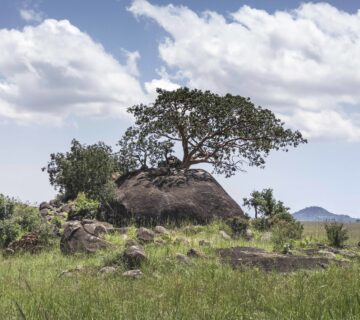
The Nyero rock art site is situated in a region characterized by dramatic granite rock formations that rise abruptly from the surrounding flat plains. These massive boulders, weathered over millennia by wind and rain, have created natural shelters and overhangs that provided ideal surfaces for ancient artists to work on. The site is strategically positioned on a hill, offering commanding views of the surrounding landscape, which was likely an important factor in its selection by early inhabitants. The rock shelters face different directions, with the main shelter, known as Nyero 1, being the largest and most impressive. The location sits within the territory of the Iteso people, who have long considered the area sacred and associate it with their ancestral spirits. The rocks themselves are composed of granite, which has weathered over time to create smooth, slightly rough surfaces that were perfect for applying ochre paint. The natural setting adds to the mystical atmosphere of the place, with the enormous boulders creating quiet, sheltered spaces that feel removed from the modern world. Visitors to the site must climb a gentle slope to reach the main painting area, and the effort is rewarded with not only the ancient art but also spectacular views of the countryside stretching toward Lake Kyoga in the distance.
The Discovery and Documentation
The Nyero Rock Paintings first came to the attention of the wider world relatively recently, in the early twentieth century, when European explorers and colonial administrators began documenting the region’s cultural heritage. However, it was not until the 1920s that the paintings received serious scholarly attention, when a district commissioner named E.J. Wayland recorded them and brought them to the notice of archaeologists and anthropologists. His reports sparked interest among researchers, who recognized the importance of these ancient images. In the decades that followed, various scholars visited Nyero to study and document the paintings, trying to understand their origins and meanings. The site was officially gazetted as a national monument in 1962, the year Uganda gained independence, marking a significant step toward its protection and preservation. Despite this official recognition, the site has not always received the attention or resources it deserves, and much of the conservation effort has been undertaken by local communities and a few dedicated individuals who recognize the cultural value of the paintings. The documentation of the site has included detailed photographic records, tracings of the paintings, and studies of the pigments and techniques used by the ancient artists, all of which have contributed to our understanding of this remarkable heritage.
The Paintings: Styles, Colors, and Techniques
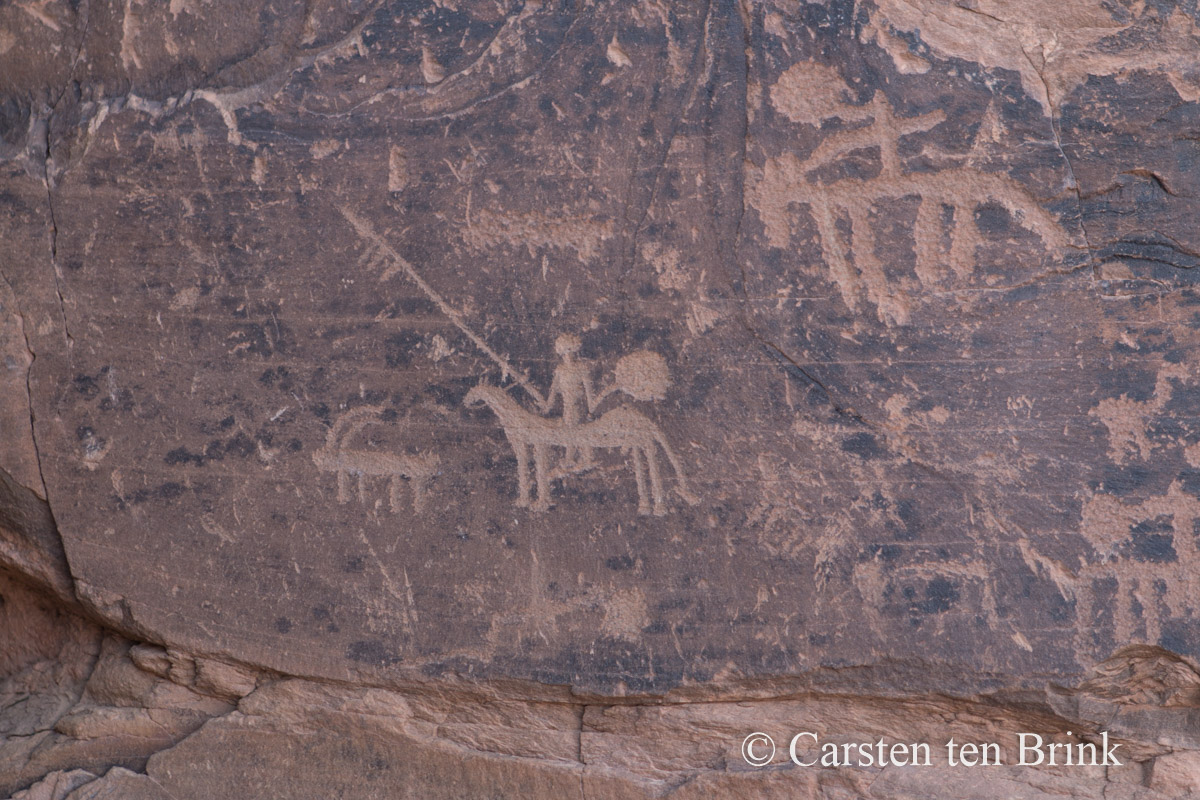
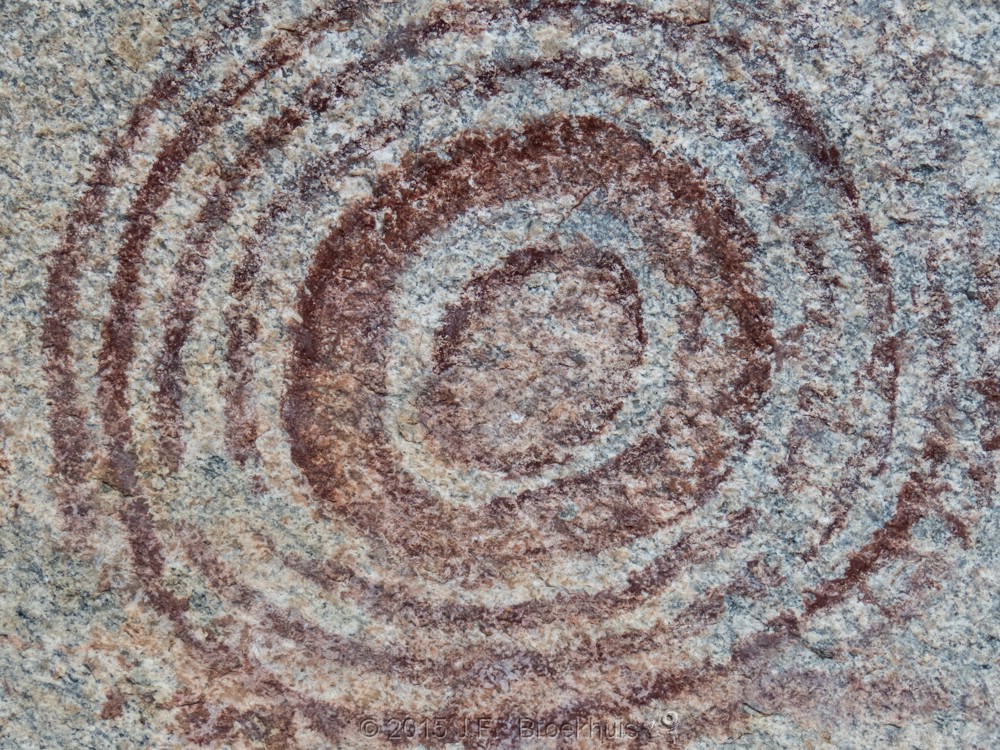
The Nyero rock art is immediately striking for its bold use of color and distinctive geometric designs. The artists primarily used two colors: a deep red ochre and a chalky white pigment. The red ochre, which dominates the paintings, was likely made from iron-rich clay found in the region, ground into powder and mixed with some binding agent such as animal fat, plant sap, or even blood. The white pigment was probably derived from kaolin clay or other light-colored earths found nearby. These natural materials were then applied to the rock surfaces using fingers, twigs, or simple brushes made from animal hair or plant fibers. The paintings are characterized by their abstract and geometric nature, with very few representational images of people or animals. The most common motifs are concentric circles, often accompanied by radiating lines that look like rays of the sun. Other patterns include spirals, connected circles, wavy lines, and various other geometric shapes. Some designs resemble celestial bodies, while others suggest maps or schematic representations of the landscape. The paintings are executed in a style that shows considerable skill and planning, with precise lines and carefully composed arrangements. One of the most distinctive features of the Nyero paintings is the use of multiple concentric circles, some with small dots or dashes between them, creating intricate patterns that repeat across the different rock shelters. The sheer number of these circular motifs suggests they held particular importance in the belief system or daily life of the people who created them.
The Mysterious Artists and Their World
One of the most intriguing questions about the Nyero Rock Paintings is who created them and when. Scholars generally agree that the paintings were made by hunter-gatherer communities who inhabited the region before the arrival of Bantu-speaking peoples and later Nilotic groups. The painting tradition at Nyero is believed to stretch back over a thousand years, with some estimates suggesting the oldest paintings may be up to 2,000 years old. However, determining precise dates has been challenging because the ochre pigments contain no organic material suitable for carbon dating. The artists were likely ancestors of the current inhabitants of the region, or perhaps a people entirely distinct from today’s populations who moved through the area over the centuries. These early people lived as hunters, fishers, and gatherers, dependent on the natural resources of the savannah and wetland areas around Lake Kyoga. They left behind no permanent settlements, but the rock shelters at Nyero were likely used for special purposes, perhaps as ritual sites, meeting places, or places for transmitting knowledge and stories. The choice of location, high above the surrounding plains, suggests these were significant places, perhaps associated with the spirit world or important cosmological beliefs. The abstract nature of the art suggests that the paintings were not meant to be straightforward depictions of everyday life but rather symbolic representations with deeper spiritual or social meanings.
The Meaning Behind the Circles
The abundance of concentric circles at Nyero has inspired many interpretations, making it the subject of ongoing debate among researchers. One widely accepted theory is that the circles represent the sun, an important force in the lives of agricultural and hunter-gatherer communities who depended on its cycles for survival. The radiating lines often accompanying the circles could represent the sun’s rays, suggesting a form of solar worship or reverence for celestial bodies. Some scholars have proposed that the circles might be maps, representing settlements, territories, or important landmarks in the landscape, with concentric rings denoting expanding zones of influence or journey routes. Others have interpreted the circles as cosmological diagrams, depicting the layers of the universe, the cycles of life and death, or the journey of the soul. The connection between circles and water is another possibility, with the patterns symbolizing the ripples created by rain or the waves on Lake Kyoga, a vital resource for the ancient communities. The repetition of similar designs across the three shelters indicates a shared symbolic vocabulary, suggesting that these images were part of a formalized system of communication or ritual practice. Some local traditions associate the paintings with fertility, rain-making ceremonies, or healing rituals, which would explain their placement in secluded and perhaps sacred rock shelters. The mystery surrounding their meaning only adds to their allure, inviting each visitor to contemplate the worldview of the people who created them.
The Arrangement of the Three Shelters
The Nyero site consists of three main rock shelters, each with its own distinct collection of paintings, and exploring them is like walking through an ancient art gallery. The first shelter, Nyero 1, is the largest and most impressive, with paintings covering a broad area of the rock face. This shelter features the most elaborate compositions, including a remarkable series of concentric circles that draw the eye immediately upon entering. The paintings here are well-preserved, protected from the elements by the deep overhang of the rock. Nyero 2 is smaller, reached by a short climb, and contains a different arrangement of motifs, including some unique designs not seen in the other shelters. The paintings here are more exposed to the weather and show signs of fading and erosion, reminding visitors of the fragility of this heritage. Nyero 3 is the most accessible of the three shelters, located at a lower elevation and featuring its own distinctive set of geometric patterns. The three shelters are located within a short distance of each other, suggesting they were used together as a complex, perhaps for different purposes or by different groups at different times. The arrangement of the shelters around the hilltop creates a sense of sacred space, and the views from each shelter reinforce the sense of being in a special place, set apart from the ordinary world. The shelters’ positions also mean they receive different amounts of sunlight and shade, which may have been an important consideration in their use for ceremonies or gatherings.
The Role of the Iteso People and Local Traditions
For generations, the Nyero Rock Paintings have been part of the cultural landscape of the Iteso people, who are the main ethnic group in the Kumi region. The Iteso have their own traditions and beliefs about the paintings, interpreting them through their cultural lens and integrating them into their spiritual life. According to some local elders, the paintings were made by gods, spirits, or people of great power who lived in ancient times. The sites are considered sacred, and certain taboos are associated with them, such as restrictions on removing stones or disturbing the paintings. Some traditions connect the paintings to rain-making ceremonies, with the concentric circles believed to have the power to summon rain when certain rituals are performed. In the past, it is said that the sites were used as places where people came to seek help from spirits or ancestors, who were believed to dwell in the rocks. These traditions have helped to protect the paintings, as the local people’s reverence for the site has meant they are generally treated with respect, and the cultural association has kept the memory of the paintings alive across generations. However, as traditional beliefs have weakened over time with the influence of modern religions and changing lifestyles, some of the local knowledge about the paintings has been lost. Today, community elders are working alongside heritage organizations to preserve not only the physical paintings but also the oral traditions and cultural practices associated with them, recognizing that both are vital parts of the site’s significance.
The Cultural Significance of Nyero Rock Paintings
The Nyero Rock Paintings are an invaluable part of Uganda’s cultural heritage, offering a rare window into the distant past and the lives of the region’s early inhabitants. They represent one of the few sources of information about the beliefs, artistic practices, and symbolic thinking of pre-colonial societies in this part of Africa. Unlike archaeological sites that yield only physical remains, rock paintings provide direct evidence of the intellectual and creative life of ancient peoples, revealing their capacity for abstract thought and symbolic expression. The abstract nature of the art challenges modern viewers to think about the ways in which people understand and represent their world, moving beyond realistic depictions to explore deeper meanings and cosmological ideas. The paintings also connect Uganda to broader traditions of rock art found across Africa, from the Sahara to southern Africa, demonstrating the continent’s rich and varied artistic heritage. For the modern Ugandan nation, the paintings are a source of pride and identity, representing a cultural depth that extends far beyond the colonial period or recent history. They remind us that Uganda has always been a place of creativity, cultural exchange, and sophisticated spiritual life. The site also has enormous potential as an educational resource, offering students and researchers a tangible connection to the past that books and museums cannot replicate. The paintings are a silent but powerful testament to the human story in Uganda, and their preservation is a responsibility that falls on all who value the nation’s cultural legacy.
Challenges in Conservation and Protection
Despite their importance, the Nyero Rock Paintings face numerous threats that put their long-term survival at risk. The most pressing issue is the natural deterioration of the paintings due to weather exposure, with wind and rain slowly eroding the pigments and causing them to fade. The hard granite rock, while durable, is also subject to weathering, and flakes of stone occasionally break off, taking sections of the paintings with them. Lichens and other organic growths are spreading across the rock faces, covering some of the paintings and further accelerating their degradation. Human activity also poses significant risks, as visitors sometimes touch the paintings, which is extremely damaging as body oils and dirt accumulate on the surface. In the past, there have been instances of vandalism, with people carving their names into the rock or attempting to take pieces of stone as souvenirs, causing permanent damage to the ancient art. Another challenge is the lack of adequate funding and resources for conservation work. As a relatively lesser-known site compared to Uganda’s national parks and gorilla tracking destinations, Nyero has not received the same level of attention or investment. The Uganda Museum, which is responsible for the site’s management, has limited resources, and much of the conservation work has been done through small-scale initiatives and community efforts. The site could benefit from better visitor management, including proper pathways, viewing platforms, and interpretive materials that would help protect the paintings while allowing visitors to appreciate them. Without sustained conservation efforts, there is a real risk that these ancient treasures could be lost forever, their secrets fading away with them.
The Role of Tourism and Awareness
Tourism presents both an opportunity and a challenge for the Nyero Rock Paintings. On the one hand, increased visitor numbers could bring much-needed revenue for conservation and provide economic benefits to the local community. It would also raise awareness of the site’s importance and help build a constituency of people who value and advocate for its protection. The paintings are located relatively close to other tourist destinations, such as the Kidepo Valley National Park and the various sites around Lake Kyoga, making them a potential stop on a wider cultural and wildlife circuit. However, tourism also brings risks, including the potential for damage from careless or uninformed visitors, and the need for careful management and interpretation. The site is currently underdeveloped for tourism, with minimal facilities and limited interpretive materials. Visitors who find their way to Nyero often rely on local guides who share their knowledge, often based on oral traditions, to explain the meaning of the paintings. This informal system works to some extent, but it could be enhanced by better signage, brochures, and training for guides to ensure that visitors receive accurate and engaging information. The potential for cultural tourism to empower the local community is significant, as it could create jobs and foster a sense of pride in the site. However, any development must be carefully planned to ensure that it does not compromise the integrity of the paintings. Balancing the need for access and interpretation with the imperative to protect the fragile rock art is a challenge that requires thoughtful planning and the involvement of all stakeholders, including the local community, heritage authorities, and the tourism sector.
Nyero in the National and Global Context
The Nyero Rock Paintings are part of a much broader network of rock art sites found across Africa, and their significance extends far beyond Uganda. Throughout the continent, from the famous Saharan frescoes to the San rock art of southern Africa, ancient peoples expressed their beliefs, recorded their experiences, and communicated through these powerful images. Nyero shares characteristics with other East African rock art sites, such as those found in Tanzania and Kenya, suggesting a wider cultural tradition in the region. Recognizing this interconnectedness highlights the importance of studying Nyero not in isolation but as part of the rich tapestry of African heritage. On the national level, Nyero stands alongside other important sites such as the Bigo bya Mugenyi earthworks in the south and the various archaeological sites around Lake Victoria. The site is a potent symbol of Uganda’s deep history and cultural diversity, and it contributes to a more complete understanding of the country’s past. While Uganda is famous internationally for its wildlife and natural beauty, the Nyero paintings remind us that the country’s human heritage is equally compelling. There is potential for the site to be submitted for consideration as a UNESCO World Heritage Site, which would bring international recognition, expertise, and funding for conservation. Such a process would require significant documentation and management planning, but it would also elevate the site’s profile and ensure its preservation for future generations. Regardless of its official status, Nyero is a treasure that belongs not just to Uganda but to all humanity.
The Spiritual Dimension of the Site
For many people, the Nyero Rock Paintings are more than just ancient art; they represent a place of profound spiritual significance. The shelters’ secluded nature and the abstract quality of the paintings create an atmosphere that encourages contemplation and a sense of connection to something beyond the ordinary. The fact that the paintings are located in natural shelters formed by massive granite boulders adds to their aura, as these places feel set apart from the everyday world. Many visitors, whether religious or not, report a sense of peace and mystery when standing before the ancient images, and the site has a quiet power that is hard to describe. For those who follow traditional spiritual practices, the site may still be a place of prayer or meditation, and there is a belief among some locals that spirits protect the rocks and the paintings. The abstract nature of the art invites personal interpretation, allowing each individual to find their own meaning in the circles and lines. In a world that is increasingly busy and noisy, Nyero offers a rare space for quiet reflection and a direct encounter with the spiritual life of our ancestors. The paintings are not mere decorations; they are evidence of a human quest for meaning, a desire to understand the universe and humanity’s place within it. This spiritual dimension adds another layer of importance to the site, reminding us that heritage is not just about physical objects but about the intangible values and beliefs that make us human.
The Need for Community Engagement
The long-term survival of the Nyero Rock Paintings depends heavily on the involvement and support of the local community. For generations, the Iteso people have been the custodians of this heritage, and their participation is essential for its effective management. Community engagement means involving local residents in decisions about the site, ensuring they benefit from any tourism developments, and drawing on their knowledge and traditions to enrich the interpretation of the paintings. It also involves education and awareness-raising so that people understand the importance of the site and the need to protect it. When communities feel ownership and pride in their heritage, they are more likely to act as guardians, reporting incidents of vandalism or contributing to conservation efforts. The Uganda Wildlife Authority and other heritage bodies have recognized this, and there have been efforts to promote community-based approaches to heritage management. However, more can be done, particularly in providing economic benefits from the site, such as through employment as guides or the sale of local crafts. Schools in the area could also be involved, making the site a focus for educational programs that teach students about their history and culture. Ultimately, the Nyero paintings belong to the people of Kumi and the wider Ugandan nation, and their future will be determined by the value placed on them by these communities. Building a strong conservation culture at the local level is the most sustainable way to ensure that the paintings remain for future generations.
Preserving the Legacy
The Nyero Rock Paintings are a priceless cultural treasure that deserves to be known and appreciated by Ugandans and the world. These ancient ochre circles offer a fascinating window into the distant past, revealing the artistic skill, symbolic thinking, and spiritual life of people who lived in eastern Uganda thousands of years ago. The challenges they face, from natural erosion to human neglect, are serious, but they are not insurmountable. With proper conservation, thoughtful management, and the engagement of local communities, Nyero can survive and continue to inspire awe and wonder in all who visit. The site has the potential to become a significant cultural tourism destination, contributing to Uganda’s diverse tourist offerings and bringing economic benefits to the region. More importantly, it can serve as a source of pride and identity, a reminder that Uganda’s heritage is rich, deep, and multifaceted. As we look at those mysterious circles, we are reminded that despite the immense changes that have occurred over the centuries, human creativity and the search for meaning remain constant. The people of Nyero, whoever they were, left us a gift in these paintings, and we have a responsibility to honor that gift by protecting and preserving it for the future.