
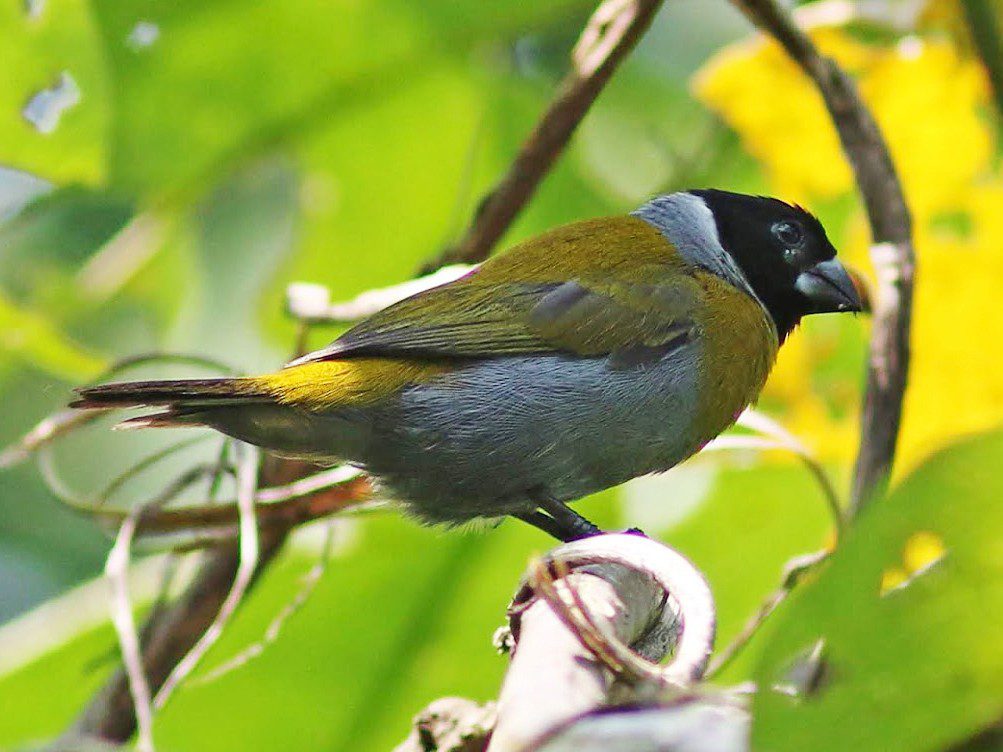
Rewilding Rwanda: How Akageras Comeback Benefits Birds
In Rwanda one of Africas exciting conservation stories is happening in a place where animals are coming back the land is healing and birds are getting new chances to do well. Akagera National Park, which once had a lot of problems like losing land being hunted and losing some animals has made a big change. Now the open grasslands, areas, forests, lakes and rivers are home to more and more kinds of animals.
The return of animals to Akagera is important for more than the big animals. Birds are one of the winners in a better environment. As the land gets better and nature works smoothly birds get places to eat places to build nests places to have babies and safe spots to grow up. The story of Rewilding Rwanda: How Akageras Comeback Benefits Birds shows how making one area better can help many different kinds of animals.
Akageras Big Trip Back to Good Health
Akagera has changed a lot since it became a park in 1934. Over the years people living nearby farming, hunting and damage to the land put a lot of stress on the animals. A lot of the park was. Many animals got fewer and fewer. The balance of life that once supported lots of animals became weaker.
A big change started with long-term work by the Rwanda Development Board and African Parks. These groups worked on making the park making sure the rules were followed, working with people near the park fixing the land and bringing back animals that had left. Bringing back lions in 2015 and rhinos in 2017 were big steps in Akageras recovery.
These changes helped bring the natural ways that the park used to work. Big animals eat plants. Shape the land. Predators help control the numbers of animals. Wetlands give water and homes. Forests and grasslands offer food choices. Every part of the system affects another. Birds notice these changes in clear ways.
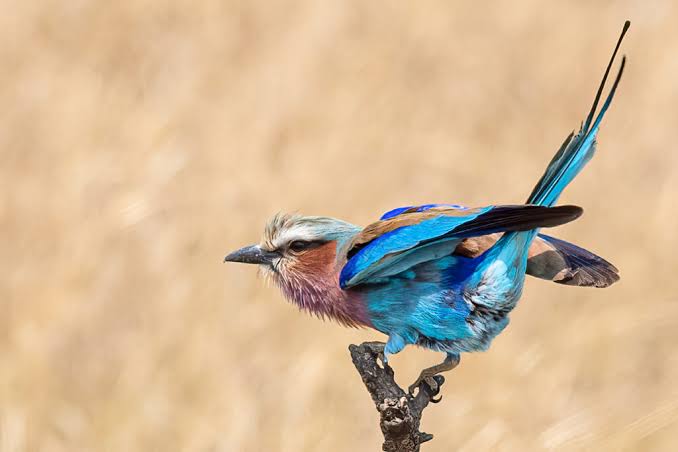
Fixing More Than Animals
Rewilding is often thought of as bringing animals back to a place but real success means more than that. A strong park needs places to live, good protection, water that works well and good relationships with the people who live nearby.
Akageras wetlands are very important. The park has a set of lakes and big areas of papyrus that give homes to waterbirds and other animals. Birds like fish eagles, African jacanas, herons, egrets, kingfishers, storks and ibises depend on these water areas for food and shelter.
When the wetlands stay healthy they help insects, fish, frogs and other small creatures that many birds eat. Keeping the wetlands safe helps more, than the plants you can see. It protects a chain of life.
How Rewilding Supports Rwandas Birds
I think the good things about fixing nature become very clear when you watch how birds use parts of the land. A fish eagle sitting by a lake needs water to survive. A bird that eats from the ground needs grasslands. A bird that lives in the woods needs trees, bushes, bugs, fruit or seeds. A bird of prey needs plenty of animals to eat.
We can understand Rewilding Rwanda: How Akageras Comeback Benefits Birds by looking at these connections. When habitats get healthier birds find food and places to live. When different types of land sit close together many different kinds of birds can live in the big area.
When large animals like herbivores come back they change how plants grow. Grazing stops some grasslands from getting too thick and eating leaves helps shape how bushes and woods grow. These changes make the plants grow at heights. This variety is great because different bird species like kinds of places.
Birds that eat on the ground like spaces. Birds that eat bugs might like the edges of bushes and woods. Waterbirds need water, mud, reeds and papyrus. Birds of prey need lots of prey and tall trees or high spots to hunt from.
Wetlands Are Essential Bird Refuges
The lakes in Akagera are some of the places for birds. Lake Ihema is one of the famous lakes in the park and it has many water birds. The wetlands around the lake give birds places to eat and build nests. They also keep the whole area healthy.
The Shoebill is one of the special wetland birds in Rwanda but you have to be very patient to see one. Seeing a Shoebill shows how important it is to protect wetland areas. Papyrus swamps and quiet water paths give shelter to birds that cannot live if the wetlands are dried up or changed much.
Other wetland birds make the waters of Akagera feel alive. African jacanas walk on floating plants herons look for food in water and kingfishers fly along the edges of lakes and rivers. Storks and ibises look for food in spots where they can find a meal.
Protecting these places also helps people. Wetlands hold water stop soil from washing help fish grow and help local people make a living. This means conservation helps more than the animals.
A Landscape Where Birds Can Return
One of the parts of the recovery in Akagera is how conservation makes room for birds to move in on their own. It is easier for birds to move around when habitats are connected and safe. Birds that fly distances can also use wetlands and grasslands to eat and rest.
Rewilding Rwanda: How Akageras Comeback Benefits Birds is very important when birds move during seasons. A bird that arrives in Rwanda after flying thousands of kilometres needs a home when it gets here. If wetlands are gone or grasslands are ruined it is much harder for birds to migrate.
Akagera gives a place where birds can live all year long. Because it has savannas, woods, lakes, wetlands and rivers birds can find different types of homes in one single park.
The birds in the park also show why we should protect ecosystems instead of just one type of animal. To protect one bird you must also look after the plants, bugs, fish, mammals, water and the land that the bird needs.
Communities Are Part of the Conservation Story
Conservation cannot work for a time if the people living nearby are not included. The recovery of Akagera has involved than just work inside the park. Working with communities giving jobs making money from tourism, teaching and helping areas has helped build a better bond between conservation and the people living around the park.
Tourism helps a lot. People who visit to see wildlife help an economy where a healthy park’s worth something. Birdwatching is a part of this because visitors might stay for many days to see wetlands, forests, lakes and savannas. While they do this they support guides, hotels, drivers and other local shops.
Local guides are also very important for explaining the land. Their knowledge can turn a bird sighting into a lesson about how birds live and why we protect them. As more people want to see wildlife in a way bird tourism can give people even more reasons to protect the natural beauty of Rwanda.
The Future of Akageras Birdlife
The recovery of Akagera is a sign but we must keep working hard. Protected areas face problems from climate change changes to the land outside the park new species that do not belong illegal acts and people needing natural resources. Birds can be very sensitive to these changes because they need food and specific homes.
We must keep watching the birds. Counting bird populations helps experts see which birds are growing in number and which are disappearing. It also shows which habitats need help. Bird surveys can show changes in nature that we might not notice in any way.
Rewilding Rwanda: How Akageras Comeback Benefits Birds is really a story, about being patient and never giving up. Nature does not fix itself overnight. Trees take years to grow big animals need time to grow their numbers and we must keep protecting the land for a long time. Still Akagera shows us what happens when we use protection, restoration, community help and good tourism to reach the goal.
Every Bird Tells Part of the Story
A morning in Akagera can show the progress of conservation in strong ways. The call of a kingfisher near a lake the flight of a fish eagle over water or the movement of a stork across a wetland may seem like normal moments. Each one however shows a habitat that is working and able to support life.
Birds are signs of environmental change because they react quickly to changes in food, plants, water and the quality of the place they live. When many kinds of birds do well it means that different parts of the environment are working together.
The conservation story becomes more hopeful when you think about where Akagera started. A place that had losses of wildlife has turned into a place where important animals can live again. Its recovery proves that damage to nature does not always last if people work to bring it back.
A Hopeful Future for Rwandas Birds
Akageras recovery gives a message for conservation in Africa. Protecting wildlife is not about putting a border around a park. It is, about bringing back places where animals can live taking care of the environment helping people who live nearby and making sure that future generations learn to care about nature.
For Rwanda the park is a part of the countrys natural history. For birds it gives wetlands, woods, grassy areas, lakes and places to find food that can support life all year round. For visitors it gives a chance to see a conservation story that is still happening.
Rewilding Rwanda: How Akageras Comeback Benefits Birds reminds us that fixing nature can give chances for it to get better. Every wetland that is protected every place that is made better and every animal that is given a chance to come back makes the future of Rwandas wildlife stronger.
The exciting part of Akageras story is that the recovery is still happening. The birds that are flying over the lakes and grasslands are part of that journey. Their presence shows what can happen when areas that are hurt get protection, time and care. By helping conservation and wildlife tourism you can help make sure that Rwandas growing environment stays a place where birds and other animals can live and grow for many years to come.

No comment