
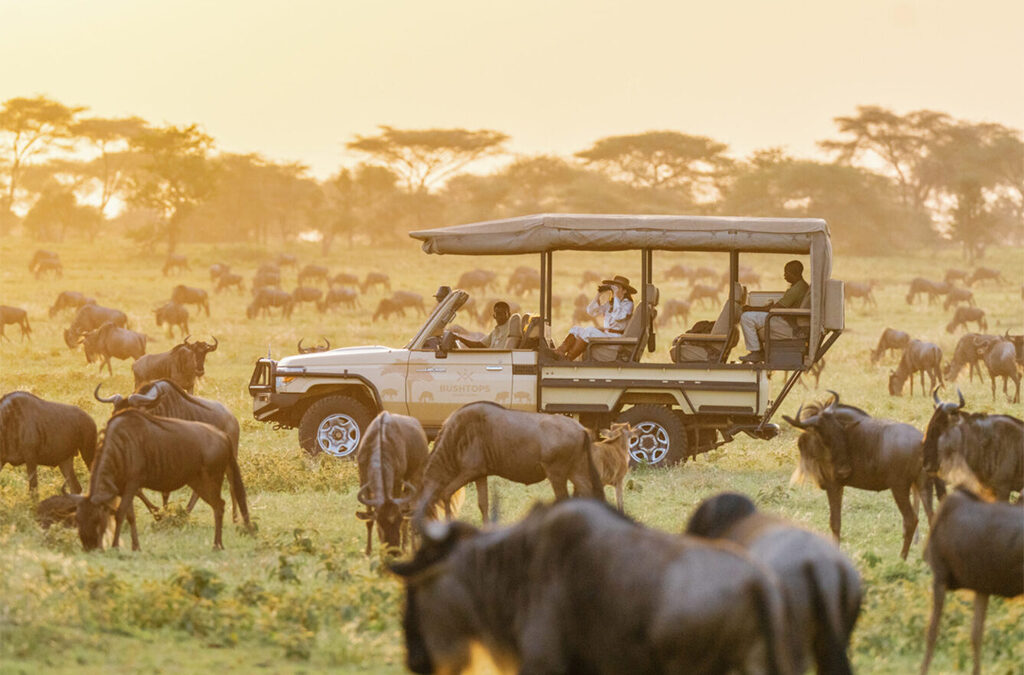
Planning a Safari Around 10 Working Days of Leave
Planning a safari around 10 working days of leave is an excellent way to enjoy an African wildlife holiday without taking too much time away from work. With careful scheduling, travellers can combine two working weeks of annual leave with weekends to create a holiday lasting approximately 16 consecutive days.
This provides enough time to explore several national parks, enjoy unforgettable wildlife encounters and include relaxing experiences without rushing between destinations.
East Africa is particularly suitable for this type of holiday. Uganda offers gorilla trekking and chimpanzee tracking, Kenya is famous for the Maasai Mara and Amboseli, while Tanzania provides outstanding wildlife experiences in the Serengeti and Ngorongoro Crater. Rwanda offers mountain gorilla trekking, scenic lakes and cultural attractions.
However, organising a safari within limited annual leave requires realistic travel arrangements, suitable flights and carefully selected destinations.
This guide explains how to maximise ten working days of leave, choose appropriate safari destinations and create an enjoyable itinerary.
How Many Holiday Days Can You Get From 10 Working Days?
For employees following a Monday-to-Friday working schedule, ten working days usually represent two weeks of annual leave.
By including weekends before, between and after those working weeks, travellers can potentially enjoy 16 consecutive days away.
This arrangement assumes Saturday and Sunday are your normal days off. Public holidays may create additional opportunities, depending on your employer and country of residence.
Why Ten Working Days Are Enough for a Safari
A well-planned safari does not require a month away from work.
Many popular wildlife destinations can be explored within seven to twelve days.
Additional time can be used for international travel, relaxation or visiting a second destination.
Recommended Safari Durations
| Safari experience | Suggested duration |
|---|---|
| Uganda gorilla trekking | 4–6 days |
| Uganda wildlife and primates | 8–12 days |
| Kenya classic wildlife safari | 6–9 days |
| Tanzania northern safari circuit | 7–10 days |
| Rwanda gorillas and wildlife | 5–8 days |
| Kenya and Tanzania combination | 12–15 days |
Travellers should avoid including too many national parks simply because they have sixteen calendar days available.
Choose Your Safari Destination First
The most important planning decision is selecting a destination that matches your wildlife interests.
Different countries offer different experiences.
East African Safari Comparison
| Country | Main attractions | Suitable for |
|---|---|---|
| Uganda | Gorillas, chimpanzees and savannah wildlife | Primate enthusiasts |
| Kenya | Maasai Mara, Amboseli and Lake Nakuru | Big Five photography |
| Tanzania | Serengeti, Ngorongoro and Tarangire | Extensive wildlife safaris |
| Rwanda | Volcanoes, Nyungwe and Akagera | Shorter wildlife combinations |
Choosing one country generally reduces travel complications.
However, two nearby destinations can be combined when transport connections are practical.
Uganda: A 12-Day Wildlife and Gorilla Safari
Uganda is an attractive option for travellers who want different wildlife experiences within one holiday.
A twelve-day itinerary can include rainforest primates, game drives and scenic lakes.
Suggested Uganda Safari Itinerary
| Day | Activity |
|---|---|
| 1 | Arrive at Entebbe |
| 2 | Travel towards Murchison Falls |
| 3 | Game drive and Nile boat safari |
| 4 | Travel towards Kibale |
| 5 | Chimpanzee tracking |
| 6 | Continue to Queen Elizabeth |
| 7 | Game drive and Kazinga Channel |
| 8 | Travel to Bwindi |
| 9 | Gorilla trekking |
| 10 | Relax near Lake Bunyonyi |
| 11 | Return towards Entebbe |
| 12 | Departure |
Additional days can provide recovery time and flexibility.
Kenya: A Ten-Day Classic Wildlife Safari
Kenya offers excellent wildlife opportunities in famous national parks and reserves.
A ten-day itinerary can combine several landscapes without requiring excessive domestic flights.
Suggested Kenya Safari
| Day | Destination |
|---|---|
| 1 | Nairobi arrival |
| 2–4 | Maasai Mara |
| 5 | Lake Nakuru |
| 6–8 | Amboseli |
| 9 | Return to Nairobi |
| 10 | Departure |
Travellers may use the remaining holiday days for relaxation or coastal experiences.
Tanzania: A Ten-Day Northern Circuit Safari
Tanzania provides some of Africa’s most impressive wilderness scenery.
The northern safari circuit is particularly suitable for travellers seeking exceptional game drives.
Suggested Tanzania Itinerary
| Day | Destination |
|---|---|
| 1 | Arrive near Arusha |
| 2 | Tarangire National Park |
| 3 | Lake Manyara area |
| 4–6 | Serengeti National Park |
| 7 | Ngorongoro highlands |
| 8 | Ngorongoro Crater |
| 9 | Return towards Arusha |
| 10 | Departure |
Travellers with more time may add Zanzibar for beach relaxation.
Rwanda: A Shorter Safari With More Flexibility
Rwanda offers opportunities to explore different attractions within relatively manageable travel distances.
A seven-day itinerary can combine primates, scenery and savannah wildlife.
Suggested Rwanda Itinerary
| Day | Activity |
|---|---|
| 1 | Kigali arrival |
| 2 | Travel to Volcanoes National Park |
| 3 | Gorilla trekking |
| 4 | Golden monkey experience |
| 5 | Lake Kivu |
| 6 | Return to Kigali |
| 7 | Departure |
Additional days can be dedicated to Akagera or Nyungwe, but both require realistic travel planning.
Account for International Flight Time
Long-distance flights can consume a significant portion of your available holiday.
Travellers departing from Europe, North America or Asia should allow sufficient time for connections and arrival arrangements.
Flight Planning Considerations
| Departure region | Planning recommendation |
|---|---|
| Europe | Allow for overnight or connecting flights |
| North America | Consider longer travel and connections |
| Asia | Compare international transit hubs |
| Middle East | Look for direct regional services |
| Southern Africa | Compare regional airline routes |
Do not assume that the day you depart from home will also be your first full safari day.
Allow Time to Recover From Travel
International flights can involve long journeys, time-zone changes and disrupted sleep.
Beginning a demanding gorilla trek immediately after arrival may reduce enjoyment.
Consider spending the first night near your arrival airport.
This allows time to recover, meet your guide and prepare for the safari.
For physically demanding activities, include a rest period where possible.
Should You Visit One Country or Two?
A single-country safari is often more convenient when annual leave is limited.
Two-country itineraries can work when destinations are geographically close or connected by suitable flights.
Country Combination Comparison
| Combination | Main benefit |
|---|---|
| Uganda and Rwanda | Gorillas and scenic landscapes |
| Kenya and Tanzania | Maasai Mara and Serengeti |
| Rwanda and Tanzania | Primates and classic wildlife |
| Kenya and Uganda | Savannah wildlife and gorillas |
International border crossings require additional planning, and some combinations involve lengthy transfers.
How to Maximise Weekends
Weekends can provide valuable additional travel time.
For example, departing on a Saturday and returning on the second following Sunday creates a sixteen-day holiday using ten working days of leave.
Practical Leave Planning
| Day range | Recommended use |
|---|---|
| 1–2 | International travel |
| 3–6 | First safari destination |
| 7–10 | Additional wildlife experiences |
| 11–13 | Final destination |
| 14 | Relaxation |
| 15 | Return travel |
| 16 | Recovery before work |
This schedule provides some flexibility rather than filling every day with demanding activities.
Understand Safari Travel Costs
The cost of a sixteen-day holiday depends on destination, accommodation, season and safari style.
Main Safari Expenses
| Expense | Budget consideration |
|---|---|
| International flights | Return airfare |
| Accommodation | Hotels and safari lodges |
| National park fees | Conservation charges |
| Safari vehicle | Transport and fuel |
| Professional guide | Wildlife expertise |
| Specialist permits | Gorilla or chimpanzee activities |
| Domestic flights | Optional time savings |
| Insurance | Medical and travel protection |
Request a complete quotation before committing to a booking.
Best Time to Take Annual Leave for a Safari
The most suitable travel period depends on your chosen wildlife activities.
General Safari Seasons
| Country | Popular travel periods |
|---|---|
| Uganda | June–September, December–February |
| Kenya | July–October, January–March |
| Tanzania | June–October, selected migration periods |
| Rwanda | June–September, December–February |
Rainy-season travel may offer quieter parks and more competitive accommodation prices.
However, some roads and walking trails become more challenging.
Avoid Overloading Your Itinerary
One of the biggest safari planning mistakes is attempting to visit too many destinations.
Long road transfers can create fatigue.
A rushed itinerary also reduces time available for wildlife photography and relaxation.
Choose fewer parks and spend enough time exploring them properly.
Two or three nights in an important wildlife destination often provide a more rewarding experience than a brief visit.
Book Important Permits Early
Some safari activities have limited daily availability.
Mountain gorilla trekking in Uganda and Rwanda requires advance permits.
Chimpanzee tracking and selected specialist experiences may also require reservations.
Confirm permit availability before buying non-refundable flights.
For popular holiday periods, early planning is particularly important.
Should You Book a Private or Group Safari?
Private tours provide flexibility around arrival dates and limited holiday schedules.
Group safaris can reduce costs by sharing transport and guiding services.
Safari Style Comparison
| Feature | Private safari | Group safari |
|---|---|---|
| Departure dates | Flexible | Fixed |
| Cost | Often higher | Often lower |
| Itinerary | Customisable | Predetermined |
| Transport | Private vehicle | Shared vehicle |
| Best for | Families and couples | Solo travellers and budget visitors |
Your decision should reflect both budget and available annual leave.
Frequently Asked Questions
Can I Visit East Africa With Only Ten Working Days Off?
Yes. By combining annual leave with weekends, many travellers can create approximately sixteen days away, depending on their working schedule.
Is Two Weeks Enough for Gorilla Trekking and a Wildlife Safari?
Yes. Uganda offers suitable itineraries combining Bwindi, Kibale and major savannah national parks within approximately ten to twelve days.
Should I Include Beach Relaxation?
Beach extensions can be enjoyable, particularly after a Kenya or Tanzania safari. However, allow sufficient time for flights and transfers.
How Many National Parks Should I Visit?
Two to four well-selected destinations are generally more manageable than attempting to visit numerous distant parks.
Make Every Safari Day Count
Planning a safari around ten working days of leave requires careful scheduling, realistic travel distances and clear priorities.
By combining two weeks of annual leave with weekends, travellers may enjoy sixteen consecutive days away from work.
Uganda offers unforgettable primate and wildlife encounters, Kenya provides classic Big Five safaris, Tanzania delivers spectacular wilderness experiences and Rwanda combines mountain scenery with remarkable conservation attractions.
The most successful safari is not the one that includes the greatest number of destinations, but the one that allows enough time to enjoy every experience.
With thoughtful planning, ten working days of leave can become an unforgettable African adventure.




No comment