
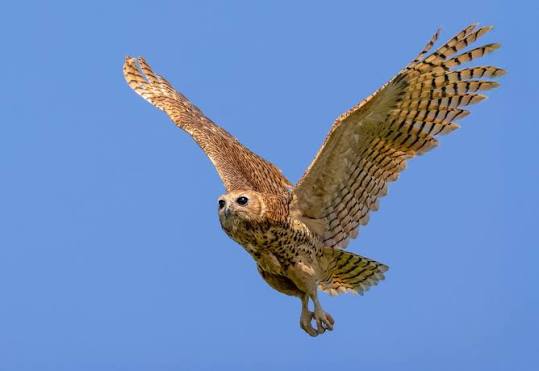
Pels Fishing Owl: The Holy Grail of Night Birding
Some birds you see by chance. Some birds you look for for a time.. Then there are birds that make the whole trip worth it. Near the rivers, swamps and quiet waters of -Saharan Africa very few birds make you feel as excited as Pels Fishing Owl. With eyes strong talons and rich brown feathers Pels Fishing Owl is a dream for anyone who loves watching animals at night.
Looking for Pels Fishing Owl is not about checking a box on a list. It is about stepping into a world after the sun goes down. Everything feels different when it gets dark. A river that looked normal during the day suddenly feels full of life. You hear frogs in the reeds hippos moving through the water and bugs buzzing near the shore. Somewhere in the trees Pels Fishing Owl is waiting in the dark. That feeling is what makes the trip so special.
Meeting Africas Fishing Owl
Pels Fishing Owl is one of the biggest fishing owls in Africa. It is a special hunter that comes out at night. Its scientific name is Scotopelia peli. This bird is part of a group of owls that live near the water. Most owls hunt over fields but Pels Fishing Owl needs rivers, lakes and swamps to find food like fish.
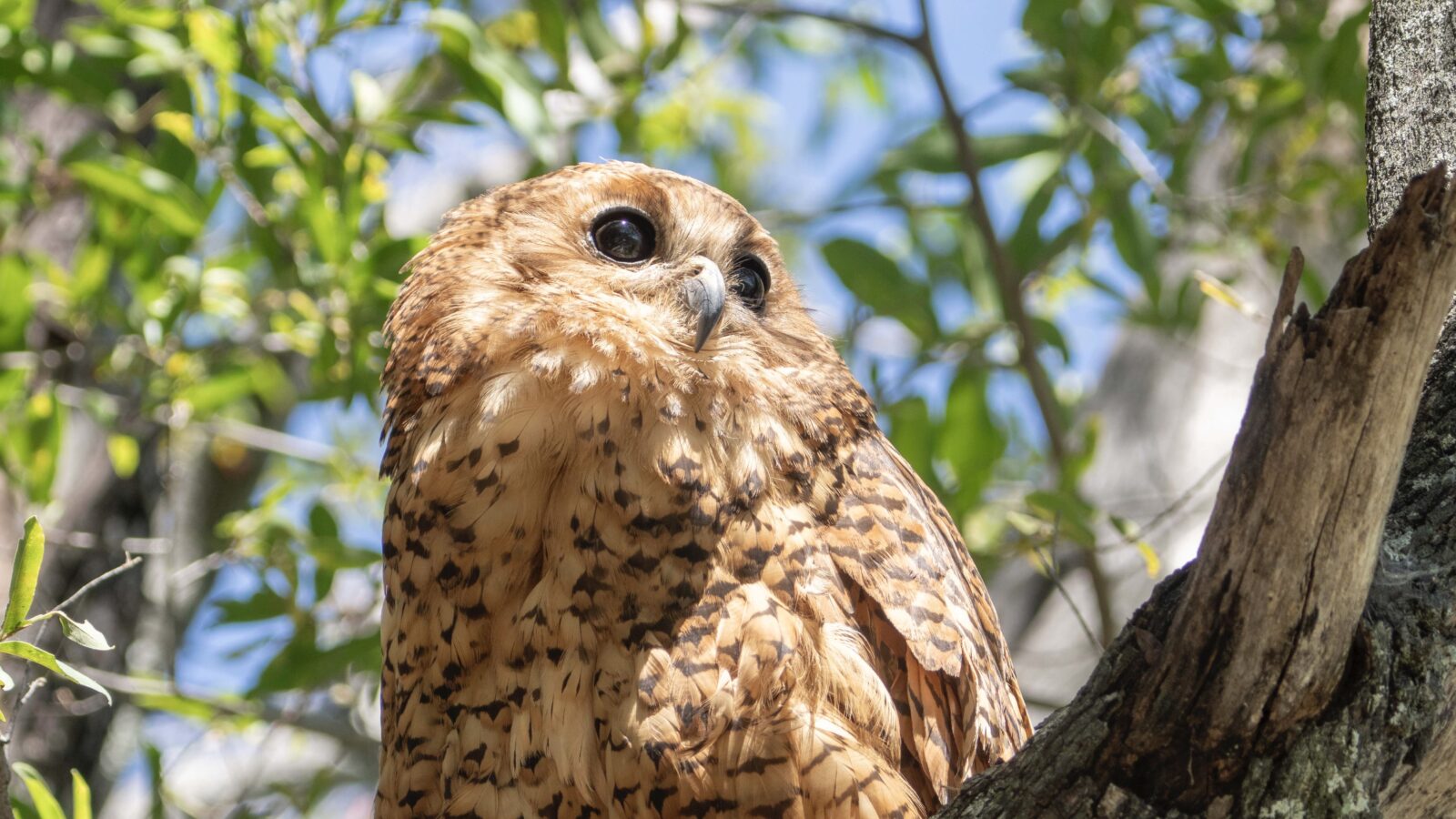
Pels Fishing Owl looks amazing even if you do not know much about it. The owl has a head, big dark eyes and very strong feet. Its feathers have patterns that help Pels Fishing Owl hide among the tree branches near the water. Even though Pels Fishing Owl is quite large it can be very hard to find.
That is the part about Pels Fishing Owl. A big owl can be sitting near you. You might not even see it in the dark. Because Pels Fishing Owl stays still and hides so well in the trees you really have to be patient.
A Predator Designed for Water
Hunting for fish is much harder than hunting for mice or small land animals. Pels Fishing Owl has feet and sharp talons to grab things from the water. Fish are a part of what Pels Fishing Owl eats but the owl also eats frogs and crabs.
Usually Pels Fishing Owl sits on a branch. Looks down at the water. Of flying around all night Pels Fishing Owl waits quietly for something to happen. When it sees something Pels Fishing Owl drops down. Uses those strong feet to catch its meal.
This is why healthy wetlands are so important. Pels Fishing Owl needs waterways to survive. If the rivers have plenty of fish the trees are healthy, for nesting and the riverbanks stay natural then Pels Fishing Owl will do well.
Where the Search Begins
The species is found in parts of -Saharan Africa especially near places with water that never dries up and along rivers. Some of the chances to see it are in big wetlands and areas with rivers in southern and eastern Africa.
In East Africa seeing it can be very rewarding because the owl is not a bird you come across easily on every trip. Places with rivers, water that stays all year old trees and animals to eat can be good spots. Countries like Botswana, Zambia, Zimbabwe, Tanzania and others in its area have groups of these birds and special moments to see them.
The experience depends a lot on the place the time of year local conditions and how good the person leading the search is. A good guide knows where the best places to look are, how water levels affect what the owl eats and what sounds or movements could show the owl is nearby.
The Magic of Night Birding
Birding during the day has its way of doing things but birding at night changes how you see the land. Of looking for bright colors and things moving around you start listening closely and watching small changes in the dark.
Looking for Pels Fishing Owl might mean sitting by a river and waiting. You might hear frogs making noise fish making splashes, insects moving through plants or faraway animals talking. Every sound becomes part of the experience.
Then all of a sudden a big shape may show up in the dark.
Seeing the owl sitting by the river can be very touching. Its presence often feels calm of exciting. It might not move for minutes letting you see its size, how it stands and how it connects with the water around it.
This is why the experience is so important to people who like animals that’re active at night. The reward comes from being patient much as from actually seeing the owl.
Why This Owl Is So Hard to Find
Pels Fishing Owl does not make it easy to find. Its home can be very big the plants it likes can be thick. It is active when people are not around much.
The owls feathers also help it blend in. During the day it can rest quietly in trees. Be hard to see against the shadows and tree trunks. At night its big eyes and light face might only be visible when a light hits them right.
Water levels can also change things. Rivers and wetlands change all year affecting where fish are the plants and where animals spend their time. That is why guides who know the area well are very important for a chance to see the owl.
Pels Fishing Owl: The Holy Grail of Night Birding
For people who love wildlife the journey is memorable even before the owl shows up. There is something about moving slowly along a river after the sun goes down knowing that a special hunter might be nearby.
The experience rewards people who’re willing to take their time. Life today often pushes people to move and plan tight schedules but animals that are active, at night need a different way. You wait. You listen. You look at the branches. You let your eyes get used to the dark.
When the owl finally appears the moment can feel very quiet. There may not be a flight or a loud sound. Instead you might just see two eyes, the shape of a big head and body. As your eyes get used to the dark the details slowly become clear.
That slow discovery is part of the magic.
Conservation Begins With Habitat
To protect the owl we must protect the waterways that the owl needs. When wetlands shrink forests along rivers are cut, water systems change, pollution rises or fish numbers fall all of these can hurt the owl and other water animals.
Conservation therefore requires attention to ecosystems rather than a single species. When rivers stay healthy fish, frogs, insects, reptiles, birds and mammals thrive. This web of life in turn supports predators like the fishing owl.
Responsible tourism can contribute positively when it encourages protection of habitats and provides income for communities living near wildlife areas. Visitors who come specifically to see wildlife also create a need for skilled guides tourism that focuses on conservation and protected landscapes.
A Way to Search
A successful night encounter should always respect the owl. Bright lights can upset night animals if used carelessly. Loud noise can disturb the owl’s feeding and resting habits.
Experienced guides know how to act. They keep a distance use fewer bright lights avoid needless disturbance and let the owl stay undisturbed. These simple steps are very important.
Photography should also come second to observation. The best memory is not always the picture. Sometimes the special moment is standing quietly by a river and seeing a great owl live in its natural setting.
Pels Fishing Owl: The Holy Grail of Night Birding
The fishing owl means more than a bird. It reminds us that Africa’s best wildlife moments happen far from spots and known safari paths.
At night a river shows a side of Africa. The wild becomes quieter. It is never empty. Life keeps moving under the water along the riverbank, inside reeds and high in trees.
Finding the owl teaches patience. People may search for hours. Leave without seeing the fishing owl. On another night the fishing owl may appear in minutes. Wildlife never promises a result. This uncertainty is what makes a real encounter so valuable.
For anyone who loves birds the fishing owl gives a strong reason to explore wetlands after dusk. Its sight connects birdwatching with conservation, patience, ecology and the endless mystery of Africa’s night.
Pels Fishing Owl: The Holy Grail of Night Birding
Meeting a creature on its own terms is unforgettable. That experience cannot be rushed, promised or perfectly controlled. One simply enters the habitat stays patient and lets nature show what it will.
When that moment arrives as a fishing owl resting calmly by an African river the memory can last for years.
The search also gives an appreciation, for landscapes that make these meetings possible. Protecting rivers, wetlands, old trees and healthy fish means protecting the life chain that relies on them.
Pels Fishing Owl may be difficult to find. That work is part of its charm. It urges one to slow down listen closely and look past what’s obvious. Africa, full of wildlife gives the fishing owl one of the best reminders that the biggest treasures are found only when you wait.
And when darkness ends and a pair of eyes appear above the water one sees why the search has been worth every quiet moment.
Pels Fishing Owl: The Holy Grail of Night Birding
The fishing owl’s rarity way of living striking look and need for healthy African waterways make it a strong symbol of wild places that keep their mystery. The fishing owl lives only if those habitats stay productive and protected for years.
For the observer the sight may last only a few minutes. The memory however can last a lifetime.



No comment