
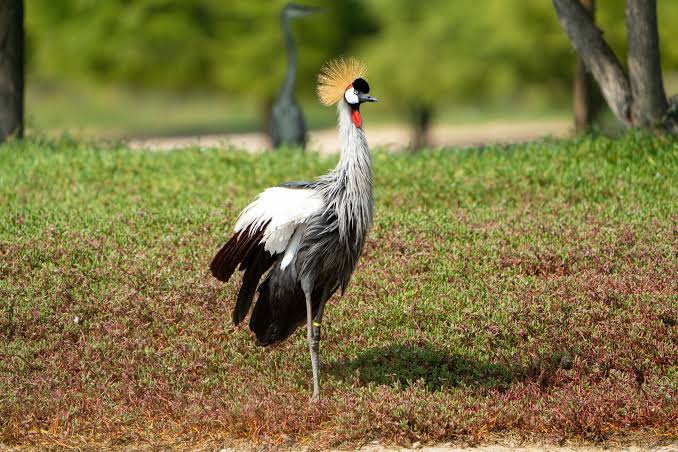
Off-the-Beaten-Path Birding Itinerary Across East Africa
East Africa is often shown through its well‑known parks, big wildlife migrations and mountain gorillas yet some of the best birding moments are found far from the busiest safari paths. Quiet wetlands, forest trails, mountain slopes, lakeshores, farmland and far savannas can show a range of birds. An Off‑the‑Beaten‑Path Birding Itinerary Across East Africa lets the reader explore these spots and see landscapes and groups that many visitors do not meet.
This journey is about slowing down and paying attention. Of rushing between popular sights the reader can spend time by a forest stream listening for bird calls walk through woodland at dawn or move along a calm wetland where herons, kingfishers, bee‑eaters and other birds show up naturally. East Africa rewards patience and each extra hour in the field can bring a find.
Why Explore East Africa Beyond the Famous Birding Sites?
Kenya, Tanzania, Uganda and Rwanda have well‑known birding spots. Each country also has hidden habitats that deserve notice. Uganda has wetlands and forest reserves beyond its better‑known parks. Rwanda’s small size lets the reader combine highland forests, lakes, wetlands and farm lands in a trip. Kenya has more than the Maasai Mara and Rift Valley lakes; Tanzania has mountain forests, coastal areas, miombo woodlands and far southern lands.
Choosing quieter spots also changes the nature of the trip. The reader may see vehicles watch species for longer and learn more about the habitats that hold them. A forest trail can turn into a morning of adventure when the reader follows bird calls instead of a strict list. An Off‑the‑Beaten‑Path Birding Itinerary Across East Africa can be planned around habitats, not places. This plan makes a route through wetlands, forests, highlands, lakes, grasslands and coast areas.

Day 1 to 3: Begin in Uganda’s Wetlands and Forests
Uganda is a start because it has many different habitats. After landing near Entebbe or Kampala start with wetland birding around Lake Victoria. Mabamba Swamp is known for its shoebill. The larger wetland also has African jacanas, herons, egrets, kingfishers, weavers and other water birds. A canoe trip through papyrus channels can give a start to East African birding. Early morning is best because temperatures are lower and bird activity is high. Of rushing to find one bird let the canoe trip explore the wetland more broadly.
From Lake Victoria move toward forest areas. Depending on the route places, around Kibale, Semuliki or other forests can show a different bird group. Dense trees need patience. The sounds of turacos, barbets, hornbills, flycatchers and forest birds make a memorable experience.
Discover Ugandas Lesser-Known Habitats
The beauty of an Off-the-Beaten-Path Birding Itinerary Across East Africa is that Uganda can be explored without limiting the journey to its famous attractions. Smaller wetlands, agricultural landscapes, woodland edges and community-managed areas can add species to your list while giving you a more intimate view of rural Uganda.
Spend time watching how birds use habitats. Weavers build nests around wetlands and settlements sunbirds move among flowering plants raptors patrol areas and kingfishers use waterways as hunting grounds. These everyday encounters often become some of the memorable moments of a long trip.
Day 4 to 6: Rwandas Forests and Highland Landscapes
Cross into Rwanda for a change of scenery. Known as the Land of a Thousand Hills Rwanda offers highland landscapes, cultivated valleys, forests and lakes. Its compact geography makes it particularly useful for a -country birding journey.
Nyungwe Forest is one of the choices for forest birding. The ancient montane forest contains a range of species associated with the Albertine Rift. Walking forest trails can produce encounters with turacos, sunbirds, flycatchers and other forest specialists.
The experience here is different from open-country birding. Visibility may be limited by vegetation so listening becomes a part of the search. A distinctive call can lead you toward a species that remains hidden among leaves and branches. This makes every sighting feel earned.
Gishwati-Mukura National Park can add another forest experience to the journey. Its montane environment provides opportunities to explore Rwandas biodiversity while traveling through a landscape where forest conservation and surrounding communities are closely connected.
Add Rwandas Lakes and Open Country
Lake Kivu offers a setting. Its shoreline, surrounding hills, gardens and cultivated areas support a mix of birds. Spend a morning exploring sections of the lake before continuing toward another habitat.
Rwanda works well in an Off-the-Beaten-Path Birding Itinerary Across East Africa because distances between habitats are manageable. You can experience highland forest one day. Open lakeshore environments soon afterward creating considerable habitat variety without spending every day on long transfers.
Day 7 to 9: Explore Kenya Beyond the Classic Safari Route
Kenya is one of Africas famous wildlife destinations but its birding possibilities extend well beyond the Maasai Mara. Consider adding visited areas of the central highlands, western Kenya or coastal regions depending on your interests.
The Kakamega Forest region is especially appealing for those in forest birds. Its lush vegetation creates opportunities for species that’re difficult to encounter in open savanna. Early walks can reveal turacos, sunbirds, barbets and other forest inhabitants.
Western Kenya also offers wetlands, agricultural landscapes and lakeside habitats. These areas can provide variety between forest excursions. If your route allows the Lake Victoria region can connect naturally with Uganda creating a cross-border birding circuit.
For travelers who prefer highland environments the slopes and forests around Mount Kenya offer another perspective. The changing altitude creates vegetation zones, each with its own bird community.
Day 10 to 12: Tanzanias Mountains and Remote Landscapes
Tanzania adds another layer to the journey. While the Serengeti and Ngorongoro remain wildlife destinations a less conventional birding route can focus more heavily on mountain forests and southern Tanzania.
The Udzungwa Mountains are particularly valuable for travelers seeking forest biodiversity. The mountains contain habitats and can provide opportunities to encounter species associated with Tanzanias Eastern Arc forests. Walking through these landscapes requires effort but the setting makes the experience worthwhile.
Depending on your interests you can also consider areas around the Usambara Mountains. Their forests, valleys, gardens and highland communities create birding opportunities. The slower pace of mountain travel allows you to spend time searching for species instead of simply passing through.
Finish With Tanzanias Coastal Birdlife
If you have days continue toward Tanzanias coast. Coastal forests and wetlands offer a contrast to the highlands. Birds associated with woodland, mangrove, open water and coastal vegetation can add another group of habitats to your journey.
An Off-the-Beaten-Path Birding Itinerary Across East Africa becomes especially rewarding when the final days introduce a habitat that feels completely different from where you started. Moving from papyrus wetlands in Uganda through Rwandas highlands Kenyas forests and Tanzanias mountains and coast creates a journey defined by variety.
How to Plan a Successful Multi-Country Birding Journey
A -country birding trip requires thoughtful planning. Distances can be considerable border crossings take time and road conditions vary. Build your itinerary around travel times rather than trying to visit too many locations.
Aim to spend least two or three nights in important birding areas. Constant movement can reduce your chances of seeing species because you lose morning hours to transfers. A flexible schedule also gives you room to return to a habitat if weather or bird activity affects your first attempt.
Local guides can be extremely useful in forests and wetlands. Experienced guides often recognize calls understand movements and know where particular habitats are most productive. Their knowledge can turn an ordinary morning walk into a wildlife experience.
Your equipment does not need to be excessive. Good binoculars, walking shoes, lightweight clothing, rain protection, a field guide, notebook and sufficient drinking water are practical essentials. A camera with a telephoto lens is useful if photography is part of your trip but careful observation should remain central, to the experience.
Travel Slowly and Leave Room for Discovery
The main advantage of an Off-the-Beaten-Path Birding Itinerary Across East Africa is its flexibility. You can change the trip based on the time of year the birds you want to see the weather how time you have and what you like. One traveler might focus on Albertine Rift species another might prefer forest birds. Another might love wetlands and waterbirds.
You should also allow space for sightings. A bird sitting next to a village road can be just as memorable as one seen inside a well‑known park. A bright sunbird outside your lodging an eagle flying over farmland or a kingfisher near a stream can show you that East Africas birdlife is everywhere not only in protected areas.
Creating Memories Beyond the Checklist
Birding across East Africa is more than tallying species. It is about waking before sunrise hearing a forest come alive paddling across a wetland watching mist lift over a mountain valley and meeting people whose everyday lives are tied to the places you visit.
An Off-the-Beaten-Path Birding Itinerary Across East Africa gives you room to enjoy those moments without the pressure of sticking to the paths. You can travel through four countries while learning that each one has its pace, habitats, bird groups and scenery.
The rewarding trip might be the one that leaves room for uncertainty. You might start with a list of birds you want to see. The moments you remember many years later could be a sunrise over a wetland a faraway call, in a forest or a tiny bird showing up unexpectedly beside the road. East Africa gives chances to those ready to look past the obvious spots travel slowly and let the landscape lead the way.





No comment