
Musanze Caves: Walking Through Volcanic Lava Tubes
Musanze Caves in Rwanda offer one of the most fascinating underground adventures in the country’s northern volcanic region. Located near Musanze town, close to Volcanoes National Park, these remarkable caves allow travellers to explore ancient lava passages formed through volcanic activity associated with the Virunga Mountains.
Unlike mountain gorilla trekking, which takes visitors into dense forests, the Musanze Caves experience leads underground through dark tunnels, enormous rock chambers and naturally formed openings. Guided walks introduce visitors to volcanic geology, local history and the unusual environment beneath Rwanda’s beautiful highlands.
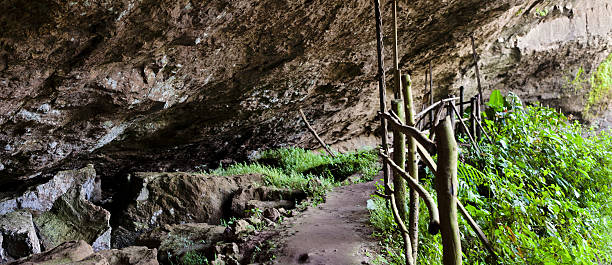
The caves extend approximately two kilometres and contain impressive rock formations, colonies of bats and openings where sunlight enters through collapsed sections of the roof.
For travellers visiting Volcanoes National Park, Musanze Caves provide an interesting additional activity that can be combined with gorilla trekking, golden monkey tracking or visits to nearby lakes.
Where Are Musanze Caves Located?
Musanze Caves are situated near Musanze town, formerly known as Ruhengeri, in Rwanda’s Northern Province.
The attraction lies within the volcanic landscape associated with the Virunga Mountains, close to Volcanoes National Park.
Musanze is approximately two to three hours by road from Kigali, depending on traffic and road conditions.
Quick Facts About Musanze Caves
| Feature | Description |
|---|---|
| Country | Rwanda |
| Province | Northern Province |
| Nearest town | Musanze |
| Main attraction | Volcanic lava caves |
| Cave length | Approximately 2 kilometres |
| Recorded entrances | 31 |
| Guided visit | Approximately 2½ hours |
| Minimum visitor age | 12 years |
| Main activity | Guided underground walking |
| Nearby destination | Volcanoes National Park |
How Were Musanze Caves Formed?
Musanze Caves developed through volcanic processes associated with the Virunga mountain region.
The surrounding landscape contains volcanic rocks, particularly basalt, produced by ancient eruptions.
Lava tubes can form when the outer surface of flowing lava cools and hardens while molten material continues moving beneath it.
When the remaining lava drains away, an underground passage may be left behind.
Why the Caves Look Unusual
Over time, geological changes and roof collapses created openings into the underground system.
Some entrances are relatively narrow, while others resemble enormous natural halls.
Sunlight enters through selected openings, creating striking contrasts between illuminated rock and dark passages.
Although volcanic activity in the wider region has a long geological history, the exact age of the individual cave passages should not be confused with the age of the surrounding volcanic landscape.
What Happens During a Musanze Caves Walk?
Visitors explore the caves through organised guided tours.
Before entering, guides explain the walking route, safety procedures and important features of the underground environment.
The experience follows designated paths through sections of the lava cave system.
Entering the Cave
The entrance is particularly impressive because of its enormous rocky opening.
As visitors move underground, natural daylight gradually decreases.
Guides use lighting equipment to illuminate the route and explain the formations.
Some sections contain steps and uneven rocky surfaces.
Visitors should walk carefully and remain with the group.
Exploring the Underground Chambers
Inside Musanze Caves, travellers encounter passages of different sizes.
Some areas feel spacious, while others are narrower.
The walls reveal natural patterns formed by volcanic processes.
What Makes the Chambers Interesting?
The rock surfaces contain colours and textures associated with cooled volcanic material.
Certain sections reveal the effects of geological movement and weathering.
Large roof openings create beautiful shafts of daylight.
These features make the caves attractive to visitors interested in geology and photography.
Why There Are So Many Entrances
Musanze Caves contain approximately 31 recorded entrances.
Many developed when sections of the cave roof collapsed.
These openings connect underground passages with the outside environment.
What Happens When Sunlight Enters?
Sunlight can illuminate rock walls and reveal different colours.
Vegetation sometimes grows around the openings where moisture and light are available.
The contrast between darkness and natural illumination creates some of the most memorable scenes during the walk.
However, visitors should remain on designated routes rather than attempting to explore unfamiliar openings.
Bats Inside Musanze Caves
The caves provide habitat for a sizeable bat colony.
Bats commonly use caves as sheltered places for resting.
Visitors may notice animals hanging from the ceiling or hear movement in darker sections.
Why Bats Are Important
Many bat species feed on insects, helping regulate insect populations.
Other species contribute to pollination and seed dispersal.
Their ecological roles vary according to their feeding habits.
Visitors should not touch bats, disturb roosting groups or use bright lights unnecessarily.
Respecting wildlife helps maintain the cave’s natural environment.
The Historical Importance of Musanze Caves
Musanze Caves are not only geological attractions.
The underground passages have historical importance because people used them as places of shelter during periods of conflict.
Their concealed chambers provided refuge during dangerous times.
The caves are also associated with tragic events during Rwanda’s 1994 Genocide against the Tutsi.
Why Visitors Should Show Respect
The historical associations make Musanze a sensitive heritage destination.
Guides may explain aspects of the caves’ human history.
Visitors should listen respectfully and avoid treating these accounts as entertainment.
Understanding the past adds meaning to the natural experience.
Is the Cave Walk Difficult?
Musanze Caves are suitable for many visitors with reasonable walking ability.
However, the experience involves uneven ground, steps and dark environments.
Some sections may be damp or slippery.
Who Should Take Extra Care?
Travellers with significant mobility limitations may find certain sections challenging.
People uncomfortable in dark or enclosed spaces should consider whether the activity suits them.
Visitors with health concerns should discuss the route with the operator before booking.
Children below 12 years are not permitted under the published visitor restrictions.
What to Wear for Musanze Caves
Proper footwear is particularly important.
Closed walking shoes with good grip help visitors move safely across rocky surfaces.
Comfortable trousers and a lightweight jacket are useful.
Recommended Packing Items
Sturdy walking shoes.
Comfortable trousers.
Lightweight jacket.
Drinking water.
Small backpack.
Camera or smartphone.
Personal medication.
Protective equipment and lighting arrangements should be confirmed with the operator.
Avoid carrying heavy bags underground.
Guided Tours and Safety Rules
Musanze Caves are formally protected, and visitors must enter with authorised guides.
Independent exploration is not permitted.
Important Visitor Rules
| Rule | Reason |
|---|---|
| Follow the guide | Prevents visitors becoming lost |
| Wear suitable footwear | Reduces slipping risks |
| Remain on designated paths | Protects visitors and formations |
| Avoid touching bats | Protects wildlife and visitor health |
| Do not remove rocks | Preserves the geological site |
| Avoid littering | Maintains the cave environment |
| Respect historical explanations | Protects cultural heritage |
Visitors should never enter closed tunnels or climb unstable rocks.
Entrance Fees and Booking
Musanze Caves visits are arranged through Rwanda’s official tourism reservation system or authorised tour operators.
Published fees include USD 50 for foreign visitors and USD 30 for qualifying foreign residents.
Rwandan and eligible East African Community citizens are listed at RWF 4,000 for adults.
Visitor categories and applicable charges should be confirmed when booking.
The minimum age is 12 years.
Best Time to Visit Musanze Caves
The caves can be visited throughout the year.
Because the activity takes place underground, it is less dependent on sunshine than outdoor mountain hiking.
However, rainfall can affect access paths and make some surfaces slippery.
June to September and December to February are often convenient periods for travelling around northern Rwanda.
Morning or Afternoon?
Official tour arrangements may include morning departures and other authorised visiting sessions.
Travellers should confirm the reporting time when reserving their visit.
Allow approximately two and a half hours for the complete guided experience.
Combining Musanze Caves With Gorilla Trekking
Volcanoes National Park is internationally famous for mountain gorilla trekking.
Visitors travel into forested volcanic slopes to observe habituated mountain gorillas.
Musanze Caves provide a contrasting underground experience.
Can You Do Both Activities in One Day?
It may be possible when gorilla trekking finishes early and cave tour arrangements allow sufficient time.
However, gorilla trekking duration is unpredictable.
Travellers should avoid making tightly scheduled commitments.
An additional day in Musanze provides greater flexibility.
Other Attractions Near Musanze
Northern Rwanda offers several experiences beyond the caves.
Golden monkey tracking takes place in Volcanoes National Park.
Lake Burera and Lake Ruhondo provide beautiful scenery and boat excursion opportunities.
Buhanga Eco-Park is associated with Rwanda’s traditional royal history.
The Dian Fossey Gorilla Fund’s conservation campus offers educational experiences focused on gorilla research and protection.
Accommodation Around Musanze
Musanze offers accommodation ranging from budget guesthouses to comfortable safari lodges.
Many travellers stay in Musanze town or near Kinigi.
Town accommodation provides access to restaurants, shops and transport services.
Kinigi is convenient for early morning activities in Volcanoes National Park.
Choose accommodation according to your planned excursions and driving distances.
Suggested Two-Day Musanze Itinerary
Day One: Musanze Caves
Travel from Kigali towards Musanze.
Join a pre-booked guided cave experience and learn about the underground volcanic landscape.
Spend the afternoon exploring Musanze town or relaxing at your accommodation.
Day Two: Volcanoes and Lakes
Choose an organised gorilla or golden monkey tracking activity.
Alternatively, arrange a guided visit to Lake Burera or Lake Ruhondo.
Return to Kigali or continue your Rwanda itinerary.
Photography Inside Musanze Caves
The caves provide unusual photographic opportunities.
Large openings create attractive natural light, while darker passages produce dramatic contrasts.
A camera capable of working in low light is useful.
Avoid using flash around bats or in locations where guides prohibit it.
Do not leave designated paths to obtain closer photographs.
Why Musanze Caves Are Worth Visiting
Musanze Caves offer a memorable journey beneath Rwanda’s volcanic landscape.
Their underground passages, massive entrances, bat habitats and natural light openings reveal an environment rarely encountered during conventional safaris.
The caves also hold important historical meaning for local communities.
For travellers exploring Volcanoes National Park, the experience provides an educational addition to gorilla trekking and mountain excursions.
Walking through these volcanic formations creates a deeper appreciation of Rwanda’s geology, cultural heritage and remarkable natural diversity.



No comment