
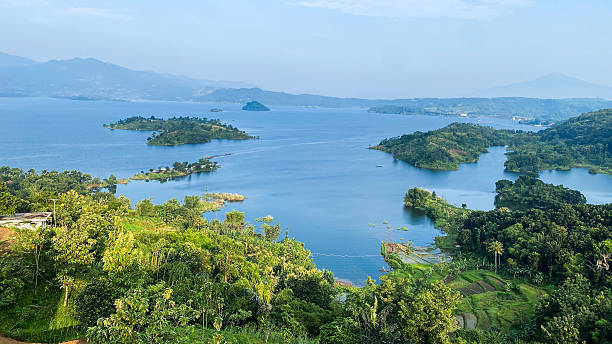
Lakes Burera and Ruhondo
Boat Trips Near Volcanoes National Park
Lakes Burera and Ruhondo near Volcanoes National Park are among Rwanda’s most beautiful highland destinations, offering peaceful boat trips, spectacular mountain views, traditional fishing villages and rewarding nature experiences. Located in northern Rwanda, these neighbouring freshwater lakes are commonly called the Twin Lakes because of their close geographical relationship.
Surrounded by terraced hills and the impressive Virunga Volcanoes, the lakes provide a relaxing alternative to the demanding forest trails of Volcanoes National Park. Visitors can enjoy traditional canoe excursions, explore small islands, photograph mountain reflections and learn about the communities living along the shores.
For travellers visiting Musanze for mountain gorilla trekking or golden monkey tracking, Lakes Burera and Ruhondo make an excellent half-day excursion or peaceful overnight escape. Their natural scenery and rural atmosphere reveal another beautiful side of Rwanda beyond its famous primates.
Where Are Lakes Burera and Ruhondo Located?
The Twin Lakes lie northeast of Musanze town, within Rwanda’s Northern Province.
Lake Burera occupies an elevated position near the Virunga volcanic landscape, while Lake Ruhondo lies slightly farther south.
The lakes are separated by a narrow stretch of hilly land.
Travellers can reach them from Musanze in approximately 30–45 minutes, depending on their chosen lakeshore destination and road conditions.
Quick Facts About the Twin Lakes
| Feature | Description |
|---|---|
| Country | Rwanda |
| Province | Northern Province |
| Nearest town | Musanze |
| Main attraction | Scenic freshwater lakes |
| Nearby park | Volcanoes National Park |
| Main activities | Boat trips, canoeing and birdwatching |
| Landscape | Terraced hills and volcanic mountains |
| Popular experiences | Island visits and village walks |
| Recommended visit | Half-day or full day |
| Accommodation | Lakeside lodges and guesthouses |
Why Are Burera and Ruhondo Called the Twin Lakes?
The lakes are known as twins because they lie close together within the same highland landscape.
They occupy neighbouring basins separated by a narrow ridge.
Although they have different elevations and individual shorelines, their geographical relationship makes them a distinctive natural attraction.
How Were the Lakes Formed?
The Twin Lakes developed through volcanic activity associated with the Virunga Mountains.
Ancient lava flows altered existing drainage channels, creating natural barriers that allowed water to accumulate.
Over time, the lakes developed within the surrounding valleys.
This volcanic history explains the unusual landscape of steep hills, rocky ground and elevated viewpoints.
The mountains visible today provide reminders of the geological forces that shaped the region.
Lake Burera: Mountain Views and Quiet Water
Lake Burera is the larger and higher of the two lakes.
Its water stretches between steep hills covered with terraced farms and rural settlements.
On clear days, visitors can enjoy beautiful views towards Mount Muhabura and other Virunga peaks.
What Makes Lake Burera Attractive?
The lake’s peaceful surroundings create excellent opportunities for landscape photography.
Traditional fishing boats sometimes move across the water, adding character to the scenery.
Visitors can arrange guided boat excursions or explore nearby villages.
Lake Burera is particularly appealing to travellers seeking a quiet experience away from busy tourism centres.
Lake Ruhondo: Islands and Scenic Boat Trips
Lake Ruhondo lies below Lake Burera and is surrounded by cultivated hillsides.
Its attractive shoreline, small islands and peaceful atmosphere make it popular for boat excursions.
The lake provides opportunities to observe traditional fishing activities and explore suitable island destinations.
Why Choose Lake Ruhondo?
Lake Ruhondo offers beautiful views of the surrounding mountains.
Visitors can enjoy relaxing boat journeys while observing rural landscapes from the water.
Some lakeside accommodation properties also arrange excursions for their guests.
The lake is suitable for travellers who prefer gentle outdoor activities rather than strenuous hiking.
Boat Trips on Lakes Burera and Ruhondo
Boat trips are among the main attractions of the Twin Lakes.
Visitors can travel across the water in traditional wooden boats or other locally operated vessels.
Excursions vary according to the departure point, weather and operator.
What Happens During a Boat Trip?
A typical experience begins with a safety briefing.
The boat then travels along selected sections of the lake, passing hillsides, fishing areas and islands.
Guides may explain local livelihoods, geographical features and the history of surrounding communities.
Some trips include a stop at an island or lakeside village.
Visitors can choose shorter scenic excursions or longer activities arranged in advance.
Traditional Canoeing Experiences
Traditional wooden canoes remain important for local transport and fishing.
Some tourism operators arrange canoe experiences for visitors interested in a slower journey.
Canoeing allows travellers to appreciate the quiet atmosphere and surrounding mountain scenery.
Is Canoeing Suitable for Beginners?
Many visitors can enjoy guided canoe excursions without previous experience.
However, the activity depends on weather, equipment and individual ability.
A qualified local guide should explain paddling arrangements.
Every participant should wear a properly fitted life jacket.
Avoid overloaded boats and trips during strong winds or thunderstorms.
Visiting the Islands
The Twin Lakes contain several small islands, some supporting communities and agricultural activities.
Guided boat excursions may include visits to selected islands.
What Can Visitors Experience?
Travellers may observe farming activities, local homes and everyday village life.
Some islands provide attractive viewpoints overlooking the surrounding water.
Visitors should always obtain permission before landing.
Private property, agricultural land and community spaces must be respected.
An organised community visit is preferable to arriving without arrangements.
Birdwatching Around the Twin Lakes
The lakes support birds associated with freshwater, wetlands and surrounding agricultural landscapes.
Early morning excursions can provide opportunities to observe birds feeding along the shoreline.
Birds to Look For
African Fish Eagle: A large bird of prey associated with freshwater habitats.
Pied Kingfisher: Often observed hovering above water before diving for fish.
Grey Heron: A tall waterbird commonly found near shallow feeding areas.
Hamerkop: A distinctive brown bird known for its unusual head shape and enormous nests.
Cormorants: Waterbirds that dive to capture fish.
Bird sightings depend on habitat conditions, weather and season.
Binoculars are particularly useful during boat trips.
Guided Walks Through Lakeside Villages
The hills surrounding Burera and Ruhondo support farming communities.
Many residents cultivate potatoes, beans, bananas and other crops.
Guided walks introduce visitors to agricultural practices and the challenges of farming on steep slopes.
What Makes Village Walks Interesting?
Visitors can observe terraced gardens and traditional rural settlements.
Local guides may explain farming methods, food preparation and community traditions.
These experiences provide opportunities to learn about everyday life in northern Rwanda.
Photography should always be respectful, and permission must be requested before photographing residents.
Hiking Around the Twin Lakes
The hills surrounding the lakes provide attractive walking routes.
Some paths lead towards elevated viewpoints where both lakes and the Virunga Mountains may be visible.
Hiking Difficulty
Short walks may be suitable for travellers with moderate fitness.
Longer routes involve steep slopes and uneven terrain.
Visitors should use local guides who understand the available trails.
Morning hikes are often comfortable because temperatures are cooler.
Carry drinking water and wear walking shoes with good grip.
Best Time to Visit Lakes Burera and Ruhondo
The Twin Lakes can be visited throughout the year.
However, relatively dry periods are often convenient for sightseeing and walking.
June to September and December to February are generally favourable travel periods.
Rainfall may occur during any month.
Seasonal Visiting Guide
| Period | What to expect |
|---|---|
| December–February | Often convenient for outdoor activities |
| March–May | Green landscapes and frequent rainfall |
| June–September | Generally favourable for boat trips and hiking |
| October–November | Lush scenery with possible rain |
Boat activities should always depend on current weather and water conditions.
Morning or Afternoon Boat Trips?
Morning is often particularly attractive because the water may be calmer and mountain visibility can be clearer.
Sunrise creates beautiful reflections when weather conditions are favourable.
Afternoon excursions can also be rewarding, especially for travellers combining the lakes with other activities.
However, strong winds or thunderstorms may affect boating conditions.
Visitors should follow their operator’s advice rather than insist on departing during unsuitable weather.
Accommodation Near the Twin Lakes
Accommodation options include small lakeside lodges, guesthouses and community-based facilities.
Some properties provide attractive views towards the volcanoes.
Others offer simple accommodation suitable for budget-conscious travellers.
Where Should You Stay?
Travellers focused on relaxation may prefer a lakeside property.
Those planning several activities in Volcanoes National Park may find Musanze or Kinigi more convenient.
Confirm electricity, meals, road access and boat arrangements before booking.
Combining the Twin Lakes With Gorilla Trekking
Volcanoes National Park is internationally famous for mountain gorilla trekking.
Visitors can combine this wildlife experience with a relaxing lake excursion.
Suggested Two-Day Itinerary
Day One: Volcanoes National Park
Begin with an organised mountain gorilla trekking experience.
Afterwards, return to your accommodation for lunch and relaxation.
Day Two: Twin Lakes Excursion
Travel towards Lakes Burera and Ruhondo.
Enjoy a guided boat trip, photograph the volcanic scenery and explore a suitable lakeside community.
Return towards Musanze later in the afternoon.
This itinerary provides a balance between wildlife adventure and peaceful sightseeing.
Other Attractions Near Musanze
Travellers can combine the Twin Lakes with several northern Rwanda attractions.
Musanze Caves offer guided walks through ancient volcanic passages.
Golden monkey tracking takes place in Volcanoes National Park.
Buhanga Eco-Park provides cultural heritage and woodland experiences.
Mountain hiking is also available through authorised activities in the Virunga region.
Responsible Tourism Around the Lakes
The Twin Lakes provide water, fishing opportunities and other resources for surrounding communities.
Visitors should help protect these environments.
Avoid littering and unnecessary noise.
Do not disturb nesting birds.
Use experienced boat operators and wear life jackets.
Respect private homes and cultivated land.
Supporting local guides, accommodation providers and community businesses helps tourism contribute to local livelihoods.
Why Lakes Burera and Ruhondo Are Worth Visiting
Lakes Burera and Ruhondo provide a beautiful introduction to Rwanda’s northern highland landscapes.
Their peaceful waters, surrounding terraced hills and spectacular views towards the Virunga Volcanoes make them attractive for sightseeing, photography and relaxation.
Boat trips allow travellers to appreciate the scenery from a different perspective, while community walks introduce visitors to rural life.
For those visiting Volcanoes National Park, the Twin Lakes offer a rewarding addition to gorilla trekking and other mountain activities.
Whether enjoying a short canoe excursion or spending a night beside the water, visitors can experience the natural beauty and welcoming communities of northern Rwanda.



No comment