Kibale Central Forest Reserve: The Buffer Zone Worth Exploring
There is a common misconception in the world of safari travel that the true wilderness begins and ends at the official boundaries of a national park. Travelers often hurry past the edges, eager to reach the heart of the protected area, without realizing that some of the most profound and meaningful experiences lie in the transitional spaces where forest meets community. Kibale Central Forest Reserve, while often celebrated as the primate capital of the world, is not just about the chimpanzees that inhabit its core. The story of this forest is incomplete without understanding its edges, the buffer zones that are now emerging as destinations in their own right. These buffer zones are not mere margins of the wilderness; they are vibrant, living landscapes where conservation, community, and culture intertwine to create a travel experience that is richer, more authentic, and more impactful than any traditional safari.
Understanding the Concept of a Buffer Zone
A buffer zone, in the context of conservation, is the land that surrounds a protected area, acting as a transitional space between the wilderness and the human-dominated landscape. Historically, these zones were often areas of conflict, where communities and wildlife competed for resources. However, a significant shift in conservation philosophy has transformed the buffer zone into a space of cooperation and mutual benefit. The buffer zone of Kibale Forest is not a sterile, empty space. It is a dynamic landscape of farms, villages, wetlands, and regenerating forests, all of which play a crucial role in the health of the park itself. By absorbing the pressure of human activity, the buffer zone protects the core forest from encroachment, and by providing economic opportunities through tourism, it turns local communities into the guardians of the forest rather than its adversaries.
The Buffer as a Wildlife Corridor
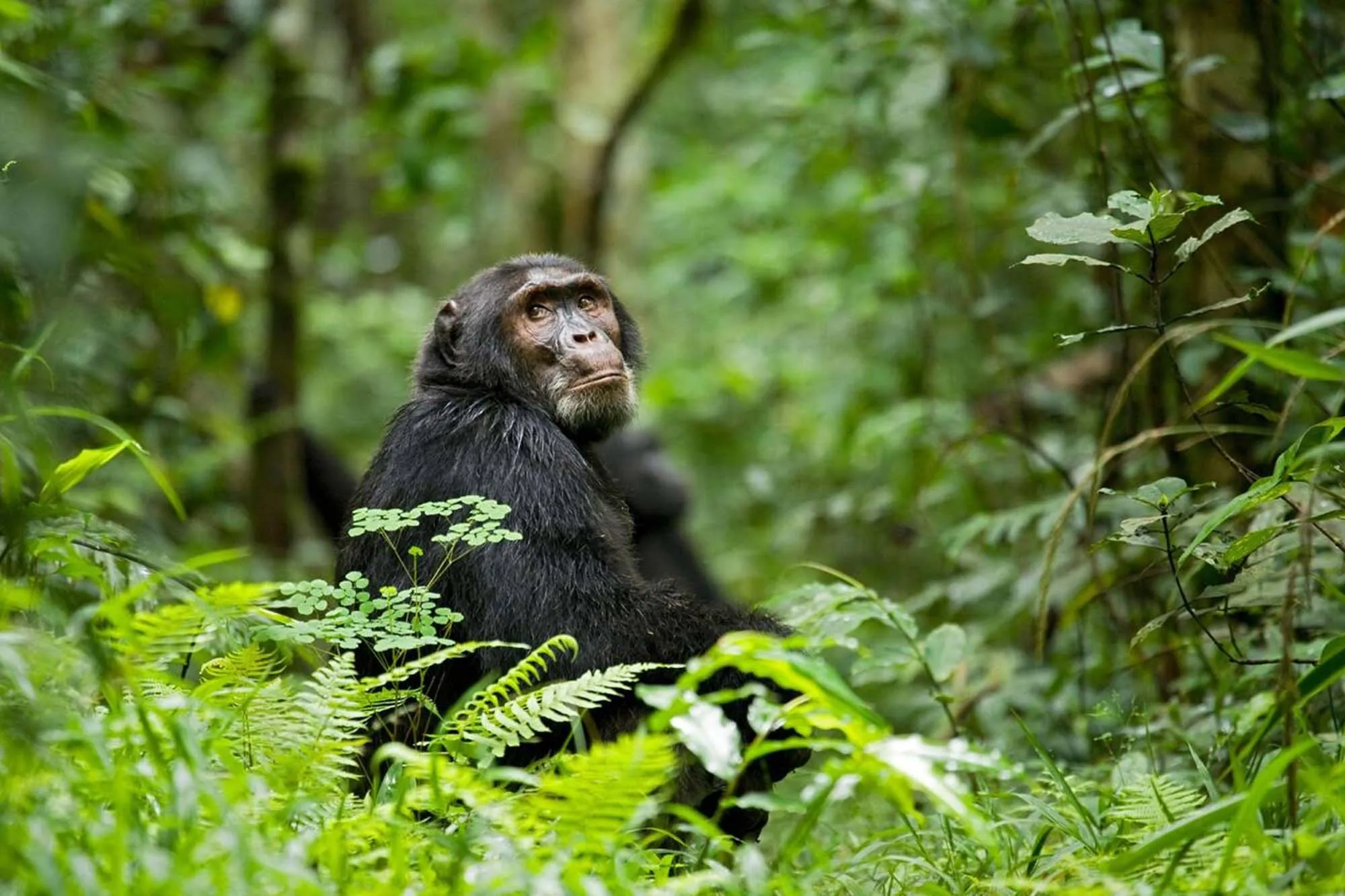
The primary ecological function of a buffer zone is to provide a protective layer around the national park, mitigating the negative impacts of surrounding human activities. However, its importance extends far beyond that. For a park like Kibale, which is home to a remarkable array of wildlife, including the highest density of chimpanzees in Africa, the buffer zone acts as an essential wildlife corridor. It allows animals to move between different parts of their range, preventing the genetic isolation that can threaten small populations. Even forest elephants, the largest land mammals in Africa, navigate through these buffer areas as they travel between Kibale and the neighbouring Queen Elizabeth National Park, a movement that is vital for the long-term viability of their populations.
The buffer zone also provides additional habitat for a staggering diversity of species. While the core of Kibale Forest is renowned for its thirteen primate species, the edges and adjacent areas, such as the Bigodi Wetland Sanctuary, harbour a different but equally spectacular array of life. The sanctuary, a community-managed buffer zone, is home to over two hundred species of birds and hosts several primate species including the red colobus, black-and-white colobus, and red-tailed monkeys. The habitat diversity found in these transitional areas, from papyrus swamps to regenerating forests, attracts species that thrive in these specific niches, making the buffer zone a vital component of the region’s biodiversity.
The Economic Heartbeat of the Forest
The most profound transformation of Kibale’s buffer zones has been in the realm of socio-economics. Historically, communities living adjacent to the forest often viewed it as a resource to be exploited or a threat to their livelihoods, leading to conflicts over resources and incidences of poaching and encroachment. The shift towards community-based tourism has fundamentally changed this dynamic. The buffer zone is now a space where conservation pays. The revenue generated from tourism activities in areas like the Bigodi Wetland Sanctuary is directly reinvested into the community, funding essential services like schools, clean water projects, and health centres.
This economic model, often encapsulated in revenue-sharing schemes, ensures that a significant majority of the proceeds from tourism go directly to the local guides, farmers, and service providers. This is not a trickle-down effect; it is a direct injection of capital into the local economy. When a tourist visits a community-run coffee farm, enjoys a locally prepared meal, or hires a guide from a nearby village, they are creating a direct economic link between the health of the forest and the prosperity of its neighbours. A farmer who once saw a chimpanzee as a pest raiding his crops now sees it as a living asset, the presence of which brings paying visitors to his community. This creates a powerful incentive for conservation that official regulations alone could never achieve. Research has shown that tourism has played a great role in improving the quality of life around Kibale, with many people finding employment in the tourism business and earning a living from it.
Exploring the Heart of the Buffer: Bigodi and Beyond
To experience the buffer zone of Kibale is to engage in a different kind of safari, one that is as much about people as it is about primates. The most famous example of this is the Bigodi Wetland Sanctuary, a community-led initiative just outside the park boundaries. A visit to Bigodi is a multi-sensory experience. Walking along the wooden boardwalks and forest trails, you are guided by locals who have an encyclopedic knowledge of the birds, the plants, and the medicinal uses of the forest. The soundscape is a symphony of birdcalls, from the African pitta to the great blue turaco, and you are likely to spot troops of monkeys moving through the trees above you. The sanctuary is a haven for birdwatchers and a perfect example of how a community can transform a resource into a sustainable asset.
The cultural experiences available in the buffer zone are equally enriching. Tours of local villages often include visits to farms, where you can learn about the cultivation of vanilla or tea, which are vital cash crops for the region. You might be invited to a homestead to see how local beer and wine are produced or to meet a traditional medicine man who shares the secrets of the forest’s healing plants. These interactions are not staged performances; they are genuine encounters that offer a window into the daily lives and rich traditions of the Batooro and Bakiga peoples who call this region home. This is travel that fosters connection and understanding, moving beyond the role of a spectator to that of a participant in the community’s story.
A Landscape of Volcanoes and Crater Lakes
The landscape of the Kibale buffer zone is not just about forest edges and wetlands; it is also a region of stunning geological beauty. The area is dotted with the magnificent Ndali-Kasenda Crater Lakes, formed by ancient volcanic activity. These tranquil lakes, nestled in green hills, offer a perfect retreat after a day of primate trekking or cultural exploration. You can swim in their calm waters, hike around the crater rims for breathtaking panoramic views, or simply relax and soak in the peacefulness that pervades this landscape. The lakes are surrounded by lush vegetation and offer excellent birdwatching opportunities, as well as a chance to see primates in the forests that fringe the crater edges.
The crater lakes are not just natural wonders; they are also places of cultural significance. Many local communities have myths and stories associated with these lakes, and visiting them provides an opportunity to learn about the traditional beliefs and customs of the area. The combination of natural beauty and cultural depth makes this region a highlight of any visit to the Kibale area. The gentle hills, the mirror-like waters of the lakes, and the distant views of the Rwenzori Mountains create a landscape that is both dramatic and serene, offering a perfect balance to the excitement of chimpanzee trekking in the forest core.
The Role of the Community in Conservation
The success of the buffer zone model in Kibale is a testament to the power of community involvement in conservation. The local people are not just beneficiaries of tourism; they are active participants and stewards of the environment. The management of the Bigodi Wetland Sanctuary is a prime example, with community committees overseeing operations and ensuring that the benefits are distributed fairly. This sense of ownership is crucial for the long-term success of conservation efforts. When communities feel that they have a stake in the health of the forest, they are more likely to protect it from threats like poaching and illegal logging.
The community also plays a vital role in educating visitors about the importance of conservation and the challenges that the forest faces. The guided tours are not just about showing visitors the wildlife; they are also about telling the story of the forest and the people who live alongside it. This narrative of coexistence and mutual benefit is one of the most powerful aspects of visiting the buffer zone. It challenges the traditional view of conservation as a top-down imposition and presents a model where people and nature thrive together. For the traveler, this offers a deeper and more meaningful understanding of the complexities of conservation in the modern world.
Accommodation and Lodging in the Buffer
The buffer zone of Kibale Forest offers a wide range of accommodation options, catering to different budgets and preferences. From luxury lodges that offer stunning views and top-notch amenities to more modest guesthouses that provide a comfortable and authentic experience, there is something for everyone. Many of the lodges are located on the edges of the forest, offering the chance to wake up to the sounds of the wild and to step directly into the forest for early morning walks. These lodges often employ local staff, source food from local farmers, and contribute to community projects, ensuring that your stay has a positive impact on the area.
For those seeking a more immersive experience, camping is also available in some parts of the buffer zone. Sleeping under the stars, with the sounds of the forest all around, is an unforgettable experience that connects you deeply to the natural world. Many of the lodges and campsites also offer cultural activities, such as village walks, cooking classes, and craft demonstrations, allowing you to learn about the local culture while enjoying your stay. The accommodation options in the buffer zone are not just places to sleep; they are integral to the overall experience, providing comfort, local flavor, and a connection to the community.
Sustainability and Responsible Tourism
As the buffer zone of Kibale Forest grows in popularity, the principles of sustainability and responsible tourism become increasingly important. The fragile ecosystems and the communities that depend on them must be protected from the negative impacts of mass tourism. This is why many of the tourism initiatives in the area are based on principles of low-impact, high-value tourism. Visitor numbers are limited to prevent overcrowding, and activities are designed to minimize disturbance to wildlife and habitats. The use of local guides, the support of community projects, and the promotion of eco-friendly practices are all part of a broader commitment to sustainability.
Travelers also have a role to play in ensuring that their visit is responsible. This includes respecting the local culture and customs, supporting local businesses, and minimizing waste and environmental impact. By being mindful travelers, visitors can contribute to the long-term health of the buffer zone and ensure that it continues to thrive as a model of community-based conservation. The buffer zone of Kibale Forest is a destination that offers not just a holiday but an opportunity to be part of a movement towards a more sustainable and equitable form of tourism. It is a place where every visit makes a difference, and every traveler can leave a positive legacy.
A Final Reflection on the Buffer Zone
Kibale Central Forest Reserve is rightly celebrated for its incredible primate populations and the pristine beauty of its core forest. But to understand the full story of this magnificent landscape, one must look beyond the trees and into the surrounding buffer zone. This is where the true relationship between people and nature is played out, where conservation is not just about protecting animals but about improving lives. The buffer zone is a living testament to the power of collaboration, demonstrating that when communities are given a stake in the health of the environment, they become its most passionate guardians.
For the traveler, the buffer zone offers an experience that is both enriching and empowering. It provides a deeper understanding of the complexities of conservation, an authentic encounter with local culture, and the opportunity to contribute directly to the well-being of the people who call this region home. The memories of walking through the Bigodi Wetland Sanctuary, hearing the stories of the local farmers, and witnessing the beauty of the crater lakes will linger long after the journey ends. The buffer zone of Kibale Forest is not just worth exploring; it is essential to understanding the soul of this remarkable place. It is a reminder that the most profound travel experiences often lie not at the center of the action but on the edges, where the wild meets the human, and where the future of conservation is being written every day.