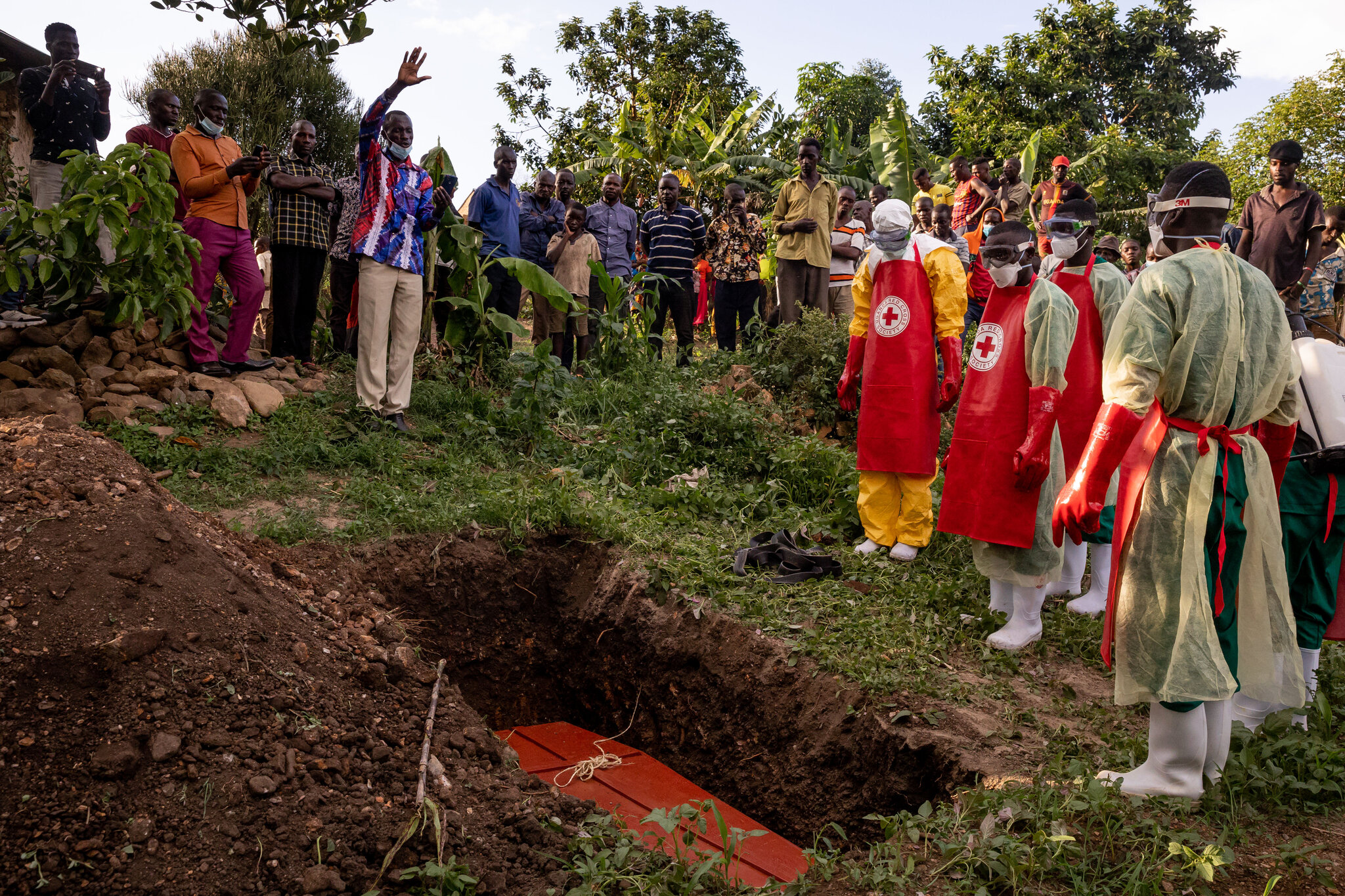
Is Uganda an Ebola-Free State?
Uganda is often mentioned in global health discussions whenever Ebola appears in East Africa. This is because the country has experienced several outbreaks over the years. That history raises a common question from travelers, investors, and the general public: is Uganda an Ebola-free country?
The short answer is that Uganda is not classified as permanently Ebola-free in a historical sense, but it is also not a country with continuous Ebola circulation. Instead, it experiences intermittent outbreaks that are fully contained when they occur.
Understanding this distinction is important, especially for tourism, travel planning, and public health awareness.
What “Ebola-Free” Really Means
In public health terms, a country is considered Ebola-free when there is no active transmission of the virus for a defined period, usually after the last confirmed case has recovered and monitoring has been completed.
However, this status does not mean the disease can never return. Ebola is a zoonotic disease, meaning it exists in animal reservoirs in certain ecosystems. Because of this, countries in Central and East Africa remain at risk of new outbreaks even after successful containment.
So, “Ebola-free” is temporary and conditional, not permanent.
Uganda’s History with Ebola
The Uganda has experienced multiple Ebola outbreaks since the year 2000. These outbreaks have occurred in different regions and at different times, including notable ones in 2000, 2007, 2012, 2019, and 2022.
Each outbreak has been caused by different Ebola virus strains or spillover events from wildlife reservoirs. Some outbreaks have been small and localized, while others required a broader national response.
Despite this history, Uganda has never had uncontrolled long-term Ebola transmission like some larger epidemics seen elsewhere in the region. Instead, most outbreaks have been contained within weeks or months through coordinated response efforts.
Why Uganda Still Faces Occasional Outbreaks
Uganda’s geography and ecology play a major role in its exposure risk. Large parts of the country contain forests and wildlife habitats where fruit bats and other potential hosts live.
Human activity near these environments, such as farming, hunting, and forest resource use, increases the chance of spillover events. This is how Ebola occasionally enters human populations.
Cross-border movement also contributes to risk. Uganda shares a porous border with the Democratic Republic of Congo, a country that has experienced repeated and large Ebola outbreaks.
Uganda’s Outbreak Response System
Uganda has developed one of the strongest Ebola response systems in Africa due to repeated experience with outbreaks.
When a suspected case appears, health teams immediately isolate the patient and begin laboratory testing. Contact tracing starts at the same time to identify anyone who may have been exposed.
Monitoring systems track contacts for a defined incubation period. If any symptoms appear, rapid testing and isolation follow.
Treatment centers are set up with strict infection control measures to protect health workers and prevent further spread.
This fast response system is the main reason outbreaks in Uganda are usually contained before they expand widely.
Current Ebola Status in Uganda
At any given time, Uganda may not have active Ebola transmission. In such periods, the country is considered free of active Ebola cases, but not permanently Ebola-free in a global risk sense.
This is because Ebola exists in animal reservoirs and can reappear unexpectedly. As a result, Uganda maintains continuous surveillance even when no cases are present.
Health authorities monitor hospitals, communities, and border points for unusual illness patterns that could signal a new outbreak.
Is Uganda Safe for Travel?
From a tourism and travel perspective, Uganda is generally considered safe when there is no active outbreak.
Popular destinations such as Bwindi Impenetrable National Park, Queen Elizabeth National Park, and Murchison Falls National Park are usually far from outbreak zones when cases occur.
Tourism operations continue during most periods, and disruptions only happen when health authorities identify cases near specific regions.
Travel advisories from other countries may sometimes create concern, but these are usually temporary and localized.
How Uganda Prevents New Outbreaks
Uganda relies on several prevention strategies to reduce the risk of future Ebola outbreaks.
One key strategy is surveillance. Health workers at community and hospital level are trained to report unusual symptoms immediately.
Another strategy is laboratory readiness. Uganda has improved testing capacity, allowing faster confirmation of suspected cases.
Public health education is also important. Communities are taught to recognize symptoms early and avoid high-risk contact with sick individuals.
Border health screening is used in areas with high cross-border movement, especially near the Democratic Republic of Congo.
Vaccination and Preparedness
During outbreaks in the region, Uganda uses targeted vaccination strategies to protect high-risk groups.
These include health workers, laboratory staff, and individuals who have been in direct contact with confirmed cases.
Training programs for rapid response teams are conducted regularly to maintain readiness even when no outbreak is active.
Why Uganda Cannot Be Permanently Declared Ebola-Free
Even though Uganda often goes long periods without active cases, it cannot be permanently classified as Ebola-free for several reasons:
The virus exists in wildlife reservoirs, meaning it can re-emerge naturally.
The country is located near regions with frequent outbreaks, especially in the Democratic Republic of Congo.
Human movement across borders increases the chance of reintroduction.
Because of these factors, Uganda remains in a preparedness and surveillance state rather than a permanent disease-free status.
Uganda is not permanently Ebola-free, but it is often free of active Ebola cases for long periods. The country has a strong history of controlling outbreaks quickly and preventing widespread transmission.
Through surveillance, rapid response, and public health preparedness, Uganda manages Ebola risks effectively. While the disease can reappear due to natural and regional factors, outbreaks are usually contained before they grow large.
For travelers and tourism, Uganda is generally safe when no active outbreak is reported, and national parks and tourism activities continue under normal conditions.
Checking Current Guidance Before You Travel
Because outbreak status can change, checking your home country’s current travel health advisory and the World Health Organization’s latest situation reports shortly before departure is the most reliable way to get up-to-date information, rather than relying on any single article. Reputable tour operators also monitor this closely and will inform travelers directly of any relevant changes affecting a specific region of the country.